

Highway 17 East Box 249, Toulon, IL 61483
To contact a resident: (309) 286-2631
For more information about senior living options: (866) 208-4318
Overall Review of Toulon Health Care Ctr
Pros
 The facility is very clean.
- The staff are wonderful and very friendly.
- The care services are good.
- The facility has doctors on staff.
- The nurses are really good.
- The CNAs seem really attentive and good.
Cons
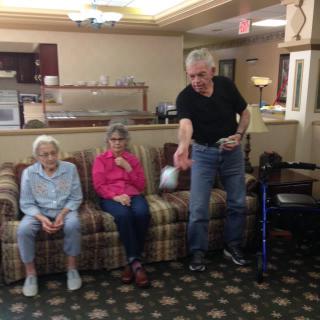
 There are a lot of people wandering up and down the halls, making it seem crowded.
- There are no activities because it is skilled care.
Review
Toulon Health Care Ctr is best suited for seniors who need skilled nursing care with consistent medical oversight and on-site physicians. The setting rewards families prioritizing clinical reliability, clean environments, and responsive front-line staff over those seeking a bustling social calendar or highly independent living. It serves well as a long-term or post-acute care option for residents whose medical needs require ongoing physician input and steady nursing support. For households chasing a more active, activity-rich lifestyle or assisted living-style autonomy, alternatives should be on the short list.
The strongest positives are practical and tangible. The facility reads as clean and well maintained, a crucial baseline for families worried about hygiene and infection control in a skilled setting. The staff consistency stands out, people who are friendly and approachable, delivering dependable daily care. Clinically, the on-site doctors are a notable differentiator, giving this community an edge over many assisted living options where medical oversight may be limited. Nurses consistently perform at a high level, and CNAs are described as attentive, which translates into reliable day-to-day support for residents with ongoing health needs. In short, the core care framework works, and that clinical backbone is the core reason families choose Toulon.
Yet, there are clear drawbacks that must be weighed against the strengths. A sense of crowding can arise from residents wandering the halls, which can make the environment feel busier and more transitional than some families desire. The most conspicuous missing element is programming: there are no activities because this is skilled care, which can leave residents with less social stimulation and structured engagement than expected in a long-term care setting. These gaps won’t derail medical care, but they do affect daily quality of life for residents who value social interaction, purposeful activities, and opportunities to participate in varied routines.
The pros partly offset the cons by delivering steady clinical capability and dependable caregiving. When medical needs are the primary criterion, the presence of doctors on site and a team of attentive nurses and CNAs provides reassurance that health concerns will be monitored and addressed promptly. Cleanliness and a calm, orderly atmosphere also contribute to a sense of safety, which matters greatly for families assessing fall risk, wound care, or medication management. However, the lack of organized activities cannot be fully compensated by good medical care; social engagement and meaningful daily structure are left to other providers’ offerings, and that gap will be felt by residents who crave more than routine nursing tasks.
Families considering alternatives should weigh whether a more vibrant activity schedule and greater independence are non-negotiable. Assisted living communities or other settings with robust programming, elective outings, and a more home-like social environment may suit those who want daily engagement beyond clinical care. For residents who require extensive medical oversight but also desire meaningful social time, looking at options that blend skilled nursing with therapeutic recreation and activity options could prove more satisfying. If the priority is top-tier medical supervision and clean, reliable care, Toulon Health Care Ctr remains a strong contender; if the priority leans toward social vitality and autonomy, other paths merit exploration.
In deciding, prioritize a candid, facility-specific visit: observe the pace and tone in halls, speak with nursing staff about typical daily routines, and ask about post-acute rehab services, physician availability, and care planning processes. Probe how care plans are updated, how often physicians review medications, and what respite or short-term stay options exist to gauge flexibility. Confirm expectations around activities, even if the current model emphasizes skilled care, to determine whether any enrichment programs are available on a limited basis or through partnerships. With those insights, families can align the choice with the resident’s medical needs, desired daily structure, and the level of social engagement that will sustain well-being over time.
 Skilled Nursing Facility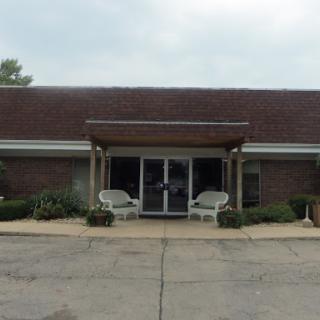



 Comprehensive Exploration of Living Wills and Other Advance Directives
 A Detailed Exploration of Living Wills and Advance Directives
 Comprehensive Guide to Medicare Coverage for Hospice Care