For more information about senior living options: (866) 208-4318
2.6 from 32 reviews
5 stars
9
4 stars
3
3 stars
2
2 stars
3
1 stars
15
Windmill Nursing Pavilion Ltd Costs & Pricing
Windmill Nursing Pavilion Ltd offers competitive pricing for its nursing care services, with monthly costs of $4,050 for both private and semi-private rooms. When compared to the broader market - Cook County pricing averages at approximately $5,168 for private rooms and $5,192 for semi-private rooms - it is clear that Windmill Nursing Pavilion Ltd provides a more affordable option. Similarly, the state average in Illinois stands at around $5,049 for private accommodations and $5,146 for semi-private options. This pricing strategy not only reflects a commitment to accessibility but also highlights Windmill's dedication to delivering quality care without compromising affordability.
Floor plans
Windmill Nursing Pavilion Ltd
Cook County
Illinois
Private
$4,050
$5,168
$5,049
Semi-Private
$4,050
$5,192
$5,146
Skilled Nursing Facilities with a similar price nearby
Residents describe nursing care that can range from professional to neglectful.
Some reviewers say the nurses and CNAs are generally professional, with most staff working hard. Others describe serious breakdowns, including residents being ignored, food and liquids not being provided, poor supervision, and patients left in soiled conditions. A few reviews also mention longer-term outcomes like malnourishment, bed sores, and decline after admission. Even when care seems better in one area, residents still report major gaps that affected day-to-day comfort and dignity.
caveat4 reviews mention this
Food and diets draw mixed feedback
Food quality and diet follow-through are inconsistent in residents’ accounts.
One reviewer says cafeteria and dietary have improved, with food served hot and fresh and better meal changes. Others report missed needs for specialized diets, like a liquid diet not being fed or liquids not being provided, and food described as unappetizing. Another review ties day-to-day nutrition and access to food and medicine to a “get it yourself” setup that made it harder for a wheelchair patient. Together, the reviews suggest meals may be better at times, but consistency is a concern.
common4 reviews mention this
Cleanliness and odor control
Multiple reviewers report the building is kept clean.
Several reviews mention cleanliness in everyday terms, including a clean facility and mild odor. One reviewer specifically praises cleaning and odor control, and another says housekeeping and maintenance generally do a good job fixing and cleaning items. There are also comments about the community looking modern, though not everyone couples that with confidence in care quality. One drawback that comes up is that housekeeping coverage may not extend late into the night.
common5 reviews mention this
Staff support stands out
Families and visitors repeatedly describe helpful, responsive staff.
Reviews highlight staff members who communicate well and provide practical support, including admissions help that made placement easier. Other accounts describe staff being attentive to residents and notifying families when someone needs hospital care. One reviewer also praises how staff respect patient privacy during care routines. Overall, the positive reviews focus more on interaction and follow-through with families than on any one activity or amenity.
caveat2 reviews mention this
Activities can feel limited
Residents describe activities that can be repetitive or sparse.
Some reviewers say activities improved a little, but they still find the programming lacking, including limited options tied to sports interests and repetitive entertainment. Another review describes residents being corralled in the dining hall for long stretches with little stimulation or interaction. Even where small activity elements are mentioned, the theme across reviews is that there may not be enough engagement during the day.
caveat2 reviews mention this
Money handling worries families
Some families raise concerns about handling of residents’ money.
A reviewer reports that a resident’s SSI check was taken and questions whether proper paperwork was followed when support was needed. Another account says the facility did not return remaining funds after a loved one passed, tying the hold-up to requests for funeral and life insurance details. These reviews are strongly negative about trust and process, even though other parts of the community experience described in reviews are more mixed.
How we summarize
Counts show how many written reviews mention each theme; a review can touch several themes, and only frequently mentioned themes are displayed.
Features
Types of Care
Skilled Nursing Facility
Amenities
Private
Transportation
Chicago Midway (14 miles away)
Nearby Places of Interest
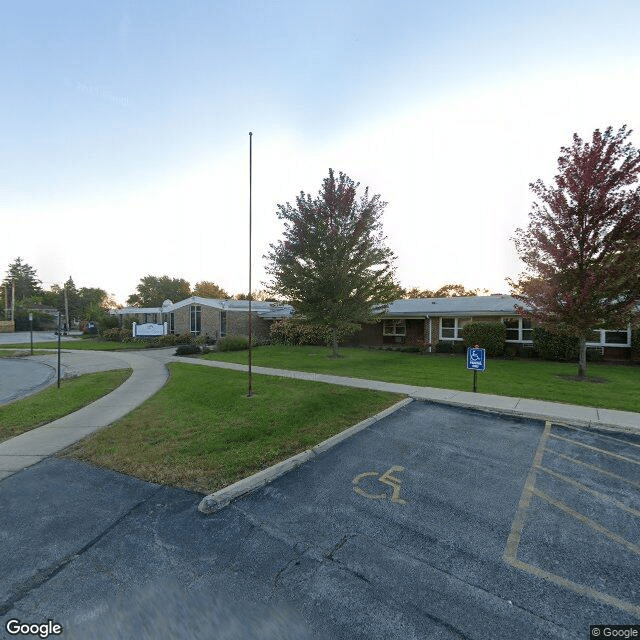
This part of South Holland, Illinois offers convenient access to various amenities and services that cater to the needs of seniors. With multiple pharmacies nearby such as Walgreens and CVS Pharmacy, obtaining medications and health supplies is easily manageable. There are also several parks in the area, providing opportunities for leisurely walks or enjoying nature. Places of worship like Christ Community Church and healthcare facilities including Family Christian Health Center and Advocate South Suburban Hospital are within a short distance, ensuring easy access to spiritual support and medical care. Additionally, there are a variety of dining options ranging from fast food joints like Chick-Fil-A to more upscale restaurants like Flossmoor Station Restaurant & Brewery. Transportation options through Metra stations are also conveniently located, allowing for easy travel around the area. Overall, this part of South Holland provides a well-rounded environment for seniors looking for a comfortable and accessible community to call home.
Pharmacies
Walgreens (0.4 miles)
CVS Pharmacy (2.1 miles)
Walgreens (3.1 miles)
Walgreens (3.4 miles)
Walgreens (4 miles)
Walgreens (4.8 miles)
Walgreens (5.2 miles)
Parks
Maicach Park (1.3 miles)
Riverside Park (6.2 miles)
Beech Park (6.9 miles)
Wicker Memorial Park (8 miles)
Briar Creek Park (8.1 miles)
Places of Worship
Christ Community Church (1.9 miles)
St. Paul's Lutheran School (6.1 miles)
Holy Name Of Mary Church (6.3 miles)
Beth Eden Baptist Church (6.4 miles)
Woodmar United Methodist Church (6.9 miles)
Physicians
Family Christian Health Center (2.2 miles)
Dr Uppuluri, Dr Patel, Dr Chavin Urology (4.3 miles)
United Pain Services (4.9 miles)
Advocate South Suburban Hospital: Smith Sharon C MD (5 miles)
Premier Oncology Hematology Associates (6.4 miles)
North Point Orthopaedics (7 miles)
Aunt Martha's Health Care (7.1 miles)
Hospitals
Ingalls Memorial (2.3 miles)
Ingalls Family Care Center (3.1 miles)
South Suburban Hospital (5 miles)
Community Hospital (6.7 miles)
Franciscan Health Chicago Heights (7 miles)
Franciscan Health (7 miles)
Franciscan Physicians Hospital (7 miles)
Restaurants
Chick-Fil-A (2.5 miles)
Portillo's Hot Dogs (2.5 miles)
Sonic Drive-In (3 miles)
Dillingers Drive-In (4.6 miles)
Cilantro Cocina Mexicana (4.6 miles)
Jack's (5 miles)
Flossmoor Station Restaurant & Brewery (5.4 miles)
Windmill Nursing Pavilion Ltd offers competitive pricing for its nursing care services, with monthly costs of $4,050 for both private and semi-private rooms. When compared to the broader market - Cook County pricing averages at approximately $5,168 for private rooms and $5,192 for semi-private rooms - it is clear that Windmill Nursing Pavilion Ltd provides a more affordable option. Similarly, the state average in Illinois stands at around $5,049 for private accommodations and $5,146 for semi-private options. This pricing strategy not only reflects a commitment to accessibility but also highlights Windmill's dedication to delivering quality care without compromising affordability.
Senior drivers prioritize comfort, safety, and ease of use in vehicles due to age-related challenges, seeking features like easy entry, clear visibility, and modern driver-assistance technologies. Recommended models include the Subaru Forester, Honda CR-V, and Toyota Camry, with emphasis on test-driving for personal comfort and evaluating crash-test ratings alongside insurance considerations.
Private pay home care offers a flexible caregiving option for older adults and families who don't qualify for government programs, allowing them to directly fund in-home care services that range from daily assistance to specialized support. This model's customization potential enables aging in place while addressing financial considerations through strategic planning options, though clients must navigate marketplace challenges and ensure quality compliance.
Arthritis encompasses over 100 joint disorders affecting people of all ages, leading to symptoms like pain and stiffness that impair mobility and quality of life. Effective management involves early diagnosis, lifestyle changes, medical treatments, emotional support, and ongoing monitoring with healthcare professionals.
Get PricingAsk A QuestionSchedule A TourContact Senior Advisor
By clicking submit, you agree to our Partner's Terms of Use. You
also consent to receive calls and texts, which may be autodialed, from our Partner. Your consent is not a condition to
using our Partner's service. Please visit our Partner's Privacy Policy for information about their privacy practices.



 Skilled Nursing Facility
 Private
 Chicago Midway (14 miles away)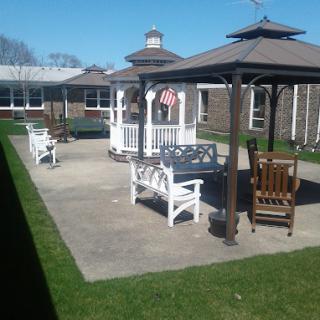
 Extensive amenities and 24/7 care support.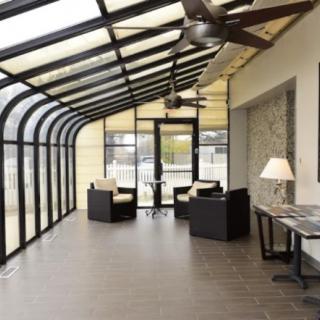

 Top Cars for Senior Drivers and Essential Safety Innovations
 A Closer Look at Private Pay Home Care
 Comprehensive Approaches for Arthritis: A Detailed Guide to Symptoms, Causes, and Care