







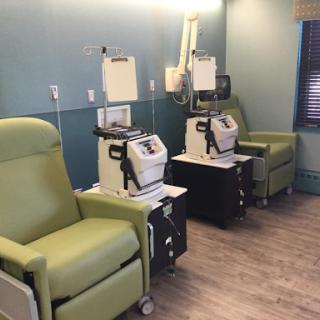
16000 South Wabash, South Holland, IL 60473
For more information about senior living options: (866) 208-4318
Overall Review of Prairie Oasis
Pros
 Robin in admissions goes above and beyond to help with placement; she is kind, patient, and highly professional.
 - The facility is described as a good nursing home with attentive staff.
- A resident had a wonderful respite experience, with staff treating her well and making her feel comfortable.
- The mother is well taken care of, and family members are promptly informed when medical attention is needed.
- The staff are generally attentive and willing to work with families to enhance residents’ quality of life.
- Prairie Oasis is described as a great nursing home with high standards of cleaning and patient care, and an administrator who cares deeply about residents.
Cons
 The facility is described as money-hungry and short-staffed, with food not nutritious enough for residents.
 - Some CNAs and nurses are unfriendly and use blue language, treating older patients as second-class citizens and lacking proper supervision.
- The environment is said to be unsanitary, including an infested bathroom and trash left around, with meals left on tables.
- Staff are accused of gossiping at the nurses’ station and neglecting patients, especially on the afternoon shift.
- There are claims that some caregivers flirt with visitors instead of tending to the residents they’re supposed to care for.
- The place is alleged to misappropriate funds, including SSI checks, and to mishandle money with little effort to return it.
- The facility is labeled a disgrace and attendees suggest it should be closed down.
- The semi-private room is reported as overcrowded, with four people in one room.
- A rehab stay is described as not improving the resident’s condition, leaving him essentially the same.
Review
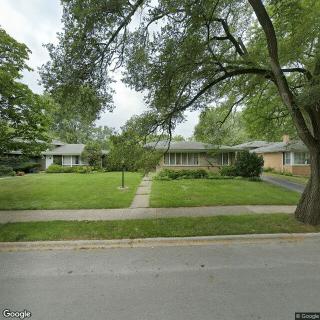
Prairie Oasis in South Holland is best suited for families seeking a budget-conscious, community-oriented nursing home in a quiet neighborhood, where admissions staff can be a steady, helpful guide through placement and transitions. It works for residents whose care needs are moderate and who can tolerate some day-to-day variation in staffing and responsiveness, provided there is active family engagement and a clear plan of care. It offers respite stays and a sense of local familiarity that can be appealing to those prioritizing proximity to family and a straightforward, no-frills environment. Those who require highly reliable rehab outcomes, stringent financial governance, or a richly engaging activity calendar should consider alternatives.
On the plus side, several threads point to real value when the system is functioning well. The admissions process has produced tangible help for families navigating placement, with staff members like Robin standing out for responsiveness and professionalism. Some reviewers note genuine professionalism among the nursing staff and CNAs, and there are recurring mentions of improvements in dining, hot meals with better seasoning, as well as steady housekeeping and laundry performance. The location’s quiet, safe neighborhood contributes to a sense of ease for visiting families, and respite stays have produced consistently positive experiences where residents felt treated with care and comfort. These elements signal a foundation that, with stable staffing and tighter oversight, can deliver dependable daily life for residents.
The flip side is significant and cannot be ignored. Recurrent complaints center on overcrowded rooms that cram multiple residents together, which heightens privacy concerns and can strain basic comfort. Staffing issues are a persistent theme: some shifts are described as unfocused or inattentive, with accounts of staff gossip overshadowing patient care and supervision, and occasional neglect of daily needs (such as timely meals, hydration, or timely assistance). Transportation challenges for dialysis patients, limited after-hours housekeeping, and inconsistent supervision raise questions about reliability for residents with more demanding medical routines. Financial trust is another major fault line, with multiple reviewers alleging mishandling of funds or questionable billing practices, including distress over how SSI-related payments are managed. Sanitation concerns and reports of unsafe or unclean facilities compound the risk profile for any resident with medical fragility.
Given these dynamics, the pros do not fully offset the cons for many potential residents. The glimpses of capable staff, genuine admissions help, and some improvements in dining and maintenance show that Prairie Oasis can uplift resident experience when conditions are favorable. However, the breadth and seriousness of the negative reports, especially regarding staffing stability, care quality on some shifts, safety in sanitation, and financial transparency, mean that the facility carries meaningful risk for families with high or complex care demands. For residents who rely on consistent rehab progress, predictable care routines, or who require strict financial oversight, alternatives may offer a clearer, less risky path.
Families evaluating options should target facilities with stronger staffing stability, more engaging activity programming, and transparent, verifiable financial practices. If Prairie Oasis is under consideration, insist on concrete assurances: a current, detailed care plan with measurable goals; a written staffing matrix showing coverage across all shifts; recent state inspection results; and a reviewed resident funds policy with independent oversight. Ask for opportunities to speak with multiple staff members across shifts, and to talk with current residents or their families about day-to-day care and decision-making processes. These steps help determine whether Prairie Oasis can deliver the steady, respectful care that aligns with a loved one’s needs, or whether a different community offers a safer, more consistently supportive environment.
 135 resident community capacity
 Skilled Nursing Facility
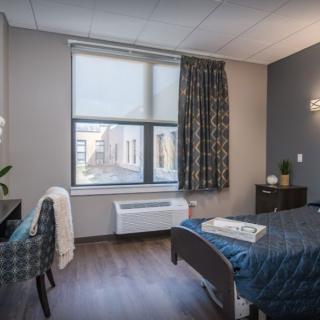
 Air-conditioning
 Beauty salon
 Cable or satellite TV
 Computer center
 Dining room
 Fitness room
 Fully furnished
 Gaming room
 Garden
 Housekeeping services
 Kitchenette
 Move-in coordination
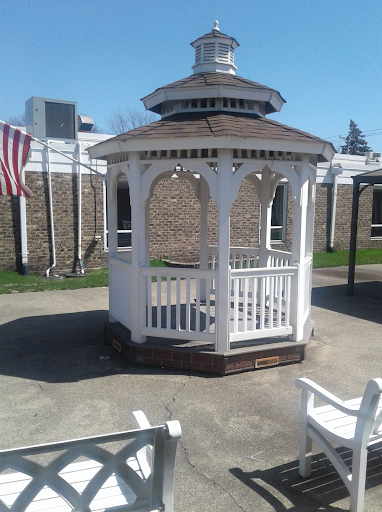
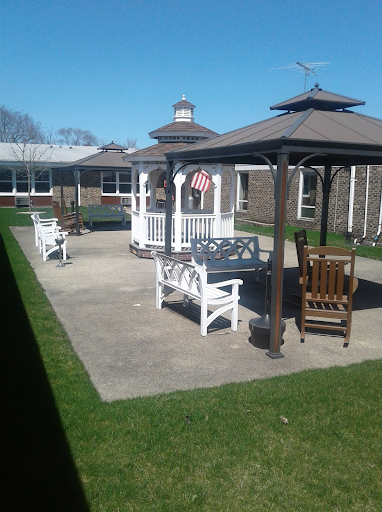
 Outdoor space
 Private bathrooms
 Restaurant-style dining
 Small library
 Telephone
 Wellness center
 Wi-Fi/high-speed internet available
 Chicago Midway (14 miles away)
 Community operated transportation
 12-16 hour nursing
 24-hour call system
 Activities of daily living assistance
 Assistance with bathing
 Assistance with dressing
 Assistance with transfers
 Diabetes diet
 Medication management
 Mental wellness program
 Special dietary restrictions
 Concierge services
 Planned day trips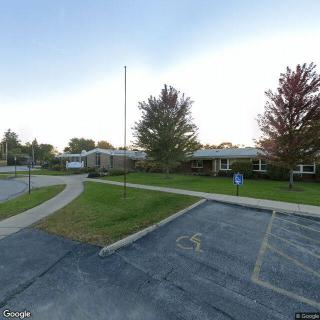




 Comprehensive Approaches for Arthritis: A Detailed Guide to Symptoms, Causes, and Care
 Comprehensive Insights and Practical Strategies to Help Older Adults Avoid Falls
 6 Crucial Ways an Elder Law Attorney Assists Families