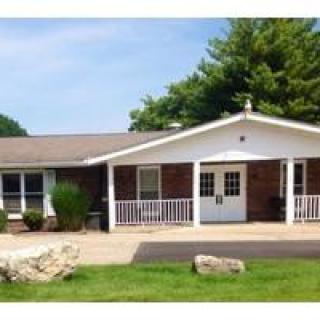
746 West Spring Street, South Elgin, IL 60177
For more information about senior living options: (866) 208-4318
Overall Review of South Elgin Rehab & Health Care Center
Pros
 Lola, the Director of Activities at South Elgin Living and Rehab Center, goes above and beyond for residents and genuinely cares about their well-being.
- She connects with each person on a personal level, showing that she values their voices and independence.
- The staff are caring professionals who are great with residents and their families.
- The facility is clean, and staff are friendly and helpful, including nursing, caregivers, dietary, and housekeeping.
- South Elgin Rehabilitation has amazing caring staff who work extremely hard to meet residents' needs.
- The care provided is compassionate and devoted to residents.
Cons
 The facility is described as neglectful, rude, shady, and uncaring toward residents.
- It is repeatedly described as filthy, with awful food, and inadequate basic amenities (no second servings, TVs malfunctioning, etc.).
- The staff is portrayed as toxic, and administrators are said to paint residents as bad people.
- Personal belongings frequently disappear, and the facility’s cleanliness and maintenance are inconsistent.
- Physical therapy is largely absent, CNAs are slow to assist, and help can take hours; agency nurses on weekends may administer unnecessary medications.
- Medications and doctors are changed without proper notice, and some staff are described as lazy or disengaged.
- Public areas, including bathrooms, are dirty, and essential needs like water are not consistently provided for patients with kidney issues.
- The facility is depicted as profit-driven, with alleged embezzlement and overall neglect.
Review
South Elgin Rehab & Health Care Center is best suited for families seeking a smaller, home-like setting where staff prioritize social engagement and personal connection. The strongest value lies in a clean environment and a robust activities program, led by a director who genuinely connects with residents and helps them stay informed and involved. For residents who thrive on individualized attention, predictable daily routines, and meaningful interaction with staff and peers, this community can feel like a stable, comforting anchor. It is less well aligned for those requiring intensive rehabilitation, ongoing medical oversight, or highly structured clinical care, where more comprehensive medical resources and governance clarity are often decisive.
Alternatives should be considered for residents who need robust rehabilitation services, precise medication management, or a dementia program with a secured, locked environment. Several reviewers flag inconsistent medical coverage and staffing levels as persistent challenges, along with concerns about responsiveness and the overall capacity to manage complex health needs. Families prioritizing transparent governance, steady administrative leadership, and reliable, regulated medical oversight will likely want to compare other options. If the plan centers on long-term custodial care with a strong emphasis on social life rather than medical intensity, this community warrants a closer look; otherwise, settings with deeper medical systems and better operational stability deserve consideration.
On the upside, multiple accounts describe a genuinely caring staff and a resident-centered atmosphere. Residents and families frequently highlight friendly nursing, caregiving, dietary, and housekeeping teams that work hard to meet daily needs, with cleanliness a recurring positive note. The activities program and the director’s hands-on approach to keeping residents engaged provide meaningful daily structure and a sense of belonging. When those strengths are present, they can translate into steady morale, better day-to-day quality of life, and more frequent family involvement. Yet these advantages do not fully compensate for gaps in rehabilitation availability, medical oversight, or operational consistency, which can swing the overall experience.
The downsides, however, are substantial in many accounts. Recurrent complaints describe neglectful practices, persistent cleanliness issues, and insufficient staff to meet demand. Food quality and dietary accommodation are frequent points of contention, with several families reporting limited meal variety or items not meeting dietary needs. Medication management concerns surface, changes without notice, weekend gaps in coverage, and the perception that pharmacists or nurses are not consistently present to supervise regimens. The atmosphere of distrust is reinforced by reports of ownership changes, embezzlement rumors, and claims that personal belongings vanish. Taken together, these issues paint a picture of a facility where day-to-day operations and resident care can drift apart, depending on who is in charge.
Choosing this facility demands disciplined due diligence. Prospective residents should request current licensure and state survey results, then walk the building with a detailed checklist focused on cleanliness, safety, and the pace of care. Direct conversations with front-line staff about how medication changes are communicated, how often doctors visit, and how quickly assistance is provided will reveal practical realities behind the marketing narrative. Investigate the rehab program’s availability and consistency, demand clarity on dementia care options and secure units, and verify room size and storage for personal items. Clarify ownership status and governance history, and insist on a transparent plan to address any past concerns. A defined care plan and trial period can prevent mismatches and set clear expectations from the outset.
In sum, South Elgin Rehab & Health Care Center delivers a degree of warmth, clean surroundings, and personal attention that can be a strong fit for residents who prize social engagement and steady staff presence. It is not a universal solution: families needing intensive rehabilitation, rigorous medical oversight, or a fully secure memory-care environment should consider alternatives. With thorough vetting, a candid on-site visit, and explicit performance expectations, the right resident can thrive here, especially where daily life centers on dignity, connection, and a responsive, caring staff. Proceed with a disciplined evaluation, and anchor decisions to non-negotiables like medical stability, timely care, and transparent governance.
 90 resident community capacity
 Skilled Nursing Facility
 Air-conditioning
 Beauty salon
 Cable or satellite TV
 Computer center
 Dining room
 Fitness room
 Fully furnished
 Gaming room
 Garden
 Housekeeping services
 Kitchenette
 Move-in coordination
 Outdoor space
 Private bathrooms
 Restaurant-style dining
 Small library
 Telephone
 Wellness center
 Wi-Fi/high-speed internet available
 Chicago O'Hare International (21 miles away)
 Community operated transportation
 12-16 hour nursing
 24-hour call system
 Activities of daily living assistance
 Assistance with bathing
 Assistance with dressing
 Assistance with transfers
 Diabetes diet
 Medication management
 Mental wellness program
 Special dietary restrictions
 Concierge services
 Planned day trips





 Understanding the Sandwich Generation: Stress and Responsibilities for Multigenerational Caregivers
 8 Essential Assistive Devices for Older Adults
 Navigating the Financial Road to Nursing Home Care: In-Depth Guidance and Resources