302 West Burwash, Savoy, IL 61874
For more information about senior living options: (866) 208-4318
Overall Review of Champaign Urbana Nursing & Rehab
Pros
 The place is clean.
- The food is decent.
- The Nursing and CNA staff are pleasant.
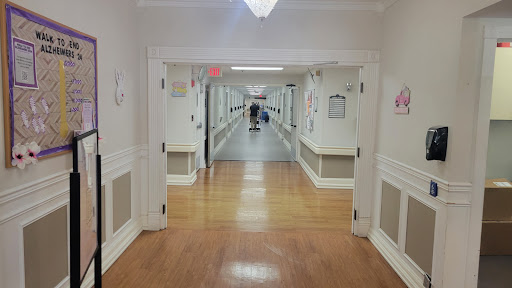
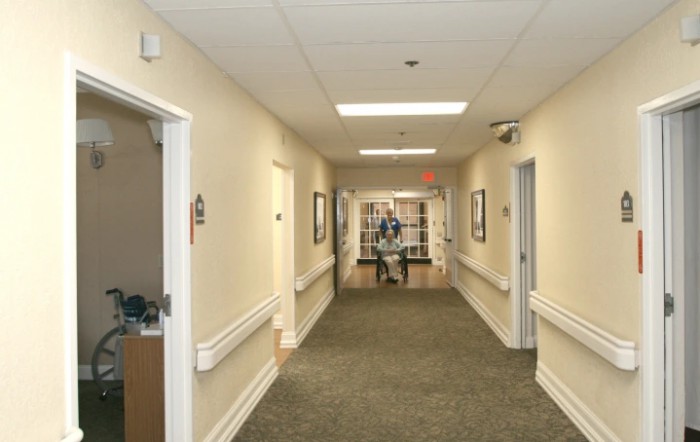
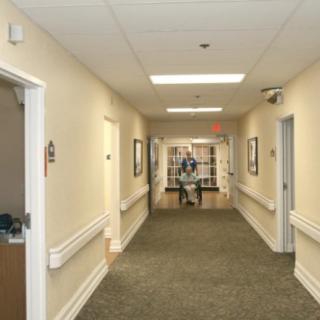
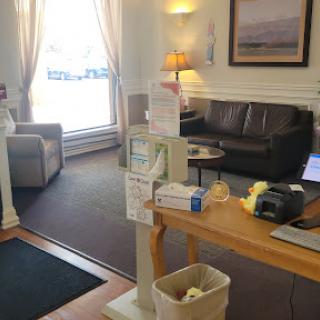
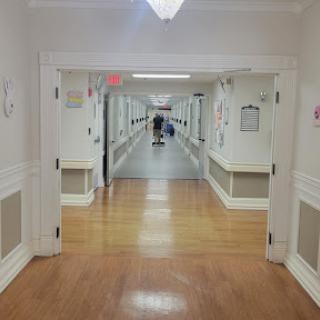
- The center is very clean and well maintained.
- The rehab unit is brand new and very clean.
- The staff are kind and compassionate.
- The therapy and care are excellent.
- The resident has had a wonderful stay and is improving.
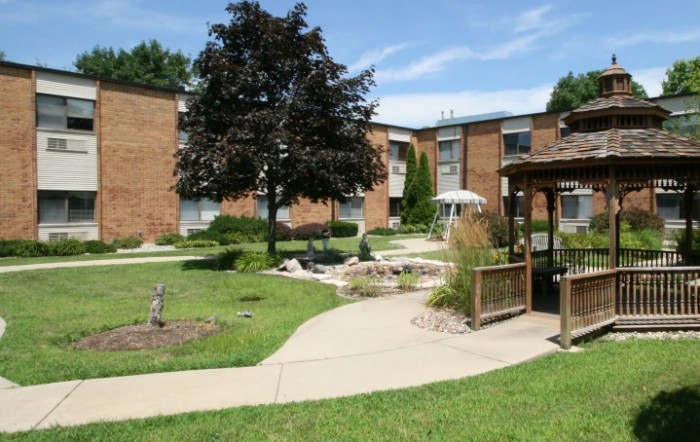
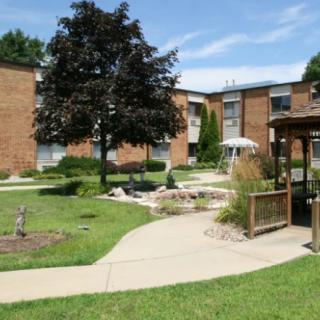
- The courtyard is beautiful and relaxing for residents.
Cons
 The facility is filthy, with sticky floors and mold in the air conditioning.
- The call button was tied to the bed and inaccessible, and staff did not respond promptly.
- Residents were laid in vomit and food with no water available.
- There was a 10-minute delay after calls, while multiple nurses stood around not responding.
- The meals are bland across the board.
- Staffing ratios are horribleā€”one nurse and one CNA for 15-20 patients, with long phone wait times.
- The center failed to take care of a patient, who almost lost her leg; it is described as the worst place.
Review
Champaign Urbana Nursing & Rehab in Savoy is best suited for families prioritizing short-term rehab with access to engaged physical therapy and a modern, relatively clean rehab environment. The facility shows clear strengths in therapy quality and in the general cleanliness of many areas, and several residents report meaningful improvements during recovery stays. It is a reasonable choice for those who want a recovery-focused setting with a pleasant courtyard and efforts to make rooms feel less institutional. Those who value robust, consistent day-to-day oversight and rapid response to needs should weigh the likelihood of staffing gaps carefully, since the core challenge here is not the absence of care but the consistency and speed of delivery.
Alternatives become worth considering for residents who require steady, around-the-clock monitoring, rapid call-bell response, and highly reliable communication with families. The strongest warnings from multiple reviews center on under-staffing and slow response times, with accounts of long waits for assistance and an overburdened frontline team. Families should be cautious if cognitive or mobility needs are substantial and require constant supervision, or if a loved one is prone to frequent falls. Additionally, those who place a high premium on consistently excellent meals or highly proactive family updates may find this community less reliable than other options.
The core pros, cleanliness in several areas, accessible therapy, and compassionate staff, do not fully erase the main drawbacks, but they do create a meaningful offset in specific contexts. When the rehab unit is performing well, residents receive attentive therapy and observe tangible progress, which aligns with expectations for post-acute care. In such cases the pleasant, friendly demeanor of many nurses and aides helps sustain motivation and trust. Yet the converse is evident too: when staffing feels thin, performance gaps widen, and even strong therapists can be hamstrung by workload, resulting in inconsistent care, delayed calls, and missed cues about potential safety issues like falls or hygiene lapses.
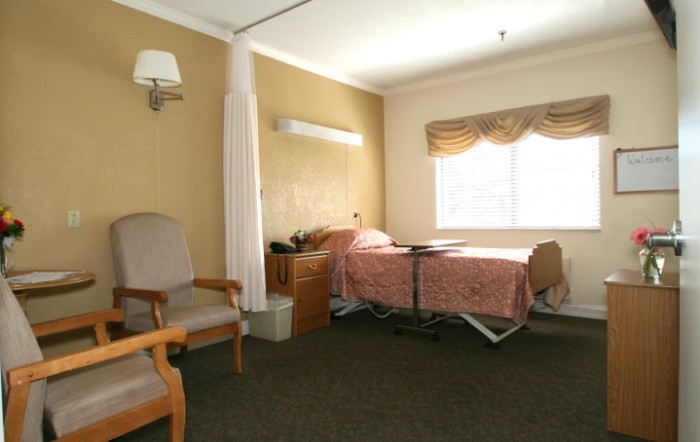
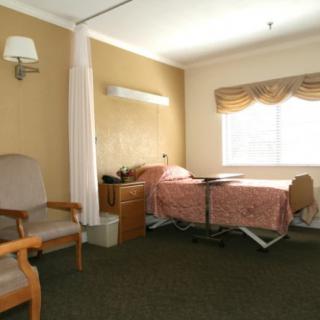
Environment and rehab-focused amenities offer another practical layer to decision-making. The rehab unit is described as brand-new and notably clean, with efforts to reduce the institutional feel, including themed rooms and a welcoming courtyard. These features can make daily life more pleasant and can support recovery by reducing stress and encouraging engagement with therapy. However, several reviews point to less favorable experiences in non-rehab nursing areas, where cleanliness and general upkeep can vary, and where rooms are sometimes overcrowded or poorly coordinated with discharge planning. The overall environment thus matters: the rehab core may be strong, but consistency across the campus is inconsistent.
Financial considerations also shape the decision. Medicaid acceptance is noted as a positive development, expanding access for many families who rely on public funding. This can make short-term rehab more attainable financially, but it does not automatically resolve staffing or communication challenges. Prospective residents should confirm current coverage details, any co-pays tied to therapy intensity, and how admissions and discharges are managed within the broader facility. Considering cost alongside quality of care will help families determine whether the rehab goals can be met without compromising safety or satisfaction.
In sum, this community is a solid pick for families seeking efficient, goal-oriented short-term rehabilitation in a clean, therapy-forward setting, provided that staffing pressures and communication gaps are understood and accepted as risks. For those who cannot tolerate delayed responses, inconsistent daily care, or subpar dining experiences, alternative facilities with stronger staffing models and more consistent family communication should be pursued. Prior to admission, insist on a transparent tour focused on nurse-to-patient ratios, current call-bell response times, and recent cleanliness standards across all units. Ask to speak with the rehab director about therapy schedules and progress benchmarks, and verify current Medicaid procedures. If these checks align with expectations, Champaign Urbana can deliver meaningful recovery; if not, a more consistently staffed environment may be the prudent choice.
 213 resident community capacity
 Skilled Nursing Facility
 Air-conditioning
 Beauty salon
 Cable or satellite TV
 Computer center
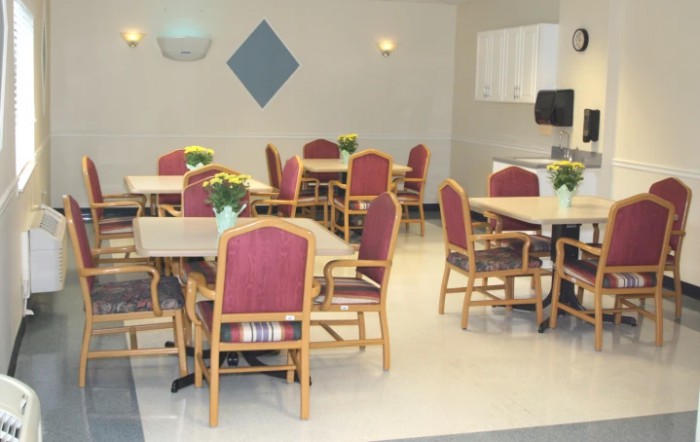
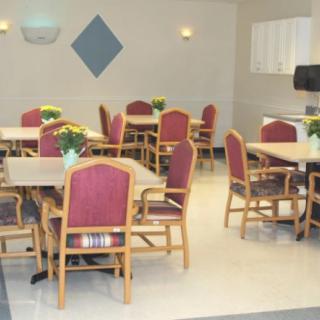
 Dining room
 Fitness room
 Fully furnished
 Gaming room
 Garden
 Housekeeping services
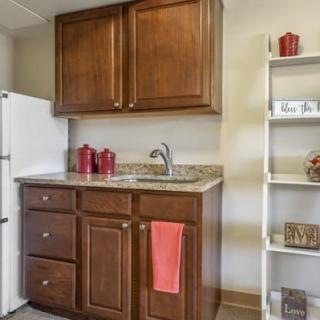
 Kitchenette
 Move-in coordination
 Outdoor space
 Private bathrooms
 Restaurant-style dining
 Small library
 Telephone
 Wellness center
 Wi-Fi/high-speed internet available
 University of Illinois-Willard (3 miles away)
 Community operated transportation
 12-16 hour nursing
 24-hour call system
 Activities of daily living assistance
 Assistance with bathing
 Assistance with dressing
 Assistance with transfers
 Diabetes diet
 Medication management
 Mental wellness program
 Special dietary restrictions
 Concierge services
 Planned day trips




 Supportive Employee Benefits That Help Caregivers Attain Better Work-Life Harmony
 Top Cars for Senior Drivers and Essential Safety Innovations
 A Closer Look at Private Pay Home Care