Autumn Leaves of Savoy

Save

  • Interior

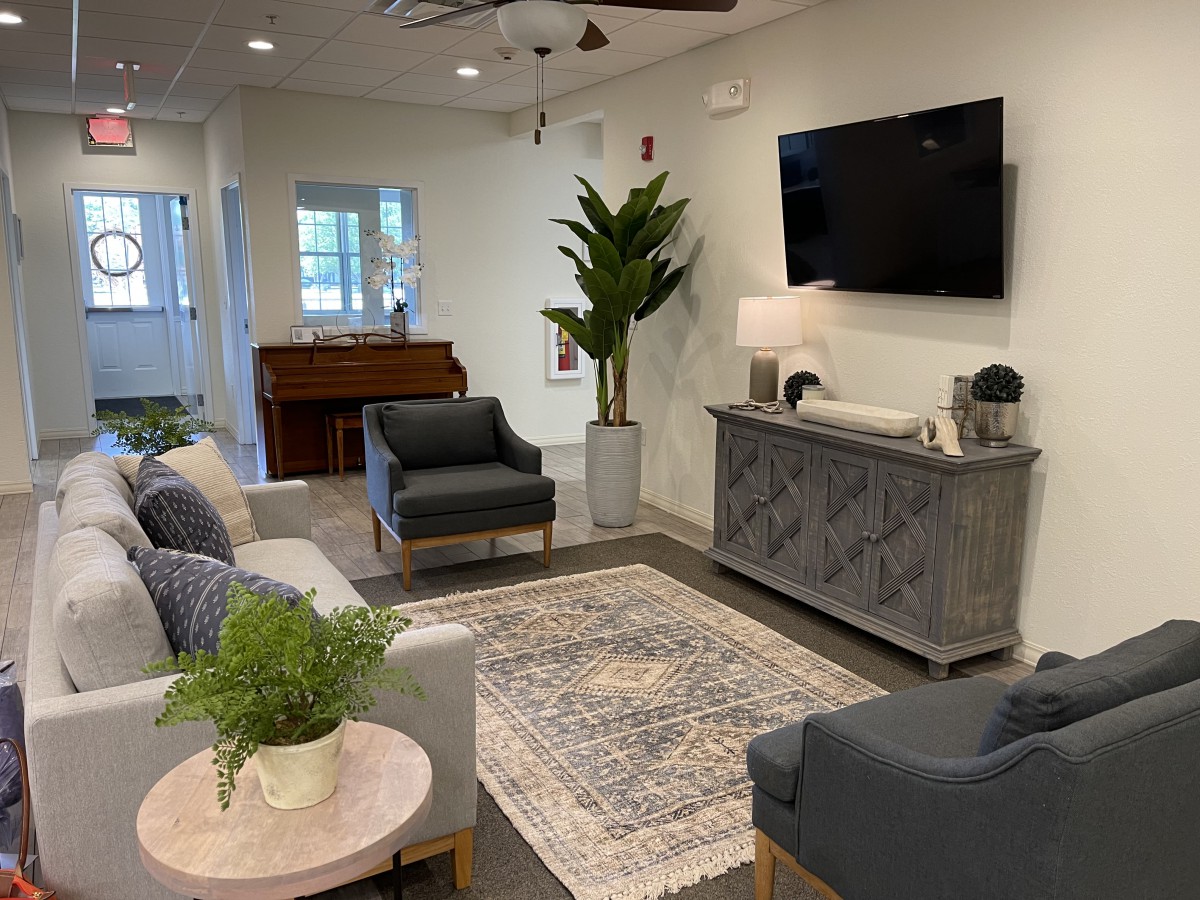
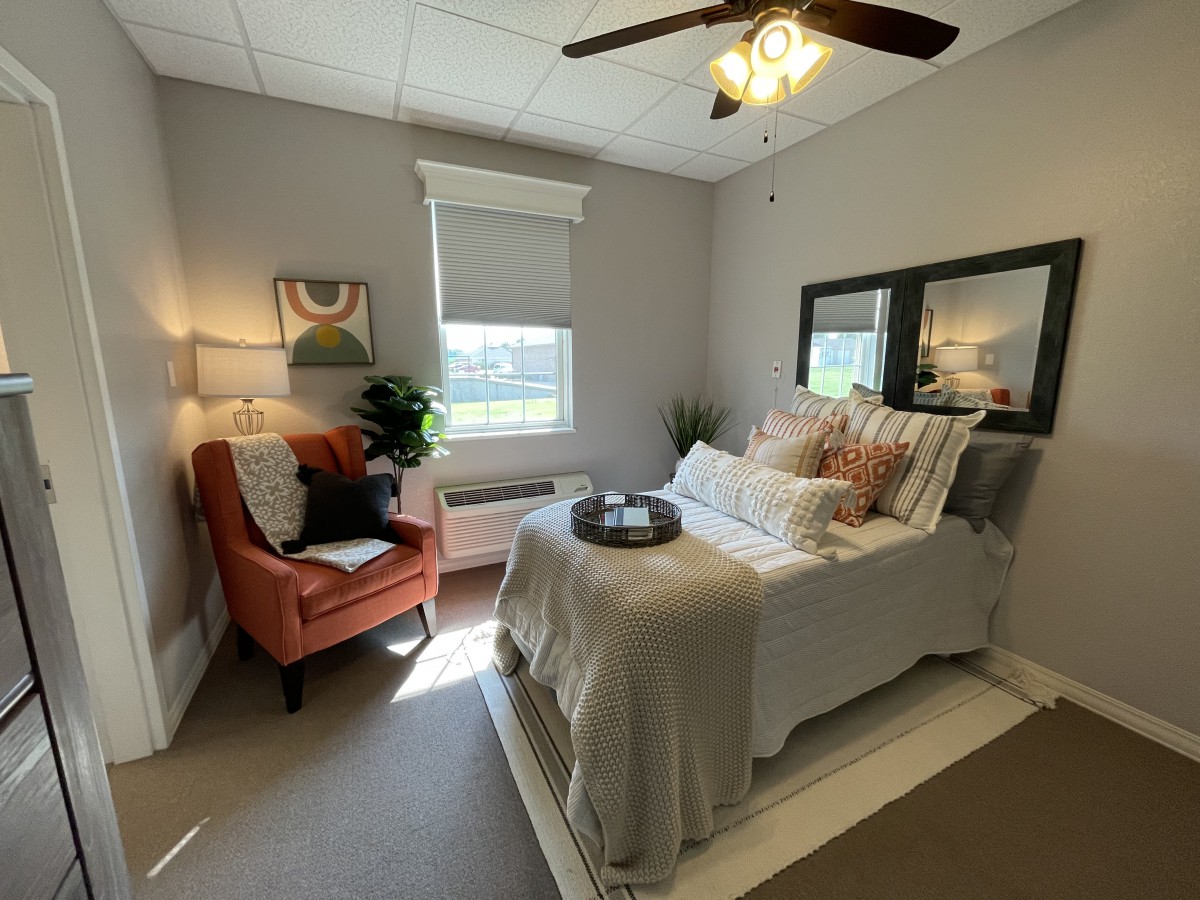
    A stylish living room featuring modern furniture, a large television, decorative plants, and a patterned rug.
  • Decor

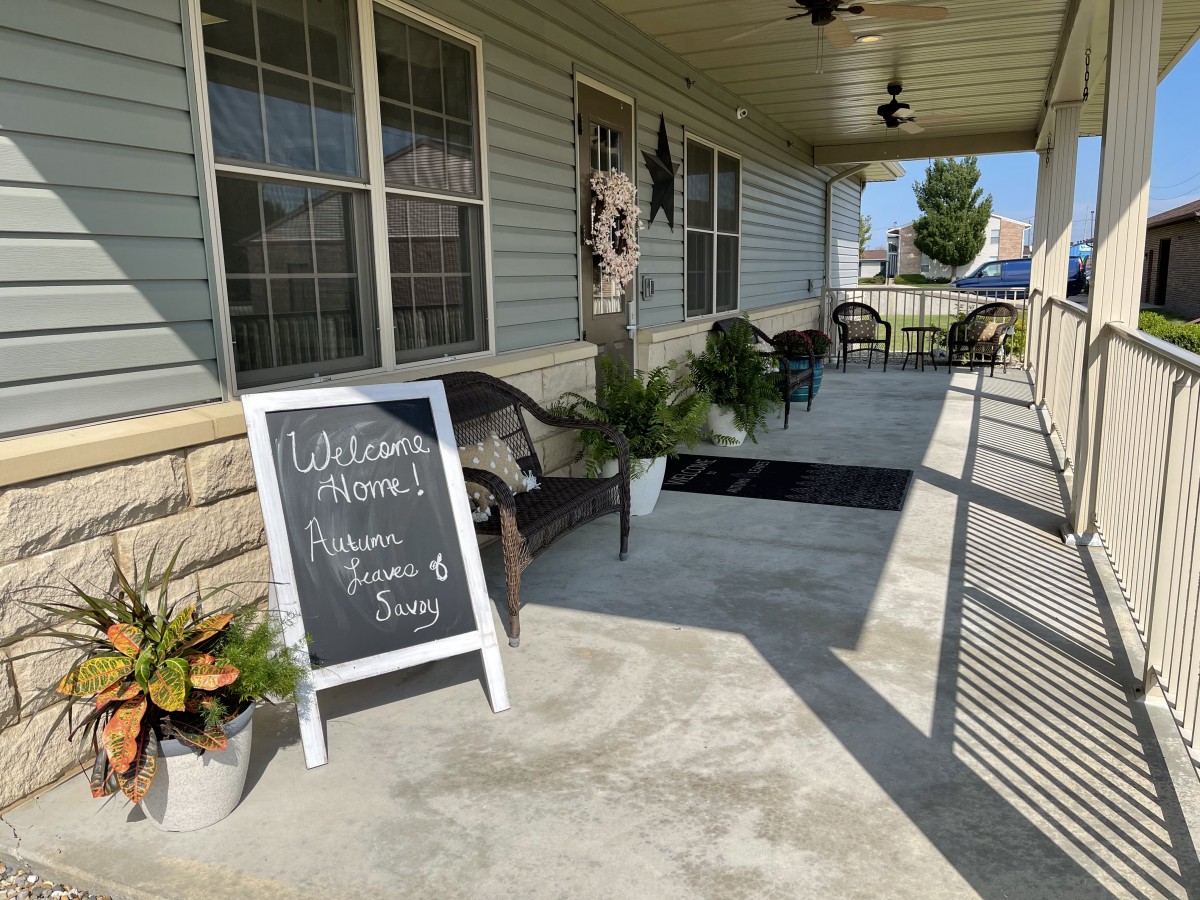
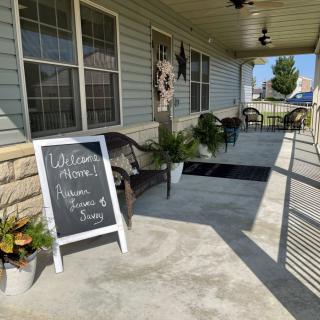
    A welcoming porch with a chalkboard sign and cozy seating area.
  • Living Room

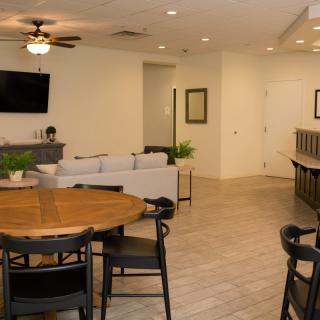
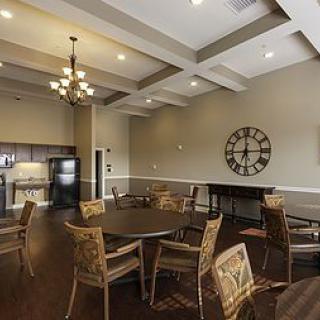
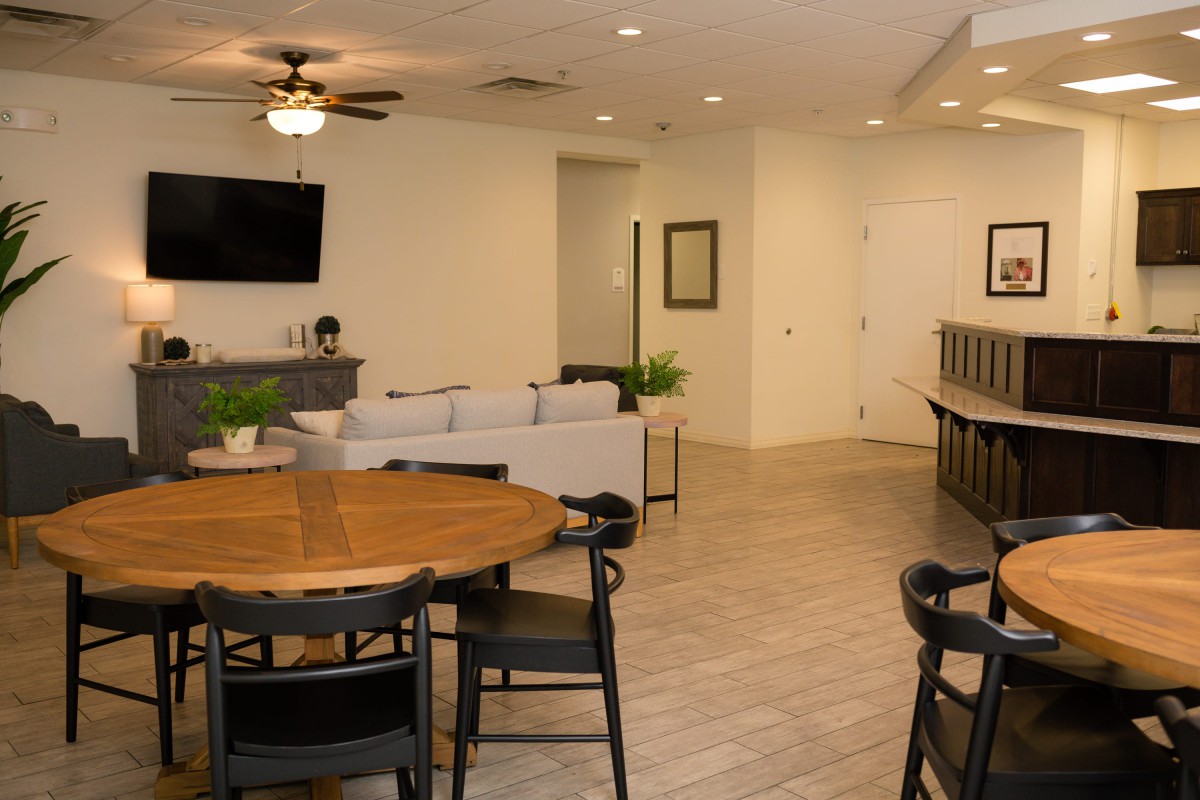
    A modern living and dining area featuring comfortable seating, a television, and a ceiling fan in an open-plan layout.
  • Architecture

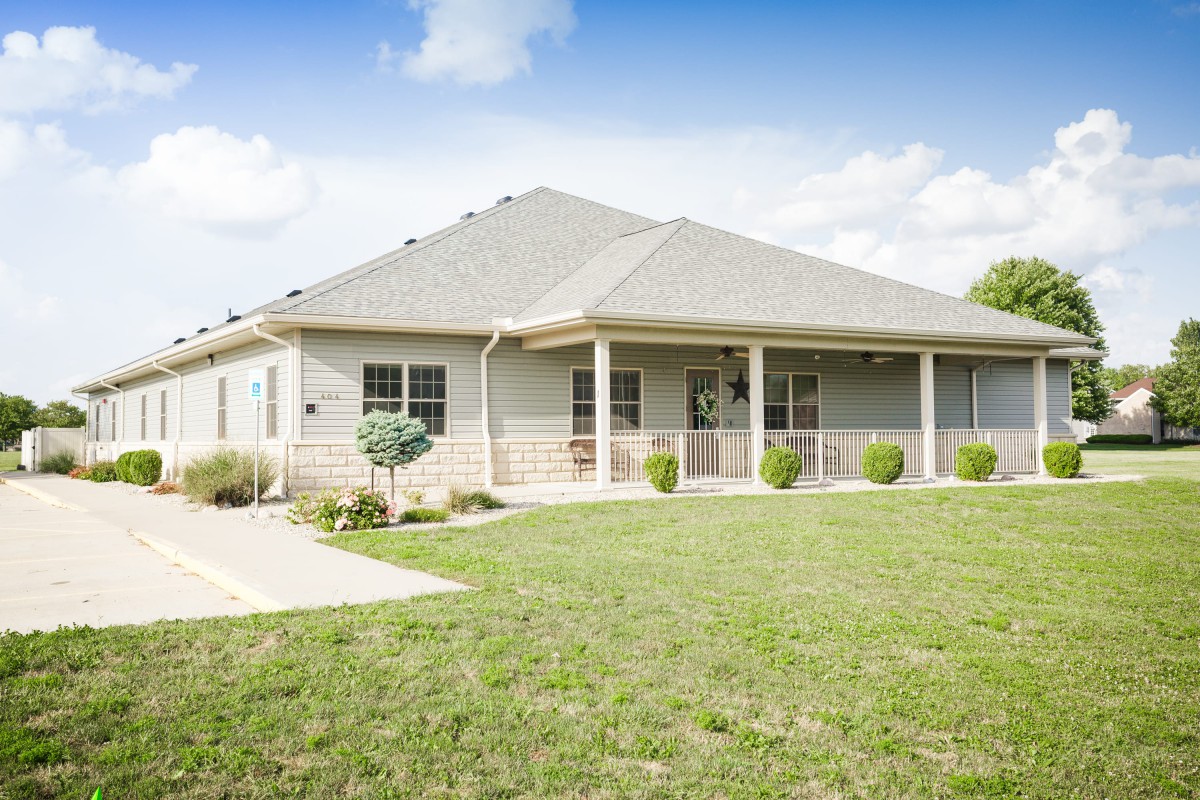
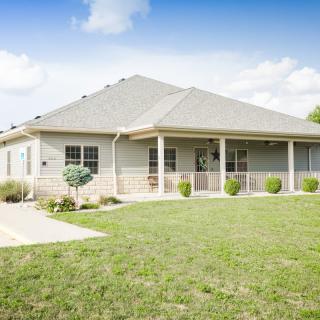
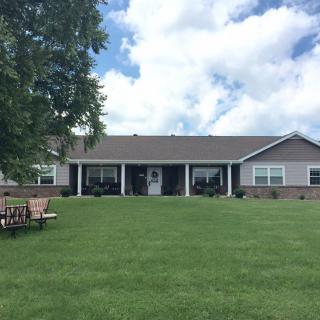
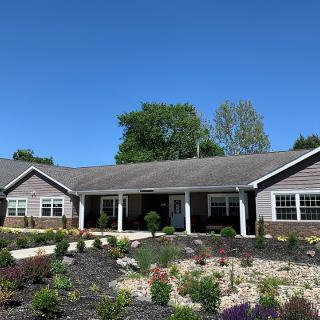
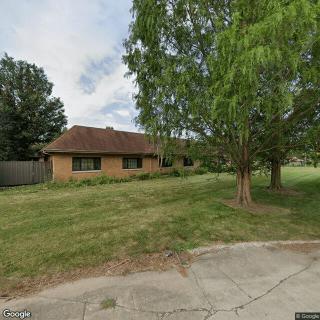
    A suburban house with a well-maintained lawn and a spacious porch.
  • Landscaping

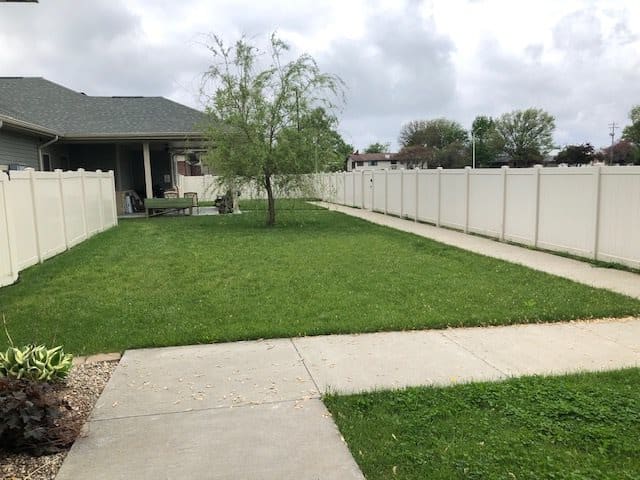
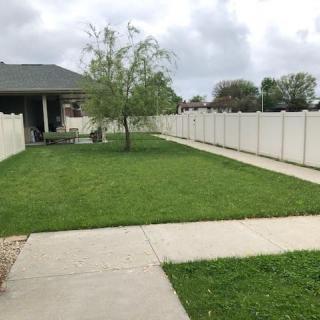
    A backyard with a grass lawn, tree, and surrounding fence next to a house under a cloudy sky.
  • Kitchen

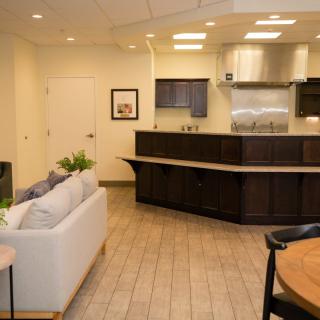
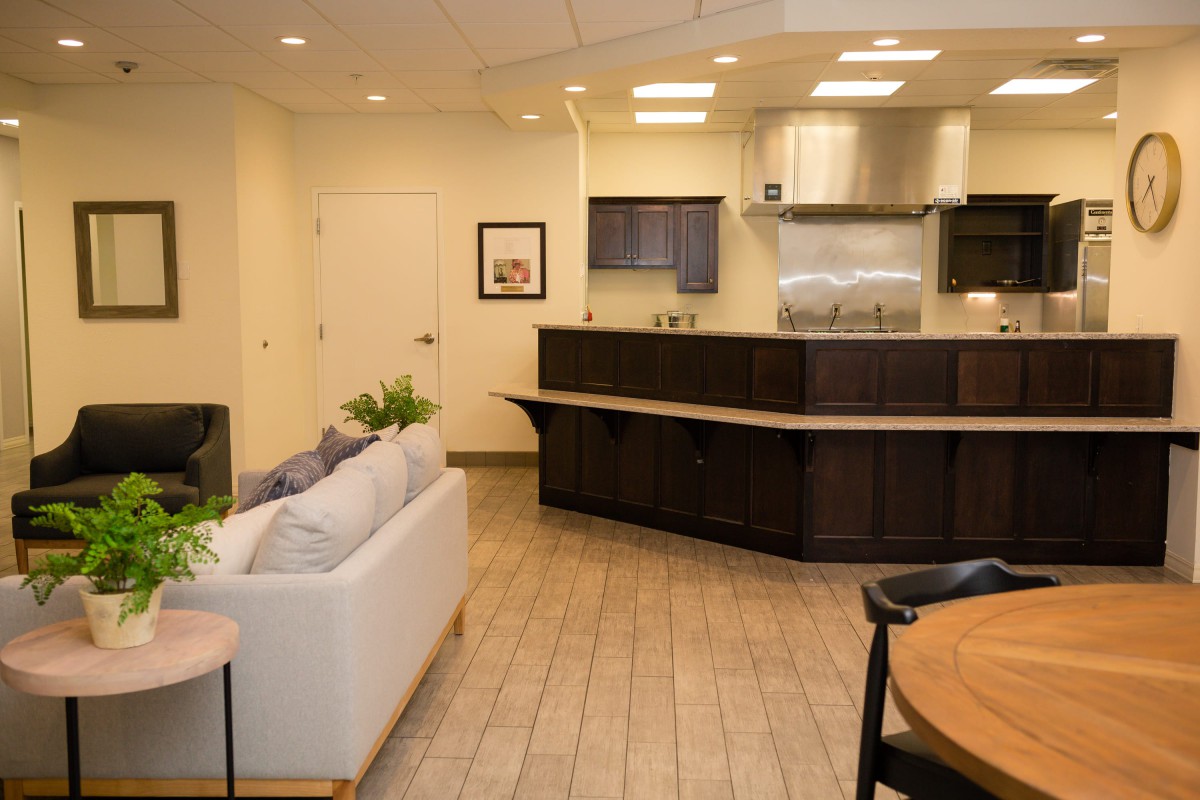
    A modern open-plan kitchen and living area featuring sleek cabinetry and comfortable seating.
  • Artwork

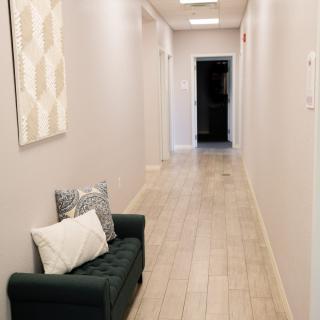
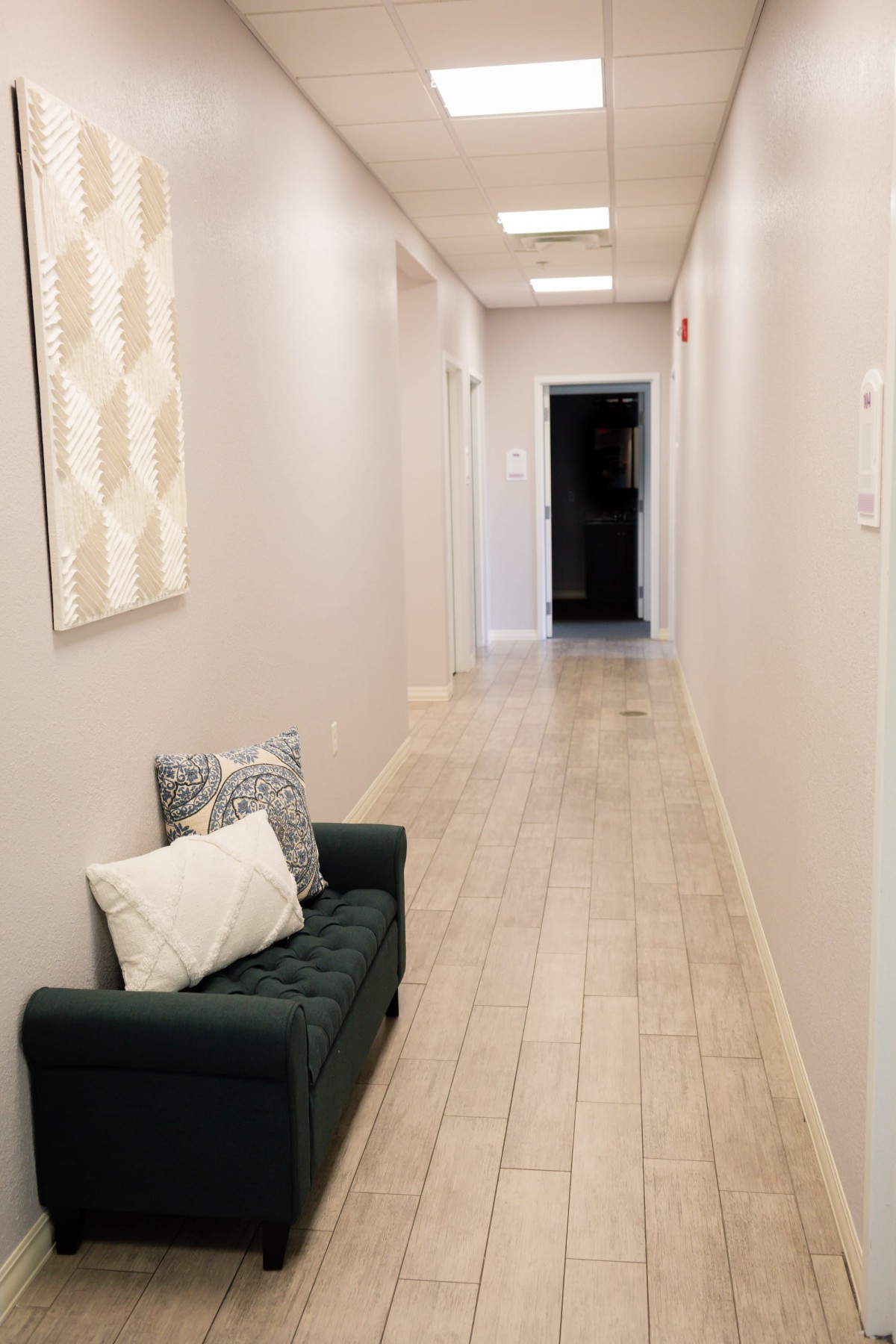
    A modern hallway featuring a small sofa with pillows and artwork on the wall.
  • Floor Plan

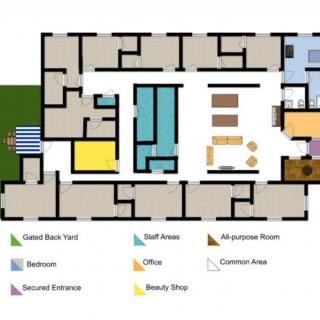
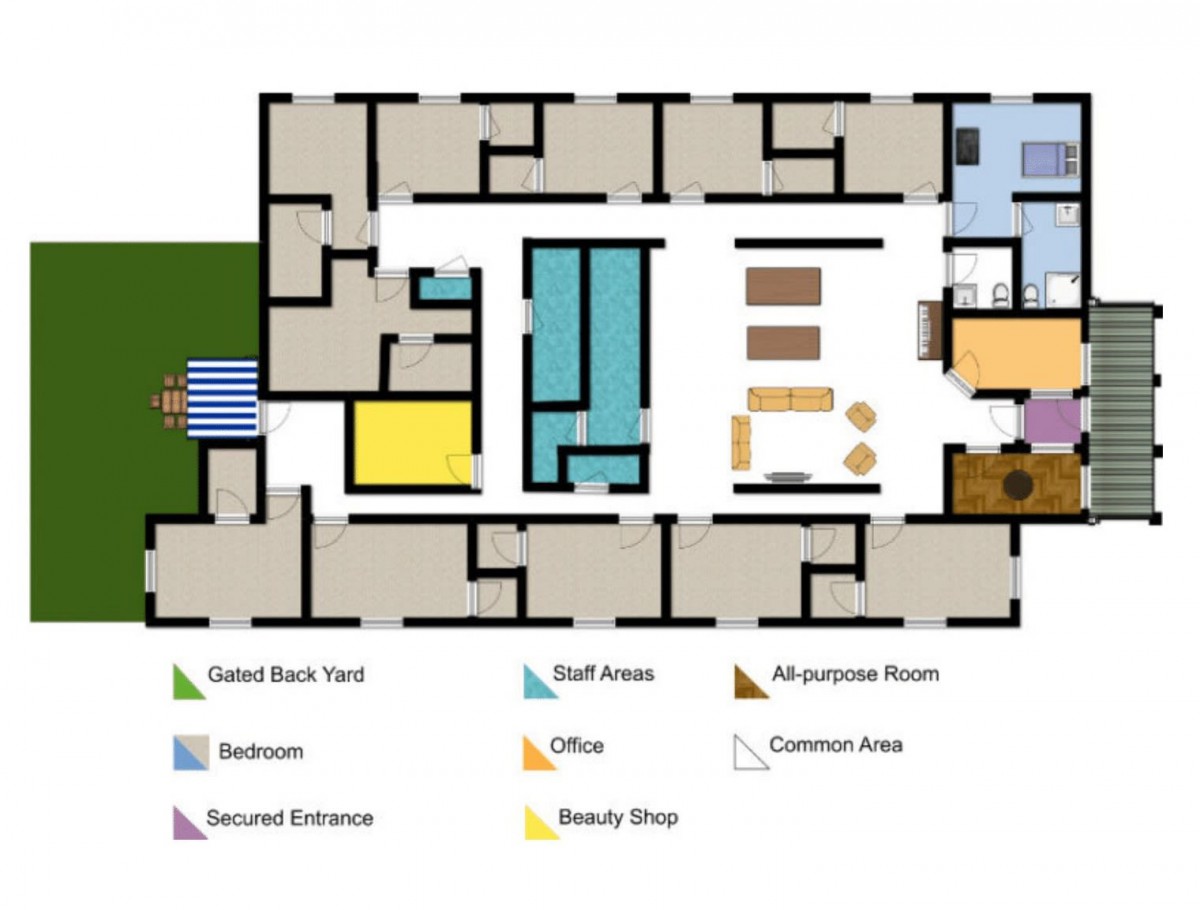
    An architectural floor plan showing the layout of various rooms including bedrooms, office space, and common areas.
  • Bathroom

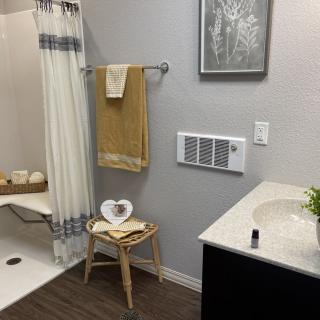
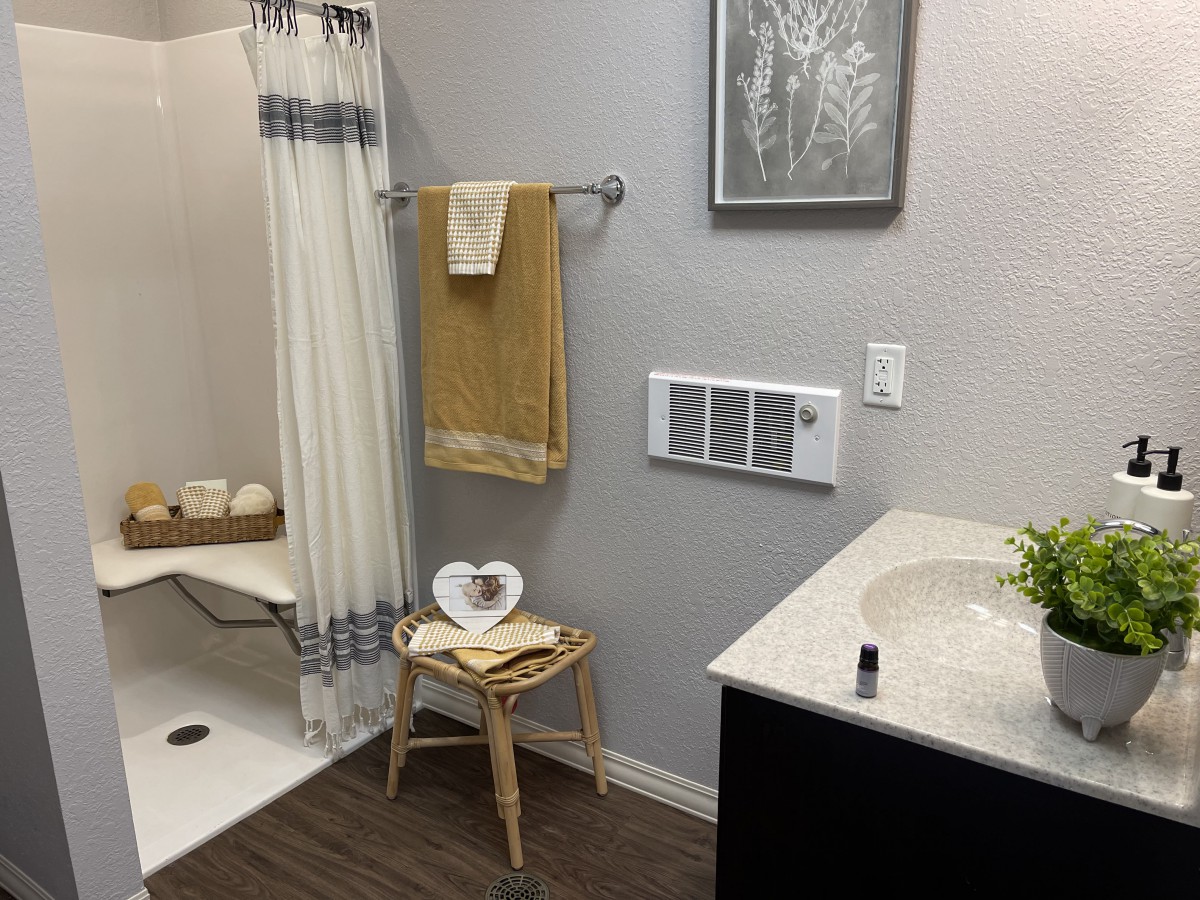
    A neatly organized bathroom featuring a sink, shower, and decorative elements like towels and a stool.
  • Piano

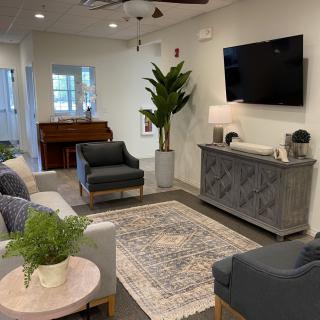
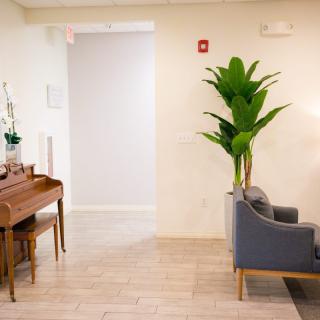
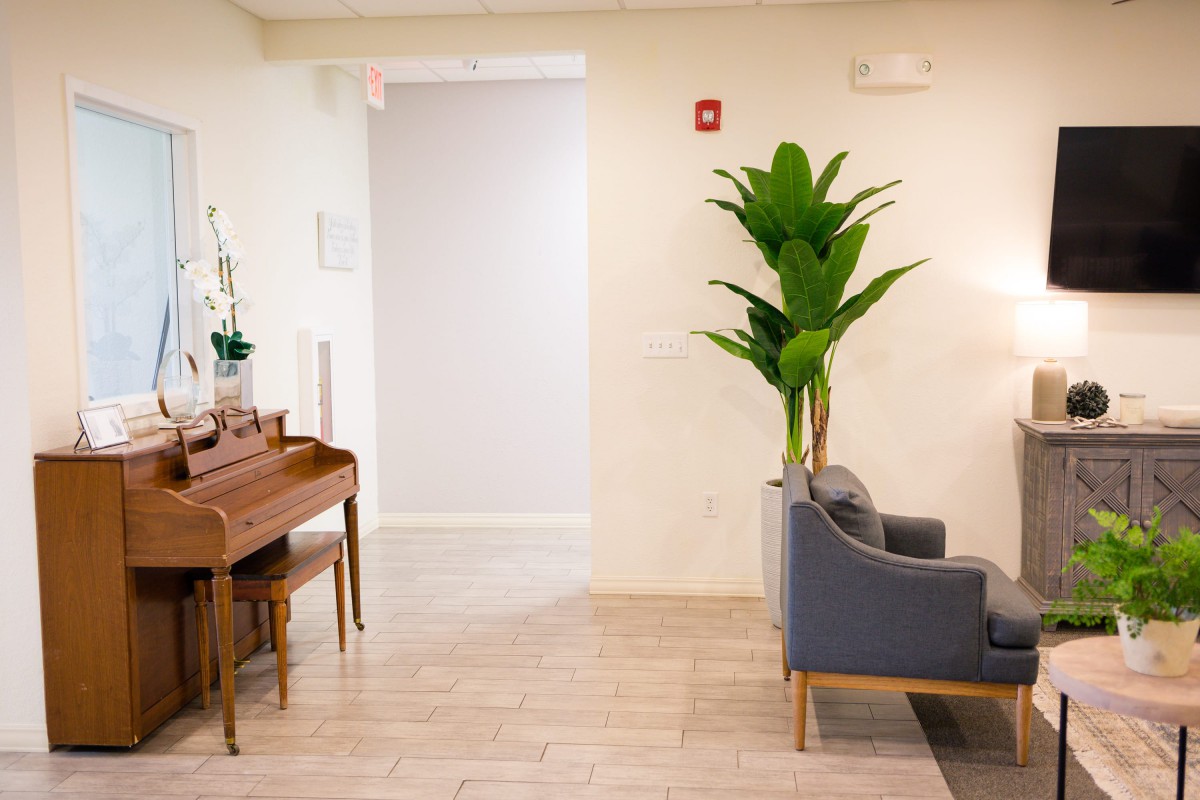
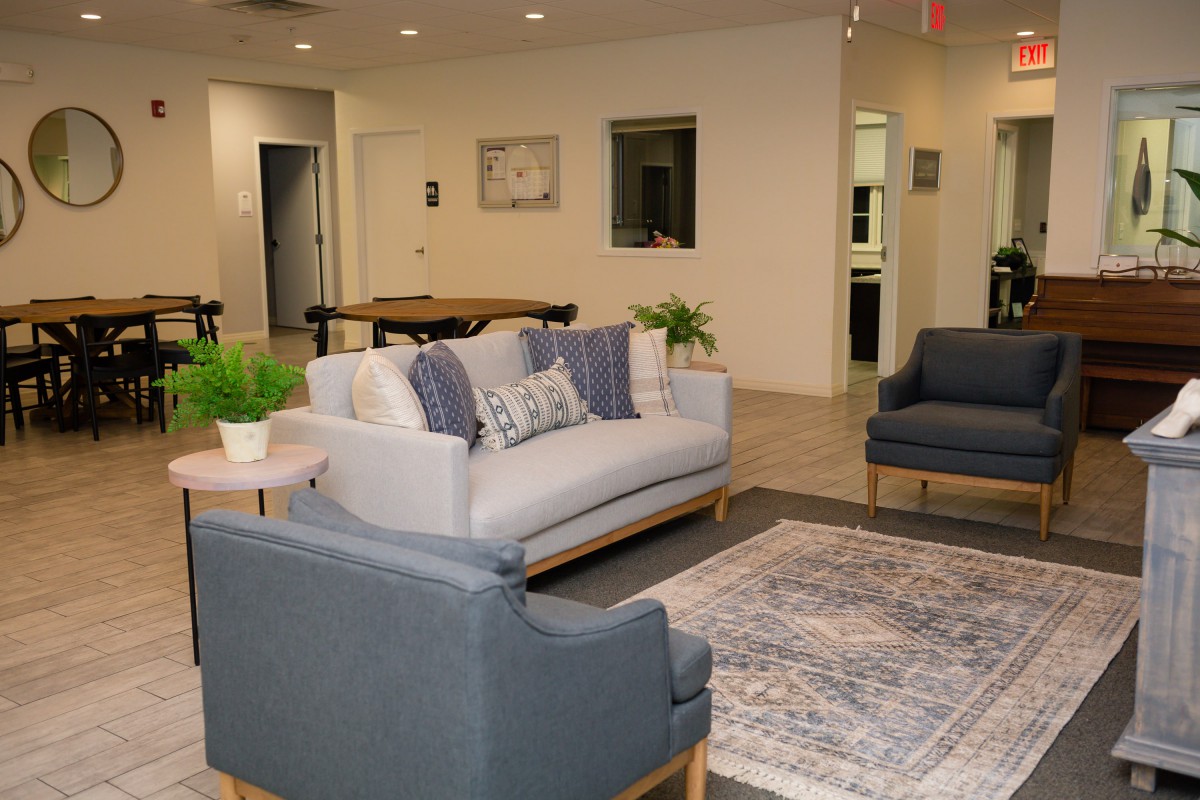
    A minimalist waiting room with a piano, plant, and a gray sofa.
  • Shower

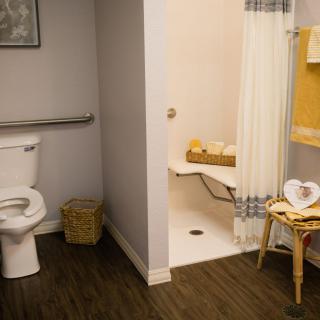
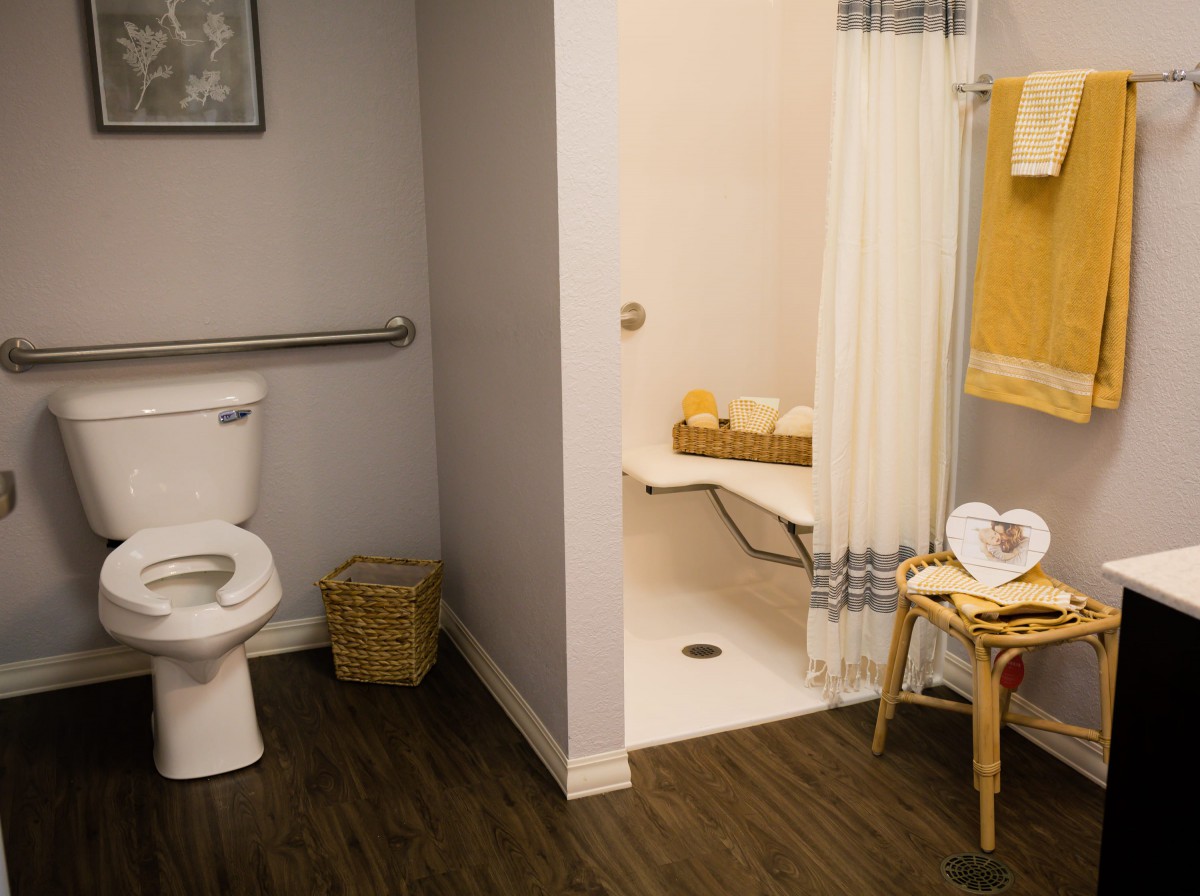
    A modern bathroom featuring a toilet, shower area with a seat, and neatly arranged towels.

Autumn Leaves of Savoy

Information last verified:

404 W Curtis, Savoy, IL 61874

For more information about senior living options: (844) 490-3973

4.8 from 34 reviews
5 stars
32
4 stars
0
3 stars
0
2 stars
1
1 stars
1

Autumn Leaves of Savoy Costs & Pricing

Autumn Leaves of Savoy offers a range of room types at competitive prices compared to local and state averages. For semi-private rooms, the monthly cost is $5,300, which exceeds both Champaign County's average of $4,664 and Illinois' statewide average of $5,146. Studio accommodations are priced at $6,650, significantly higher than the county's average of $4,091 and the state's $4,028. Similarly, for one-bedroom units also priced at $6,650, Autumn Leaves positions itself above Champaign County's average of $3,947 and Illinois' lower figure of $3,527. While the costs may be elevated relative to regional standards, they reflect the facility's commitment to providing high-quality care and an enriching environment for its residents.

Floor plansAutumn Leaves of SavoyChampaign CountyIllinois
Semi-Private$5,300$4,664$5,146
Studio$6,650$4,091$4,028
1 Bedroom$6,650$3,947$3,527

Overall Review of Autumn Leaves of Savoy

Pros

  • pro Residents thrive under the care they receive at Savoy Place.
  • pro She is happy, healthy, and clean.
  • pro The staff are exceptional—friendly and attentive.
  • pro The floor plan is considerate of memory-care needs and easy to navigate.
  • pro The food is fresh and homemade.
  • pro The staff manage nearly everything, easing family responsibilities.
  • pro The director and care team provide professional, compassionate care, especially during difficult times.
  • pro Families feel residents are treated with respect, dignity, and loving kindness.

Cons

  • pro The place was not a five-star experience.
  • pro The prior facility imposed constant family involvement with a long list of demands and a high monthly cost.
  • pro One reviewer labeled Autumn Leaves a bad business after a respite care incident where a resident wandered away, staff couldn’t locate her promptly, and the ambulance bill wasn’t paid.
  • pro Autumn Leaves reportedly had administration difficulties and changes, staff inconsistencies, food/chef inadequacy, and a lack of promised programs.
  • pro Some staff were perceived as lacking understanding of dementia and related issues.

Review

Autumn Leaves of Savoy is best suited for families seeking memory-care focused living with a warm, home-like atmosphere where daily care is provided by an embedded, attentive team. The community’s footprint and operations are built around dementia-care needs: resident rooms ring the perimeter with a central commons area, creating straightforward navigation for memory-impaired residents, while the small-house feel supports intimate, familiar routines. Residents benefit from fresh, homemade meals, personal styling moments, and caregivers who treat each person like family. This is not a high-traffic, antiseptic campus; it is a place where staff repeatedly step in to smooth routines, celebrate small wins, and preserve dignity. For couples navigating memory decline together, Autumn Leaves offers practical pathways to keep them side by side, rather than separating their care needs, which is a meaningful and hard-to-find advantage in this sector.

Families considering alternatives should note that Autumn Leaves may not be the right fit for those who require a more clinical discipline, more aggressive medical oversight, or a campus with rigid, institution-like programming. Several reviews point to administration changes and some staff inconsistencies, and one caregiver report highlights a safety lapse during a respite stay that resulted in emergency transportation. These signals matter because they can affect continuity of care and day-to-day responsiveness. For families with a heavy emphasis on structured physician-led protocols, or for those prioritizing a transparent, fully stable administrative chain from top to bottom, a different operator with longer-established leadership might be preferable. In short, Autumn Leaves is exceptional where warmth, memory-specific know-how, and family-like engagement are the priority; it may be less compelling where steadiness of management is the sole deciding factor.

The strongest pros of Autumn Leaves offset many of the typical memory-care anxieties. The design, perimeter rooms feeding into a central hub, supports orientation and easy navigation, which reduces confusion for residents with dementia. The staff culture stands out: caregivers, nurses, and even chefs are repeatedly praised for kindness, patience, and attentiveness, with families noting tangible acts of respect and dignity, things as simple as hair styling, dress routines, and color-coordinated meals, that meaningfully improve daily quality of life. A notable advantage is the absence of surprise upcharges for additional care; the facility’s team works to provide the needed assistance without layering on hidden costs, a crucial consideration for families already navigating tight budgets. The director and leadership are described as deeply engaged during critical moments, offering guidance, presence, and compassionate coordination when tough decisions arise, including end-of-life care. When love and competence align, the care experience feels both professional and wholeheartedly human.

Where the cons show up, the impact can be softened by the community’s strengths, but it requires proactive family involvement. Administration shifts and some staff turnover can create short-term inconsistency, particularly around programming and routine communications. Food quality is cited variably in a few reviews, with some residents and families raving about home-cooked meals and others suggesting opportunities for more robust memory-stimulating activities. Most telling is the noted safety incident during a respite stay, which underscores the need for vigilant supervision and clear safety protocols, even in environments that otherwise feel intimate and secure. Taken together, these drawbacks are not fatal flaws but red flags that demand diligence: request a detailed care plan, ask for assigned caregivers to minimize rotation, and verify the current administrative leadership’s track record before committing.

In practical terms, families who move forward should treat Autumn Leaves as a strong option for memory care where the day-to-day living experience matters most. Before deciding, request a candid discussion with the executive director to map out care pathways, medication management, and how behavioral changes will be accommodated without friction or surprise charges. Insist on meeting directly with the caregiving teams, and ask for examples of how personal preferences, such as preferred routines, particular meals, or specific activities, are woven into daily schedules. Evaluate the facility’s physical spaces during a quiet time and observe how staff interactions unfold, tone, patience, and responsiveness say more than glossy marketing. For couples or families seeking to keep loved ones together, confirm the facility’s policies and physical accommodations to sustain that arrangement as needs evolve, and verify what “levels of care” look like in practice, including any limitations or thresholds.

Overall, Autumn Leaves of Savoy earns a strong, decisive recommendation for families prioritizing memory-care expertise delivered in a humane, homelike setting. It delivers meaningful benefits: a navigable layout that supports orientation, genuine caregiver warmth, high-quality meals, and leadership that remains closely involved through the hardest moments. The facility’s ability to absorb extra assistance without charging punitive add-ons is a meaningful value proposition for families balancing care quality with cost. Yet potential buyers should go into the process with eyes open: leadership changes, uneven program depth, and the single documented safety misstep signal the importance of ongoing oversight and clear, written care plans. When those conditions are addressed up front, Autumn Leaves of Savoy stands out as a trusted partner for families seeking compassionate, person-centered memory care where the resident’s dignity and daily life are the guiding priorities.

Features

Housing

  • Studio apartments Studio apartmentsStudio apartments are important for seniors because they offer a smaller, more manageable living space that is easier to navigate and maintain as physical abilities decline. Additionally, studio apartments provide seniors with independence and privacy while still being part of a community that offers support and social opportunities.

Types of Care

  • Assisted Living Assisted LivingAssisted living facilities provide crucial support and care for seniors who may need help with daily tasks such as medication management, bathing, and meal preparation. These communities offer a safe and comfortable environment where seniors can maintain their independence while receiving the assistance they need to thrive in their golden years.
  • Memory Care Memory CareMemory care is crucial for seniors as it provides specialized support and services for individuals with dementia or Alzheimer's disease. These programs offer a safe and secure environment where residents receive personalized care, cognitive stimulation, and help with daily activities. Memory care helps seniors maintain their independence, quality of life, and dignity while also providing peace of mind for their families.

Amenities

  • Activities on-site Activities on-siteActivities on-site are important for seniors because they provide opportunities for socialization, mental stimulation, physical activity, and overall well-being. Engaging in activities can help seniors stay active, maintain their independence, and improve their quality of life.
  • Air-conditioning Air-conditioningAir conditioning is important for seniors as they are more vulnerable to heat-related illnesses and may have underlying health conditions that make it difficult for them to regulate their body temperature. It helps to keep them comfortable, safe, and healthy in hot weather.
  • Beautician on-site Beautician on-siteHaving a beautician on-site at a senior living community is important for seniors as it allows them to easily access grooming and personal care services, boosting their self-esteem and overall well-being. It also provides convenience and helps seniors maintain their sense of independence and personal style.
  • Cable or satellite TV Cable or satellite TVCable or satellite TV is important for seniors because it provides entertainment, news, and companionship, helping to combat loneliness and boredom. It also offers a wide range of programming options tailored to different interests and preferences.
  • Dining room Dining roomDining rooms are important for seniors as they provide a space for socialization, connection, and nutritious meals. They offer opportunities for residents to bond over shared meals, foster a sense of community, and promote healthy eating habits. Dining rooms also ensure that seniors have access to well-balanced meals tailored to their dietary needs and preferences.
  • Garden GardenGardens are important for seniors as they provide a peaceful and therapeutic environment for relaxation, physical activity, and socialization. Being in nature has been shown to reduce stress, improve mood, and promote overall well-being. Gardens also offer opportunities for seniors to engage in gardening activities, which can improve mobility, flexibility, and cognitive function. Additionally, gardens create a sense of community and connection with others who share a passion for plants and outdoor spaces.
  • Ground floor units Ground floor unitsGround floor units are important for seniors because they provide easy accessibility, reduced risk of falls and injuries, and convenience for those with mobility issues. Seniors can avoid climbing stairs or using elevators, making daily tasks and activities more manageable and enjoyable.
  • Handicap accessible Handicap accessible"Handicap accessible" amenities are crucial for seniors to ensure they can easily navigate and access facilities, services, and activities without barriers or limitations due to physical impairments. This promotes independence, safety, and inclusivity for seniors in senior living communities.
  • Housekeeping services Housekeeping servicesHousekeeping services are important for seniors because they help maintain a clean and safe living environment, promote independence, and reduce the risk of accidents or illnesses. Additionally, having assistance with household chores can alleviate physical strain and allow seniors to focus on other aspects of their well-being.
  • Indoor common areas Indoor common areasIndoor common areas are crucial for seniors as they provide a space for socialization, recreation, and community engagement, promoting overall well-being and reducing feelings of isolation and loneliness.
  • Outdoor common areas Outdoor common areasOutdoor common areas are important for seniors as they provide a space for socialization, physical activity, and relaxation. Being outside in nature can improve mood and overall well-being, while also encouraging movement and engagement with others. These spaces can help combat feelings of isolation and promote a sense of community among residents.
  • Private bathrooms Private bathroomsPrivate bathrooms are important for seniors in senior living communities because they provide independence, dignity, and comfort. Having a private bathroom allows seniors to maintain their personal hygiene routines without the need for assistance, promoting a sense of autonomy and privacy. Additionally, private bathrooms help prevent the spread of infections and provide a safe and clean environment for seniors to navigate safely.
  • Respite or short term stays offered Respite or short term stays offeredRespite or short term stays provide seniors with a temporary solution when their regular caregiver is unavailable, offering them the opportunity to receive additional care and support during times of need, while also giving caregivers a chance to rest and recharge.
  • TV room TV roomTV rooms are important for seniors in senior living communities because they provide a space for social interaction, entertainment, and relaxation. Watching TV can help reduce feelings of loneliness and boredom, and create a sense of community among residents. Additionally, TV rooms offer a break from daily routines and can be a source of comfort and familiarity for seniors.
  • Wheelchair accessible showers Wheelchair accessible showersWheelchair accessible showers are crucial for seniors as they provide a safe and independent bathing option for those with mobility challenges. These showers help prevent falls and allow seniors to maintain their dignity and autonomy while ensuring they can bathe comfortably.
  • Wi-Fi/high-speed internet available Wi-Fi/high-speed internet availableWi-Fi/high-speed internet is important for seniors to stay connected with loved ones, access online resources, and participate in virtual activities to combat feelings of loneliness and isolation. It also allows them to easily manage healthcare needs, access entertainment, and engage in lifelong learning opportunities.

Transportation

  • University of Illinois-Willard (2 miles away) University of Illinois-Willard (2 miles away)

Care Services

  • Diabetic care Diabetic careDiabetic care is crucial for seniors as they are more susceptible to developing diabetes due to aging and other health conditions. Proper management of diabetes can help prevent complications such as heart disease, vision loss, and nerve damage, improving the overall quality of life for seniors in senior living communities.
  • High acuity care High acuity careHigh acuity care is important for seniors because it provides specialized medical attention and support for individuals with complex medical needs. This level of care ensures that seniors receive the appropriate treatment and assistance to maintain their health and quality of life as they age.
  • Incontinence care Incontinence careIncontinence care is essential for seniors to maintain their dignity, hygiene, and overall quality of life. By addressing incontinence issues promptly and effectively, seniors can enjoy a sense of independence and comfort in their daily activities.
  • Medication management Medication managementMedication management is crucial for seniors to ensure they are taking the right medications at the correct dosages and times. This helps prevent adverse drug interactions, reduces the risk of medication errors, and promotes overall health and well-being. Proactive management also allows for adjustments as needed based on changing health conditions or new prescriptions.

Dining

  • Gluten-free Gluten-freeGluten-free options are important for seniors as they are more prone to digestive issues and dietary sensitivities. Offering gluten-free meal choices in senior living communities can help improve their overall health and well-being.
  • Guest meals Guest mealsGuest meals are important for seniors living in senior living communities because they provide an opportunity for socialization and companionship. Sharing a meal with friends, family, or new acquaintances can help combat feelings of loneliness and isolation, promote a sense of community, and enhance overall well-being. Additionally, guest meals allow seniors to enjoy delicious food in a comfortable setting without the hassle of cooking or cleaning up, making dining a pleasurable and stress-free experience.
  • Low / no sodium Low / no sodiumLow/no sodium options are important for seniors because excessive sodium intake can lead to high blood pressure, heart disease, and other health issues commonly experienced by older adults. By choosing low/no sodium foods, seniors can better manage their health and reduce their risk of developing these conditions.
  • Meals provided Meals provided"Meals provided" are crucial for seniors in assisted living communities as it ensures they have access to nutritious, balanced meals without the stress of meal planning and preparation. This can help promote overall health and well-being for seniors who may have limited mobility or cognitive abilities.
  • No Sugar No SugarNo sugar diets are important for seniors because they can help prevent or manage chronic conditions such as diabetes, heart disease, and obesity. Sugar can also contribute to cognitive decline and inflammation in the body, so reducing sugar intake can lead to overall improved health and well-being in older adults.
  • Professional chef Professional chefProfessional chefs are important for seniors living in senior living communities because they provide nutritious and delicious meals that cater to their dietary needs and preferences. A professional chef can ensure that seniors are receiving balanced, flavorful meals that support their overall health and well-being.
  • Restaurant style dining Restaurant style diningRestaurant style dining is important for seniors as it offers them a social and enjoyable dining experience, promotes healthy eating habits, and provides personalized menu options to cater to their dietary needs and preferences. This type of dining setting can enhance their overall quality of life and create a sense of community within the senior living facility.
  • Special dining programs Special dining programsSpecial dining programs are important for seniors because they provide nutritious meals tailored to their dietary needs and preferences. These programs also offer socialization opportunities, promote overall health and well-being, and can help prevent malnutrition.
  • Vegan VeganVegan diets can provide numerous health benefits for seniors, including lower risk of chronic diseases, improved digestion, and increased energy levels. Additionally, plant-based diets are often rich in essential nutrients that can support overall well-being and longevity in older adults.

Activities

  • Activities off-site Activities off-siteActivities off-site are crucial for seniors as they provide opportunities for socialization, mental stimulation, and physical activity outside of their usual routine. This helps combat feelings of isolation and boredom, promotes overall well-being, and allows seniors to remain engaged in the community.
  • Activities on-site Activities on-siteActivities on-site are important for seniors because they provide opportunities for socialization, mental stimulation, physical activity, and overall well-being. Engaging in activities can help seniors stay active, maintain their independence, and improve their quality of life.
  • Art classes Art classesArt classes are important for seniors because they provide a creative outlet, improve cognitive function, reduce stress and anxiety, promote socialization, and enhance overall well-being and quality of life.
  • Bible study group Bible study groupBible study groups provide seniors with a sense of community, spiritual growth, and support during their later years. It helps them stay connected to their faith, find comfort in difficult times, and build meaningful relationships with others.
  • Brain fitness Brain fitnessBrain fitness is important for seniors as it helps to maintain cognitive function, memory, and overall mental well-being. Engaging in activities that challenge the brain can help prevent cognitive decline and promote a healthier, more fulfilling quality of life in older adults.
  • Catholic services Catholic servicesCatholic services are important for seniors because they provide spiritual support, a sense of community, and opportunities for social interaction that can enhance overall well-being and quality of life in their later years.
  • Day trips and outings Day trips and outingsDay trips and outings are important for seniors as they provide opportunities for socialization, mental stimulation, physical activity, and a break from daily routines. These experiences can enhance overall well-being and quality of life for older adults living in senior communities.
  • Light therapy programs Light therapy programsLight therapy programs are important for seniors because they can help improve mood, regulate sleep patterns, and reduce symptoms of depression and anxiety. Exposure to natural light can also have positive effects on cognitive function and overall well-being in older adults.
  • Live musical performances Live musical performancesLive musical performances can provide seniors with a sense of joy, nostalgia, and connection. Music has the power to evoke emotions and memories, improve mood and cognitive function, and foster social interaction among seniors. It can also serve as a form of therapy and stress relief for older adults, making it an important activity to include in senior living communities.
  • Sensory-based programs Sensory-based programsSensory-based programs are important for seniors as they can help stimulate their senses, improve cognitive function, reduce feelings of isolation, and enhance overall quality of life. These programs engage residents in a variety of sensory activities such as music therapy, aromatherapy, tactile stimulation, and reminiscence therapy, providing mental and emotional benefits for older adults in senior living communities.
  • Stretching classes Stretching classesStretching classes are important for seniors because they help improve flexibility, reduce the risk of injury, and promote overall health and well-being. Regular stretching can also help alleviate joint pain and stiffness, enhance balance and coordination, and increase range of motion.
  • Trivia games Trivia gamesTrivia games are important for seniors because they provide mental stimulation, social interaction, and a fun way to keep the mind sharp. They can help improve memory, cognitive function, and overall well-being in older adults.
  • Yoga / chair yoga Yoga / chair yogaYoga and chair yoga are important for seniors as they promote flexibility, balance, strength, and overall wellbeing. These practices can help improve mobility, reduce stress, and enhance mental clarity, ultimately leading to a higher quality of life in their senior years.

Description

Autumn Leaves of Savoy is a memory care assisted living community located in Savoy, IL. This community offers specialized care for individuals with memory impairments, providing a safe and supportive environment for residents.

The community boasts a range of amenities to enhance the comfort and enjoyment of its residents. Each resident has access to air-conditioned rooms with private bathrooms, ensuring their privacy and convenience. The facility is also wheelchair accessible, with ground floor units and wheelchair accessible showers available.

Autumn Leaves of Savoy takes pride in maintaining a clean and well-kept environment, offering housekeeping services to ensure a tidy living space for all residents. Additionally, both indoor and outdoor common areas are available for socializing and relaxation.

Residents can enjoy their favorite TV programs through cable or satellite TV in the comfort of their own rooms. Wi-Fi/high-speed internet is also provided, allowing residents to stay connected with family and friends.

The care services offered at Autumn Leaves of Savoy cater to the specific needs of memory care residents. Trained staff members provide high acuity care as well as assistance with incontinence management. Medication management is also included to ensure that residents receive their medications on time and accurately.

Dining at Autumn Leaves of Savoy is an enjoyable experience for all residents. A professional chef prepares meals that are low/no sodium, no sugar, and meet specific dietary requirements such as vegan options. The dining setting follows restaurant-style dining practices with special dining programs to enhance the overall dining experience.

Engaging activities are an essential part of life at Autumn Leaves of Savoy. Residents can participate in various on-site activities such as art classes, brain fitness exercises, trivia games, stretching classes, and yoga/chair yoga sessions. Additionally, there are day trips and outings organized for residents to explore the surrounding area. The community also offers sensory-based programs and live musical performances to stimulate cognitive abilities.

Autumn Leaves of Savoy benefits from its location, with numerous amenities in close proximity. There are nine cafes, seven parks, 13 pharmacies, 27 physicians, 30 restaurants, and one transportation service nearby. This allows residents to easily access various services and entertainment options. Additionally, there are five places of worship and one theater within a short distance. The community is also conveniently located near seven hospitals for prompt medical assistance if needed.

Overall, Autumn Leaves of Savoy offers a caring and inclusive environment for individuals requiring memory care. The extensive amenities, range of care services, and engaging activities ensure that residents receive the support they need while maintaining an active and fulfilling lifestyle.

Nearby Places of Interest

This part of Savoy, Illinois offers a convenient and diverse range of amenities for seniors considering this area for retirement living. With multiple pharmacies nearby such as Schnucks, CVS Pharmacy, and Walgreens, accessing necessary medications and healthcare supplies is easily manageable. In terms of medical care, there are reputable physicians in the vicinity like Sportsvet, Christie Clinic Transformations Medical Weight Loss, and Hitekshya Nepal, MD. Additionally, there are several dining options available including Triptych Brewing, Culver's, and Le Peep Restaurant for enjoyable meals. For spiritual needs, places of worship like St. Matthew Catholic Church and Windsor Road Christian Church are accessible. Furthermore, the presence of parks like Hessel Park and Zahnd Park provides opportunities for outdoor activities and relaxation. With hospitals like Carle Surgicenter and Provena Covenant Medical Center in close proximity, residents can feel assured about their healthcare needs being met efficiently. Overall, this area offers a well-rounded environment with essential services that cater to the needs of seniors looking to settle down in Savoy.

Pharmacies

  • Schnucks (0.2 miles)
  • CVS Pharmacy (0.3 miles)
  • Mrm (0.6 miles)
  • Walgreens (1.5 miles)
  • Carle Rx Express Pharmacies (2 miles)
  • Walgreens (2.3 miles)
  • CVS Pharmacy (2.8 miles)

Theaters

  • Savoy 16 + IMAX (0.3 miles)

Physicians

  • Sportsvet (0.3 miles)
  • Christie Clinic Transformations Medical Weight Loss (0.7 miles)
  • Chittick Family Eyecare - Savoy (0.8 miles)
  • Hitekshya Nepal, MD (0.9 miles)
  • Rejuvenis Medical Spa & Facial (0.9 miles)
  • Scott Foster Anderson (0.9 miles)
  • Kenneth G Gilbert MD (1.3 miles)

Restaurants

  • Triptych Brewing (0.6 miles)
  • Sonic Drive-In (0.8 miles)
  • Culver's (1.2 miles)
  • Le Peep Restaurant (1.3 miles)
  • Moe's Southwest Grill (1.5 miles)
  • Taco Bell (1.9 miles)
  • The Ribeye (1.9 miles)

Cafes

  • Starbucks (1.6 miles)
  • Curtis Orchard & Pumpkin Patch (2.1 miles)
  • Panera Bread (2.2 miles)
  • Espresso Royale (2.4 miles)
  • Kung Fu Tea (3.1 miles)
  • Espresso Royale (3.1 miles)
  • BrewLab Coffee (3.1 miles)

Places of Worship

  • St. Matthew Catholic Church (1.9 miles)
  • Windsor Road Christian Church (1.9 miles)
  • St Peter's United Church of Christ (2.6 miles)
  • Holy Cross Catholic Church (3.2 miles)
  • Bible Baptist Church (3.5 miles)

Hospitals

  • Carle Surgicenter (2.1 miles)
  • McKinley Health Center (3 miles)
  • The Pavilion Foundation (3.3 miles)
  • ImpactLife (3.6 miles)
  • Provena Covenant Medical Center (3.6 miles)
  • Presence Covenant Medical Center (3.6 miles)
  • OSF Heart of Mary Medical Center (3.6 miles)

Parks

  • Hessel Park (2.2 miles)
  • Robeson Park (2.5 miles)
  • Arboretum (2.5 miles)
  • Zahnd Park (3.1 miles)
  • Blair Park (3.3 miles)
  • Mullikin Park (3.7 miles)
  • Mattis Park (3.7 miles)

Transportation

  • Amtrak (3.3 miles)

Frequently Asked Questions

How much does it cost to live at Autumn Leaves of Savoy in Savoy, IL?
What floor plans and room types does Autumn Leaves of Savoy offer?
Where is Autumn Leaves of Savoy?
Does Autumn Leaves of Savoy provide care for residents with dementia or Alzheimer's disease?
What photos are available for Autumn Leaves of Savoy in Savoy, Illinois?

Nearby Communities

  • Willowbrook Of Savoy

    Willowbrook Of Savoy

    Savoy, IL

    4.8 from 22 reviews
     

    pro Intimate 12-bed setting with memory care and full daily living support.
  • Willowbrook Of Savoy 2

    Willowbrook Of Savoy 2

    Savoy, IL

    4.4 from 25 reviews
     

    pro Small, intimate 12-bed community with 24-hour supervision and dedicated memory care programming.

  • Willowbrook Of Savoy 3

    Willowbrook Of Savoy 3

    Savoy, IL

    4.3 from 23 reviews
     

    pro Comprehensive memory care with 24/7 supervision, dementia-focused programming, and care coordination (medical, transport, mental wellness).

  • Windsor Court Savoy

    Windsor Court Savoy

    Savoy, IL

    4.7 from 49 reviews
     

    pro Intimate 36-resident community offering 24/7 supervision, assisted/independent living, and restaurant-style dining.

  • Windsor Court - Savoy

    Windsor Court - Savoy

    Savoy, IL

    4.7 from 50 reviews
     

    pro Excellent staff and a clean, well-maintained facility with quality dining.

  • Carle Arbour

    Carle Arbour

    Savoy, IL

    4.3 from 47 reviews
     

    pro Excellent proximity to health services and daily amenities (pharmacies, physicians, hospitals, parks, cafes, restaurants, transit).

  • Carriage Crossing Champaign

    Carriage Crossing Champaign

    Champaign, IL

    4.3 from 63 reviews
    $4,410 to $5,940 / month

    pro Warm, community-focused atmosphere with friendly staff and engaging activities.

  • Green House of Clark-Lindsey Village

    Green House of Clark-Lindsey Village

    Urbana, IL

    4.3 from 26 reviews
     

    pro Memory Care-focused with 24/7 supervision and specialized programming.

  • Brookdale Urbana

    Brookdale Urbana

    Urbana, IL

    4.3 from 120 reviews
    $3,185 to $6,610 / month

    pro Caring staff with engaging activities and a clean, well-maintained facility.

Assisted Living in Nearby Cities

Related Resources

  • when to move from assisted living to memory careWhen to Transition from Assisted Living to Memory Care: Key Indicators, Steps, and Finding the Right Community

    Transitioning from assisted living to memory care is driven by an individual's cognitive decline and specific needs, requiring careful evaluation of indicators like increased confusion and wandering. The process involves consulting medical professionals, researching suitable communities, considering financial and legal aspects, and ensuring effective communication for personalized care plans.

  • assisted living vs memory careUnderstanding the Distinctions: Assisted Living and Memory Care Explained

    The article differentiates between assisted living and memory care, explaining that assisted living supports seniors with daily activities while promoting independence, whereas memory care provides specialized services for individuals with dementia, focusing on secure environments and cognitive support. It also addresses staff training, safety considerations, costs, family involvement, and transition strategies for families navigating these care options.

  • how to talk to someone with dementiaHow to Communicate with a Loved One Living with Dementia: 10 Supportive Strategies
    The article outlines effective communication strategies for interacting with loved ones with dementia, highlighting the need for empathy, patience, and understanding while emphasizing supportive approaches like using simple language, minimizing distractions, and focusing on feelings over facts to maintain dignity and foster connection. It also suggests seeking professional guidance when needed as communication challenges evolve.