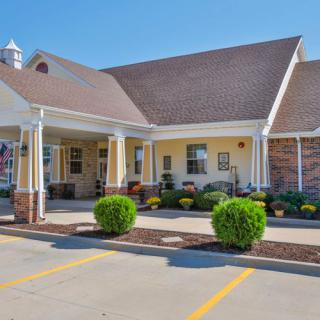
Willowbrook Of Savoy 2

406 West Curtis, Savoy, IL 61874

For more information about senior living options: (844) 490-3973

4.3 from 23 reviews
5 stars
18
4 stars
1
3 stars
0
2 stars
1
1 stars
3

Assisted Living Board and Care Home Memory Care

Overall Review of Willowbrook Of Savoy 2

Pros

  • pro The Villas of Holly Brook in Rantoul is a standout example of true community partnership and leadership in senior care.
  • pro Their team consistently demonstrates a commitment to excellence, compassion, and resident-centered service.
  • pro Jennifer Gussman, the Community Relations Manager, shows dedication, professionalism, and genuine care for residents.
  • pro Dorsey is a very caring nursing director who ensures residents' needs are met.
  • pro The grandparents never had any complaints.
  • pro Residents and staff are amazing, and the community is beautiful.
  • pro Jill does a great job coordinating activities; there is always something going on and a variety of amenities, including soft-serve ice cream.

Cons

  • pro CNAs are very rude to the residents.
  • pro They would not recommend bringing their loved ones there.
  • pro Residents are not looked after properly.
  • pro Shame on the staff.
  • pro The management is not very good.
  • pro The executive director, Kara, sucks.
  • pro Staff sit at the front desk eating and talking about everyone.
  • pro It's extremely hard to get any help.
  • pro The staff walk around with attitudes and with their noses turned up whenever you ask for something to be done.
  • pro Nobody cares about the residents; they are treated like it's not their home.
  • pro There is high staff turnover.
  • pro Awful place.

Review

The Villas of Holly Brook in Rantoul emerges in these impressions as a true community partner and a standout in senior care. Across the board, residents and families describe a place where dedicated staff, a resident-centered approach, and strong leadership come together to create a living environment that feels both professional and welcoming. The tone of the reflections is consistently positive when it comes to care and atmosphere, with only a few notes of concern balancing the overall sentiment.

A central thread in the praise is the work of Jennifer Gussman, the Community Relations Manager. Reviewers repeatedly highlight her dedication, professionalism, and genuine care for the residents. She is credited with going above and beyond to forge meaningful connections and to ensure that families feel supported at every step of their journey. In these accounts, Jennifer's presence embodies the high standards and values that readers associate with The Villas of Holly Brook, reinforcing the sense that the community strives to set a benchmark for excellence in senior living.

Several accounts center on personal experiences with specific staff members, painting a picture of a place where individual caregivers and leaders leave a lasting impression. One reviewer shares that their aunt, who has lived at Villas of Holly Brook in Savoy, has received outstanding care under the watch of Dorsey, described as a caring nursing director who consistently ensures every need is met. This caregiver's attentiveness and professionalism are portrayed as a model of how staff can positively impact quality of life and peace of mind for families.

Family members and visited guests also reflect positively on the broader resident experience. A review notes that their grandparents never had any complaints, signaling a sense of consistency and satisfaction with the care. Another guest who toured the facility with their mother came away with a favorable impression, ranking Villas of Holly Brook among their top two assisted living options in the area. These reflections emphasize a welcoming environment, reliable care, and the kind of first-hand experience that resonates with prospective residents and their families.

Not every voice is uniformly glowing, however. A candid critique points to CNA staff behaving rudely toward residents and questions the level of care. The sentiment here serves as a counterweight to the otherwise glowing observations, highlighting that while many experiences are positive, there are instances where expectations are not met and care can feel inconsistent. This perspective helps round out the portrait of a community that, like many in elder care, faces ongoing challenges in staffing and day-to-day interactions.

Beyond individual staff dynamics, there are broader comments about the community and its leadership. Reviewers acknowledge a beautiful setting and a high-quality living environment, with residents and staff described as amazing and the community itself as charming and well-kept. Yet some reviews flag management as a weaker link, noting that while the physical space shines, the leadership side of the operation can be less reliable or less aligned with resident needs. This dichotomy underscores a nuanced picture: a place with strong human connections and a lovely ambiance, tempered by concerns about organizational consistency.

The excitement around activities and ongoing development is another recurring theme. One review highlights Jill's effective coordination of activities, ensuring there is always something engaging happening for residents. The abundance of amenities - things not always found in comparable facilities - comes up as a standout feature, including the appeal of soft-serve ice cream during visits. The prospect of a sizable addition to the property adds to the sense of forward momentum and a belief that the community is actively evolving to better serve residents and families.

Amidst the positive notes, some strongly negative assessments sit alongside. A reviewer explicitly describes Executive Director Kara in a negative light, suggesting that staff interactions are marked by dismissiveness and that getting help can be a challenge. Allegations about turnover and frequent front-desk impertinence paint a picture of a management environment that some families feel is not attentive enough to residents' everyday needs. The accompanying sentiment that the community may not feel like home for all residents, and the observation that new staff turnover is high, contribute to a more complex and sometimes critical view of the overall operation.

There are voices that swing to the extreme, with one short remark declaring an experience as merely "Awful place, what's new!" This stark sentiment serves as a blunt counterpoint to the more balanced narratives, reminding readers that experiences at any senior living community can vary dramatically depending on the day, the staff on duty, and the individual care plan involved.

In the end, what emerges is a layered portrait of The Villas of Holly Brook. On one hand, guests repeatedly commend the compassionate staff, the tangible care efforts of people like Dorsey, and the leadership presence of Jennifer Gussman, all set against a beautiful, home-like environment. The community is described as inviting, with a warm atmosphere that residents and families genuinely appreciate. The positive stories about activity leadership, dining experiences, and ongoing expansion reflect a vibrant, forward-looking place where residents can feel connected and cared for.

On the other hand, several reviewers caution that there can be gaps in management and consistency in care, and some express frustration with staffing dynamics, turnover, and front-line attitudes at times. These perspectives remind potential residents and families to visit thoughtfully, ask hard questions, and observe care quality across different days and shifts. The Dalai Lama's quote about compassion for alleviating suffering sits alongside direct feedback about care experiences, underscoring a shared aspiration toward empathy and excellence in senior living.

Overall, Villas of Holly Brook weaves together stories of care, connection, and community life. It's a place where some residents thrive under attentive staff, where family members find reassurance in the leadership and in dedicated individuals like Jennifer Gussman and Dorsey, and where ongoing development signals a commitment to growth. It's also a reminder that elder care is complex and personal, with room for improvement in management consistency and front-line interactions. For many families, the combination of beauty, kindness, and responsive care makes this community a meaningful option to consider as part of a broader search for the right fit in assisted living.

Features

Housing

  • 12 resident community capacity 12 resident community capacity

Types of Care

  • Assisted Living Assisted LivingAssisted living facilities provide crucial support and care for seniors who may need help with daily tasks such as medication management, bathing, and meal preparation. These communities offer a safe and comfortable environment where seniors can maintain their independence while receiving the assistance they need to thrive in their golden years.
  • Board and Care Home Board and Care HomeBoard and care homes provide a smaller, more intimate setting for seniors who require assistance with daily tasks but do not need the level of care offered by a nursing home. They offer personalized care, meals, and social activities in a homelike environment, ensuring that seniors receive individualized attention and support in their golden years.
  • Memory Care Memory CareMemory care is crucial for seniors as it provides specialized support and services for individuals with dementia or Alzheimer's disease. These programs offer a safe and secure environment where residents receive personalized care, cognitive stimulation, and help with daily activities. Memory care helps seniors maintain their independence, quality of life, and dignity while also providing peace of mind for their families.

Amenities

  • Cable or satellite TV Cable or satellite TVCable or satellite TV is important for seniors because it provides entertainment, news, and companionship, helping to combat loneliness and boredom. It also offers a wide range of programming options tailored to different interests and preferences.
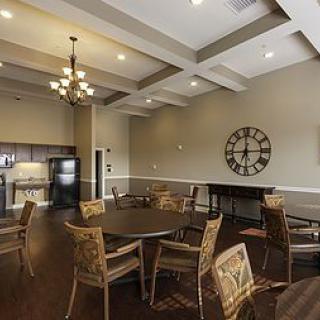
  • Dining room Dining roomDining rooms are important for seniors as they provide a space for socialization, connection, and nutritious meals. They offer opportunities for residents to bond over shared meals, foster a sense of community, and promote healthy eating habits. Dining rooms also ensure that seniors have access to well-balanced meals tailored to their dietary needs and preferences.
  • Fully furnished Fully furnishedFully furnished senior living communities are important for seniors because they provide convenience, comfort, and a hassle-free moving experience. Seniors can easily settle into their new living space without the stress of having to buy and move furniture. This allows them to focus on enjoying their new home and community.
  • Garden GardenGardens are important for seniors as they provide a peaceful and therapeutic environment for relaxation, physical activity, and socialization. Being in nature has been shown to reduce stress, improve mood, and promote overall well-being. Gardens also offer opportunities for seniors to engage in gardening activities, which can improve mobility, flexibility, and cognitive function. Additionally, gardens create a sense of community and connection with others who share a passion for plants and outdoor spaces.
  • Housekeeping services Housekeeping servicesHousekeeping services are important for seniors because they help maintain a clean and safe living environment, promote independence, and reduce the risk of accidents or illnesses. Additionally, having assistance with household chores can alleviate physical strain and allow seniors to focus on other aspects of their well-being.
  • Move-in coordination Move-in coordinationMove-in coordination is important for seniors because it helps ease the transition into their new living environment. It ensures that all logistics, such as packing, organizing movers, and setting up utilities are taken care of, allowing seniors to focus on settling in and adjusting to their new home. Having a smooth move-in process can alleviate stress and anxiety, making the transition smoother and more enjoyable for seniors.
  • Outdoor space Outdoor spaceOutdoor spaces are important for seniors as they provide opportunities for physical activity, social interaction, exposure to natural light and fresh air, and a sense of connection to nature. Having access to outdoor spaces can improve overall well-being and quality of life for older adults living in senior communities.
  • Telephone TelephoneTelephones are important for seniors as they provide a lifeline for communication with loved ones, emergency services, and healthcare providers. They offer a sense of security and independence, enabling seniors to stay connected and access assistance when needed.
  • Wi-Fi/high-speed internet available Wi-Fi/high-speed internet availableWi-Fi/high-speed internet is important for seniors to stay connected with loved ones, access online resources, and participate in virtual activities to combat feelings of loneliness and isolation. It also allows them to easily manage healthcare needs, access entertainment, and engage in lifelong learning opportunities.

Transportation

  • University of Illinois-Willard (2 miles away) University of Illinois-Willard (2 miles away)

Care Services

  • 24-hour supervision 24-hour supervision24-hour supervision is important for seniors to ensure their safety, well-being, and access to immediate assistance in case of emergencies or health issues. This constant support provides peace of mind for both seniors and their loved ones, allowing them to age in place with dignity and security.
  • Activities of daily living assistance Activities of daily living assistanceActivities of daily living assistance are important for seniors because they provide essential support with tasks such as eating, bathing, dressing, and mobility. This assistance helps seniors maintain their independence, dignity, and overall quality of life as they age.
  • Assistance with bathing Assistance with bathingAssistance with bathing is crucial for seniors as it helps maintain personal hygiene, prevents infections, and ensures their overall well-being and comfort. It also provides a sense of dignity and independence for seniors who may struggle with this task on their own.
  • Assistance with dressing Assistance with dressingAssistance with dressing is important for seniors because it helps maintain their independence, promotes personal hygiene, prevents accidents and injuries, and improves overall quality of life. This service ensures that seniors can continue to dress comfortably and confidently, despite any physical limitations they may have.
  • Assistance with transfers Assistance with transfersAssistance with transfers is crucial for seniors as it helps prevent falls and injuries, maintains their independence, and ensures they can safely navigate their living environment. It also provides peace of mind for both seniors and their loved ones.
  • Coordination with health care providers Coordination with health care providersCoordination with health care providers is crucial for seniors to ensure proper medical care, medication management, and overall well-being. This collaboration helps prevent overlapping treatments, track progress more effectively, and provide comprehensive support tailored to individual needs.
  • Dementia waiver Dementia waiverDementia waivers are essential for seniors as they provide critical protections and accommodations for those experiencing cognitive decline. These waivers ensure individuals with dementia receive appropriate care, support, and resources to maintain their quality of life and dignity as they navigate the challenges of this progressive condition.
  • Diabetes diet Diabetes dietA diabetes diet is crucial for seniors as it helps manage blood sugar levels, reduce risks of complications, and improve overall health and well-being. By following a balanced and nutritious diet tailored to their specific needs, seniors can better control their diabetes and enhance their quality of life.
  • Hospice waiver Hospice waiverHospice waivers are important for seniors because they allow individuals to receive specialized end-of-life care and support at home or in a hospice facility. This waiver ensures that seniors can access the necessary resources and services to maintain comfort and dignity during their final days.
  • Meal preparation and service Meal preparation and serviceMeal preparation and service are crucial for seniors as they may have limited mobility or energy to cook nutritious meals. Having access to healthy and convenient food options can ensure they are getting the proper nutrition needed to maintain their overall health and well-being.
  • Medication management Medication managementMedication management is crucial for seniors to ensure they are taking the right medications at the correct dosages and times. This helps prevent adverse drug interactions, reduces the risk of medication errors, and promotes overall health and well-being. Proactive management also allows for adjustments as needed based on changing health conditions or new prescriptions.
  • Mental wellness program Mental wellness programMental wellness programs are essential for seniors as they promote cognitive stimulation, emotional support, and social engagement. These programs help prevent isolation, depression, and cognitive decline, ultimately enhancing the overall quality of life for older adults.
  • Mild cognitive impairment Mild cognitive impairment"Mild cognitive impairment" is important for seniors because it is an early stage of cognitive decline that can potentially progress to more severe conditions such as dementia. Recognizing and addressing mild cognitive impairment can help seniors receive appropriate care and support to maintain their quality of life and independence for as long as possible.
  • Special dietary restrictions Special dietary restrictionsSpecial dietary restrictions are important for seniors because age-related changes in metabolism and health conditions can make it difficult for their bodies to process certain foods. By following a diet tailored to their specific needs, seniors can maintain their overall health and well-being, manage chronic conditions, and reduce the risk of complications such as malnutrition or food interactions with medications.
  • Specialized memory care programming Specialized memory care programmingSpecialized memory care programming is crucial for seniors with cognitive impairments such as dementia or Alzheimer's disease. These programs provide a safe and supportive environment tailored to the unique needs of individuals with memory loss, helping them maintain their independence, dignity, and quality of life.
  • Transportation arrangement (medical) Transportation arrangement (medical)Transportation arrangements for medical purposes are essential for seniors as they may have difficulty driving themselves to appointments or accessing public transportation. Having reliable and safe transportation options ensures that seniors can receive timely medical care and maintain their health and well-being.
  • Transportation to doctors appointments Transportation to doctors appointmentsTransportation to doctors' appointments is crucial for seniors as it ensures they have access to necessary medical care and support for their health needs. Without reliable transportation, seniors may struggle to attend important appointments, leading to potential delays in treatment and health complications. Providing transportation services helps seniors maintain their overall well-being and quality of life.

Dining

  • Diabetes diet Diabetes dietA diabetes diet is crucial for seniors as it helps manage blood sugar levels, reduce risks of complications, and improve overall health and well-being. By following a balanced and nutritious diet tailored to their specific needs, seniors can better control their diabetes and enhance their quality of life.
  • Special dietary restrictions Special dietary restrictionsSpecial dietary restrictions are important for seniors because age-related changes in metabolism and health conditions can make it difficult for their bodies to process certain foods. By following a diet tailored to their specific needs, seniors can maintain their overall health and well-being, manage chronic conditions, and reduce the risk of complications such as malnutrition or food interactions with medications.

Activities

  • Community-sponsored activities Community-sponsored activitiesCommunity-sponsored activities are important for seniors as they provide opportunities for social interaction, mental stimulation, and physical activity. These activities can help improve overall well-being, combat loneliness and isolation, and promote a sense of belonging and purpose among older adults.
  • Scheduled daily activities Scheduled daily activitiesScheduled daily activities are important for seniors because they provide structure, socialization, mental stimulation, and physical activity. Engaging in regular activities can improve overall well-being and quality of life for seniors living in a community setting.

Description

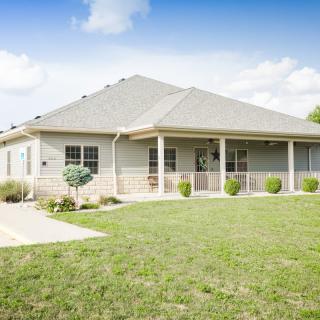
Willowbrook Of Savoy 2 is an assisted living community located in Savoy, IL. Our community offers a range of care services including board and care home as well as memory care for those with dementia or other cognitive impairments.

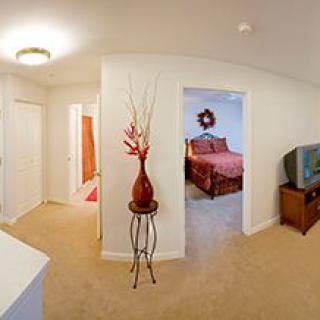
At Willowbrook Of Savoy 2, residents will enjoy a variety of amenities to make their stay comfortable and convenient. Our community features a dining room where delicious meals are served, fully furnished accommodations, a beautiful garden for residents to relax and enjoy nature, housekeeping services to maintain cleanliness, and move-in coordination to assist with the transition.

We understand the importance of staying connected, which is why we provide telephone service as well as Wi-Fi/high-speed internet access throughout the community.

Our dedicated staff is committed to meeting the individual needs of each resident. We offer assistance with activities of daily living such as bathing, dressing, and transfers. We also coordinate with health care providers to ensure comprehensive care. For those with specific dietary needs, we offer special dietary restrictions including diabetes diet.

Residents at Willowbrook Of Savoy 2 have access to various amenities and services that promote mental wellness and socialization. We provide medication management, meal preparation and service, specialized memory care programming tailored to meet the unique needs of individuals with memory issues, transportation arrangement for medical appointments as well as transportation to doctors' appointments.

Additionally, our community organizes scheduled daily activities for residents to participate in and enjoy. Nearby our location are numerous cafes, parks, pharmacies, physicians' offices restaurants places of worship theaters hospitals ensuring that residents have plenty of options for entertainment and healthcare services.

At Willowbrook Of Savoy 2, we strive to create a welcoming environment where residents can receive personalized care while maintaining their independence and enjoying a fulfilling lifestyle.

Nearby Places of Interest

Pharmacies

  • Schnucks (0.2 miles)
  • CVS Pharmacy (0.3 miles)
  • Mrm (0.6 miles)
  • Walgreens (1.5 miles)
  • Carle Rx Express Pharmacies (2 miles)
  • Walgreens (2.3 miles)
  • CVS Pharmacy (2.8 miles)

Theaters

  • Savoy 16 + IMAX (0.3 miles)

Physicians

  • Sportsvet (0.4 miles)
  • Christie Clinic Transformations Medical Weight Loss (0.7 miles)
  • Chittick Family Eyecare - Savoy (0.8 miles)
  • Hitekshya Nepal, MD (0.9 miles)
  • Rejuvenis Medical Spa & Facial (0.9 miles)
  • Scott Foster Anderson (0.9 miles)
  • Kenneth G Gilbert MD (1.3 miles)

Restaurants

  • Triptych Brewing (0.6 miles)
  • Sonic Drive-In (0.8 miles)
  • Culver's (1.2 miles)
  • Le Peep Restaurant (1.3 miles)
  • Moe's Southwest Grill (1.5 miles)
  • Taco Bell (1.9 miles)
  • The Ribeye (1.9 miles)

Cafes

  • Starbucks (1.6 miles)
  • Curtis Orchard & Pumpkin Patch (2 miles)
  • Panera Bread (2.2 miles)
  • Espresso Royale (2.4 miles)
  • Kung Fu Tea (3.1 miles)
  • Espresso Royale (3.1 miles)
  • BrewLab Coffee (3.1 miles)

Places of Worship

  • Windsor Road Christian Church (1.9 miles)
  • St. Matthew Catholic Church (1.9 miles)
  • St Peter's United Church of Christ (2.6 miles)
  • Holy Cross Catholic Church (3.2 miles)
  • Bible Baptist Church (3.5 miles)

Hospitals

  • Carle Surgicenter (2.1 miles)
  • McKinley Health Center (3 miles)
  • The Pavilion Foundation (3.3 miles)
  • ImpactLife (3.6 miles)
  • Provena Covenant Medical Center (3.7 miles)
  • Presence Covenant Medical Center (3.7 miles)
  • OSF Heart of Mary Medical Center (3.7 miles)

Parks

  • Hessel Park (2.2 miles)
  • Robeson Park (2.4 miles)
  • Arboretum (2.5 miles)
  • Zahnd Park (3.1 miles)
  • Blair Park (3.3 miles)
  • Mullikin Park (3.6 miles)
  • Mattis Park (3.7 miles)

Transportation

  • Amtrak (3.3 miles)

Frequently Asked Questions

Where is Willowbrook Of Savoy 2?
Does Willowbrook Of Savoy 2 provide care for residents with dementia or Alzheimer's disease?

Nearby Communities

Assisted Living in Nearby Cities

Related Resources

  • assisted living vs nursing homeChoosing the Right Senior Care: A Detailed Exploration of Assisted Living and Nursing Homes

    Choosing between assisted living and nursing homes involves evaluating emotional and financial factors, with assisted living offering independence and support for daily activities at a lower cost, while nursing homes provide intensive medical care for individuals with significant health needs. The decision is influenced by personal preferences, health status, cognitive function, and varying Medicaid coverage across states.

  • how to prevent memory loss in old ageSafeguarding Your Memory Through the Golden Years: Eight Ways to Preserve Cognitive Health

    The article presents eight strategies for preserving cognitive health and memory in older adults, emphasizing a nutrient-rich diet, regular exercise, intellectually stimulating activities, adequate sleep, social connections, stress management techniques, limiting harmful substances, and regular medical checkups to mitigate age-related memory decline.

  • activities of daily livingComprehensive Insights into Activities of Daily Living (ADLs) and Their Assessment

    Activities of Daily Living (ADLs) are fundamental tasks vital for an individual's independence, particularly in older adults over 85, and include functions like bathing and dressing; assessing ADLs alongside Instrumental Activities of Daily Living (IADLs) helps determine the level of required assistance due to age-related health challenges. Tailored support plans, involving family and community resources, are essential for maintaining dignity and autonomy in assisted living environments.