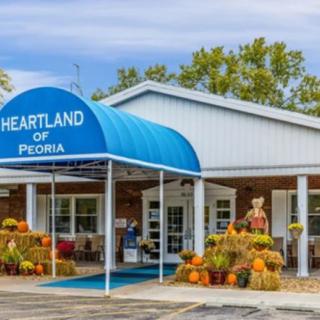
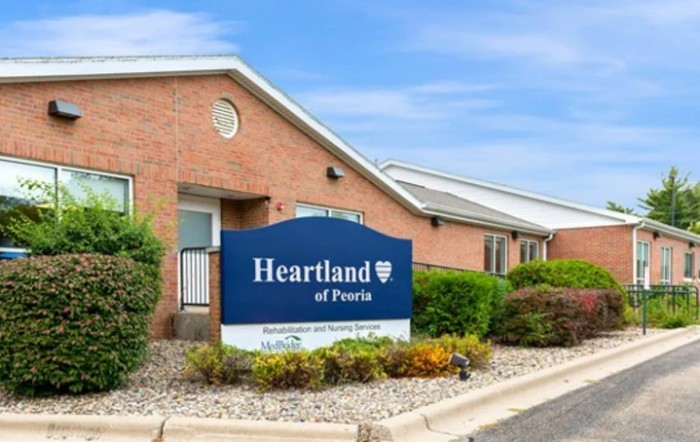
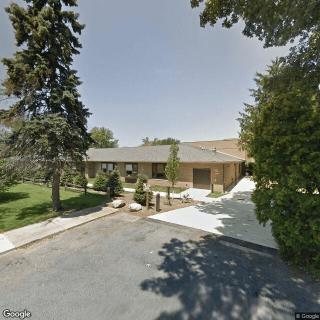
5600 Glen Elm Drive, Peoria, IL 61614
For more information about senior living options: (866) 208-4318
Overall Review of Generations At Peoria
Pros
 The facility is very clean and friendly.
- They provide great care with wonderful staff members and kind nurses.
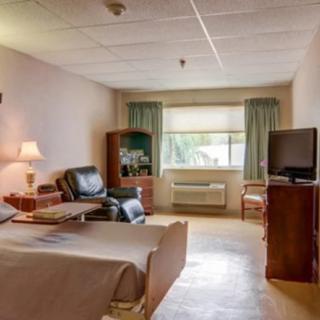
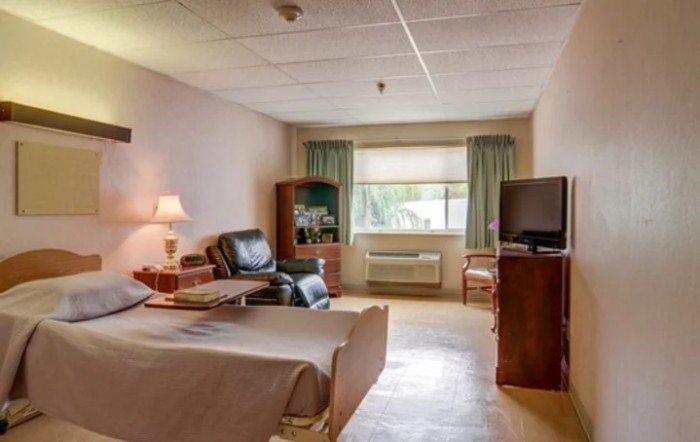
- They offer a large private room and nice semi-private rooms.
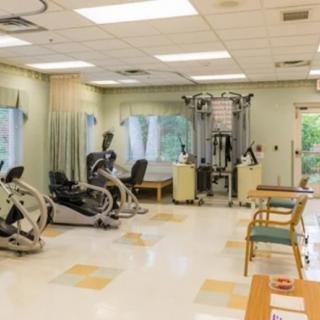
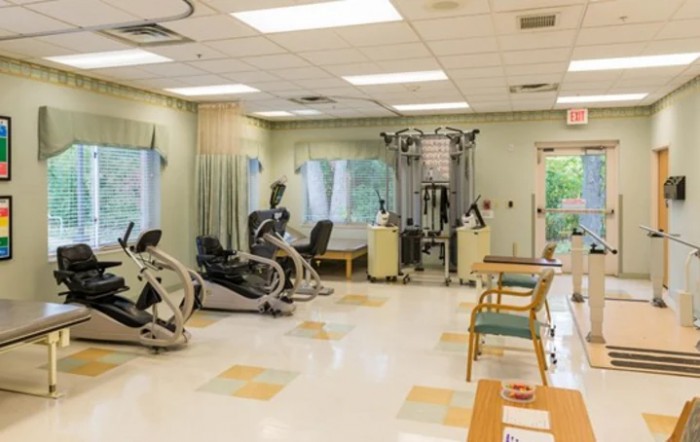
- They have activities and excellent physical and occupational therapy.
- A lot of residents enjoy the activity room for cards and puzzles.
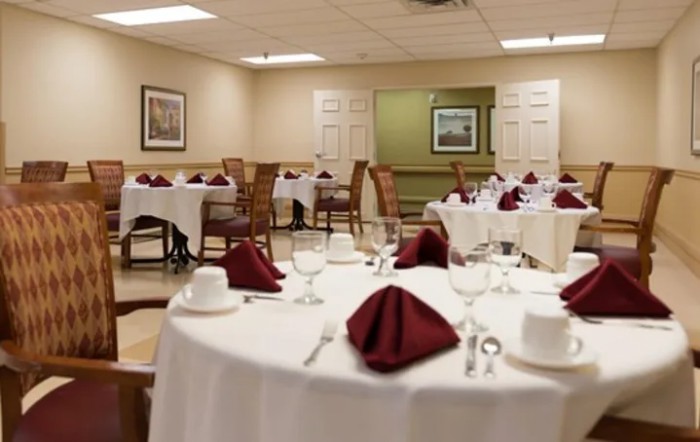
- They serve good food and take good care of their patients.
- The staff are very friendly and provide personal good care.
- The therapy department is awesome and motivates patients to rehab so they can go back home.
- They are accommodating, with special beds and dietary accommodations, and the physical therapy is wonderful with good results.
Cons
 The facility was abusive to the reviewer’s mother, with nurses cursing her out, not respecting her bodily autonomy, and leaving her bruised.
- The staff threw things at a resident’s head and could not even provide the correct diet for her health issues.
- The place was dirty, with old, smelly drawers and closets and rooms that were not clean.
- The daily cleaning was HORRIBLE, and the building’s condition was overall poor.
- The reviewer’s family’s clothing disappeared and there was no follow-up from the facility.
- The reviewer warned others never to send anyone there and described the place as very disappointing.
- The reviewer questioned why aging citizens are not treated better at the facility.
- The reviewer advised taking a good look at the place before deciding to place loved ones there.
Review
Generations At Peoria is best suited for families seeking a practical, recovery-oriented option in Peoria where daily living support and ongoing therapeutic services are central to the program. The community appears to serve residents who need structured routines, reliable nursing oversight, and regular engagement through activities and rehabilitation services. It is a fit for families willing to stay actively involved in care decisions and to verify that the care quality remains steady over time. This is not positioned as a luxury destination, but as a solid, workaday option for someone aiming to regain or maintain independence with supportive staff guiding the process.
Those considering alternatives should weigh environments that demonstrate consistently pristine conditions, transparent housekeeping standards, and fewer lapses in daily maintenance. If cleanliness lapses, odor, or unsettled room conditions could undermine daily well-being, or if a facility struggles with staff stability and timely response, other communities with stronger reputations for housekeeping discipline and proactive maintenance should be on the short list. For residents with advanced memory care needs or highly specialized medical requirements, it may be prudent to compare options that target those niches with clearer, demonstrable protocols and staffing models.
Pros frequently evident in Peoria-area care options, pros that Generations should emphasize to maximize appeal, include capable therapy teams, responsive nursing support, and a programmatic emphasis on activity and engagement. Positive feedback from families consistently notes rooms or living spaces that accommodate personal belongings, a willingness to customize meals, and opportunities for family involvement through visits and entertainment. When therapy departments are robust and staff communicate well, residents often experience meaningful progress and a smoother recovery trajectory, which can offset many day-to-day frustrations if they arise.
The most salient cons seen in comparable facilities boil down to cleanliness and upkeep, maintenance gaps, and the risk of poor environmental conditions impacting comfort and morale. Some stories highlight rooms that are not kept clean, odor issues, or outdated infrastructure that detracts from safety and satisfaction. Another thread across the market is the potential for mixed experiences with staff consistency and responsiveness, underscoring the need for stringent oversight, clear escalation channels, and reliable housekeeping practices. While these concerns do not condemn an entire community, they are the factors that determine whether a good rehab or care plan actually translates into sustained quality of life.
Key leverage points determine whether the strong therapy and staff advantages can overcome the drawbacks. When leadership shows visible commitment to continuous improvement, tight housekeeping schedules, transparent incident reporting, and rapid remediation of maintenance issues, families gain confidence that the environment will maintain safety and comfort as care needs evolve. Prospective residents should insist on recent inspection results, tour the cleaning routines, review housekeeping frequencies, and require a candid discussion about staffing ratios and turnover. A facility that can demonstrate steady progress on cleanliness, along with a clear plan for maintaining therapy momentum, will stand out as a sound choice.
In the final analysis, Generations At Peoria should be evaluated through a practical lens: are the core services reliably delivered, is the living environment kept clean and orderly, and do therapists and nurses demonstrate consistent, compassionate engagement? Families pursuing rehab or assisted living in Peoria will be well served by a transparent process, watchful tours, direct conversations with therapy and nursing teams, and a demand for timely follow-through on any concerns raised during a visit. If the answer leans toward steady care, meaningful rehab progress, and a credible plan for upkeep, Generations can be a solid pick. If any of the red flags, persistent cleanliness issues, unresponsive communication, or unresolved maintenance, remain unaddressed, it is wise to continue the search and compare options where those factors are reliably controlled.
 144 resident community capacity
 Skilled Nursing Facility
 Air-conditioning
 Beauty salon
 Cable or satellite TV
 Computer center
 Dining room
 Fitness room
 Fully furnished
 Gaming room
 Garden
 Housekeeping services
 Kitchenette
 Move-in coordination
 Outdoor space
 Private bathrooms
 Restaurant-style dining
 Small library
 Telephone
 Wellness center
 Wi-Fi/high-speed internet available
 Greater Peoria Regional (8 miles away)
 Community operated transportation
 12-16 hour nursing
 24-hour call system
 Activities of daily living assistance
 Assistance with bathing
 Assistance with dressing
 Assistance with transfers
 Diabetes diet
 Medication management
 Mental wellness program
 Special dietary restrictions
 Concierge services
 Planned day trips



 Navigating Medicare Coverage for In-Home Care Services
 In-Home Care Costs in 2025: A Detailed State-by-State Exploration
 Understanding Home Health Care: A Comprehensive Guide