For more information about senior living options: (866) 208-4318
2.9 from 47 reviews
5 stars
20
4 stars
2
3 stars
0
2 stars
1
1 stars
24
Overall Review of Timbercreek Rehab & Healthcare Center
caveat16 reviews mention this
Staffing and availability are inconsistent
Residents describe care that can be delayed when staffing is short.
Several residents and families say they struggled to reach the right leadership or that key staff were not available when needed. Reviews also describe understaffing and long stretches without timely attention, including unanswered calls and unattended alarm events. Some accounts contrast that with families who felt staff were responsive and helpful once issues were raised, but the overall theme is uneven day-to-day availability. A few reviews go further, describing neglect-level problems like missed checks, falls tied to supervision concerns, and insufficient therapy coverage for rehab stays.
caveat10 reviews mention this
Cleanliness and odor concerns recur
Multiple reviewers mention unpleasant odors and dirty or run-down spaces.
Many reviews focus on conditions like roaches, bad smells, and dirty bathrooms or rooms. Some stories describe areas needing repair, including damaged trim and a facility that felt cold or unwelcoming. While there are also positive comments saying the building is clean and there was no bad smell, the negative mentions are frequent enough that cleanliness appears inconsistent. Several accounts connect the condition of rooms and hygiene to concerns about resident comfort and basic care.
common6 reviews mention this
Dining quality is mixed
Dining experiences range from strong praise to serious complaints.
Some residents and families describe the food positively, including praise for cafeteria meals, and mention that dining was appreciated during stays. Others report difficulty eating, say the food felt inadequate or repetitive, or describe meals not matching dietary needs. There are also reviews that mention specific issues like medicine timing and meal contents, which further colors the dining experience for those families. Overall, dining comes through as a mixed point rather than a consistently reliable one.
common12 reviews mention this
Caring staff draws strong praise
Many reviewers credit nurses, aides, and social staff with kindness.
A recurring positive theme is how residents and families felt staff treated them, with multiple reviews describing nurses, aides, and social staff as polite, compassionate, and helpful. Several accounts highlight specific caregiver interactions and say staff supported recovery and communicated clearly during difficult moments. Some reviewers also mention feeling comfortable because problems raised with administration were resolved. At the same time, other reviews describe rudeness and disrespect, so the tone of care is not uniform across accounts.
How we summarize
Counts show how many written reviews mention each theme; a review can touch several themes, and only frequently mentioned themes are displayed.
Features
Housing
202 resident community capacity
Types of Care
Skilled Nursing Facility
Amenities
Air-conditioning
Beauty salon
Cable or satellite TV
Computer center
Dining room
Fitness room
Fully furnished
Gaming room
Garden
Housekeeping services
Kitchenette
Move-in coordination
Outdoor space
Private bathrooms
Restaurant-style dining
Small library
Telephone
Wellness center
Wi-Fi/high-speed internet available
Transportation
Greater Peoria Regional (8 miles away)
Community operated transportation
Transportation arrangement
Transportation arrangement (non-medical)
Transportation to doctors appointments
Care Services
12-16 hour nursing
24-hour call system
24-hour supervision
Activities of daily living assistance
Assistance with bathing
Assistance with dressing
Assistance with transfers
Diabetes diet
Meal preparation and service
Medication management
Mental wellness program
Special dietary restrictions
Dining
Diabetes diet
Special dietary restrictions
Activities
Community-sponsored activities
Concierge services
Fitness programs
Planned day trips
Resident-run activities
Scheduled daily activities
Nearby Places of Interest
Physicians
Pekin Orthopedic Center (0.4 miles)
Midwest Orthopedic Center - Robert Jones Pa (0.4 miles)
Eye Doctor (0.7 miles)
Dr Brendon Johnson (0.7 miles)
Reginald Bowman (1.1 miles)
Central Illinois Pulmonary (1.1 miles)
Bond Eye Associates (1.2 miles)
Restaurants
Monical's Pizza (0.4 miles)
Jack's Doghouse (0.5 miles)
Taco Bell (0.9 miles)
Arby's (1.1 miles)
McDonald's (1.3 miles)
Good Tequila's Mexican Grill (1.5 miles)
Hacienda Fuentes (1.6 miles)
Pharmacies
Walgreens (0.9 miles)
Walgreens (1 miles)
Park Court Pharmacy (1.1 miles)
Unitypoint Healthpharmacy Pekin (1.1 miles)
Schnucks (1.2 miles)
Pekin Prescription Lab (1.3 miles)
CVS Pharmacy (1.3 miles)
Parks
Dog Run (1 miles)
Gene Miller Park (2 miles)
Pekin Riverfront (2 miles)
Powerton Fish and Wildlife Area (5.1 miles)
Hospitals
Progressive Health Systems (1.1 miles)
Osf Prompt Care (7.6 miles)
Transportation
U-Haul Neighborhood Dealer (1.6 miles)
Pekin Peoria Yellow Checker Cab (1.8 miles)
Gate 3 (7.6 miles)
General Downing - Peoria International Airport (PIA) (7.7 miles)
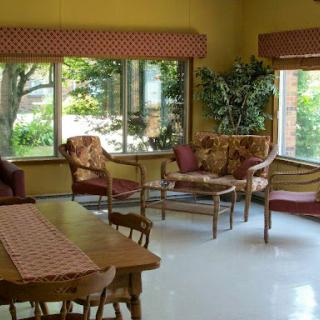
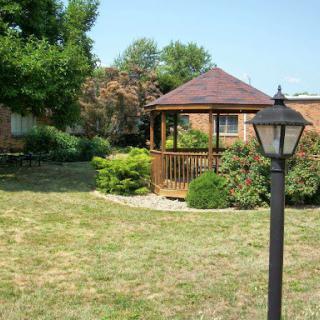
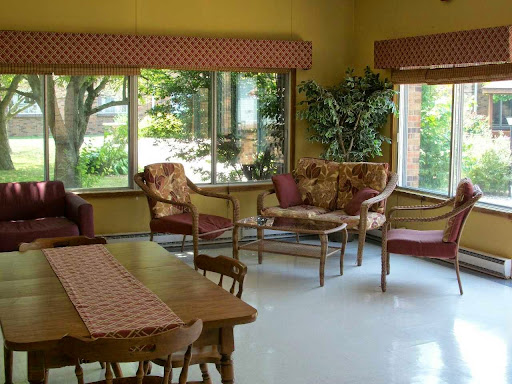
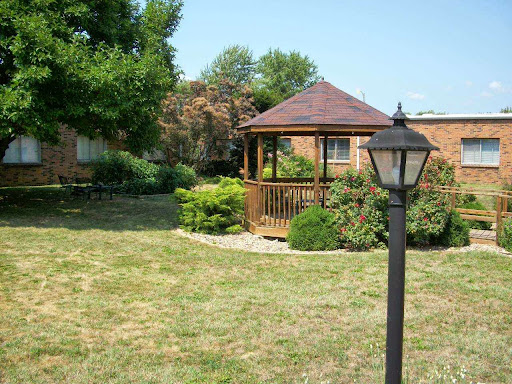
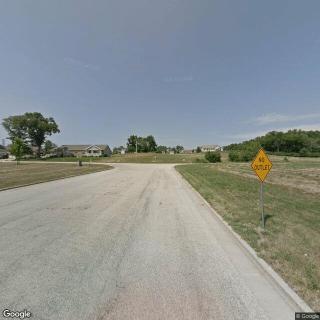
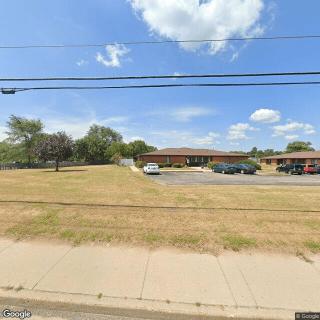
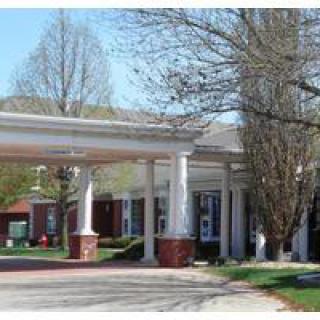
Timbercreek Rehab & Healthcare Center on seniors.fyi includes 5 photos including images showing landscaping, windows, outdoor, garden, building, seating area, gazebo, pond, and more.
Nearby Communities
Hallmark House Nursing Center
Pekin, IL
3.9 from 74 reviews
Attentive staff, clean facility, and good meals with useful amenities.
Mardell Manor
Pekin, IL
5 from 1 review
Diabetes-focused assisted living with on-site activities and close access to nearby care and amenities.
Place On Prince
Pekin, IL
4 from 3 reviews
Independent living with diabetic care and on-site activities.
Court Place Apartments
Pekin, IL
4 from 13 reviews
Great access to dining, parks, healthcare, and transit.
UAW Senior Center
Pekin, IL
4.4 from 105 reviews
Strong access to healthcare and nearby amenities.
Twin Oaks Clf
Pekin, IL
4.7 from 3 reviews
Excellent proximity to dining, healthcare, transportation, worship, and hospital services.
John M Evans Supportive Living Community
Pekin, IL
4.6 from 62 reviews
$3,475 to $4,750 / month
Caring staff and engaging activities create a home-like environment.
Pekin Manor
Pekin, IL
4 from 3 reviews
Affordable with attentive staff and solid amenities.
Villas of Holly Brook & Reflections - Pekin
Pekin, IL
4.3 from 26 reviews
$2,950 to $5,700 / month
Friendly, caring staff in a clean, engaging environment.
Palliative care enhances the quality of life for seriously ill patients by providing comprehensive support at home through a multidisciplinary team, addressing various needs and prioritizing comfort over curative treatments. While it offers personalized care and involves family in decision-making, challenges like caregiver stress and logistical issues persist, with growing demand prompting advancements in technology and healthcare policies to improve access.
Palliative home care focuses on improving the quality of life for individuals with serious illnesses by providing comfort, symptom management, and emotional support in their own homes. This approach includes personalized care plans, regular assessments, and resources for family caregivers, all while prioritizing person-centered treatment that aligns with patients' goals.
Skilled nursing facilities (SNFs) provide high-level medical care and rehabilitation for short-term recovery, typically covered by Medicare after hospitalization, while nursing homes focus on ongoing custodial care for chronic conditions, mainly funded by Medicaid or private payments. The staffing and regulatory structures differ significantly between the two, necessitating clarity for families in choosing appropriate long-term care options.
Interior, Living Room, Seating Area, Natural Light, and Plant
Landscaping
Windows
Building
Garden
Outdoor
Outdoor Seating and Sidewalk
Gazebo
Pond
Get PricingAsk A QuestionSchedule A TourContact Senior Advisor
By clicking submit, you agree to our Partner's Terms of Use. You
also consent to receive calls and texts, which may be autodialed, from our Partner. Your consent is not a condition to
using our Partner's service. Please visit our Partner's Privacy Policy for information about their privacy practices.




 202 resident community capacity
 Skilled Nursing Facility
 Air-conditioning
 Beauty salon
 Cable or satellite TV
 Computer center
 Dining room
 Fitness room
 Fully furnished
 Gaming room
 Garden
 Housekeeping services
 Kitchenette
 Move-in coordination
 Outdoor space
 Private bathrooms
 Restaurant-style dining
 Small library
 Telephone
 Wellness center
 Wi-Fi/high-speed internet available
 Greater Peoria Regional (8 miles away)
 Community operated transportation
 12-16 hour nursing
 24-hour call system
 Activities of daily living assistance
 Assistance with bathing
 Assistance with dressing
 Assistance with transfers
 Diabetes diet
 Medication management
 Mental wellness program
 Special dietary restrictions
 Concierge services
 Planned day trips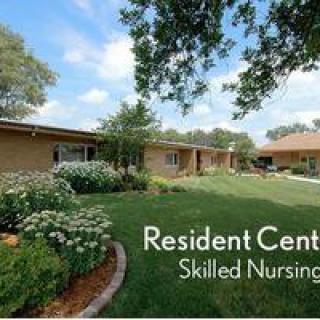
 Attentive staff, clean facility, and good meals with useful amenities.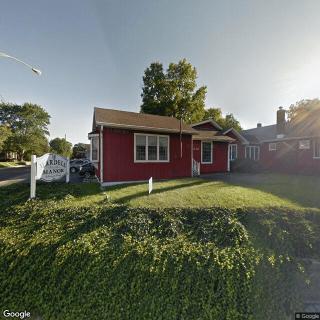


 Exploring Palliative Care in the Home: A Comprehensive Overview
 Comprehensive Insights into Palliative Home Care: What It Is and What to Expect
 Skilled Nursing Facilities vs. Nursing Homes: Making Sense of the Differences