
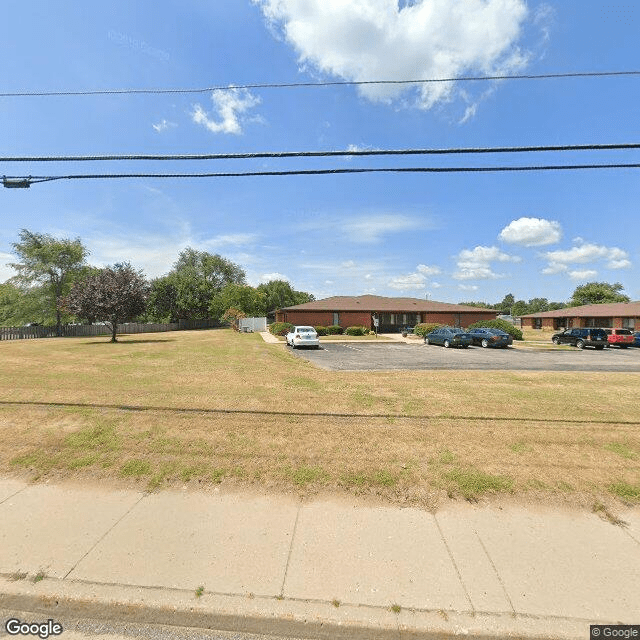
2011 S 14th St, Pekin, IL 61554
To contact a resident: (309) 353-5791
For more information about senior living options: (866) 208-4318
Overall Review of Twin Oaks Clf
Pros
 The facility provides assisted yet independent living for special needs individuals.
- He has thrived over his four years there.
- They have helped him get a job, budget his money, and learn basic life skills.
- The staff are caring and attentive, ensuring residents enjoy themselves in a safe environment.
Review
Twin Oaks Clf in Pekin, Illinois, is best suited for adults with special needs who want a live-in setting that blends assisted support with ongoing independence. The model centers on practical, person-centered help rather than medical care in a hospital-like atmosphere. The strongest signal comes from a family member who has watched a stepson thrive over four years, employment placement, budgeting guidance, and basic life skills all addressed in a supportive, structured way. Families seeking a calm, engaged environment where caregivers form close relationships and residents participate in safe, meaningful activities will find the core fit here. This is not a one-size-fits-all facility; it works best for those who value steady coaching in everyday tasks alongside opportunities to work and socialize.
Who may want to consider alternatives is clear: for residents needing high levels of medical oversight, 24/7 nursing, or specialized memory care, Twin Oaks Clf may fall short. A larger community with broader clinical staffing and more comprehensive on-site therapies could be a better match. Similarly, families seeking extensive recreation programming, diverse social options, or a campus with more amenities might prefer a larger assisted-living setting. The small, focused model tends to prioritize developmental coaching and individual attention over a wide array of facility-wide activities, which may feel limiting for some. In short, acuity and care expectations that exceed assisted living may justify exploring other options.
How the key pros offset the main concerns is evident in the lived experience the staff cultivates. The strongest advantages are hands-on job support, budgeting help, and life-skill coaching delivered in a caring, attentive culture. When staff invest in employment opportunities and practical training, residents gain real-world structure, purpose, and a pathway to greater independence. A safe environment with staff who ensure residents enjoy themselves reduces the risk of isolation and anxiety, a common pitfall in lesser-supported settings. The personalized attention implied by a small-scale operation can compensate for the absence of glamorous amenities by delivering predictable routines, prompt assistance, and meaningful daily milestones. While medical acuity may be outside the scope here, the program’s focus on autonomy and safety helps families feel confident that day-to-day life remains under thoughtful supervision.
There are potential drawbacks to weigh, even if they aren’t loudly advertised in survivor stories. The review base is modest, three evaluations with a high satisfaction tilt, so outcomes may not generalize broadly. There is limited publicly documented information about medical staffing, specialized therapies, or crisis responsiveness. Prospective residents should verify what level of medical oversight is available and how changes in health needs are managed. The model’s strength, personalized attention, could also become a constraint if a resident requires more expansive programming or additional social outlets. In such cases, alternatives with larger resident pools and more varied programming might better sustain long-term engagement.
Guidance for families evaluating Twin Oaks Clf should be practical and thorough. Arrange a tour and observe how staff interact with residents, noting whether independence is genuinely promoted alongside supervision. Request a clear care plan that outlines daily routines, job coaching specifics, budgeting processes, and the qualifications of the staff. Inquire about how transitions are handled if health needs escalate and whether partnerships with outside providers exist for therapies or medical care. Confirm the terms of stay, what’s included in the rate, and how costs align with the resident’s goals for independence. Ask to speak with current residents or families for candid, current impressions and request sample calendars to gauge the balance of work, recreation, and rest.
Bottom line: Twin Oaks Clf represents a pragmatic, purpose-built option for families prioritizing independence-with-support for special-needs individuals. The program’s ability to place residents in employment, teach budgeting, and reinforce life skills within a caring, safe milieu is its strongest claim to value. It is less appropriate for those requiring high-acuity medical care, memory-specific programming, or extensive recreational diversity. For families with a resident who thrives on structured coaching, small-community attention, and concrete milestones toward greater self-sufficiency, Twin Oaks Clf should be seriously considered, with a site visit to confirm fit before making a final commitment.
 Greater Peoria Regional (9 miles away)





 Encouraging Participation in Adult Day Care: A Guide to Supporting a Hesitant Parent
 Comprehensive Exploration of Living Wills and Other Advance Directives
 A Detailed Exploration of Living Wills and Advance Directives