5301 W Dirksen Pkwy, Peoria, IL 61607
To contact a resident: (309) 681-5995
For more information about senior living options: (866) 208-4318
Villas of Holly Brook & Reflections - Bellevue Costs & Pricing
The Villas of Holly Brook & Reflections in Bellevue presents a competitive pricing structure for its residential options, particularly when compared to both Peoria County and the broader state of Illinois. For a one-bedroom unit, residents can expect to pay $3,050 monthly, which is slightly lower than the county average of $3,055 and significantly more affordable than the state average of $3,527. The two-bedroom option is priced at $4,200, positioning it favorably against the county's $4,115 and closely aligned with Illinois' average of $4,208. Additionally, the semi-private rooms at this facility are available for $4,525 - more competitive than Peoria County's rate of $4,820 and notably less than the statewide average of $5,146. Overall, Villas of Holly Brook & Reflections - Bellevue offers attractive rates across all room types that cater well to both local and state comparisons while maintaining a high standard of care and comfort for its residents.
| Floor plans | Villas of Holly Brook & Reflections - Bellevue | Peoria County | Illinois |
|---|---|---|---|
| 1 Bedroom | $3,050 | $3,055 | $3,527 |
| 2 Bedrooms | $4,200 | $4,115 | $4,208 |
| Semi-Private | $4,525 | $4,820 | $5,146 |
Memory care communities with a similar price nearby
-
from +$450 / mo
The Lodge at Manito
$3,500 to $4,700 / month17.7 miles away -
About the same

Villas of Holly Brook & Reflections
$3,025 to $5,100 / month6.0 miles away -
from -$100 / mo

Serenity, A Randall Residence
$2,950 to $4,999 / month6.0 miles away -
from -$100 / mo
Villas of Holly Brook & Reflections - Pekin
$2,950 to $5,700 / month8.4 miles away
Overall Review of Villas of Holly Brook & Reflections - Bellevue
Pros
 The Villas is a wonderful facility with wonderful, caring people.
- The director and staff are consistently welcoming to visitors.
- The staff truly care for the residents and respond promptly to call buttons and requests.
- The dining room is cheerful and offers delicious meals with plenty of choices.
- The activities are creative, engaging, and fun.
- The building is clean, cheerful, and inviting, with a caring cleaning staff and helpful maintenance.
- The office staff are cheerful and promptly address concerns.
- The new management team consistently gets back with families, answers calls, and follows through on promises.
- The staff at HollyBrook have been attentive and supportive, making a positive difference in their mom’s care.
- The executive director is helpful and makes tours pleasant.
- The Villas have become a trusted and supportive community for families.
Cons
 The staff reportedly did not check on residents for 12–17 hours daily, sometimes leaving them unseen for up to 23 hours.
- Meal checks were allegedly falsified and charting was inaccurate, putting residents at risk.
- A reviewer states the facility is one of the poorest-run spaces they have encountered in their 20 years in healthcare.
- Fire alarms reportedly went off with staff nowhere to be found, signaling unprofessional emergency handling.
- The director and DON are accused of bullying and intimidating elderly residents, with the director not welcoming the resident’s family.
- Residents were trapped in their units for several days during the first snowstorm and not promptly addressed.
- HIPAA rights were violated and the reviewer felt discriminated against.
- A warning was issued not to bring a loved one there, labeling the facility as unsafe and deceitful.
Review
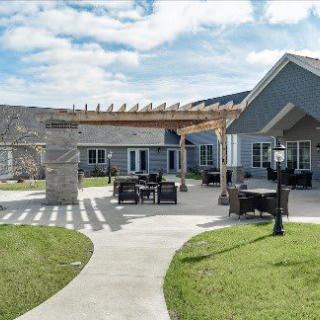
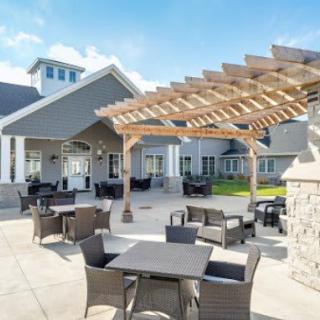
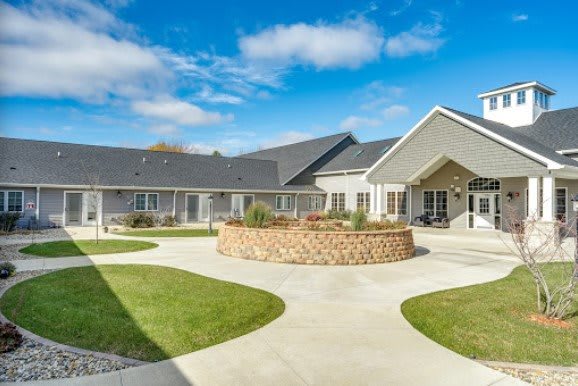
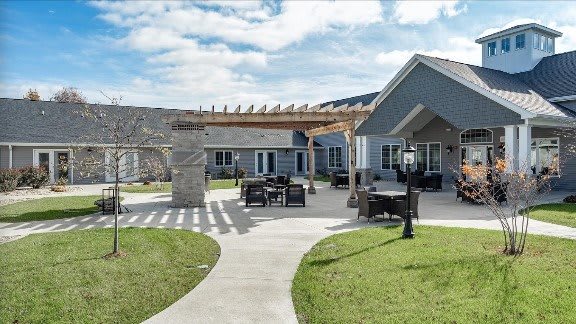
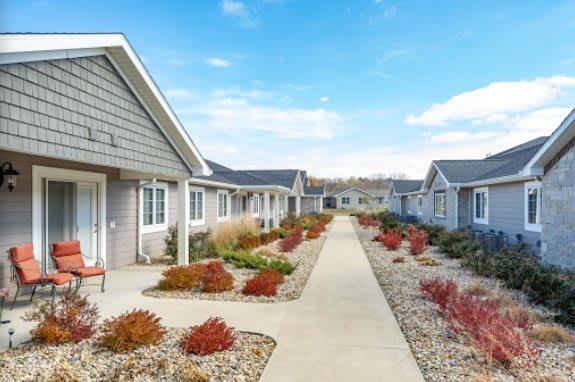
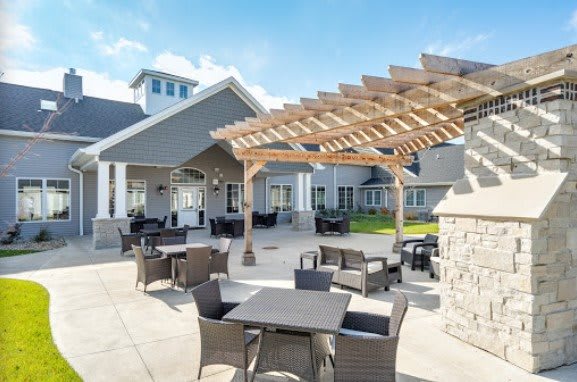
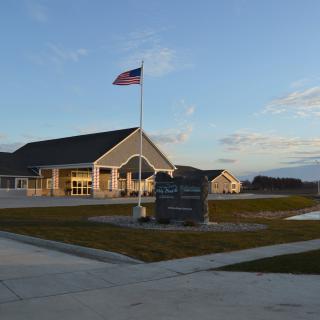
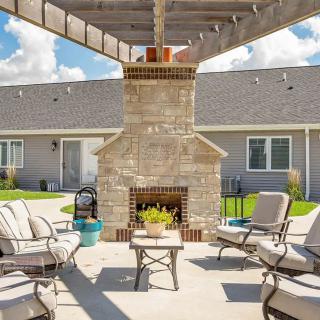
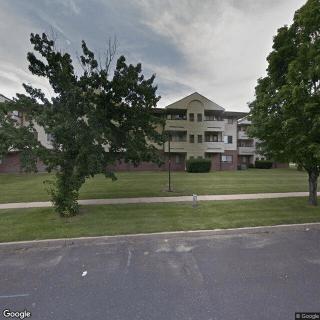
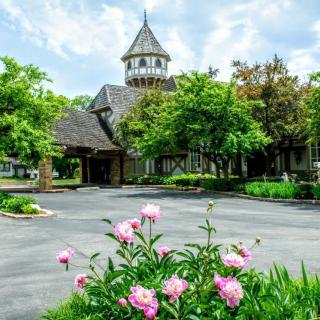
The Villas of Holly Brook & Reflections - Bellevue is ideal for seniors who want a bright, home-like campus with a lively activity calendar and a hands-on care team. The Reflections memory-care program adds structure for residents with cognitive challenges, while assisted-living paths serve those rebuilding strength after a health setback and pursuing gradual independence. This is a setting that rewards residents and families who engage, participating in care planning, visiting regularly, and building relationships with the caregiving staff. The building itself is inviting, with ample common spaces and an enclosed courtyard that supports socializing and safe movement. When leadership and front-line staff align, residents experience reliable attention, prompt responses, and a sense of community that makes recovery and daily life more manageable.
The section is best approached with caution by those who require impeccably consistent safety oversight. The strongest warnings come from reports of long intervals between checks, delayed call-bell responses, and gaps in supervision that undermine resident security. Administrative dynamics, claims of bullying, frequent leadership turnover, and misdocumentation, create a climate where trust is hard to maintain. For memory-care residents or others needing highly predictable supervision, the history pushes toward caution: a facility must demonstrate stable leadership and continuous, reliable staffing. Families that cannot tolerate potential lapses in monitoring or the perception of being unheard should compare options with documented safety records, steady management, and consistent care teams before committing.
Key pros land when leadership is dependable. On balance, the campus delivers in atmosphere and care delivery: the space feels clean, cheerful, and well maintained; dining rooms offer variety and attentive service; and CNAs and nurses frequently receive praise for warmth and responsiveness. Activity programming is creative and plentiful, and the on-site PT/OT presence helps residents maintain function. The dining and housekeeping teams are dependable when staffing is adequate, and in periods when leadership stabilizes, family communication improves, phone calls, emails, and updates become routine rather than episodic. Several families highlight a refreshed management team that answers inquiries promptly and follows through on commitments, a crucial factor for those weighing ongoing care needs. When staffing and leadership are solid, the Villas deliver a high-quality, socially engaging environment that supports independent living with appropriate assistance.
Main cons demand careful scrutiny. The most serious concerns center on safety, consistency, and communication. Accounts describe extended gaps between caregiving checks, alarms going unaddressed, and periods where residents’ needs were not monitored closely enough, sometimes followed by questions about charting accuracy. Documents or administration have been accused of misrepresentation and bullying behavior, which erodes trust and raises the risk calculus for families. Maintenance and housekeeping have occasionally fallen short, with reports of odor, clogged toilets, or delayed fixes in memory-care settings. Snow events and building access have left residents effectively trapped at times, underscoring vulnerability during emergencies. These are not background issues; they directly affect daily life, dignity, and safety, and they must be weighed against any perceived warmth and activity offerings.
The balance between positives and negatives hinges on leadership stability and engagement. For families who can add a robust layer of oversight, regular visits, care-planning meetings, and ongoing validation of care quality, the Villas offer a compelling blend: a comfortable, well-kept environment, responsive caregivers, robust dining and social programming, and coordinated in-house therapy and medical oversight. Improvements cited under new management suggest a trajectory toward reliability, which would tilt the balance in favor of choosing this community. However, the risk remains that turnover could recur or safety gaps reappear, eroding the upside. This is not a set-and-forget decision; it requires active, continuous involvement from family and a clear plan to verify ongoing performance.
Prospective residents should pursue rigorous, in-person assessments focused on current operations. Request current caregiver-to-resident ratios by shift, tour the Reflections memory-care space during active hours, and meet the Executive Director and Director of Nursing to gauge consistency and tone. Ask for recent incident logs and corrective actions, and request direct references from multiple families about admin responsiveness and safety. Visit during meals and peak activity times to observe how staff interact with residents, how call bells are answered, and how concerns are documented. If a vibrant, social environment with attentive care is the priority and ongoing family involvement is feasible, this community warrants careful consideration and closer follow-up. For those whose confidence in daily safety and transparent governance is limited, exploring alternatives with demonstrable reliability remains the prudent path.
 Assisted Living
 Memory Care
 Activities off-site
 Beautician on-site
 Devotional services on-site
 Indoor common areas
 Outdoor common areas
 Respite or short term stays offered
 Wheelchair accessible showers
 Greater Peoria Regional (2 miles away)
 Ambulatory care
 Diabetic care
 Incontinence care
 Medication management
 Low / no sodium


 Dementia Behaviors: In-Depth Understanding and Effective Coping Strategies
 5 Early Indicators of Dementia and What You Can Do
 8 Important Indicators That Memory Care May Be Necessary