
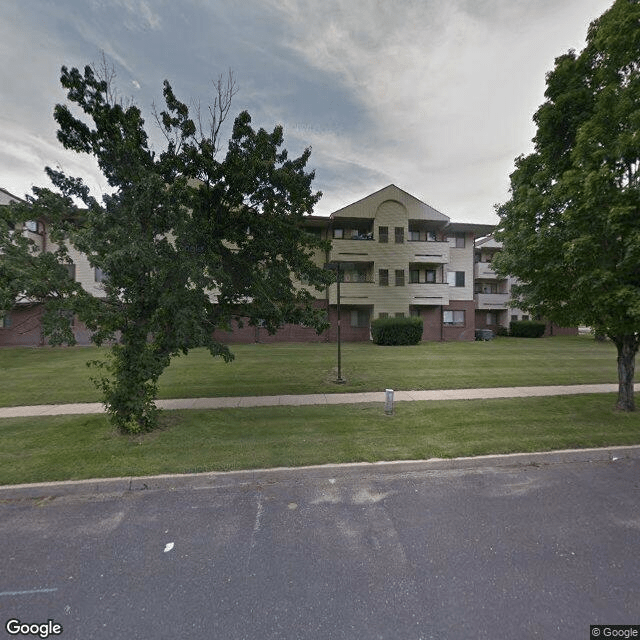
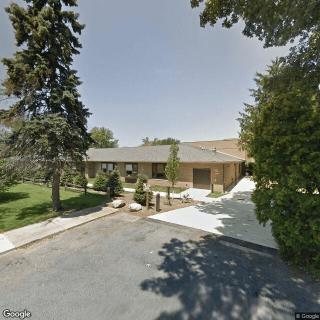
915 S Helen St, Peoria, IL 61605
To contact a resident: (309) 676-5087
For more information about senior living options: (866) 208-4318
Southside Manor Apartments Costs & Pricing
Southside Manor Apartments offers competitive pricing for its 1-bedroom units at $1,062 per month, significantly lower than both Peoria County's average of $3,055 and the broader Illinois state average of $3,527. This makes Southside Manor an attractive option for those seeking quality living at a more affordable price point. With such a marked difference in costs compared to the surrounding county and state averages, residents can enjoy the benefits of a well-managed community without straining their budgets.
| Floor plans | Southside Manor Apartments | Peoria County | Illinois |
|---|---|---|---|
| 1 Bedroom | $1,062 | $3,055 | $3,527 |
Senior living communities with a similar price nearby
-
from +$38 / mo
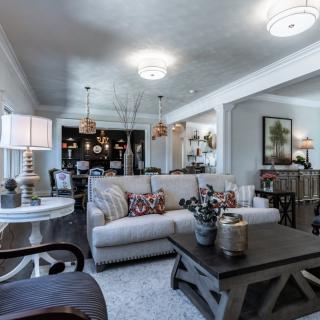
Elm Haven Place
$1,100 / month19.6 miles away -
from -$135 / mo
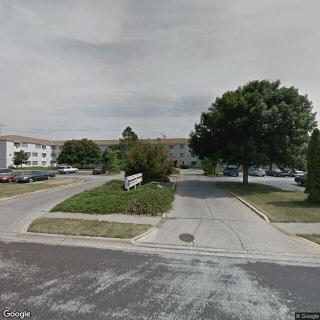
Creekwood Apartments
$927 / month9.8 miles away
Overall Review of Southside Manor Apartments
Cons
 The apartments have bugs that no one will deal with.
- The night security is not upfront about managing the door, and someone tried to get into the mom’s apartment.
- The units are not clean; no one cleans them.
- The place is not a good one.
- People fight in their apartments and play loud music.
- Carrie, the property manager, doesn’t care and is there just to collect a paycheck.
Review
Southside Manor Apartments in Peoria is not a fit for the typical senior seeking worry-free, well-managed living. It is best suited for residents who can tolerate ongoing maintenance gaps, pest problems, and lax on-site security while living independently. In practical terms, the property serves only those who prize affordability or location over cleanliness, safety, and predictable service. For seniors or families requiring reliable upkeep and a quiet, secure environment, this option should be crossed off the short list. Prospective residents should recognize the likelihood of persistent pest issues, unmanaged entry access, and frequent disruptive noise as part of daily life if this community is considered.
From the sole review, pests plague the units and appear to be left unaddressed, which immediately undermines health and comfort. Cleanliness is described as inconsistent at best, with no one ensuring a reliable cleaning routine. Security concerns loom large: the night security presence is not upfront about managing access, and there is at least one troubling incident where someone attempted to enter a resident’s apartment. The environment is further degraded by neighbors fighting and playing loud music, establishing a disruptive, stressful living scenario rather than a peaceful home. The property manager is depicted as uncaring, focused on collecting rent rather than safeguarding resident welfare. Taken together, these issues remove any confidence in daily safety, dignity, and predictability.
There are virtually no redeeming features present in the account to offset these failures. The typical advantages associated with independent living, privacy, convenience, potential cost savings, do not materialize here in any credible way. Without transparent maintenance protocols or documented, timely responses to concerns, any promised benefits remain theoretical. In practical terms, a resident must weigh the comfort of a private apartment against persistent pest problems, unresolved cleanliness gaps, and a sense of vulnerability. For families evaluating long-term needs, the mismatch between expectations and experience grows quickly, making the negatives overwhelmingly persuasive.
Before considering placement, families should demand concrete, verifiable details. Request written records of pest-control interventions, cleaning schedules, and housekeeping frequency for each unit. Seek explicit security procedures: who screens entry, how access is controlled, whether cameras exist, and how incident reporting is handled. Assess the responsiveness of management by requesting live discussions about past tenant concerns and a clear escalation path. Inquire about noise policies, lease terms, and any documented disputes between tenants. Arrange visits to multiple units at different times to observe consistency in upkeep and security. If answers lean toward reactive problem-solving rather than proactive maintenance, that is a red flag signaling a poor long-term fit.
Alternatives should be strongly considered for anyone prioritizing safety, cleanliness, and reliable service. Look for independent living communities with robust on-site maintenance and transparent policies, or senior living options with active management teams and clear accountability. A strong choice will demonstrate pest-control protocols, consistent cleaning standards, secure entry, and a track record of promptly addressing resident concerns. Where care needs could escalate, prioritize environments that integrate staff oversight and proactive safety measures rather than merely offering housing. In today’s landscape, effective management is the differentiator between a decent apartment and a genuinely livable, secure home for seniors.
Bottom line: Southside Manor Apartments presents a risk profile that many families will find unacceptable for elders or independence-focused seniors. The issues described, pest problems, poor cleanliness, insecure entry, and a dismissive management vibe, far outweigh any potential convenience. Prospects should direct attention toward communities with verified cleanliness standards, robust security controls, and proactive, resident-centered management. If staying within this locale becomes unavoidable, insist on formal guarantees: documented pest-control schedules, clear maintenance SLAs, and a detailed safety plan before committing. The prudent choice is to pursue alternatives that deliver reliable daily livability and peace of mind, rather than ongoing anxiety and uncertainty.
 Active Adult Communities (55+)
 Cats allowed
 Dogs allowed
 Activities off-site
 Devotional services off-site
 Indoor common areas
 Outdoor common areas
 Wheelchair accessible showers
 Greater Peoria Regional (4 miles away)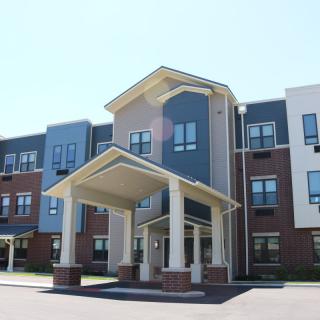
 Clean, well-kept environment with helpful staff and engaging on-site activities.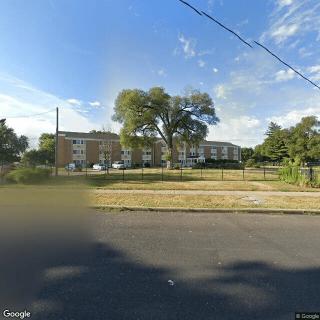


 A Detailed Examination of Nursing Home Costs Across the U.S.
 Exploring Nonmedical Home Care: Understanding Services, Costs, and Financial Approaches
 Engaging Brain Games and Innovative Apps to Keep Senior Minds Active