
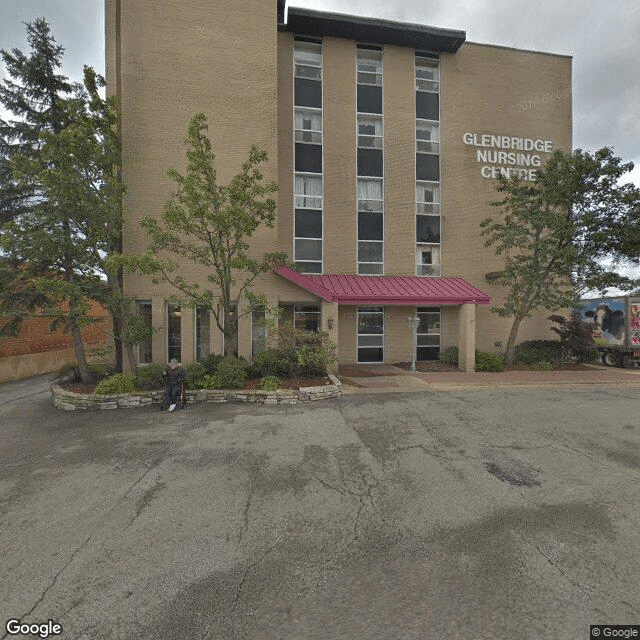
8333 W. Golf Rd., Niles, IL 60714
To contact a resident: (847) 966-9190
For more information about senior living options: (866) 208-4318
Glenbridge Nursing & Rehabilitation Center Costs & Pricing
Glenbridge Nursing & Rehabilitation Center offers competitive pricing for its private rooms at $3,750 per month, which is significantly lower than the average costs in Cook County and throughout Illinois. In comparison, the average private room rate in Cook County stands at approximately $5,168, while the statewide average is around $5,049. This discrepancy highlights Glenbridge's commitment to providing accessible and affordable care without compromising on quality or comfort. By choosing Glenbridge, families can find a compassionate environment for their loved ones that aligns with their financial needs while ensuring they receive exceptional support and services.
| Floor plans | Glenbridge Nursing & Rehabilitation Center | Cook County | Illinois |
|---|---|---|---|
| Private | $3,750 | $5,168 | $5,049 |
Skilled Nursing Facilities with a similar price nearby
-
from -$725 / mo

Brookdale Des Plaines
$3,025 to $4,710 / month2.7 miles away -
from -$464 / mo

The Garlands of Barrington
$3,286 to $9,430 / month16.5 miles away -
from -$320 / mo
The Selfhelp Home
$3,430 to $4,630 / month10.8 miles away -
from -$662 / mo

Wyndemere
$3,088 to $5,039 / month20.5 miles away -
from +$550 / mo

The Clare
$4,300 / month15.2 miles away
Overall Review of Glenbridge Nursing & Rehabilitation Center
Cons
 No human being should be living in this hell.
- The care is absolutely poor.
- Patients are not being treated appropriately.
- There is a lack of staff.
- There is a lack of CNAs.
- The reviewer’s mother was not cleaned at goal.
- The food is awful.
- It is full of cockroaches.
- The facility has received numerous government citations.
- The rating is only 1.
Review
Glenbridge Nursing & Rehabilitation Center in Niles is best suited for families that insist on active oversight and a readiness to act quickly if quality slips. The community appears most appropriate for residents who can tolerate ongoing monitoring while receiving routine skilled care, and whose relatives can check meals, cleanliness, and staff responsiveness on a regular basis. With safety-net concerns repeatedly raised in reviews, this is not a setting for passive guardianship. Prospective residents should enter with a plan for consistent involvement, a clear visitation schedule, and readiness to explore alternatives if care quality proves uneven. The location in Niles can be convenient, but that convenience must be weighed against serious care risks.
The dominant red flags center on staffing and day-to-day care. Multiple accounts describe chronic shortages of CNAs and caregivers, leading to lapses in basic hygiene and personal care. Residents report not being cleaned adequately, and meals are described as unpalatable, which compounds risk to nutrition and overall well-being. A pattern of government citations underscores regulatory challenges rather than isolated incidents. If roach sightings are accurate, hygiene failures there would be unacceptable in any skilled-nursing environment. Taken together, these factors erode trust in consistent, respectful treatment and long-term safety, and they overwhelm any faint upside from stability if those issues persist.
A small but notable nuance is a resident who has lived there for more than four years, stating the only real complaint is the food. That single data point hints at pockets of manageability and potential stability when day-to-day care is adequate. Yet this limited positive signal cannot offset the broader pattern of understaffing and quality concerns voiced by other reviewers. Stability without high-quality care is not a legitimate trade-off for families seeking reliable safety and dignity. In practical terms, the facility may work for individuals who require minimal assistance and receive substantial supervision from family members, but that is a narrow slice of need that does not reflect typical experience.
For families evaluating Glenbridge, concrete next steps are essential. Request current staffing schedules and CNA-to-resident ratios for each shift, and scrutinize housekeeping records and pest-control programs. Tour dining areas and, if possible, sample meals to assess nutritional quality and palatability. Inquire about meal options, special diets, and whether dining services accommodate residents with swallowing or diabetic needs. Clarify wound care, medication management, and how condition changes are communicated to families. Review state inspection reports and corrective-action plans to gauge whether past issues have been resolved. Engage multiple current residents or families about responsiveness, transportation to appointments, and activity engagement to determine whether operations are improving or stagnating.
If the level of risk is unacceptable, serious consideration should be given to alternatives. Facilities with stronger staffing models, better food programs, and fewer regulatory concerns offer more reliable daily rhythms. Assisted living options with consistent dining quality, structured activities, and transparent family communication can provide a softer transition for those not needing intensive skilled nursing. For residents requiring rehabilitation or long-term care, comparing several nearby facilities will reveal meaningful differences in staffing stability, cleanliness, and food service. A decision framework focused on staffing coverage, dining satisfaction, and regulatory history will illuminate the best fit for specific needs and goals.
Overall, Glenbridge presents a troubling mix: significant questions about care quality and hygiene paired with only modest signals of stability. The responsible choice is to approach with vigilant oversight, clear escalation pathways, and a firm mandate to reassess if conditions do not improve. Schedule comprehensive, multi-visit assessments and demand up-to-date inspection and staffing data before committing. If reliable, respectful care with robust staffing and clean environments is prioritized, other options deserve priority consideration. Glenbridge can still be a temporary placement only for families prepared to actively manage risk and pursue timely transitions when necessary.
 Skilled Nursing Facility
 Private
 Chicago O'Hare International (6 miles away)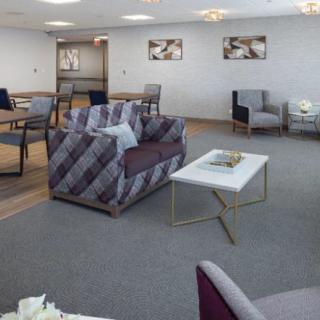
 Extensive on-site amenities and comprehensive care services.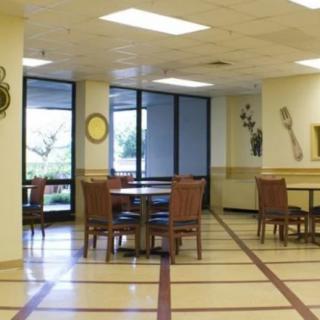






 Caring for Those Who Care: Recognizing, Understanding, and Overcoming Caregiver Burnout
 Caregiver Exhaustion: Recognizing the Signs and Restoring Your Well-Being
 Understanding Hospice Care at Home: Comprehensive Services, Key Benefits, and Eligibility