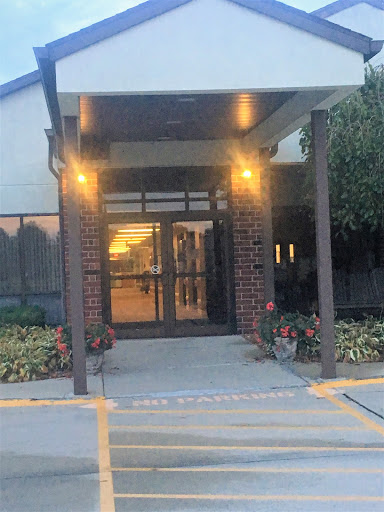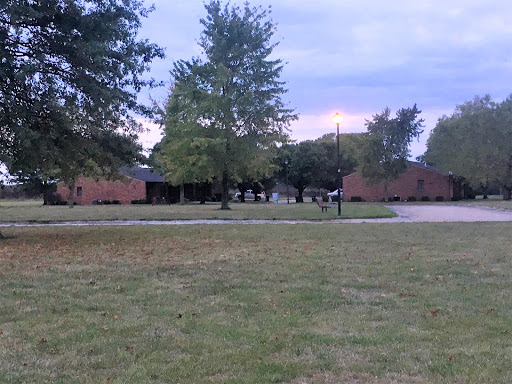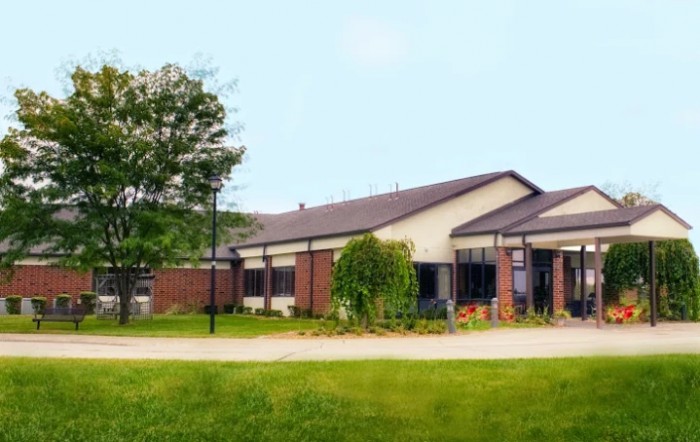
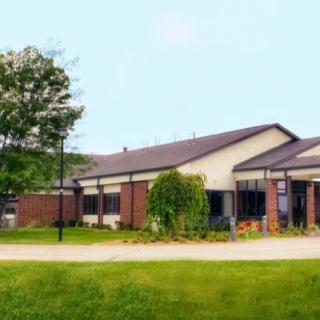



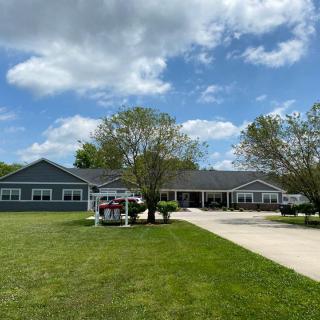
101 Trowbridge Road, Neoga, IL 62447
For more information about senior living options: (866) 208-4318
Overall Review of Heartland Christian Village
Pros
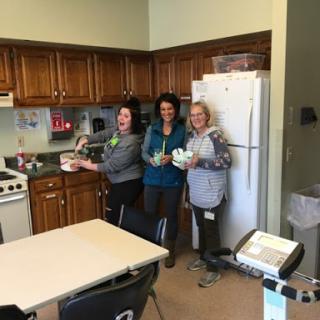
 The staff cared for her with love and compassion.
- Each staff member treated her with genuine care and respect.
- They were wonderful with her and her family.
- The food was great.
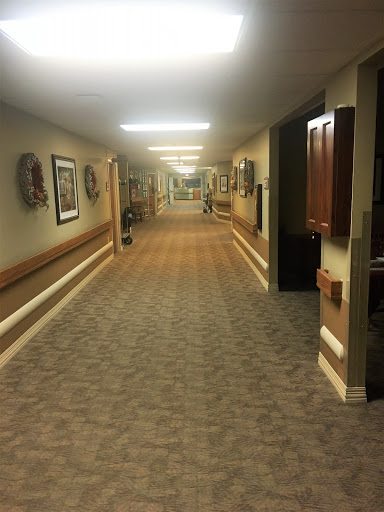
- The facility was clean.
- It is the best nursing home in the area.
- The staff were above average and demonstrated conscientious behavior.
- They offered regular games, activities, walks, and painting classes.
Cons
 The grandmother's care is described as less than stellar.
- The aides do not use gait belts to transfer residents.
- Residents are left to get their own ice water.
- Some staff are downright rude.
- The family was not informed of the chest X-ray results.
- They only get two meals a day.
- There is insufficient staff to cope with Alzheimer’s patients in the evenings.
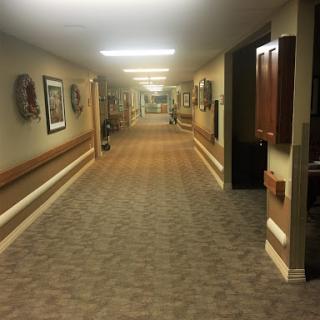
- The facility is warehousing-like and not very tasteful.
Review
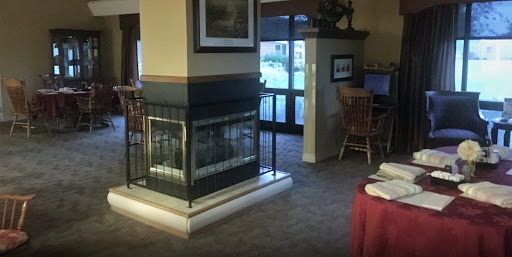
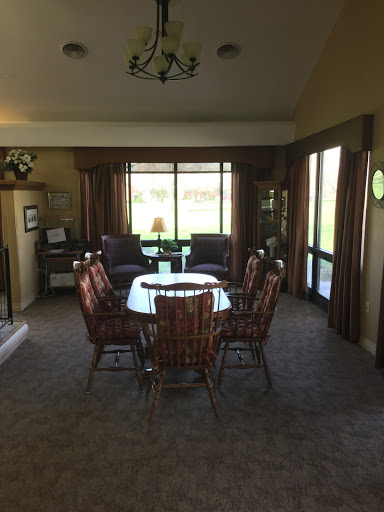
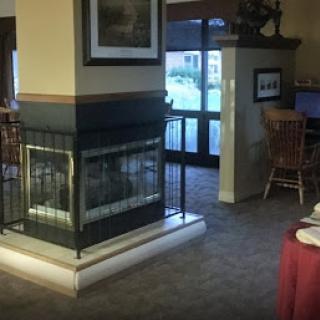
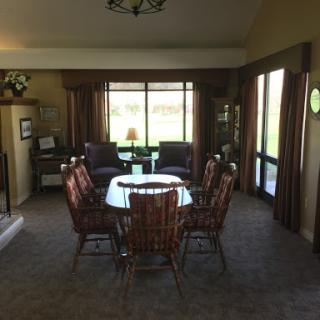
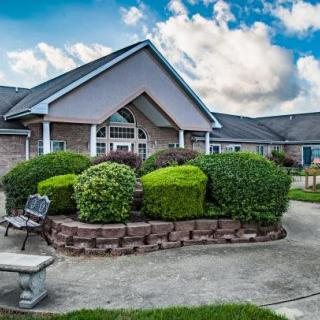
Heartland Christian Village in Neoga, IL is best suited for families seeking a warm, neighborly setting where daily life is comfortable and staff attention is tangible. It suits seniors who need occasional nursing assistance and enjoy a small‑town atmosphere, where clean facilities, dependable meals, and regular social activities contribute meaningfully to quality of life. It can work well for residents who want the option to start in a private apartment and transition to more intensive care if needed, with centralized dining and accessible common spaces that support independent living with support.
Those who may want to consider alternatives are families seeking highly consistent, round‑the‑clock medical oversight or robust dementia care every evening. Several reviews flag uneven staffing and gaps in care coordination, including reports of staff not following doctors’ instructions, missed communication about medical results, and some friction in how admissions and daily routines are managed. Ambiguity around dining room visitation and meal frequency also appears in the feedback, along with concerns about weight loss and timely medical updates. For families prioritizing flawless communication and specialized dementia support, exploration of other options is prudent.
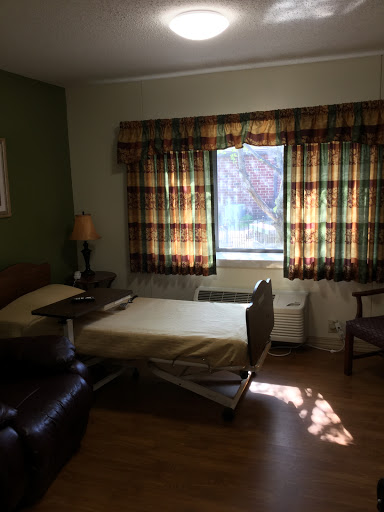
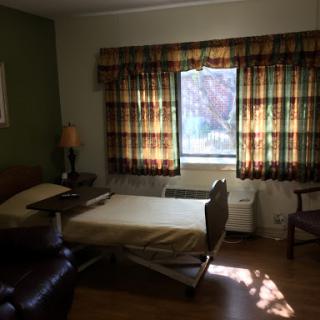
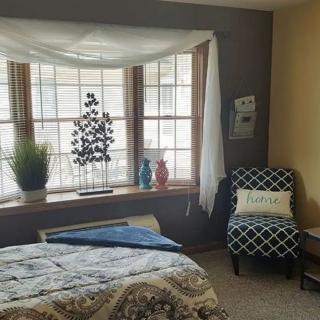
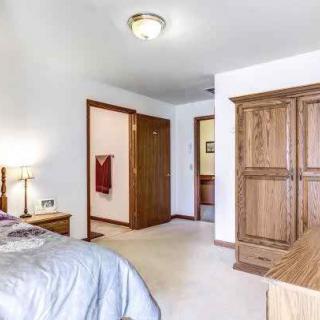
The strongest positives here are practical and deeply human: caregivers who, in many instances, treat residents with genuine kindness and respect, and a clean environment paired with solid meals. The facility’s layout supports varied living arrangements, including private rooms, doubles, and some apartment-style options, plus an indoor courtyard and regular recreational activities. In addition, the affiliation with medical professionals, doctors, hospice, and other clinicians, fosters a sense that medical input is considered in planning care. For families who value a homey feel and dependable day‑to‑day life, these factors often offset some of the inherent care‑coordination frictions.
Yet the main drawbacks deserve careful weighing. Inconsistent staffing and occasional resistance to following medical orders create a risk of gaps in care, particularly during transitions or evenings when supervision is critical. Several reviews recount experience where care plans were not fully executed or where staff were not adequately aligned with physicians’ recommendations. There are troubling anecdotes about communication lapses, such as not being informed of test results, and about visible gaps in oversight that can erode trust with families already navigating difficult decisions. Dietary expectations, including frequency of meals, also emerge as a concern that can affect nutrition if not actively managed. Finally, the presence of “warehousing‑type” Medicaid rooms and questions about the overall approach to dementia care in the evenings signal a ceiling on capability for residents with higher acuity needs.
A practical decision approach is essential. Prospective families should schedule visits at different times of day to observe staffing, ask for a transparent care plan review, and request specific examples of how medical questions are answered and documented. Inquire about the facility’s dementia care capabilities, especially for evening hours, and verify whether there are dedicated activities staff and programming for residents with memory impairments. Demand clarity on meal schedules, dietary oversight, and any fluctuations in service levels. Ask to meet the administrator or director of nursing, and request current references from families with similar needs. Finally, probe the proof of qualities that matter most: staffing ratios, care coordination processes, and a clear policy on gait belts, safety transfers, and visitor access.
The bottom line is clear: Heartland Christian Village delivers warmth, cleanliness, and a livable daily rhythm that many families value highly. Its strengths, compassionate care in practice, good food, a well‑kept facility, and flexible living arrangements, make it a solid option for seniors who prioritize a welcoming environment over clinical excess. However, the mixed experiences around care consistency, communication gaps, and dementia care limitations mean that a thorough, skeptical evaluation is essential. For families who prize a nurturing, socially active setting and can actively supervise care plans and medical communications, Heartland Christian Village can be a strong fit. For those whose criteria hinge on flawless care coordination and robust evening dementia support, alternatives deserve careful comparison and likely closer scrutiny before committing.
 71 resident community capacity
 Independent Living
 Skilled Nursing Facility
 Air-conditioning
 Beauty salon
 Cable or satellite TV
 Computer center
 Dining room
 Fitness room
 Fully furnished
 Gaming room
 Garden
 Housekeeping services
 Kitchenette
 Move-in coordination
 Outdoor space
 Private bathrooms
 Restaurant-style dining
 Small library
 Telephone
 Wellness center
 Wi-Fi/high-speed internet available
 Community operated transportation
 12-16 hour nursing
 24-hour call system
 Activities of daily living assistance
 Assistance with bathing
 Assistance with dressing
 Assistance with transfers
 Diabetes diet
 Medication management
 Mental wellness program
 Special dietary restrictions
 Concierge services
 Planned day trips


 Caring for Those Who Care: Recognizing, Understanding, and Overcoming Caregiver Burnout
 Caregiver Exhaustion: Recognizing the Signs and Restoring Your Well-Being
 Understanding Hospice Care at Home: Comprehensive Services, Key Benefits, and Eligibility