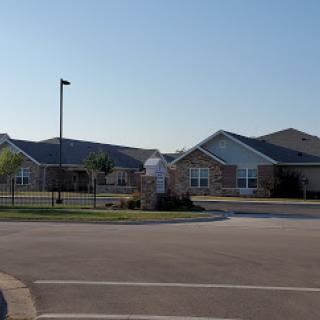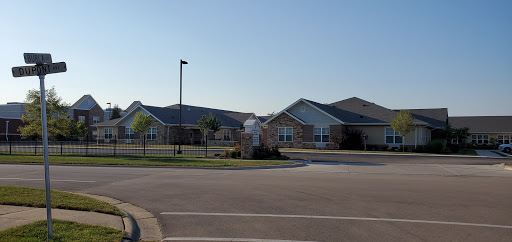

1223 Edgewater, Morris, IL 60450
For more information about senior living options: (866) 208-4318
Overall Review of Park Pointe Healthcare & Rehab
Pros
 The staff were very caring and professional.
- The CNAs and nurses treated the father with care and respect.
- Most of the staff were great and caring.
- The administrator was always there to help when they were short-handed.
- The place is clean and odor-free.
- The smiles on residents' faces show why the staff come to work every day.
- The reviewer would choose this facility again.
Cons
 The reviewers describe the facility as disgusting, with inedible food and a lack of cleaning.
- Residents are left waiting for hours with no one checking on them.
- Poop is reportedly on the floors and in the bathroom.
- Some staff members are described as ignorant and uncaring.
- The doctor is faulted for not reviewing bloodwork, leading to infection and unsafe care.
- Care is described as slow, neglectful, poorly coordinated, with nurses overworked and understaffed.
- The place is labeled a cold “dump” and would not be recommended.
Review
Park Pointe Healthcare & Rehab in Morris is best suited for families that prize a clean, home-like environment and staff warmth when the staffing signal is green. The community can feel respectful and comforting in moments when caregivers are present, and when leadership is engaged. It may work for residents who need help with daily tasks but can thrive with attentive face-to-face care, provided the family can supervise closely and insist on steady communication and solid care planning. This is not a hands-off option; it rewards vigilance, organized routines, and clear expectations up front.
Those who should consider alternatives are residents with high medical complexity or who require consistently rapid responses and flawless coordination. Several reviews point to long waits for assistance, delayed medications, and slow transfer of information between rooms and doctors. Families that cannot or will not conduct active oversight may encounter unacceptable gaps in care. Out-of-town or largely absent families will want a facility with a proven, reliable chain of communication and a track record of timely medical decision-making. For anyone prioritizing consistent medical oversight and relentless attention to safety, this is a warning flag.
On the positive side, Park Pointe can deliver a clean, odor-free environment that feels cared-for when staffing aligns with need. Several residents and their families report genuinely compassionate, professional caregivers who treat loved ones with respect, and experienced staff who keep a sense of home even inside the clinical setting. The administrator is cited as a steadying presence during staffing crunches, and some CNAs and nurses are remembered for going the extra mile. In rehab stays, a number of reviewers describe sessions and staff as capable and attentive, underscoring that quality care does surface when the team is adequately staffed.
Yet the negatives create a substantial counterweight. The most persistent concern is understaffing, which translates into long wait times, delayed responses, and a sense that residents are left waiting in discomfort or pain. Observed lapses in basic safety supplies and equipment, such as blood pressure cuffs and a crash cart, signal systemic gaps in readiness. Reports of call bells going unanswered, aides spending time on personal phones rather than resident needs, and a general perception of “care that is sub-par” when the unit is busy underline a fragile reliability. The most severe stories are wrenching: a resident who waited hours for help after a fall, medications arriving far later than prescribed, and a perception of indifference that left families grieving for the loss of a compassionate connection.
Ultimately, the key pros can be meaningful, cleanliness, a few consistently caring staff members, and visible administrative involvement, only insofar as they offset the dominant risk: inconsistent, delayed, or under-coordinated care. When care teams are present and engaged, residents can experience meaningful moments of dignity and competence. But those moments are uneven, and the gap between a good shift and a poor one can be wide. The facility’s ability to recruit, retain, and motivate a stable caregiving team will determine whether the positives outweigh the risks on any given day.
For families weighing this community, the prudent path is action-oriented due diligence. Visit at varying times, especially during mealtimes and shift changes, to observe response times and staff engagement. Ask for a detailed care plan, request direct access to the charge nurse or clinical supervisor, and insist on written expectations for medication administration, timely transfers, and daily updates to families. Document and compare how urgent needs are handled versus routine needs, and probe whether the administration has a concrete escalation process when gaps appear. If reassurance hinges on transferrable evidence of consistency and safety, Park Pointe may not consistently deliver; if reassurance hinges on the ability to actively manage the care plan and compel reliable staffing, it can be a workable option. When in doubt, explore other local facilities with stronger, demonstrable track records in care coordination and rapid response.
 142 resident community capacity
 Skilled Nursing Facility
 Air-conditioning
 Beauty salon
 Cable or satellite TV
 Computer center
 Dining room
 Fitness room
 Fully furnished
 Gaming room
 Garden
 Housekeeping services
 Kitchenette
 Move-in coordination
 Outdoor space
 Private bathrooms
 Restaurant-style dining
 Small library
 Telephone
 Wellness center
 Wi-Fi/high-speed internet available
 Community operated transportation
 12-16 hour nursing
 24-hour call system
 Activities of daily living assistance
 Assistance with bathing
 Assistance with dressing
 Assistance with transfers
 Diabetes diet
 Medication management
 Mental wellness program
 Special dietary restrictions
 Concierge services
 Planned day trips


 Understanding the Nuances of Palliative Care and Hospice: A Comprehensive Exploration
 Fecal Incontinence in Older Adults: A Comprehensive Guide
 Recognizing the Journey: Understanding and Navigating Anticipatory Grief