







The Gardens at Park Pointe

Save

  • Interior

    A neatly made bed in a bedroom with a patterned comforter, accompanied by a nightstand holding a lamp and vase of red roses.
  • Decor

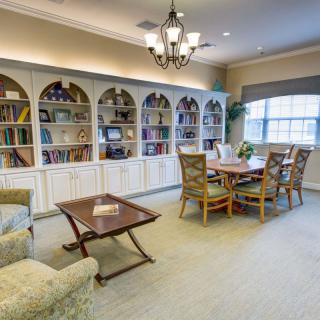
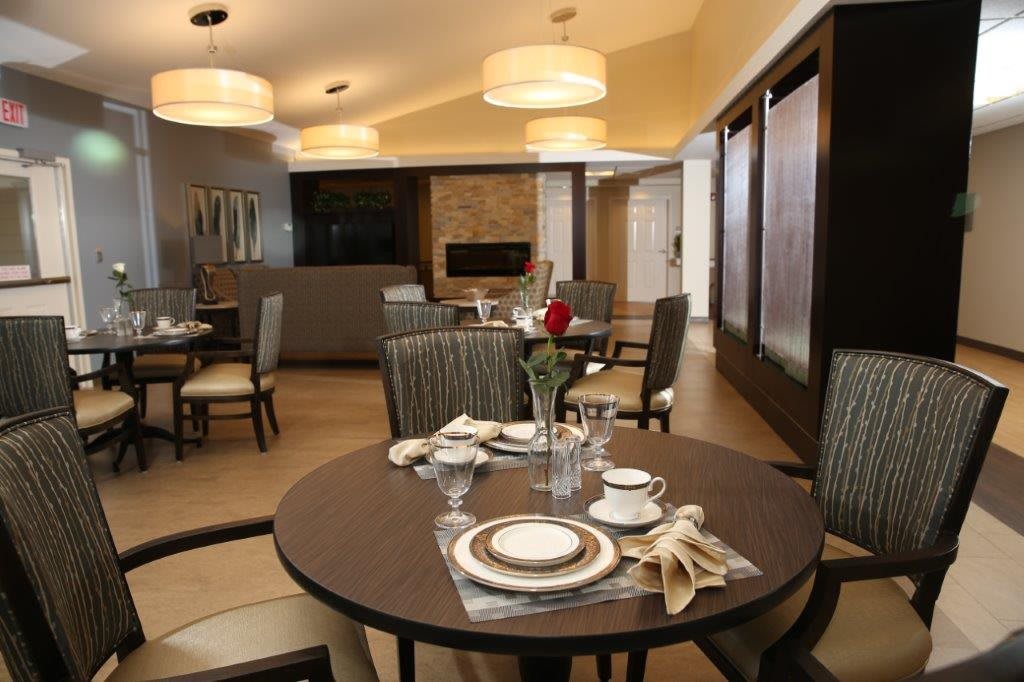
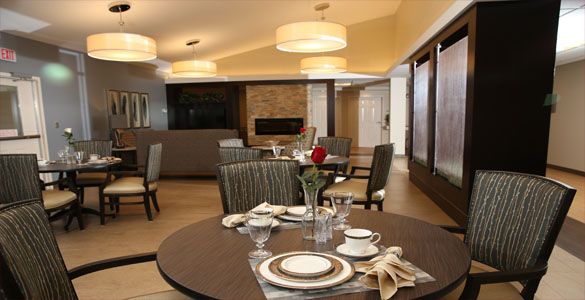
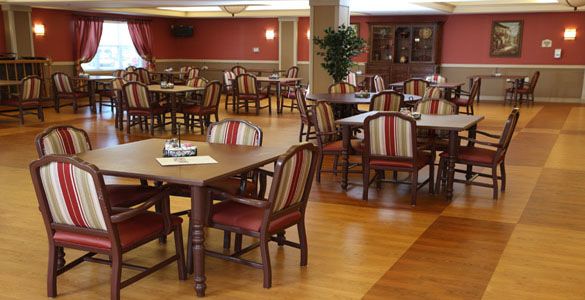
    A modern dining room with elegant table settings and stylish decor.
  • Living Room

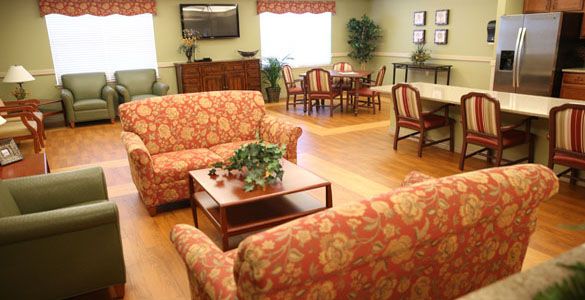
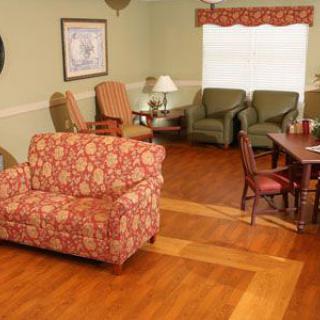
    A cozy living room with floral sofas, a coffee table, and a dining area in the background.
  • Bedroom

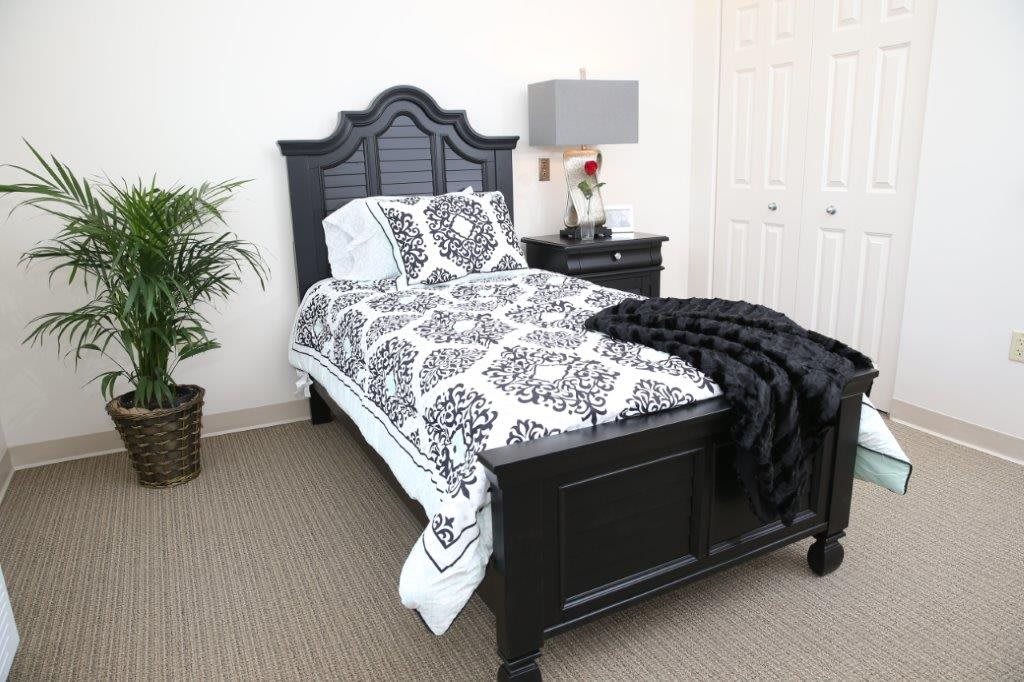
    A stylish bedroom featuring a black bed with patterned bedding, accompanied by a nightstand and lamp, with a decorative plant in the corner.
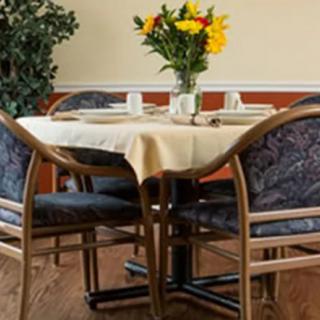
  • Dining

    An empty dining room with neatly arranged tables and chairs.
  • Seating Area

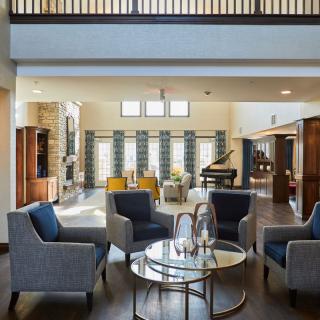
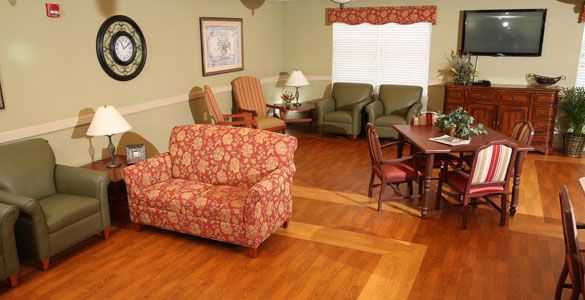
    A cozy living room with a patterned sofa, chairs, and wooden flooring.
  • Natural Light

    A bouquet of white tulips in soft natural light.
  • Hardwood Floor

    A cozy living room with patterned sofas, armchairs, and a coffee table, complemented by decorative plants and elegant curtains.
  • Lighting Fixtures

    A modern dining room with elegantly set tables and comfortable seating.
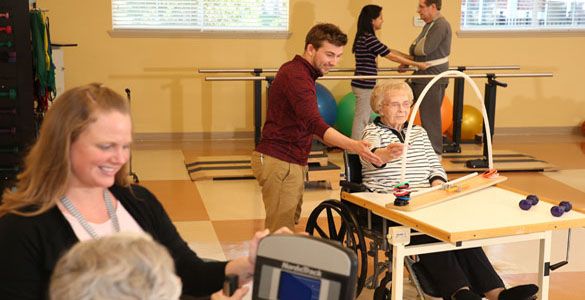
  • Rehabilitation

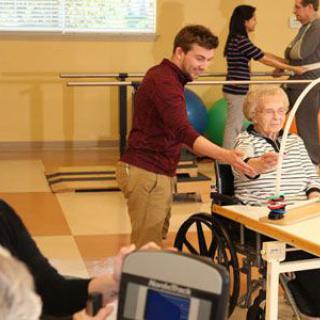
    A physical therapist assists an elderly patient during a rehabilitation session in a care facility.

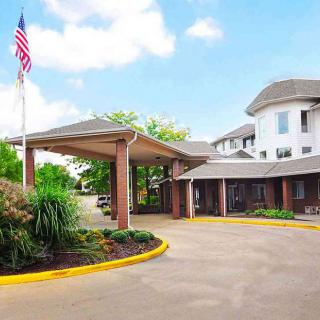
The Gardens at Park Pointe in Morris, IL

1550 Dupont Avenue, Morris, IL 60450

For more information about senior living options: (844) 490-3973

3.9 from 17 reviews
5 stars
10
4 stars
1
3 stars
3
2 stars
0
1 stars
3

Assisted Living Memory Care

The Gardens at Park Pointe Costs & Pricing

The Gardens at Park Pointe offers a studio room at a monthly cost of $5,500, which is slightly lower than the average for Kendall County at $5,623. However, it stands out when compared to the broader Illinois market, where the average cost for similar accommodations is significantly more affordable at $4,028. This positioning suggests that while The Gardens at Park Pointe may be on the higher end of the scale locally, it provides a competitive option within the county. Residents can expect premium amenities and services that reflect the investment in their comfort and well-being.

Floor plansThe Gardens at Park PointeKendall CountyIllinois
Studio$5,500$5,623$4,028

What level of care are you interested in?

Assisted Living

Memory Care

Independent Living

Skilled Nursing Facility

Continuing Care Retirement Community (CCRC)CCRC

Other


Request a tour at The Gardens at Park Pointe

    Overall Review of The Gardens at Park Pointe

    Pros

    • pro The staff are caring and attentive CNAs and nurses.
    • pro The Gardens at Park Pointe is regarded as the best memory care option in the area.
    • pro The facility is beautiful, clean, and well maintained, and residents are well cared for.
    • pro There are daily activities for residents, including bingo and hymns.
    • pro The dining area is well kept, and family members can join residents for meals.
    • pro The activities director is doing an awesome job.
    • pro Pricing is competitive and affordable.
    • pro It is a nice place for elderly.

    Cons

    • pro The staff struggle interacting with Alzheimer's patients and lack training in de-escalation and daily living support.
    • pro They have no access to cleaning supplies on the afternoon and night shifts.
    • pro The cleaners are locked up, and no staff have a key except day shift housekeeping.
    • pro They rely on family members to come in and clean rooms as needed.
    • pro The toilet and bathrooms are rarely cleaned.
    • pro They do not have working phones at times due to unpaid bills.
    • pro They allow CNA staff to pass out medications to patients, including anti-anxiety medications.
    • pro They do not encourage patients to eat and often leave food plates with old food in patient rooms for days.
    • pro For skilled nursing, the staff are spread thin.
    • pro If patients are at a moderate stage of Alzheimer's, the place would not be a good fit.
    • pro The meals are described as typical institution meals.
    • pro Family caregivers need to advocate for the patients they love.

    Review

    The Gardens at Park Pointe in Morris, IL is best suited for families seeking a warm, social memory-care environment where independence varies and where the living space emphasizes comfort and daily engagement. It works best for residents who appreciate an accessible memory-care setting with nearby dining and activity opportunities, and for families who value a home-like feel and the ability to participate in meals with their loved ones. Those with very specific, high-intensity daily-care needs or a requirement for impeccable housekeeping should screen alternatives, as the community's strengths can be offset by notable operational gaps.

    The most compelling positives center on atmosphere and engagement. The facility presents as a beautiful, well-kept campus with an emphasis on activities - bingo, hymns, and daily programs that keep residents socially connected. Families report the memory-care unit allows couples or spouses to remain close, which matters emotionally when one partner needs memory support and the other is in a nearby assisted-living setting. The dining environment is described as pleasant, with opportunities to dine with loved ones, and private apartment layouts offer a degree of privacy and personalization. Price is frequently cited as competitive, often positioned in the lower tier relative to similar options in the region, which makes it attractive for families balancing care quality with budget constraints.

    However, the care story is unsettled by serious operational concerns that can undermine the positive aspects. Staff demonstrate a troubling gap in Alzheimer's-specific training, particularly around de-escalation, encouraging ADLs, and appropriate engagement with residents who have memory impairment. Medication handling has raised alarms in multiple accounts, with CNA staff reportedly passing out medications in ways that merit scrutiny and oversight. The day-to-day environment can feel neglected when basic hygiene and maintenance suffer: cleaners are locked out after shifts, rooms rely on family members to supplement housekeeping, and bathrooms and common areas are sometimes not kept up to standard. Persistent issues with phones and utility bills further complicate communication and connectivity.

    In practice, these cons do not cancel the strengths entirely, but they do shape risk and ongoing-family effort. The existence of caring CNAs and nurses in the skilled-nursing stream is repeatedly acknowledged, and the memory-care staff and activities team receive praise from families who have found value in social programming and personal attention. The ability for families to be actively involved - joining meals, attending activities, and supporting care - can mitigate some daily-care gaps. For residents who are more independent or who require only moderate assistance, the overall environment and price point can offer meaningful quality of life, provided expectations are managed regarding housekeeping, oversight, and timely communication.

    That said, certain residents and families should look harder at alternatives. For anyone with moderate-to-severe Alzheimer's requiring robust, consistently trained staff and a spotless, fully managed living environment, the gaps in daily cleaning, medication governance, and staff-to-resident supervision are meaningful. Those who cannot invest overhead time to supplement care or who rely on reliable phone connectivity and predictable operations will likely find these weaknesses magnify over time. The attached next-door nursing facility dynamic - where transitions between levels of care sometimes disrupt continuity - also complicates planning for couples or closely staged care trajectories, and warrants careful exploration.

    Practical next steps are clear. Schedule direct conversations with the administrator and the activities director to quantify staffing ratios, training programs, and ongoing dementia-support strategies. Request written policies on medication administration, cleaning schedules, and how housekeeping duties are shared between staff and families. Speak with current residents' families to understand whether the planned care consistently meets expectations and to confirm how hospice or palliative services integrate with the campus. Review contracts with a lawyer or POA to ensure clarity on care levels, cost escalations, and transition pathways. When alignment exists between the elder's needs and the community's strengths - engaged memory care, a welcoming atmosphere, and budget-conscious pricing - the Gardens at Park Pointe can be a solid choice; when these alignments are imperfect, alternatives deserve serious consideration.

    Features

    Housing

    • 60 resident community capacity 60 resident community capacity

    Types of Care

    • Assisted Living Assisted LivingAssisted living facilities provide crucial support and care for seniors who may need help with daily tasks such as medication management, bathing, and meal preparation. These communities offer a safe and comfortable environment where seniors can maintain their independence while receiving the assistance they need to thrive in their golden years.
    • Memory Care Memory CareMemory care is crucial for seniors as it provides specialized support and services for individuals with dementia or Alzheimer's disease. These programs offer a safe and secure environment where residents receive personalized care, cognitive stimulation, and help with daily activities. Memory care helps seniors maintain their independence, quality of life, and dignity while also providing peace of mind for their families.

    Amenities

    • Activities off-site Activities off-siteEngaging in off-site activities is crucial for seniors to maintain social connections, stay active, and stimulate their minds. It promotes overall well-being and helps combat feelings of isolation and loneliness.
    • Activities on-site Activities on-siteActivities on-site are important for seniors because they provide opportunities for socialization, mental stimulation, physical activity, and overall well-being. Engaging in activities can help seniors stay active, maintain their independence, and improve their quality of life.
    • Air-conditioning Air-conditioningAir conditioning is important for seniors as they are more vulnerable to heat-related illnesses and may have underlying health conditions that make it difficult for them to regulate their body temperature. It helps to keep them comfortable, safe, and healthy in hot weather.
    • Bath tubs Bath tubsBath tubs are important for seniors because they provide a safe and relaxing way to bathe, helping to prevent slips and falls while promoting independence and overall well-being.
    • Beautician on-site Beautician on-siteHaving a beautician on-site at a senior living community is important for seniors as it allows them to easily access grooming and personal care services, boosting their self-esteem and overall well-being. It also provides convenience and helps seniors maintain their sense of independence and personal style.
    • Beauty salon Beauty salonBeauty salons are important for seniors because they provide a space for them to feel pampered, socialize, and maintain their personal grooming and hygiene. Regular visits to a beauty salon can help boost seniors' self-esteem and overall well-being.
    • Cable or satellite TV Cable or satellite TVCable or satellite TV is important for seniors because it provides entertainment, news, and companionship, helping to combat loneliness and boredom. It also offers a wide range of programming options tailored to different interests and preferences.
    • Computer center Computer centerA computer center is essential for seniors as it provides access to technology, communication tools, and resources that can enhance their daily lives. It allows them to stay connected with loved ones, engage in online activities, and learn new skills, ultimately promoting socialization and mental stimulation.
    • Devotional services off-site Devotional services off-siteDevotional services off-site are important for seniors as they provide spiritual nourishment, social engagement, and a sense of community outside of the senior living facility. This can enhance overall well-being and help combat feelings of isolation and loneliness often experienced by older adults.
    • Devotional services on-site Devotional services on-siteDevotional services on-site provide seniors with spiritual support and a sense of community, as well as an opportunity for reflection and guidance during their senior living experience. This can promote emotional well-being and connection to others, leading to a more fulfilling and enriching lifestyle in their later years.
    • Dining room Dining roomDining rooms are important for seniors as they provide a space for socialization, connection, and nutritious meals. They offer opportunities for residents to bond over shared meals, foster a sense of community, and promote healthy eating habits. Dining rooms also ensure that seniors have access to well-balanced meals tailored to their dietary needs and preferences.
    • Fitness room Fitness roomHaving a fitness room in a senior living community is essential for seniors to stay active, maintain their physical health, and improve their overall well-being. Regular exercise can help prevent falls, reduce the risk of chronic diseases, and promote mental sharpness. It also provides social opportunities for residents to connect with others and enjoy a sense of community.
    • Fully furnished Fully furnishedFully furnished senior living communities are important for seniors because they provide convenience, comfort, and a hassle-free moving experience. Seniors can easily settle into their new living space without the stress of having to buy and move furniture. This allows them to focus on enjoying their new home and community.
    • Gaming room Gaming roomGaming rooms are important for seniors as they provide a fun and engaging environment for socializing, cognitive stimulation, and physical activity. Games can improve memory, problem-solving skills, and overall mental well-being while fostering friendships and reducing feelings of isolation.
    • Garden GardenGardens are important for seniors as they provide a peaceful and therapeutic environment for relaxation, physical activity, and socialization. Being in nature has been shown to reduce stress, improve mood, and promote overall well-being. Gardens also offer opportunities for seniors to engage in gardening activities, which can improve mobility, flexibility, and cognitive function. Additionally, gardens create a sense of community and connection with others who share a passion for plants and outdoor spaces.
    • Ground floor units Ground floor unitsGround floor units are important for seniors because they provide easy accessibility, reduced risk of falls and injuries, and convenience for those with mobility issues. Seniors can avoid climbing stairs or using elevators, making daily tasks and activities more manageable and enjoyable.
    • Handicap accessible Handicap accessible"Handicap accessible" amenities are crucial for seniors to ensure they can easily navigate and access facilities, services, and activities without barriers or limitations due to physical impairments. This promotes independence, safety, and inclusivity for seniors in senior living communities.
    • Housekeeping services Housekeeping servicesHousekeeping services are important for seniors because they help maintain a clean and safe living environment, promote independence, and reduce the risk of accidents or illnesses. Additionally, having assistance with household chores can alleviate physical strain and allow seniors to focus on other aspects of their well-being.
    • Indoor common areas Indoor common areasIndoor common areas are crucial for seniors as they provide a space for socialization, recreation, and community engagement, promoting overall well-being and reducing feelings of isolation and loneliness.
    • Kitchenette KitchenetteKitchenettes are important for seniors living in senior living communities because they provide the convenience and independence of being able to prepare simple meals and snacks in the comfort of their own living space. This can help promote a sense of autonomy and well-being for seniors, allowing them to maintain some level of control over their dietary choices and daily routines.
    • Move-in coordination Move-in coordinationMove-in coordination is important for seniors because it helps ease the transition into their new living environment. It ensures that all logistics, such as packing, organizing movers, and setting up utilities are taken care of, allowing seniors to focus on settling in and adjusting to their new home. Having a smooth move-in process can alleviate stress and anxiety, making the transition smoother and more enjoyable for seniors.
    • Outdoor common areas Outdoor common areasOutdoor common areas are important for seniors as they provide a space for socialization, physical activity, and relaxation. Being outside in nature can improve mood and overall well-being, while also encouraging movement and engagement with others. These spaces can help combat feelings of isolation and promote a sense of community among residents.
    • Outdoor space Outdoor spaceOutdoor spaces are important for seniors as they provide opportunities for physical activity, social interaction, exposure to natural light and fresh air, and a sense of connection to nature. Having access to outdoor spaces can improve overall well-being and quality of life for older adults living in senior communities.
    • Private bathrooms Private bathroomsPrivate bathrooms are important for seniors in senior living communities because they provide independence, dignity, and comfort. Having a private bathroom allows seniors to maintain their personal hygiene routines without the need for assistance, promoting a sense of autonomy and privacy. Additionally, private bathrooms help prevent the spread of infections and provide a safe and clean environment for seniors to navigate safely.
    • Respite or short term stays offered Respite or short term stays offeredRespite or short term stays provide seniors with a temporary solution when their regular caregiver is unavailable, offering them the opportunity to receive additional care and support during times of need, while also giving caregivers a chance to rest and recharge.
    • Restaurant-style dining Restaurant-style diningRestaurant-style dining is important for seniors because it allows them to enjoy delicious, nutritious meals in a social and upscale setting. This enhances their dining experience, promotes healthy eating habits, and fosters socialization with fellow residents, ultimately contributing to their overall well-being and quality of life.
    • Small library Small librarySmall libraries are important for seniors as they provide access to a variety of reading materials, including books, newspapers, and magazines. This can help stimulate their minds, keep them engaged, and provide a sense of community through book clubs and other social activities. Additionally, reading has been shown to improve cognitive function and overall mental well-being in older adults.
    • Telephone TelephoneTelephones are important for seniors as they provide a lifeline for communication with loved ones, emergency services, and healthcare providers. They offer a sense of security and independence, enabling seniors to stay connected and access assistance when needed.
    • Wellness center Wellness centerWellness centers are important for seniors because they offer a variety of programs and services that promote physical, mental, and emotional well-being. These centers provide opportunities for exercise, socialization, education, and relaxation, helping seniors maintain their overall health and quality of life.
    • Wheelchair accessible showers Wheelchair accessible showersWheelchair accessible showers are crucial for seniors as they provide a safe and independent bathing option for those with mobility challenges. These showers help prevent falls and allow seniors to maintain their dignity and autonomy while ensuring they can bathe comfortably.
    • Wi-Fi/high-speed internet available Wi-Fi/high-speed internet availableWi-Fi/high-speed internet is important for seniors to stay connected with loved ones, access online resources, and participate in virtual activities to combat feelings of loneliness and isolation. It also allows them to easily manage healthcare needs, access entertainment, and engage in lifelong learning opportunities.

    Transportation

    • Community operated transportation Community operated transportationCommunity operated transportation is crucial for seniors as it provides them with the means to access essential services, social activities, and medical appointments. It allows seniors to maintain their independence and quality of life by ensuring they can participate in activities outside of their homes. Additionally, community-operated transportation services offer a safe and reliable way for seniors to travel without having to rely on family or friends for assistance.
    • Transportation arrangement Transportation arrangementTransportation arrangements are crucial for seniors as they may face challenges with driving, mobility, or access to public transportation. Having reliable transportation services ensures that seniors can easily attend appointments, social activities, and maintain their independence and quality of life.

    Care Services

    • 24-hour call system 24-hour call system24-hour call systems are important for seniors because they provide peace of mind and immediate assistance in case of emergencies. This technology ensures that help is always available, promoting safety and security for elderly individuals living alone or in assisted living facilities.
    • 24-hour supervision 24-hour supervision24-hour supervision is important for seniors to ensure their safety, well-being, and access to immediate assistance in case of emergencies or health issues. This constant support provides peace of mind for both seniors and their loved ones, allowing them to age in place with dignity and security.
    • Activities of daily living assistance Activities of daily living assistanceActivities of daily living assistance are important for seniors because they provide essential support with tasks such as eating, bathing, dressing, and mobility. This assistance helps seniors maintain their independence, dignity, and overall quality of life as they age.
    • Ambulatory care Ambulatory care"Ambulatory care services provide essential medical support and treatment to seniors without requiring hospitalization, allowing them to maintain their independence and quality of life while managing chronic conditions or receiving routine medical care."
    • Assistance with bathing Assistance with bathingAssistance with bathing is crucial for seniors as it helps maintain personal hygiene, prevents infections, and ensures their overall well-being and comfort. It also provides a sense of dignity and independence for seniors who may struggle with this task on their own.
    • Assistance with dressing Assistance with dressingAssistance with dressing is important for seniors because it helps maintain their independence, promotes personal hygiene, prevents accidents and injuries, and improves overall quality of life. This service ensures that seniors can continue to dress comfortably and confidently, despite any physical limitations they may have.
    • Assistance with transfers Assistance with transfersAssistance with transfers is crucial for seniors as it helps prevent falls and injuries, maintains their independence, and ensures they can safely navigate their living environment. It also provides peace of mind for both seniors and their loved ones.
    • Diabetes diet Diabetes dietA diabetes diet is crucial for seniors as it helps manage blood sugar levels, reduce risks of complications, and improve overall health and well-being. By following a balanced and nutritious diet tailored to their specific needs, seniors can better control their diabetes and enhance their quality of life.
    • Diabetic care Diabetic careDiabetic care is crucial for seniors as they are more susceptible to developing diabetes due to aging and other health conditions. Proper management of diabetes can help prevent complications such as heart disease, vision loss, and nerve damage, improving the overall quality of life for seniors in senior living communities.
    • Incontinence care Incontinence careIncontinence care is essential for seniors to maintain their dignity, hygiene, and overall quality of life. By addressing incontinence issues promptly and effectively, seniors can enjoy a sense of independence and comfort in their daily activities.
    • Meal preparation and service Meal preparation and serviceMeal preparation and service are crucial for seniors as they may have limited mobility or energy to cook nutritious meals. Having access to healthy and convenient food options can ensure they are getting the proper nutrition needed to maintain their overall health and well-being.
    • Medication management Medication managementMedication management is crucial for seniors to ensure they are taking the right medications at the correct dosages and times. This helps prevent adverse drug interactions, reduces the risk of medication errors, and promotes overall health and well-being. Proactive management also allows for adjustments as needed based on changing health conditions or new prescriptions.
    • Mental wellness program Mental wellness programMental wellness programs are essential for seniors as they promote cognitive stimulation, emotional support, and social engagement. These programs help prevent isolation, depression, and cognitive decline, ultimately enhancing the overall quality of life for older adults.
    • Mild cognitive impairment Mild cognitive impairment"Mild cognitive impairment" is important for seniors because it is an early stage of cognitive decline that can potentially progress to more severe conditions such as dementia. Recognizing and addressing mild cognitive impairment can help seniors receive appropriate care and support to maintain their quality of life and independence for as long as possible.
    • Special dietary restrictions Special dietary restrictionsSpecial dietary restrictions are important for seniors because age-related changes in metabolism and health conditions can make it difficult for their bodies to process certain foods. By following a diet tailored to their specific needs, seniors can maintain their overall health and well-being, manage chronic conditions, and reduce the risk of complications such as malnutrition or food interactions with medications.
    • Specialized memory care programming Specialized memory care programmingSpecialized memory care programming is crucial for seniors with cognitive impairments such as dementia or Alzheimer's disease. These programs provide a safe and supportive environment tailored to the unique needs of individuals with memory loss, helping them maintain their independence, dignity, and quality of life.

    Dining

    • Anytime dining Anytime diningAnytime dining is important for seniors because it allows them the flexibility to eat when they are hungry, rather than being restricted to set meal times. This can be especially beneficial for those with medical conditions or medications that affect their appetite, as well as those who may have difficulty adhering to a strict dining schedule. Overall, anytime dining promotes independence and overall well-being for seniors in senior living communities.
    • Diabetes diet Diabetes dietA diabetes diet is crucial for seniors as it helps manage blood sugar levels, reduce risks of complications, and improve overall health and well-being. By following a balanced and nutritious diet tailored to their specific needs, seniors can better control their diabetes and enhance their quality of life.
    • Gluten-free Gluten-freeGluten-free options are important for seniors as they are more prone to digestive issues and dietary sensitivities. Offering gluten-free meal choices in senior living communities can help improve their overall health and well-being.
    • Guest meals Guest mealsGuest meals are important for seniors living in senior living communities because they provide an opportunity for socialization and companionship. Sharing a meal with friends, family, or new acquaintances can help combat feelings of loneliness and isolation, promote a sense of community, and enhance overall well-being. Additionally, guest meals allow seniors to enjoy delicious food in a comfortable setting without the hassle of cooking or cleaning up, making dining a pleasurable and stress-free experience.
    • Low / no sodium Low / no sodiumLow/no sodium options are important for seniors because excessive sodium intake can lead to high blood pressure, heart disease, and other health issues commonly experienced by older adults. By choosing low/no sodium foods, seniors can better manage their health and reduce their risk of developing these conditions.
    • Meals provided Meals provided"Meals provided" are crucial for seniors in assisted living communities as it ensures they have access to nutritious, balanced meals without the stress of meal planning and preparation. This can help promote overall health and well-being for seniors who may have limited mobility or cognitive abilities.
    • No Sugar No SugarNo sugar diets are important for seniors because they can help prevent or manage chronic conditions such as diabetes, heart disease, and obesity. Sugar can also contribute to cognitive decline and inflammation in the body, so reducing sugar intake can lead to overall improved health and well-being in older adults.
    • Organic OrganicOrganic foods are important for seniors because they contain fewer chemicals and pesticides, which can be harmful to aging bodies. Additionally, organic foods often have higher nutrient levels, making them a healthier choice for maintaining overall well-being in older adults.
    • Restaurant style dining Restaurant style diningRestaurant style dining is important for seniors as it offers them a social and enjoyable dining experience, promotes healthy eating habits, and provides personalized menu options to cater to their dietary needs and preferences. This type of dining setting can enhance their overall quality of life and create a sense of community within the senior living facility.
    • Room service Room serviceRoom service is important for seniors in a senior living community because it provides convenience and allows them to have their meals delivered directly to their room. This can be especially beneficial for seniors who may have mobility issues or difficulty accessing the dining area. Room service ensures that seniors are able to receive nutritious meals without having to navigate through the facility, allowing them to maintain their independence and overall well-being.
    • Special dietary restrictions Special dietary restrictionsSpecial dietary restrictions are important for seniors because age-related changes in metabolism and health conditions can make it difficult for their bodies to process certain foods. By following a diet tailored to their specific needs, seniors can maintain their overall health and well-being, manage chronic conditions, and reduce the risk of complications such as malnutrition or food interactions with medications.
    • Special dining programs Special dining programsSpecial dining programs are important for seniors because they provide nutritious meals tailored to their dietary needs and preferences. These programs also offer socialization opportunities, promote overall health and well-being, and can help prevent malnutrition.
    • Vegan VeganVegan diets can provide numerous health benefits for seniors, including lower risk of chronic diseases, improved digestion, and increased energy levels. Additionally, plant-based diets are often rich in essential nutrients that can support overall well-being and longevity in older adults.
    • Vegetarian VegetarianA vegetarian diet is important for seniors because it can help lower the risk of chronic diseases, maintain a healthy weight, and provide essential nutrients needed for aging bodies. Additionally, plant-based diets are often easier on digestive systems and can contribute to overall well-being in older adults.

    Activities

    • Art classes Art classesArt classes are important for seniors because they provide a creative outlet, improve cognitive function, reduce stress and anxiety, promote socialization, and enhance overall well-being and quality of life.
    • Catholic services Catholic servicesCatholic services are important for seniors because they provide spiritual support, a sense of community, and opportunities for social interaction that can enhance overall well-being and quality of life in their later years.
    • Community-sponsored activities Community-sponsored activitiesCommunity-sponsored activities are important for seniors as they provide opportunities for social interaction, mental stimulation, and physical activity. These activities can help improve overall well-being, combat loneliness and isolation, and promote a sense of belonging and purpose among older adults.
    • Concierge services Concierge servicesConcierge services are essential for seniors as they provide assistance with daily tasks and errands, enhance their quality of life by offering convenience and personalized care, and promote a sense of safety and security.
    • Cooking classes Cooking classesCooking classes are important for seniors as they provide opportunities for social interaction, enhance cognitive skills, promote healthy eating habits, and boost confidence in the kitchen.
    • Day trips and outings Day trips and outingsDay trips and outings are important for seniors as they provide opportunities for socialization, mental stimulation, physical activity, and a break from daily routines. These experiences can enhance overall well-being and quality of life for older adults living in senior communities.
    • Devotional activities offsite Devotional activities offsiteDevotional activities offsite are important for seniors because they provide social engagement, spiritual growth, and a sense of community outside of their living environment. This can improve overall well-being, mental health, and combat feelings of isolation or loneliness.
    • Devotional activities on-site Devotional activities on-siteDevotional activities on-site provide seniors with a sense of community, spiritual fulfillment, and emotional support, promoting overall well-being and a positive sense of purpose in their lives.
    • Educational speakers / life long learning Educational speakers / life long learningEducational speakers and lifelong learning opportunities are crucial for seniors as they provide mental stimulation, promote social engagement, and contribute to overall well-being. Continuous learning helps seniors stay mentally sharp, build new skills, and maintain a sense of purpose and fulfillment in their lives. It also allows them to stay connected to the world around them and fosters a sense of community within senior living facilities.
    • Fitness programs Fitness programsFitness programs are crucial for seniors as they help improve strength, flexibility, balance, and overall well-being. Staying active can reduce the risk of chronic diseases, improve mental health, and enhance quality of life in older adults.
    • Karaoke KaraokeKaraoke provides seniors with a fun and social activity that can boost mood, confidence, and cognitive function. It encourages social interaction, physical movement, and creative expression, making it an important form of entertainment for senior living communities.
    • Other religious services Other religious servicesOther religious services are important for seniors as they provide a sense of community, spiritual comfort, and opportunities for socializing. These services can help seniors feel connected to their faith and maintain a sense of purpose and belonging in their later years.
    • Planned day trips Planned day tripsPlanned day trips are important for seniors because they offer opportunities for socialization, mental stimulation, and physical activity. They provide a change of scenery and help seniors stay engaged and connected to their community, promoting overall well-being and quality of life.
    • Protestant services Protestant servicesProtestant services are important for seniors because they provide spiritual nourishment, community support, and a sense of belonging. These services can help seniors connect with others who share their faith, find comfort and guidance in times of need, and maintain a sense of purpose and fulfillment in their later years.
    • Resident-run activities Resident-run activitiesResident-run activities are important for seniors as they encourage social interaction, creativity, and a sense of autonomy. These activities empower seniors to stay engaged and active in their community while fostering meaningful connections with their peers.
    • Scheduled daily activities Scheduled daily activitiesScheduled daily activities are important for seniors because they provide structure, socialization, mental stimulation, and physical activity. Engaging in regular activities can improve overall well-being and quality of life for seniors living in a community setting.
    • Visiting chaplain or priest Visiting chaplain or priestHaving a visiting chaplain or priest at a senior living community is important for seniors because it provides spiritual support, comfort, and guidance during a time of life that can be challenging and uncertain. Their presence can help seniors feel connected to their faith, find peace of mind, and cope with the emotional and mental struggles they may face in their later years.

    Description

    The Gardens at Park Pointe in Morris, IL is an assisted living community that specializes in Memory Care. We provide a range of care services and amenities to ensure the comfort and well-being of our residents.

    Our beautiful community offers a variety of on-site activities to keep residents engaged and entertained. These include gaming rooms, fitness rooms, small libraries, and a computer center for those who enjoy technology. Outdoor spaces and gardens provide a peaceful and relaxing environment for residents to enjoy nature.

    We prioritize the health and safety of our residents by offering 24-hour supervision and assistance with daily living activities such as bathing, dressing, and transfers. Our trained staff also provides medication management and specialized memory care programming for those with cognitive impairments.

    Dining at The Gardens at Park Pointe is a delightful experience, with restaurant-style dining offering a variety of meal options including special dietary restrictions like diabetes, gluten-free, low/no sodium, vegan, vegetarian, organic, and no sugar diets. Room service is available for added convenience.

    Residents have access to various amenities including air-conditioning, Wi-Fi/high-speed internet, cable or satellite TV in their fully furnished private apartments with private bathrooms. Housekeeping services are provided to maintain cleanliness and hygiene standards.

    The community operates transportation for outings or medical appointments. Additionally, we offer move-in coordination services to make the transition into our community as seamless as possible.

    Our dedicated team organizes an array of activities both on-site and off-site including devotional services, educational speakers/life-long learning programs, day trips and outings. We also offer religious services such as Catholic or Protestant services with visiting chaplains or priests available.

    The Gardens at Park Pointe is conveniently located near cafes, parks, pharmacies, physicians' offices,and restaurants so that residents have easy access to nearby amenities.

    Overall, The Gardens at Park Pointe provides a warm and caring environment where residents can receive personalized care while enjoying engaging activities and a comfortable living space.

    Nearby Places of Interest

    This area of Morris, Illinois offers a variety of amenities and services that cater to the needs of seniors. With several physicians and healthcare centers nearby, medical assistance is easily accessible. In addition, there are pharmacies in close proximity for medication needs. The presence of Silver Cross Renal Center ensures quality healthcare services. For leisure activities, there are parks for outdoor recreation and relaxation. Several restaurants provide convenient dining options, while cafes offer a cozy setting for socializing or enjoying a cup of coffee. Places of worship are also within reach for spiritual fulfillment. Transportation options such as CSX Transportation and U-Haul make it easy to travel throughout the area. Overall, this part of Morris provides a well-rounded environment for seniors looking to settle in a welcoming community with essential resources at their fingertips.

    Physicians

    • Allen Medical Center (0.3 miles)
    • David L Mc Fadden MD (0.3 miles)
    • Morris Regional Cancer Center - Joliet Oncology Hematology Associates (0.3 miles)
    • Morris Community Sleep Center (0.3 miles)
    • Morris Dermatology (0.3 miles)
    • Morris Healthcare Center of Morris Hospital - Lakewood Drive (0.4 miles)
    • Morris Nephrology Associates (0.5 miles)

    Pharmacies

    • Morris Pharmacy (0.3 miles)
    • Jewel-Osco Pharmacy (1.3 miles)
    • Walgreens (1.3 miles)
    • American Drug Stores (9.7 miles)
    • Walgreens (9.9 miles)
    • Doc's Drugs (10.2 miles)
    • Channahon Ranch Pharmacy (13.2 miles)

    Hospitals

    • Silver Cross Renal Center (0.5 miles)
    • Heritage Manor (18.9 miles)

    Parks

    • Lions Park (0.9 miles)
    • LST Memorial Boat Launch (9.4 miles)
    • Deer Path Park (10.6 miles)
    • Summerfield Of Minooka Playground (11.7 miles)
    • Four Rivers Environmental Education Center/McKinley Woods Preserve - Kerry Sheridan Grove (12.1 miles)
    • John C Knudson Park (13.7 miles)
    • La Salle Lake State Wildlife (14 miles)

    Restaurants

    • Carson Tap House (1.3 miles)
    • 312 & The Red Room Lounge (1.4 miles)
    • McDonald's (1.4 miles)
    • Sherwood Oaks (1.4 miles)
    • Burger King (1.6 miles)
    • Wendy's (1.6 miles)
    • Culver's (1.7 miles)

    Cafes

    • Rozella's Garden Bistro (1.3 miles)
    • Starbucks (18.9 miles)

    Places of Worship

    • Mazon United Methodist Church (8.9 miles)
    • Seneca Assembly of God (9.2 miles)
    • Verona United Methodist Church (10.8 miles)
    • Saint Marys Catholic Church (11 miles)
    • Minooka United Methodist Church (11.4 miles)
    • Minooka Bible Church (11.6 miles)
    • First Baptist Church of Channahon (13.5 miles)

    Transportation

    • Csx Transportation (9.1 miles)
    • Union Pacific Global 4 (18.5 miles)
    • U-Haul (18.7 miles)

    Frequently Asked Questions

    How much does it cost to live at The Gardens at Park Pointe in Morris, IL?
    Where is The Gardens at Park Pointe?
    Does The Gardens at Park Pointe provide care for residents with dementia or Alzheimer's disease?
    What photos are available for The Gardens at Park Pointe in Morris, Illinois?

    Nearby Communities

    • The Pointe at Morris

      The Pointe at Morris

      Morris, IL

      4.5 from 32 reviews
      $4,428 to $4,995 / month

      pro Attentive staff providing personalized care, flexible dining, and specialized diabetic/high-acuity support.

    • Park Pointe Healthcare & Rehab

      Park Pointe Healthcare & Rehab

      Morris, IL


      pro Vibrant amenities with 24/7 care support (restaurant-style dining, beauty salon, fitness room, transportation, activities).

    • Regency Care of Morris

      Regency Care of Morris

      Morris, IL

      3.7 from 3 reviews
       

      pro Attentive, caring staff with engaging activities.

    • Heritage Woods Of Minooka

      Heritage Woods Of Minooka

      Minooka, IL


      pro Small, intimate assisted living with 24/7 care, furnished studios, and on-site amenities (salon, meals, activities).

    • Heritage Woods of Minooka

      Heritage Woods of Minooka

      Minooka, IL

      4.9 from 59 reviews
      $4,125 to $4,400 / month

      pro Friendly, welcoming staff with a smooth admission process and a pleasant, home-like atmosphere.

    • Aperion Care Marseilles

      Aperion Care Marseilles

      Marseilles, IL


      pro Extensive on-site amenities and comprehensive care services.

    • The Timbers of Shorewood

      The Timbers of Shorewood

      Shorewood, IL

      4.8 from 162 reviews
      $2,295 to $3,170 / month

      pro Attentive staff, clean facilities, and engaging activities.

    • Solstice Senior Living At Joliet

      Solstice Senior Living At Joliet

      Joliet, IL

      4.4 from 154 reviews
      $2,095 to $2,995 / month

      pro Warm, friendly staff and a strong sense of community with ample on-site amenities and transportation.

    • Hillside Nursing & Rehab

      Hillside Nursing & Rehab

      Yorkville, IL


      pro 24/7 nursing with extensive on-site amenities and nearby services.

    Related Resources

    • when to move from assisted living to nursing home8 Key Indicators That Suggest It May Be Time to Transition from Assisted Living to Skilled Nursing Care

      The transition from assisted living to skilled nursing care is often prompted by complex medical needs that assisted living cannot meet, with key indicators including frequent health declines, increased falls, severe memory issues, and caregiver burnout. Families should recognize these signs early to discuss options with healthcare providers and prepare for the emotional and logistical aspects of moving to a facility that offers comprehensive medical support.

    • best foods for dementia patients to eatNourishing the Mind: Essential Dietary Approaches for Dementia

      Dementia is characterized by cognitive decline, with nutrition playing a vital role in brain health; while no specific diet can prevent or reverse it, a nutrient-dense diet rich in antioxidants and healthy fats may support cognitive function. The MIND diet, which emphasizes beneficial foods and limits processed items, along with proper hydration and individualized meal strategies, can enhance the well-being of dementia patients.

    • dementia behaviorsUnderstanding Dementia Behaviors: Practical Insights and Strategies for Caregivers
      Dementia affects memory and cognitive function in older adults, presenting challenges for caregivers due to behavioral changes such as confusion and mood swings. Compassionate, person-centered care that considers individual history and preferences, along with effective communication and environmental modifications, is essential for supporting both patients and their caregivers.


    Get Pricing Ask A Question Schedule A Tour Contact Senior Advisor