For more information about senior living options: (866) 208-4318
2.6 from 72 reviews
5 stars
21
4 stars
5
3 stars
5
2 stars
4
1 stars
37
Overall Review of Generations At Applewood
caveat8 reviews mention this
Urine odor and cleanliness complaints
Multiple residents and families report a strong urine odor.
Several reviews describe urine odor on entry or throughout parts of the facility, along with concerns about sanitation. A few reviewers also mention residents being left in soiled clothing or depends for hours, which they link to poor hygiene. While some reviews say the facility is clean, the odor and sanitation complaints show up often enough that cleanliness appears inconsistent depending on the area or shift.
caveat5 reviews mention this
Food quality draws mixed feedback
Residents and families disagree on the quality of meals.
Food comes up as a problem in several reviews, including complaints about what residents are served and concerns that meals arrive cold. One resident also suggests the food menu needs improvement. Other reviewers say the meal experience is acceptable or that staff can accommodate needs, but the negative food feedback is detailed enough to stand out.
common3 reviews mention this
Therapy support is a frequent bright spot
Rehabilitation therapy is a commonly cited reason families feel better.
Multiple reviews highlight physical and occupational therapy as an important part of the experience, including praise for therapy staff and therapy-focused care plans. One reviewer describes rehab after a stroke and mentions walking progress with therapy support. Another family discusses therapy alongside communication during meetings, reinforcing that rehab is where many families saw the most practical help.
common3 reviews mention this
Activities help when residents can join
Residents benefit from scheduled activities and group events.
Several reviews mention organized activities such as game nights, movie nights, and planned trips, which they describe as engaging for residents. One reviewer also notes limitations related to mobility, but still points to activities being available. Taken together, activities seem to be part of daily life, though participation can depend on the resident’s ability to get around.
caveat5 reviews mention this
Staffing, response, and follow-through concerns
Several reviews raise concerns about staffing levels and care follow-through.
A recurring concern is that staff are overworked or understaffed, which reviewers connect to delayed help and unmet needs. Some families describe not getting timely assistance or attention when they ask for it, and others report safety issues that they attribute to staffing gaps. At the same time, a smaller set of reviews describes responsive nursing and visible leadership, suggesting the experience can vary by unit or timing.
common2 reviews mention this
Nearby fast stops are close by
Common errands and dining options are nearby.
For visitors, several familiar stops are within a short drive, including quick dining and pharmacy options. There’s also nearby transit access for getting around the area, which can help on appointment days.
How we summarize
Counts show how many written reviews mention each theme; a review can touch several themes, and only frequently mentioned themes are displayed.
Features
Housing
154 resident community capacity
Types of Care
Skilled Nursing Facility
Amenities
Air-conditioning
Beauty salon
Cable or satellite TV
Computer center
Dining room
Fitness room
Fully furnished
Gaming room
Garden
Housekeeping services
Kitchenette
Move-in coordination
Outdoor space
Private bathrooms
Restaurant-style dining
Small library
Telephone
Wellness center
Wi-Fi/high-speed internet available
Transportation
Chicago Midway (19 miles away)
Community operated transportation
Transportation arrangement
Transportation arrangement (non-medical)
Transportation to doctors appointments
Care Services
12-16 hour nursing
24-hour call system
24-hour supervision
Activities of daily living assistance
Assistance with bathing
Assistance with dressing
Assistance with transfers
Diabetes diet
Meal preparation and service
Medication management
Mental wellness program
Special dietary restrictions
Dining
Diabetes diet
Special dietary restrictions
Activities
Community-sponsored activities
Concierge services
Fitness programs
Planned day trips
Resident-run activities
Scheduled daily activities
Nearby Places of Interest
Cafes
Starbucks (0.4 miles)
Panera Bread (0.6 miles)
Starbucks (1.6 miles)
Starbucks (4.7 miles)
Starbucks (6 miles)
Eggheadz Cafe (6.1 miles)
Panera Bread (6.3 miles)
Restaurants
White Castle (0.4 miles)
McDonald's (0.5 miles)
Potbelly Sandwich Shop (0.5 miles)
Culver's (0.6 miles)
Buona (1.6 miles)
McDonald's (2.5 miles)
Big Apple Pancake House (2.6 miles)
Pharmacies
Walgreens (0.6 miles)
CVS Pharmacy (1.3 miles)
Walgreens (2.1 miles)
Walgreens (2.6 miles)
CVS Pharmacy (2.9 miles)
Walgreens (3.5 miles)
Walgreens (3.5 miles)
Hospitals
Franciscan St James Health (1.3 miles)
Elisabeth Ludeman Center (2 miles)
South Suburban Hospital (4.3 miles)
Franciscan Health (4.3 miles)
Franciscan Health Chicago Heights (4.4 miles)
Ingalls Memorial (7.7 miles)
Physicians
St James Medical Center Olympia Fields (1.3 miles)
Advocate South Suburban Hospital: Smith Sharon C MD (4.3 miles)
Aunt Martha's Health Care (4.4 miles)
United Pain Services (4.5 miles)
Dr Uppuluri, Dr Patel, Dr Chavin Urology (4.6 miles)
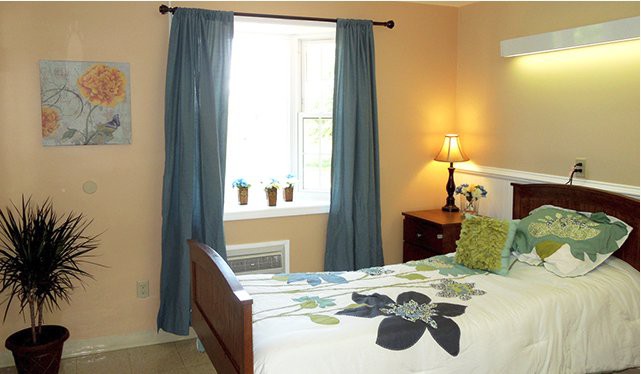
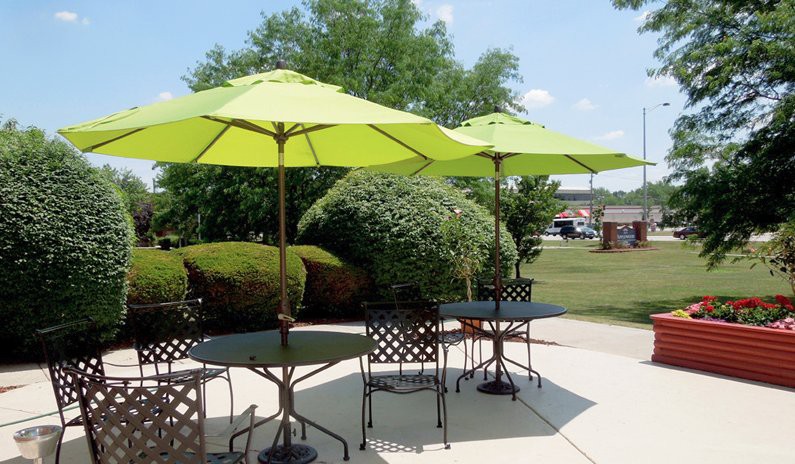
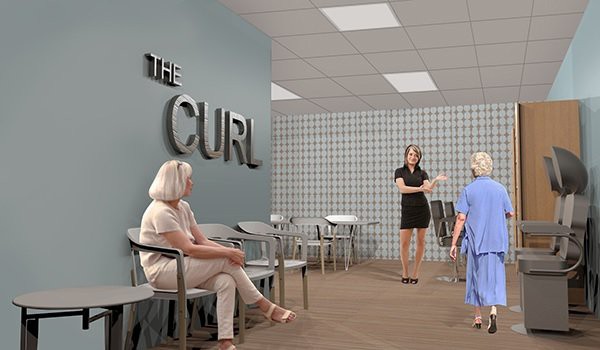
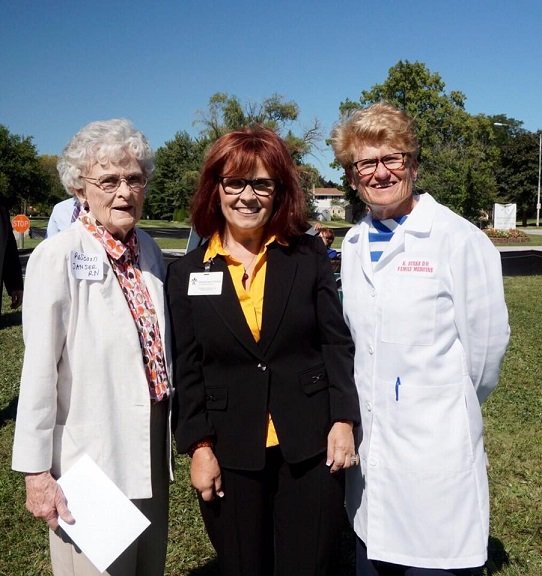
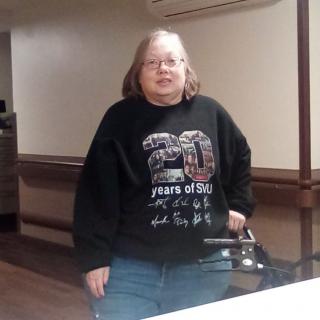
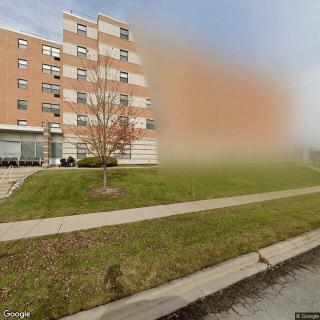
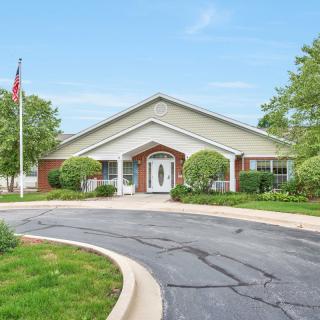
Generations At Applewood on seniors.fyi includes 17 photos including images showing interior, outdoors, bedroom, decor, dining, salon, windows, outdoor, and more.
Nearby Communities
Maxim Healthcare Services
Matteson, IL
4.7 from 72 reviews
Strong proximity to healthcare providers and nearby amenities (pharmacies, doctors, hospitals, restaurants).
Palliative care focuses on alleviating distress at any stage of a serious illness and can accompany curative treatments, while hospice care is for those nearing the end of life with a prognosis of six months or less, emphasizing comfort over curative measures. Both prioritize holistic care for patients and families but differ in timing, goals, and scope.
Fecal incontinence, prevalent among older adults, arises from factors like weakened pelvic muscles and nerve damage, significantly affecting well-being and social interactions. Diagnosis involves clinical evaluation and tests to inform tailored treatments, while caregivers and preventive measures can aid in managing the condition effectively.
Anticipatory grief is an emotional response to the impending loss of a loved one, characterized by complex emotions such as sadness and anger, and involves navigating stages similar to those identified by Kübler-Ross. Coping strategies are vital for managing this process, emphasizing compassionate communication, self-care, and support groups while recognizing the cultural influences on grieving.
Get PricingAsk A QuestionSchedule A TourContact Senior Advisor
By clicking submit, you agree to our Partner's Terms of Use. You
also consent to receive calls and texts, which may be autodialed, from our Partner. Your consent is not a condition to
using our Partner's service. Please visit our Partner's Privacy Policy for information about their privacy practices.









 154 resident community capacity
 Skilled Nursing Facility
 Air-conditioning
 Beauty salon
 Cable or satellite TV
 Computer center
 Dining room
 Fitness room
 Fully furnished
 Gaming room
 Garden
 Housekeeping services
 Kitchenette
 Move-in coordination
 Outdoor space
 Private bathrooms
 Restaurant-style dining
 Small library
 Telephone
 Wellness center
 Wi-Fi/high-speed internet available
 Chicago Midway (19 miles away)
 Community operated transportation
 12-16 hour nursing
 24-hour call system
 Activities of daily living assistance
 Assistance with bathing
 Assistance with dressing
 Assistance with transfers
 Diabetes diet
 Medication management
 Mental wellness program
 Special dietary restrictions
 Concierge services
 Planned day trips
 Strong proximity to healthcare providers and nearby amenities (pharmacies, doctors, hospitals, restaurants).




 Understanding the Nuances of Palliative Care and Hospice: A Comprehensive Exploration
 Fecal Incontinence in Older Adults: A Comprehensive Guide
 Recognizing the Journey: Understanding and Navigating Anticipatory Grief