

6955 State Route 162, Maryville, IL 62062
For more information about senior living options: (866) 208-4318
Overall Review of Manor Court Of Maryville
Pros
 The family is very pleased with the care so far.
- He is starting to walk again, showing improvement.
- The staff is friendly and willing to work with him to meet his needs.
- Visitation was available for family members, allowing a visit.
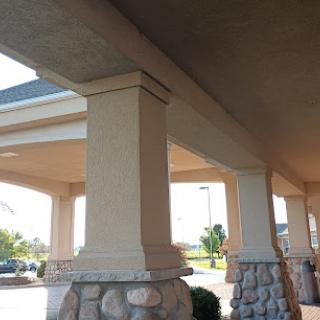
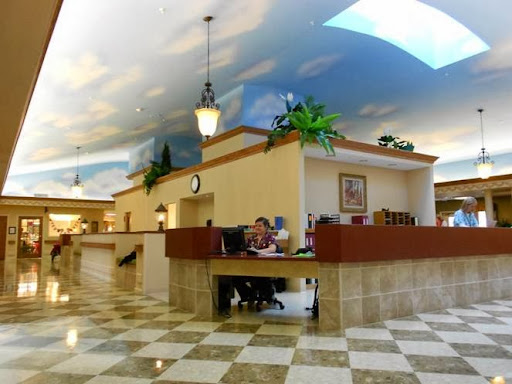
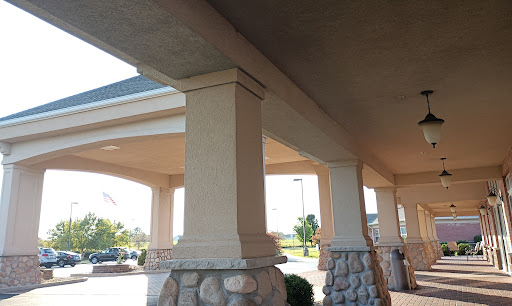
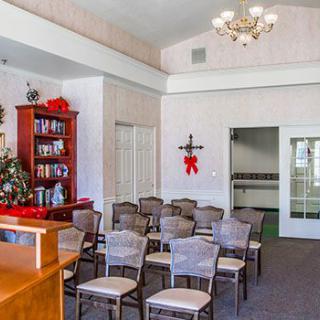
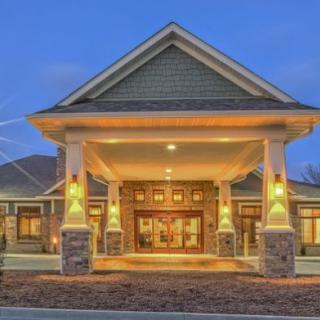
- The facility looks clean, nice, and well-kept.
- The staff are safety-conscious about COVID and take precautions.
- Overall, things are going well.
Cons
 Visitation was paused for two weeks after a positive COVID case was detected.
- The reviewer felt the COVID precautions were burdensome, noting they had to wear a mask to enter.
Review
Manor Court Of Maryville is best suited for families seeking memory-care support with hands-on, responsive staff who will tailor daily routines to individual abilities. The profile that emerges is of a campus where caregivers actively engage residents, encouraging mobility and participation in structured activities, rather than leaving them in passive stasis. For families facing cognitive decline in a loved one, this setting promises a practical, safety-forward environment with clear routines, where staff are inclined to address changing needs and translate care plans into tangible daily gains.
Those who may want alternatives are the ones prioritizing private living space and a consistently open, unimpeded visitation experience. The account notes a shared room, which can be a significant consideration for seniors and families who value greater privacy and quiet. Prospective residents should also demand a thorough, unhurried tour and a complete picture of current programs, amenities, and room configurations, information that isn’t fully captured in a first visit or secondhand impression. For families with fixed expectations about private accommodations or a perfectly predictable schedule, comparing other Maryville-area options is prudent.
The strongest positives lie in the staff’s willingness to collaborate and adapt care, paired with observed improvements in the resident’s mobility and engagement. Friendly, responsive caregivers make practical differences, helping the resident get out of the room, participate in activities, and regain a sense of daily purpose. A clean, well-kept campus supports safety and comfort, contributing to a more reassuring admission and ongoing residence. These elements collectively offset the drawback of a shared room to some degree, because engaged staff and meaningful activity can significantly enhance quality of life even when private space isn’t available.
To truly judge fit, families should verify three concrete elements: room options and pricing for private versus shared accommodations; a detailed memory-care programming schedule that aligns with cognitive- and mobility-focused goals; and current staffing levels, including caregiver-to-resident ratios and how progress is tracked. Inquiries about how daily routines are structured, what therapies or cognitive-stimulation activities are offered, and how often residents are encouraged to move or socialize will reveal whether the care model delivers on its promises. Transparency around fees, especially for specialized care, medications, or transportation, will also prevent sticker-shock after move-in.
For residents with needs similar to the described scenario, partial mobility, a desire for social engagement, and reliance on attentive staff, the community presents a credible, action-oriented pathway. The combination of capable caregivers and a tidy environment can translate into measurable day-to-day improvements and more meaningful moments of interaction. However, private-room preference, and the desire for a visitation pattern that remains steady and unobstructed, remain legitimate deal-breakers for some families. The practical decision is to schedule a full tour, observe how staff interact with residents who require prompting, and assess the activity calendar firsthand to confirm alignment with personal expectations about privacy, engagement, and pace of daily life.
In sum, Manor Court Of Maryville stands as a practical, capable choice for memory-care needs where staff engagement, mobility encouragement, and a clean, organized setting are top priorities. It is less ideal for families prioritizing private rooms or an entirely unvarying visitation cadence. The recommended course is to pursue an in-depth tour, compare room configurations and care plans, and have candid discussions with caregiving staff about goals, progress benchmarks, and what success looks like for the specific resident. When these criteria align, responsive caregivers, a well-maintained environment, and programming that advances daily living, the decision points toward Manor Court Of Maryville as a solid, results-oriented option.
 132 resident community capacity
 Skilled Nursing Facility
 Air-conditioning
 Beauty salon
 Cable or satellite TV
 Computer center
 Dining room
 Fitness room
 Fully furnished
 Gaming room
 Garden
 Housekeeping services
 Kitchenette
 Move-in coordination
 Outdoor space
 Private bathrooms
 Restaurant-style dining
 Small library
 Telephone
 Wellness center
 Wi-Fi/high-speed internet available
 Lambert-St Louis International (23 miles away)
 Community operated transportation
 12-16 hour nursing
 24-hour call system
 Activities of daily living assistance
 Assistance with bathing
 Assistance with dressing
 Assistance with transfers
 Diabetes diet
 Medication management
 Mental wellness program
 Special dietary restrictions
 Concierge services
 Planned day trips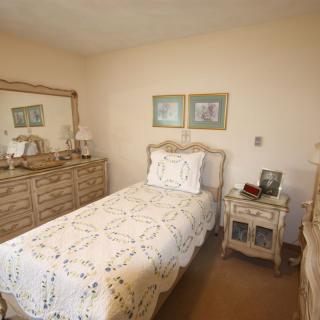






 Navigating the Tax Landscape of Caregiving: Credits, Deductions, and Beyond
 Highly Beneficial Low-Impact Exercises for Senior Living Residents
 Is In-Home Healthcare Tax Deductible? Your Comprehensive Guide