
241 Magnolia Dr, Glen Carbon, IL 62034
To contact a resident: (618) 288-1863
For more information about senior living options: (866) 208-4318
San Gabriel Memory Care Glen Carbon Costs & Pricing
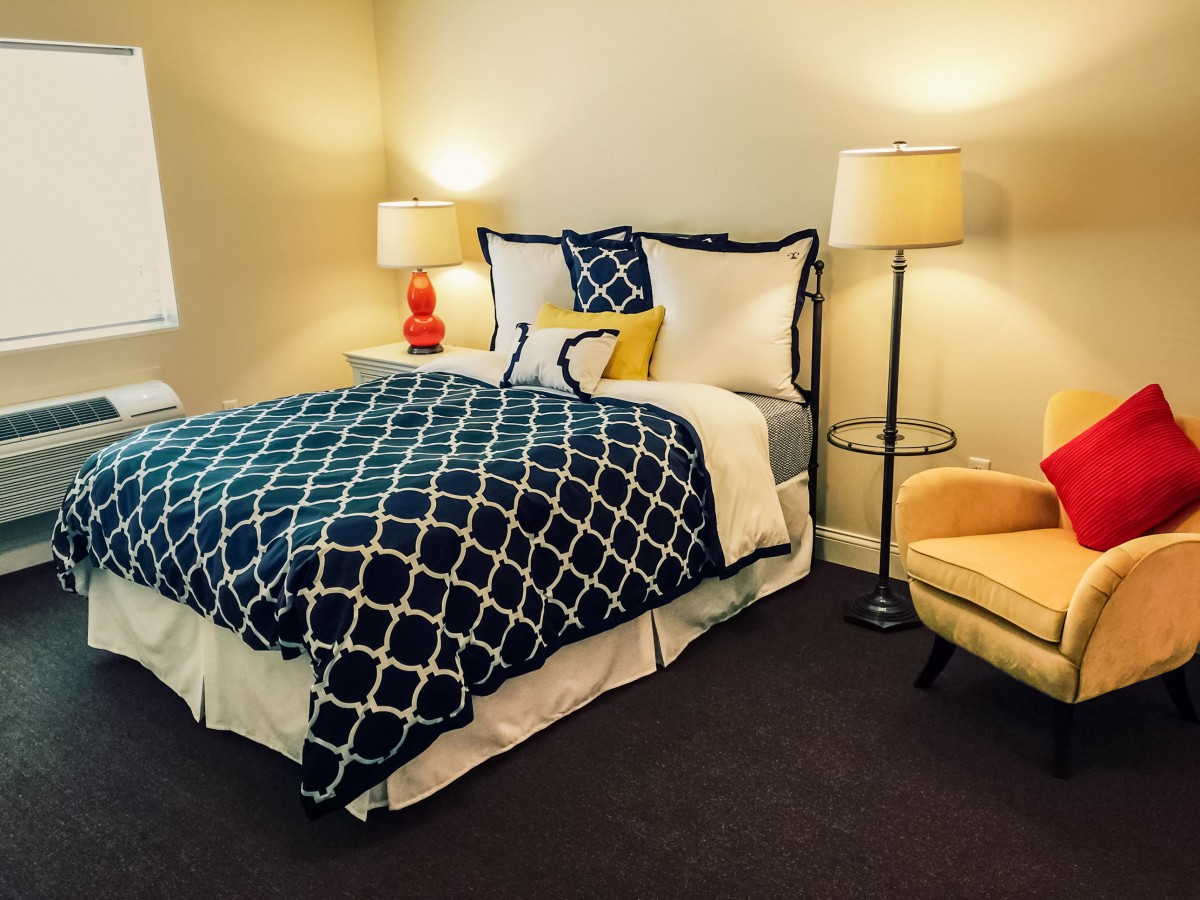
San Gabriel Memory Care Glen Carbon offers its studio accommodations at a monthly rate of $5,200, which positions it above both the Madison County average of $3,975 and the state-wide average in Illinois of $4,028. This pricing reflects not only the premium quality of care and specialized services provided at San Gabriel but also acknowledges the unique needs of residents living with memory-related challenges. While it may represent a higher investment compared to other facilities in the region, families considering San Gabriel can expect exceptional support and an enriched environment tailored to enhance the well-being of their loved ones.
| Floor plans | San Gabriel Memory Care Glen Carbon | Madison County | Illinois |
|---|---|---|---|
| Studio | $5,200 | $3,975 | $4,028 |
Memory care communities with a similar price nearby
-
About the same
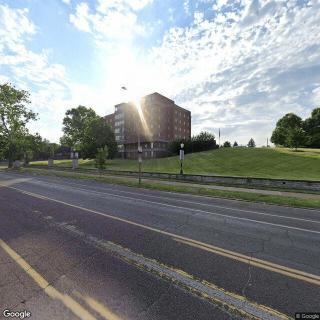
Bavaria Memory Care at the St. Louis Altenheim
$5,190 / month20.0 miles away -
from -$700 / mo
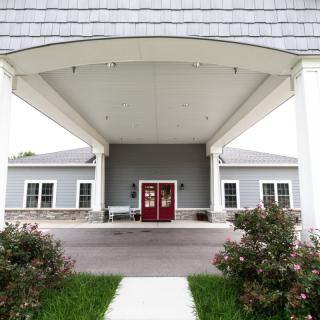
Joe's Place Caring Cottage
$4,500 to $4,700 / month12.6 miles away -
from -$800 / mo
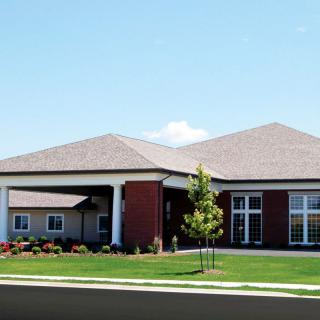
Cedarhurst of Highland
$4,400 to $6,050 / month14.6 miles away -
from -$300 / mo

Allegro Richmond Heights
$4,900 to $8,900 / month20.6 miles away -
from -$1000 / mo
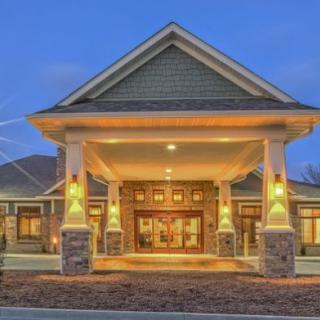
Stillwater Senior Living
$4,200 to $5,200 / month2.5 miles away
Overall Review of San Gabriel Memory Care Glen Carbon
Pros
 The staff are very friendly and consistently keep families updated.
- They help residents move around the facility and ensure loved ones are brought to socialize in the common room.
- The staff are highly involved with residents and are recommended to other families.
- The smaller scale of the community allows for attentive, compassionate memory care with quality time spent with residents.
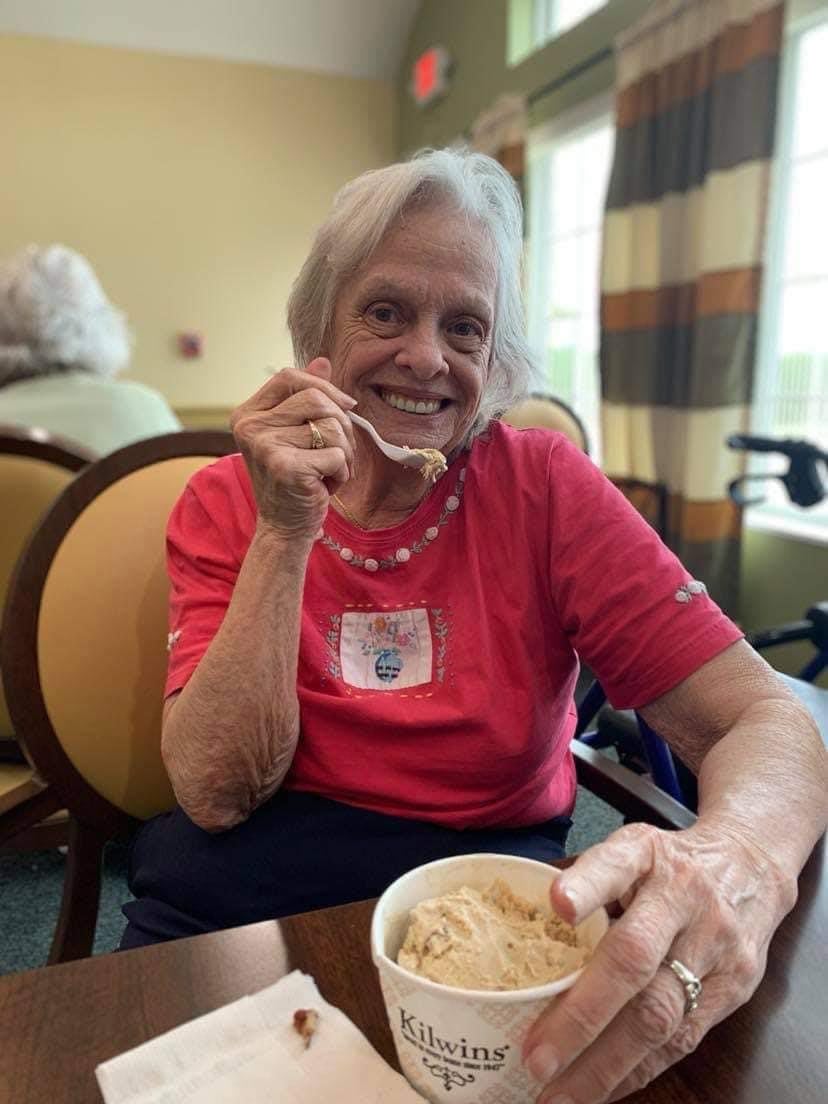
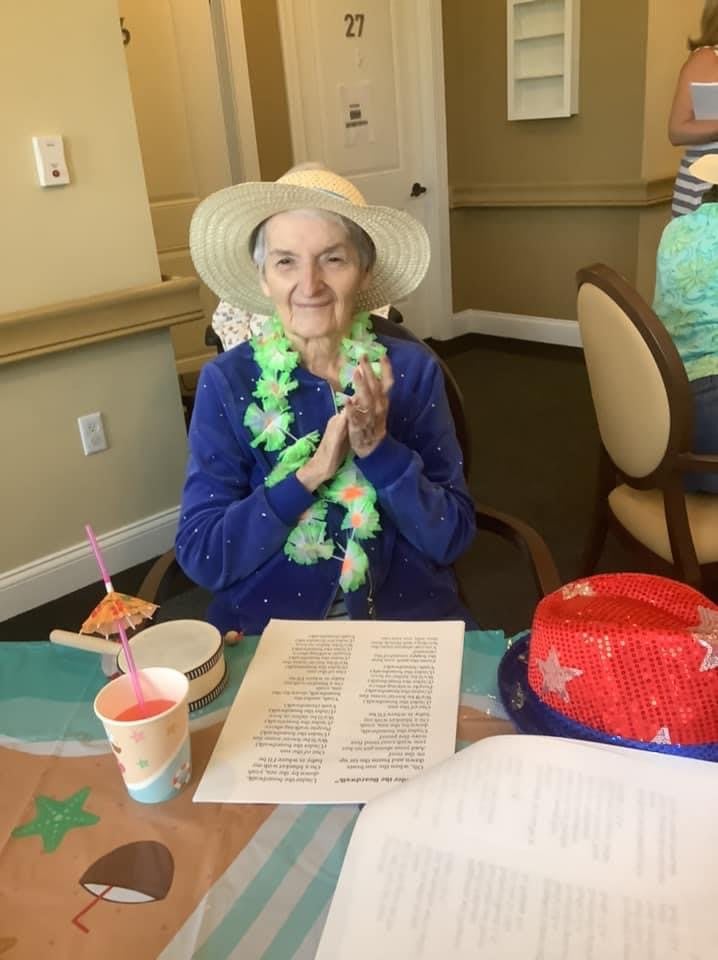
- The activities have improved, enhancing resident engagement.
- The facility is clean and the staff are friendly.
- The memory care is safe, friendly, and of high quality, giving families peace of mind.
Cons
 The facility wasn't what they were looking for for their loved one.
Review
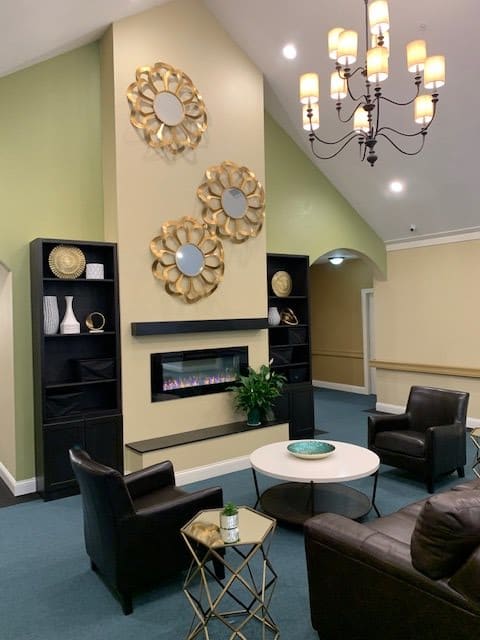
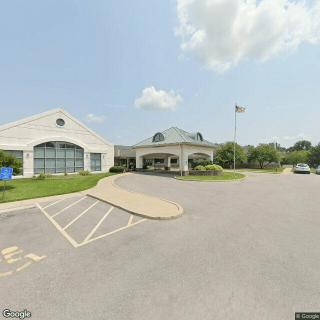
San Gabriel Memory Care Glen Carbon is best suited for families seeking a small, close-knit memory-care setting where staff know residents by name and family updates arrive with dependable regularity. It works especially well for spouses and adult children who want reassuring, hands-on daily supervision, meaningful social opportunities for memory-impaired loved ones, and a calm, well-kept environment that feels like a secure home. It’s a strong fit for those who prioritize intimate caregiver relationships and a quiet, supportive atmosphere over flashier amenities. It is not the pick for families chasing a large campus with a wide array of on-site activities or aggressive programmatic variety; this community excels where personal attention and routine stability matter most.
Those weighing alternatives should consider options that offer more expansive campuses or broader program offerings, especially if the goal is a wider activity calendar or more extensive clinical services. Some families might prefer a setting with greater independence under supervision, more frequent or varied social programming, or easier access to a larger neighborhood network. The smaller scale can feel limiting for households that equate value with a broader menu of therapies and daily possibilities. In short, when the priority is deeply attentive care and a home-like feel, this community excels; when scale and breadth of programming are non-negotiable, others may prove a better fit.
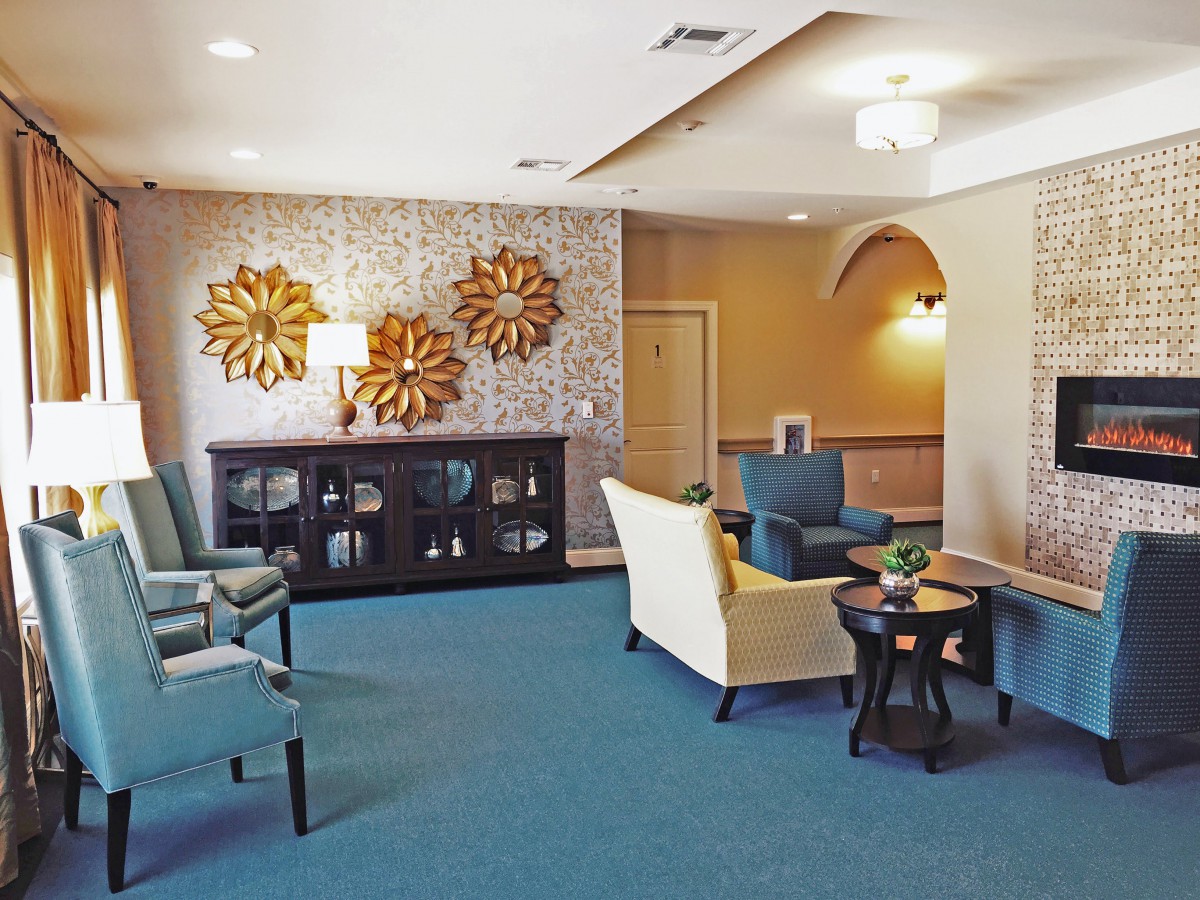
The defining positives are unmistakable: consistently friendly, engaged staff who prioritize safety, comfort, and social connection; a compact, navigable floor plan that allows genuine, ongoing interaction between caregivers and residents; and clear evidence that staff members invest time getting to know each resident’s routines and preferences. Families report frequent updates and visible warmth in daily care, which translates into calmer days for residents and robust reassurance for loved ones. The trade-off is a more contained environment; the same intimate setting that fosters trust can limit the immediacy and variety of activities and campus amenities. Yet the warmth and consistency of the caregiving staff help offset these limits by making care feel personalized and dependable.
From the family perspective, the impact is practical and emotionally meaningful. The sense that safety, dignity, and daily fulfillment are reliably supported relieves a heavy burden and frees relatives to focus on other responsibilities or aging parents elsewhere. Relatives consistently note relief knowing that residents are supervised, engaged in social moments, and guided to safe, shared spaces where interaction occurs naturally. This translates into tangible peace of mind: the assurance that a loved one is seen, cared for, and included in daily life, which in turn steadies the broader family dynamic during challenging caregiving periods.
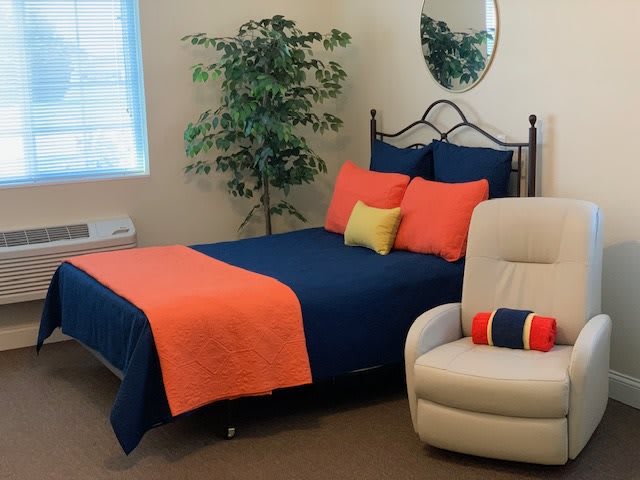
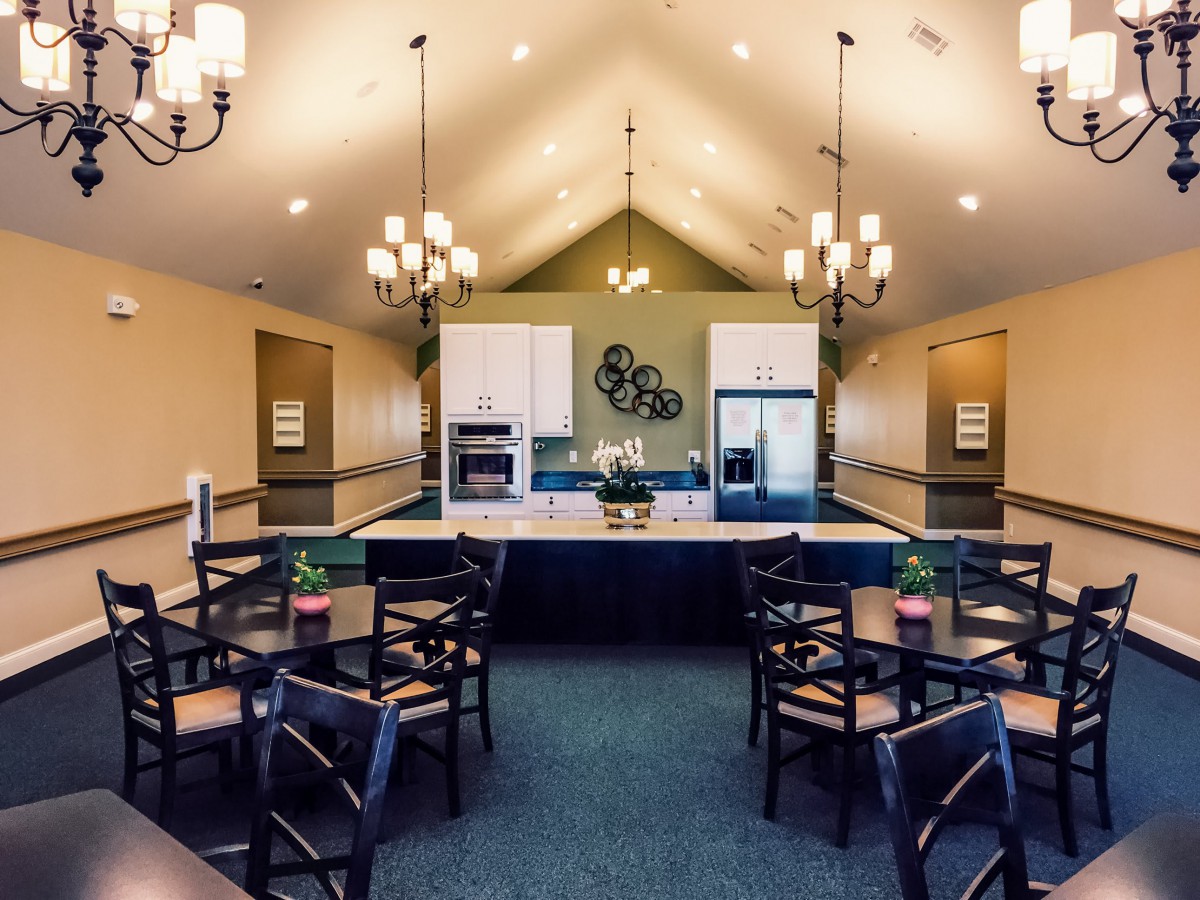
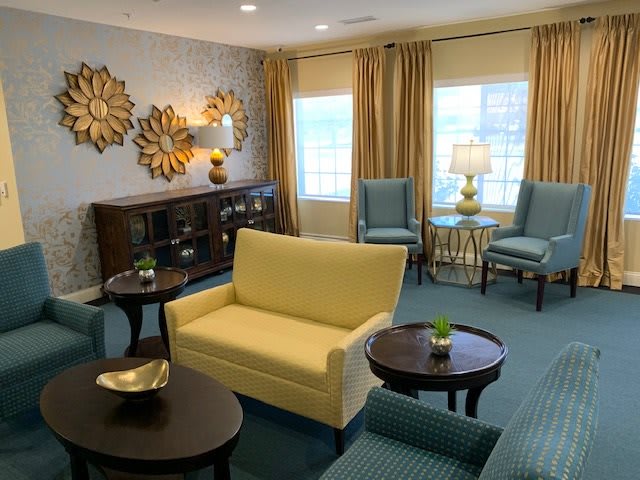
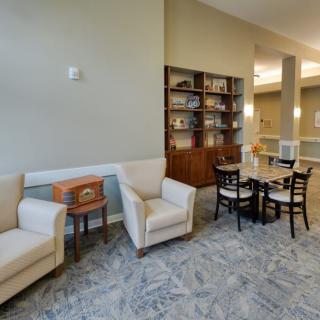
Practical considerations for prospective residents center on how the community translates care into daily life. The environment is clean, welcoming, and staffed by people who truly invest time and energy into residents’ well-being. The small scale cultivates a compassionate culture and responsive care, with staff who seem to know residents’ preferences and respond accordingly. The potential downside is the narrower activity slate and fewer on-site options that come with a smaller footprint. Families must weigh whether a predictable routine and close-knit staff align with the loved one’s personality and needs versus the desire for expansive programming or broader social opportunities on a larger campus.
Overall, this Glen Carbon memory-care community stands out as a compelling choice for households prioritizing intimacy, steady staffing, and a calm, supportive atmosphere over high-end facilities. It is especially well-suited for residents who thrive on routine, personal attention, and reliable family communication. Those who require a broader activity menu, more intensive therapy options, or a larger-scale environment would do well to compare with other providers. The next step is a guided tour focused on daily rhythms, direct caregiver interactions, and the specific activities offered, plus time to observe how staff connect with current residents. When the match is right, this community delivers dependable, heart-led memory care that reduces caregiver strain and preserves daily dignity.
 Assisted Living
 Memory Care
 Cats allowed
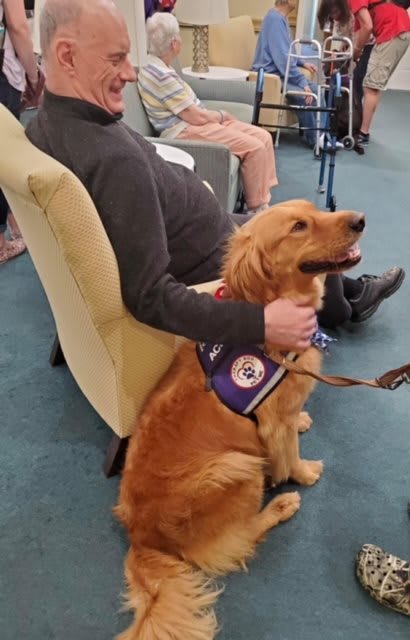
 Dogs allowed
 Activities on-site
 Air-conditioning
 Beautician on-site
 Cable or satellite TV
 Devotional services off-site
 Ground floor units
 Handicap accessible
 Indoor common areas
 Outdoor common areas
 Private bathrooms
 Respite or short term stays offered
 Wheelchair accessible showers
 Wi-Fi/high-speed internet available
 Lambert-St Louis International (21 miles away)
 Ambulatory care
 Diabetic care
 High acuity care
 Incontinence care
 Medication management
 Anytime dining
 Art classes
 Brain fitness
 Cooking classes
 Day trips and outings
 Educational speakers / life long learning
 Gardening club
 Karaoke
 Live musical performances
 Live well programs
 Trivia games

 Understanding Medicaid Coverage for Assisted Living: A Comprehensive Guide
 How and When Medicaid May Cover Assisted Living Costs
 A Detailed Exploration of Assisted Living Medicaid Waivers Across the United States