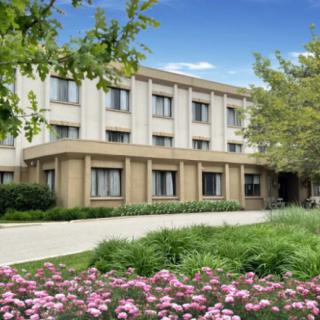
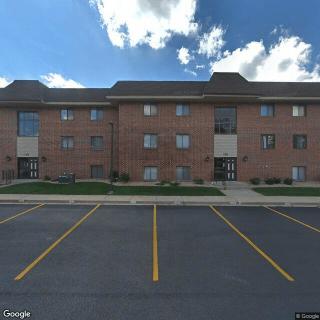
2100 South Finley Road, Lombard, IL 60148
For more information about senior living options: (866) 208-4318
Overall Review of Lexington Health Care Center - Lombard
Pros
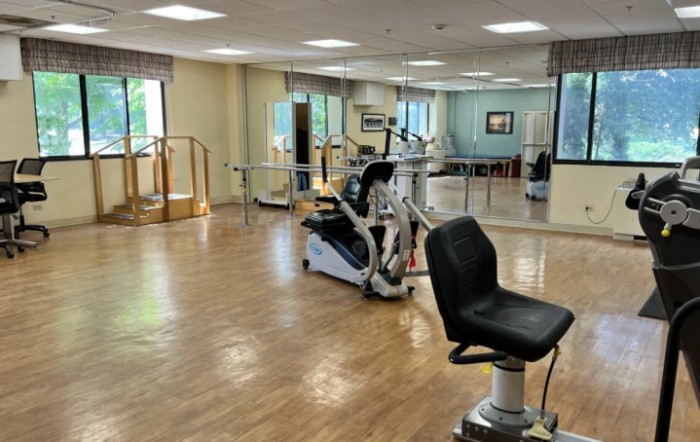
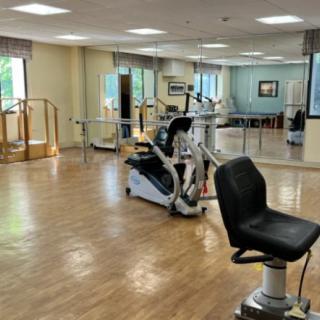
 Crystal and Deloris in therapy, and Deana the wound care nurse, were praised for their care.
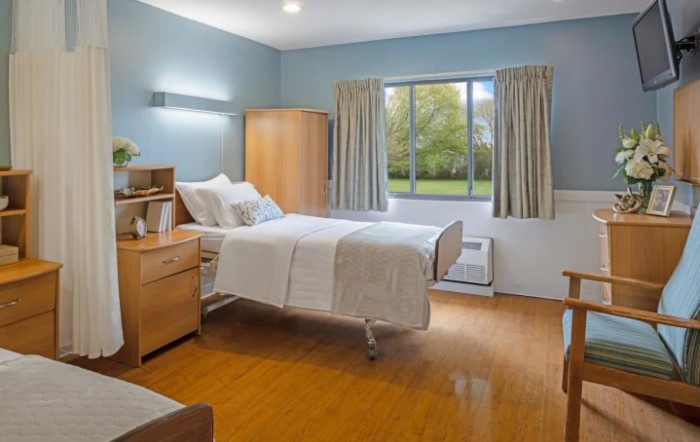
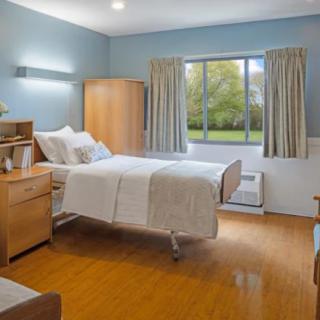
- The rooms are clean and the bed linens, pillows, and blankets are regularly changed.
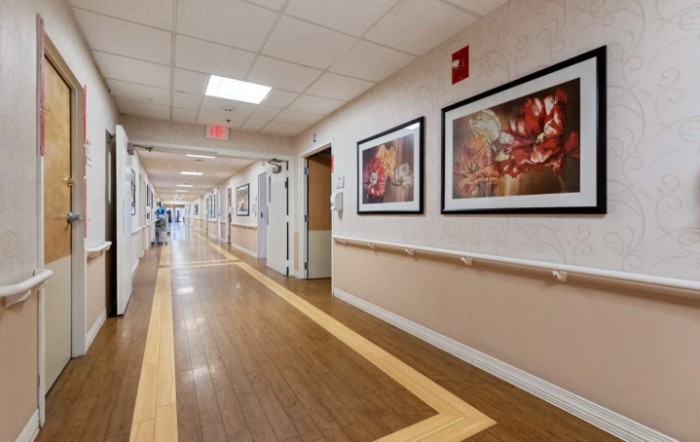
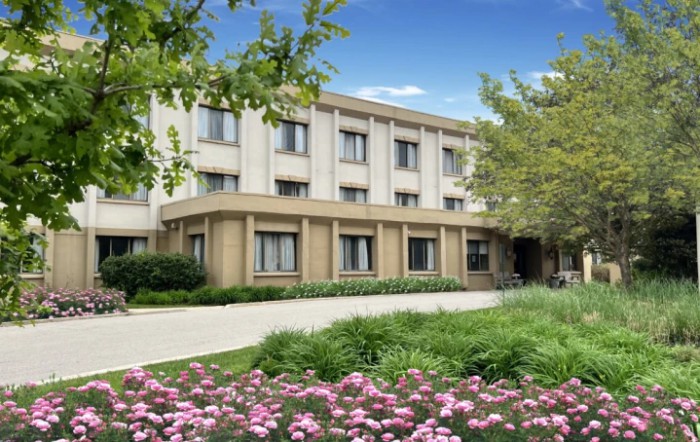
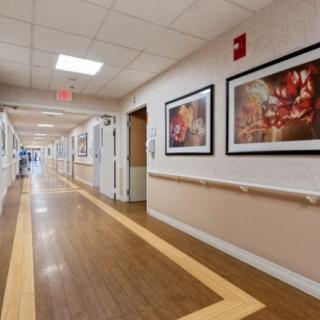
- The hallways and restrooms are clean, and the facility is very clean.
- The staff and the nurses are friendly, and the CNAs are friendly and courteous.
- A doctor who was consulted was described as good.
- Medically, care seems to be kept up nicely.
- Lexington Health Care Center was very nice, with pleasant staff and a clean environment.
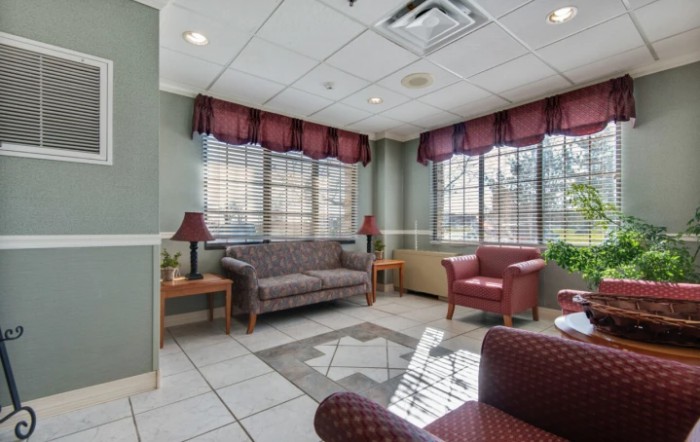
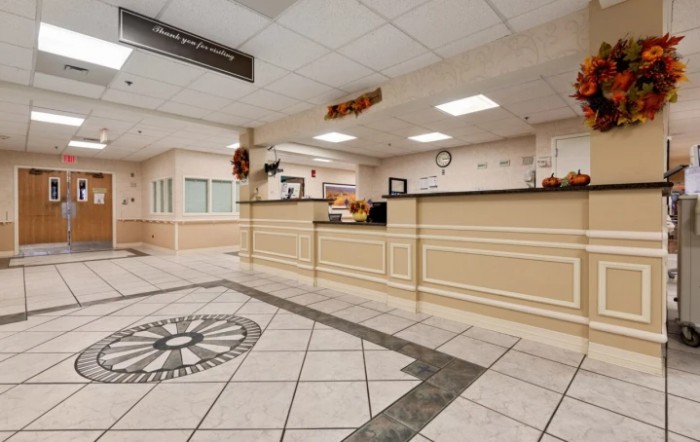
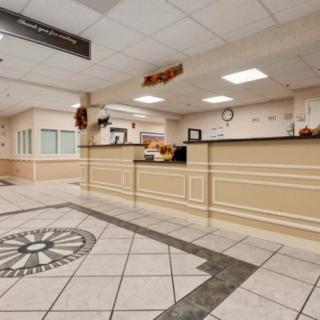
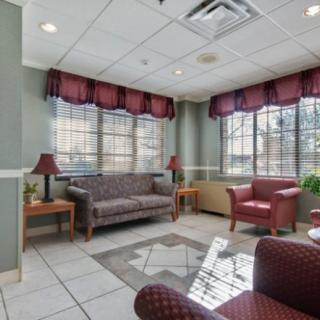
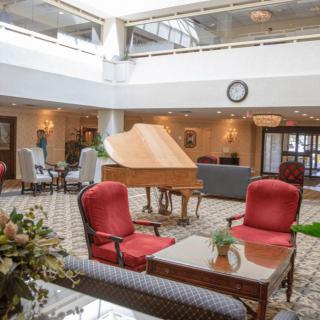
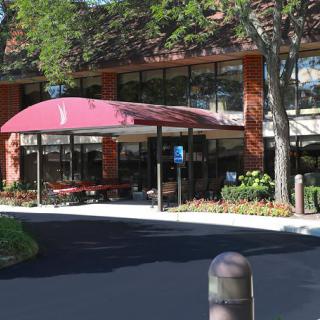
- The Lombard facility is clean and organized, with a reception room near the front for pre-scheduled window visits.
Cons
 The reviewer states that the food was terrible.
- The reviewer claims that most staff did not seem to care.
- The reviewer would not recommend the facility to anyone.
- The reviewer recalls residents in wheelchairs sitting in their own urine, which was unacceptable.
- The reviewer notes delays in responding to call buttons due to short-staffing.
- The reviewer describes the staff as unqualified with slow responses and forgotten requests.
- The reviewer reports that medications were changed without notifying family, risking the resident's safety.
- The reviewer states that some practices were morally lacking and could be prosecutable.
Review
This community is best suited for seniors who need skilled nursing and rehabilitation services on a campus that also houses independent and assisted living options, with the expectation that family members will stay engaged in care. It works well for residents who can benefit from consistent medical oversight, access to physical therapy and wound care, and a clean, organized environment. Families that prioritize proximity to hospitals, nearby shops, and delivery options will find practical value here, along with the potential for a coordinated care plan across the campus.
Those considering alternatives should weigh how staffing reliability and meal quality align with their expectations. If the priority is near-perfect promptness to call buttons, consistently high-quality dining, or flawless medication management, this campus may not meet the mark. Several accounts highlight slow nighttime responses, occasional medication changes without family notification, and a few staff communication gaps. For residents who require rigorous supervision, bilingual fluency across the care team, or a more modern, bustling setting, exploring options with stronger staffing ratios and distinctly stronger customer care standards is wise.
The strongest positives here, cleanliness, a calm and professional atmosphere, and capable rehab-oriented staff, partially offset the service gaps. The facility is consistently described as clean, with orderly rooms, fresh linens, and institutions that feel well maintained. The therapy team is repeatedly praised, and there are concrete signs of ongoing medical attention: routine doctor visits, wound care support, and a workflow that supports rehabilitation and daily living assistance. For a resident transitioning from hospital or needing short-term rehab, these elements can translate into tangible gains in mobility and daily function, especially when a family member can coordinate with a trusted clinician or care manager.
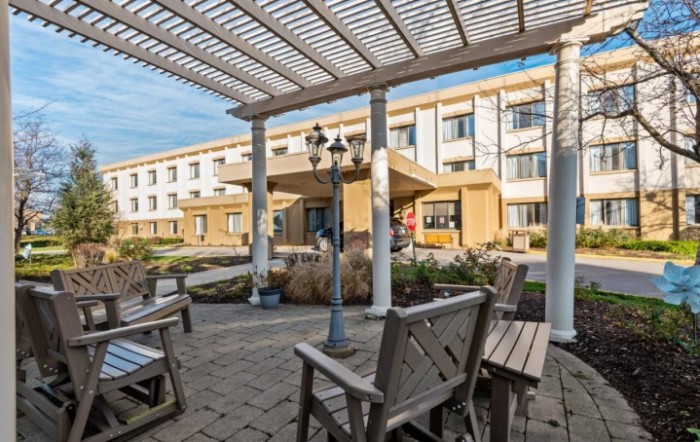
However, the main drawbacks are material and recurring. Staffing shortages surface in late-night and routine responsiveness, and a notable incident around residents in need of assistance being unattended in the cafeteria underscores the risk of lapses when supervision lapses. Medication safety is another concern in at least one account, where changes were made without family input and with the risk of adverse reactions. An older building with occasional outdated areas also colors the experience, and while cleanliness remains strong, it does not fully compensate for slower rapport-building with families or the perception of variable staff competency. Language barriers and care-team consistency emerge as mitigators but cannot be relied upon to erase risk.
On balance, the campus offers a workable, practical path for rehabilitative care and ongoing nursing support, particularly when a family member can actively participate and advocate. The presence of a dedicated skilled nursing unit on the same campus, a favorable location near medical resources, and staff who demonstrate warmth and capability in therapy and nursing roles provide meaningful value. The ability to schedule window visits and the capacity for continued care within the same system after discharge further strengthens its appeal for long-term planning and continuity of care.
Decision guidance: for families drawn to a cost-conscious, facility-within-reach option that can deliver visible rehab progress and consistent housekeeping, this Lombard campus is worth a serious look. Prioritize clarity on nurse-to-patient ratios, confirm who will be supervising care at night, and request evidence of timely call-button responses before admission. Insist on a concrete meal program evaluation to ensure nutritional meals meet expectations, and review the facility’s medication-management protocols with the director of nursing. If issues like rapid, reliable communication, high-caliber dining, and unambiguous medication practices are non-negotiable, this community should be compared against alternatives known for more consistent staffing and tighter clinical controls. For families with flexible expectations and a willingness to monitor care closely, the blend of rehab potential, cleanliness, and campus continuity can still yield strong outcomes.
 215 resident community capacity
 Skilled Nursing Facility
 Air-conditioning
 Beauty salon
 Cable or satellite TV
 Computer center
 Dining room
 Fitness room
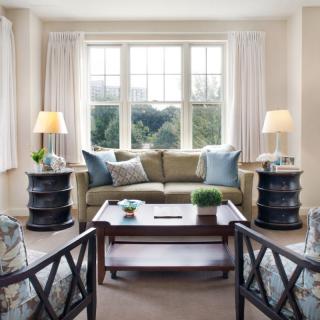
 Fully furnished
 Gaming room
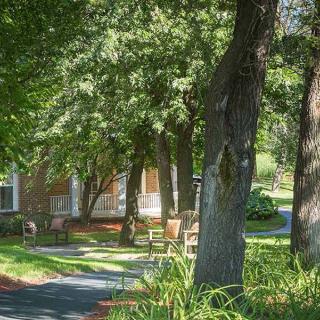
 Garden
 Housekeeping services
 Kitchenette
 Move-in coordination
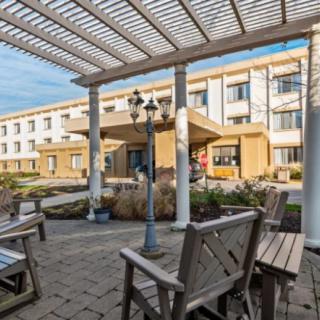
 Outdoor space
 Private bathrooms
 Restaurant-style dining
 Small library
 Telephone
 Wellness center
 Wi-Fi/high-speed internet available
 Chicago O'Hare International (11 miles away)
 Community operated transportation
 12-16 hour nursing
 24-hour call system
 Activities of daily living assistance
 Assistance with bathing
 Assistance with dressing
 Assistance with transfers
 Diabetes diet
 Medication management
 Mental wellness program
 Special dietary restrictions
 Concierge services
 Planned day trips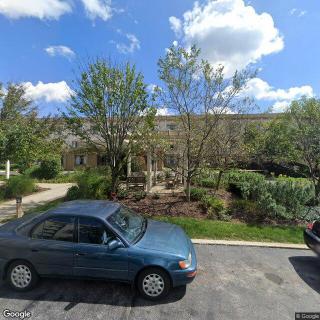

 Comprehensive Guide to Qualifying for Home Health Care Services
 Powerful Realities of Elder Abuse and the Most Effective Ways to Report It
 Ten Vital Duties of a Senior Caregiver: A Comprehensive Guide