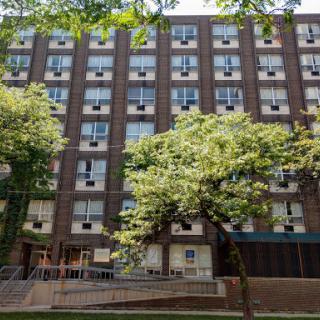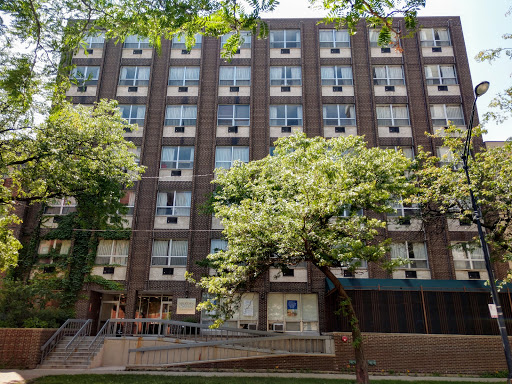
5838 North Sheridan Road, Chicago, IL 60660
For more information about senior living options: (866) 208-4318
Overall Review of Sheridan Shores Cr & Rehab Center
Pros
 The area around the facility is very nice.
- The facility is nice and clean, and the staff is helpful.
- There are dedicated employees at the facility.
- The staff seem to do what they can.
Cons
 The van drivers routinely blow through stop signs in school and residential areas.
- The administrative staff ignored warnings, then barked “what do you want” before hanging up.
- The facility is driven by money and cares little about patients.
- It’s suggested that people who aren’t old or mentally ill won’t like this place.
- A reviewer is worried because a friend will be admitted soon.
- Most staff reportedly care little for residents; a brother’s trust fund was stolen and he was treated inhumanely.
- The place is not good at all and is not recommended.
- It’s described as a warehouse for the elderly and disadvantaged, with residents treated poorly and money as the main objective.
- The elevator is faulty.
- There are too many elderly residents who die there; the reviewer moved to another facility.
- The environment is not welcoming.
- Maintenance staff are alleged to harass or sexually harass workers and patients.
- Some residents were overmedicated and given medications no longer on the market.
- The staff are not patient-friendly and will refuse services beyond what they want to provide.
Review
Sheridan Shores Cr & Rehab Center in Chicago is best suited for seniors who are largely independent, price-conscious, and comfortable with limited daily oversight. families evaluating options where care reliability is not the first priority may consider this community if location and basic living space are the primary criteria. However, for anyone expecting steady nursing attention, vigilant supervision, or a consistently respectful environment, this facility does not meet those nonnegotiable needs. The overall impression suggests that affordability and proximity do not compensate for glaring gaps in care quality, safety, and resident dignity.
Those who should seriously consider alternatives include families with loved ones who require constant supervision, skilled nursing, strong fall prevention, or meticulous medication management. Residents who are mobility-reliant, susceptible to frequent incidents, or prone to deconditioning need reliable staff response and proactive care, qualities that are not consistently present here. Additionally, families prioritizing a respectful, clean, and trauma-free environment may find the operating culture troubling. Reports of dismissiveness from administration, coupled with allegations of neglect and exploitation, create a risk profile that demands caution and alternative placement unless every safety net and oversight mechanism is in place.
On the upside, the property itself offers a pleasant area and, in some instances, a clean facility façade with staff described as helpful in limited contexts. A few dedicated employees emerge in anecdotes as real positives, and the general impression of a tidy, well-kept building can be meaningful for short-term stays or for residents who require minimal hands-on care. Yet these favorable notes are isolated and do not overcome the larger pattern described by families who witnessed inconsistent care, delays, and a lack of proactive engagement in residents’ daily needs. The important takeaway is that surface polish and occasional kindness do not substitute for dependable, resident-centered care.
Safety and quality concerns consistently overshadow the limited positives. Accounts of residents who were bed-bound on upper floors without adequate supervision, frequent falls prompting ER visits, and signs of poor hygiene raise red flags about fall prevention, wound care, and daily living standards. Reports of medical mismanagement, including overmedication concerns and outdated medications, further erode confidence in the facility’s medical governance. Instances of financial impropriety, such as funds missing from a resident’s trust, intensify distrust in the administration and illuminate a broader culture problem. Even routine amenities like clean nails, trimmed hair, and general cleanliness are described as neglected at times, which is unacceptable for long-term care settings.
Given these dynamics, the pros do not come close to offsetting the cons. The strongest case for considering this community rests on location convenience and a clean exterior that may appeal for short-term rehab or for families with strong, hands-on oversight. The decisive factor for most families, however, is whether the facility can deliver reliable, compassionate care every day. In this instance, that assurance is missing, and the risk of harm, physical and financial, appears unacceptably high. The prudent path is clear: prioritize facilities with demonstrated, consistent staff engagement, transparent operations, robust safety protocols, and solid state inspections. Strong alternatives exist in the Chicago area that couple better staffing ratios with verifiable outcomes and a culture centered on resident dignity.
In practical terms, this community should be considered only after thorough, independent verification of current operations, direct conversations with the nursing and admin leadership, and a transparent review of any state or accrediting findings. Families weighing options would be well advised to visit unannounced, observe care interactions on each shift, and speak with residents and family councils about day-to-day experiences. If care quality is nonnegotiable, pursue facilities with demonstrable track records in safety, cleanliness, and respectful treatment, rather than hopeful assurances. The decision should favor environments where caregivers are consistently attentive, accountable, and aligned with the goal of preserving independence, safety, and dignity for every resident.
 191 resident community capacity
 Skilled Nursing Facility
 Air-conditioning
 Beauty salon
 Cable or satellite TV
 Computer center
 Dining room
 Fitness room
 Fully furnished
 Gaming room
 Garden
 Housekeeping services
 Kitchenette
 Move-in coordination
 Outdoor space
 Private bathrooms
 Restaurant-style dining
 Small library
 Telephone
 Wellness center
 Wi-Fi/high-speed internet available
 Chicago O'Hare International (13 miles away)
 Community operated transportation
 Berwyn
  12-16 hour nursing
 24-hour call system
 Activities of daily living assistance
 Assistance with bathing
 Assistance with dressing
 Assistance with transfers
 Diabetes diet
 Medication management
 Mental wellness program
 Special dietary restrictions
 Concierge services
 Planned day trips







 Is a Geriatric Care Manager the Right Choice for Your Family?
 Compassionate Conversations: How to Comfort Someone Who Is Grieving
 Home Health Care Aides: Understanding Their Role and Supporting Your Family