
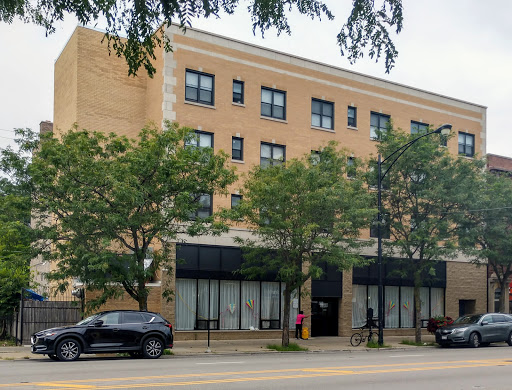


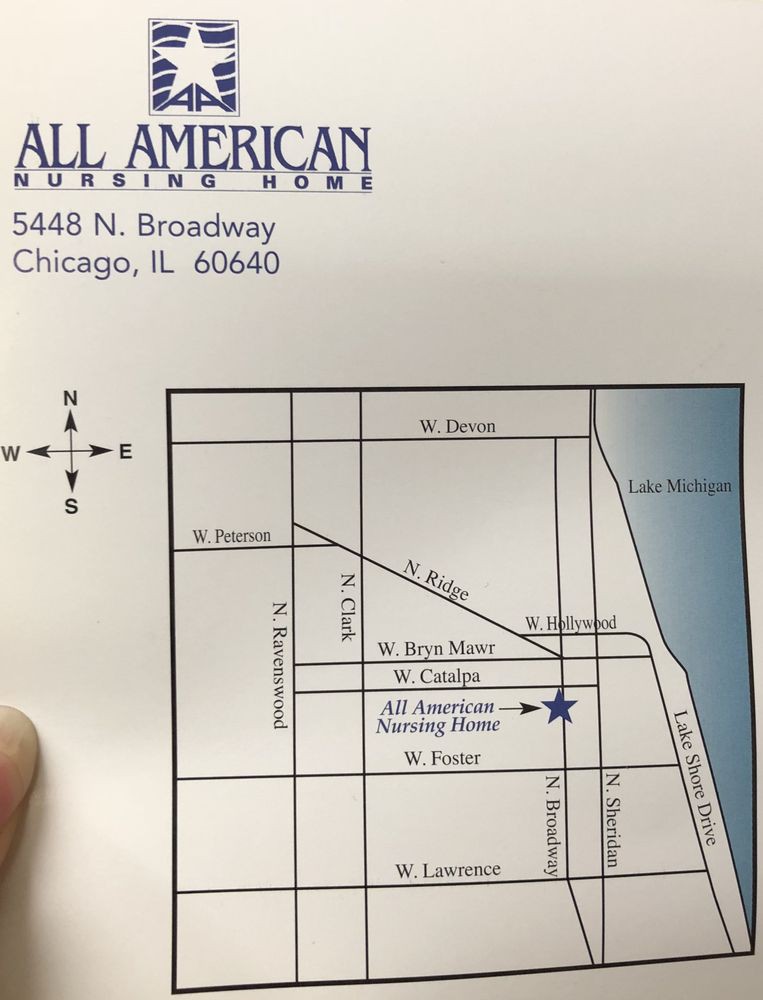
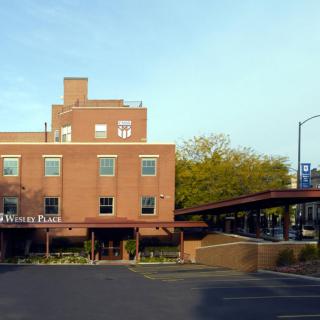
5448 North Broadway Street, Chicago, IL 60640
For more information about senior living options: (866) 208-4318
Overall Review of All American Nursing Home
Pros
 It is a very good place to live.
- It has great food, helpful staff, and great living conditions.
- The reviewer recommends All American Village 100% to everyone.
- They love living at All American Village.
- The facility is described as having friendly staff and good meals.
Cons
 The place should have been closed.
- The staff are rude and abusive toward residents.
- The facility has poor communication and unhelpful staff who often hang up on callers.
- The facility overmedicates residents and imposes needless bureaucratic hoops.
- There is inefficiency and a lack of opportunity, with administration treating progress as a game of telephone.
- A resident died after an 18-minute delay between discovery and response.
- The monthly allowance is not sufficient for basic supplies.
- The food is not nutritious and real ingredients would improve residents' health.
- The facility is described as very unprofessional, with reports of drugs and a bathroom being used as a smoking lounge, suggesting it's more about funds than care.
- A staff member named Marcus was horribly rude on the phone, with a bad attitude.
- Staff mistreat residents when no one visits regularly, and DHS involvement is urged.
Review
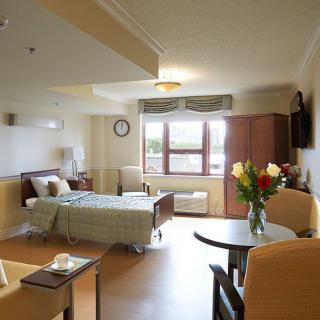
All American Nursing Home in Chicago is best suited for residents who can tolerate uneven care and for families willing to stay closely connected to oversight. The strongest positives in the lived experience notes are modestly solid living conditions, acceptable meal quality, and occasional appearances of helpful, friendly staff. In other words, this community may deliver a tolerable day-to-day environment for someone who does not require intensive medical management and whose family can regularly check in, advocate on behalf of a loved one, and intervene when concerns arise. The lowest-rated experiences, however, center on care gaps and safety questions that would give any prospective resident serious pause.
Families considering alternatives should look closely at this facility if there is any expectation of consistent, respectful front-line care and reliable communication. Several reviewers describe rude interactions, miscommunication, and staff inattentiveness that hinder the resident experience. When care needs escalate, the fear voiced by those with loved ones inside is not merely about discomfort or inconvenience but about the potential for neglect or mistreatment. For residents who rely on timely interventions, monitoring by a trusted advocate, or clear lines of accountability, this facility may feel untenable without rigorous external oversight.
The reported strengths, food quality and living conditions, do provide some offset to the overall picture, but they are not enough to compensate for the dominant risks. Positive notes about meals, general ambiance, and the sense that some staff genuinely try to help can improve comfort and mood on a day-to-day basis. Yet these benefits are fragile in the face of reports of understaffing, poor communication, and a culture where important concerns are not promptly escalated. When the overall care framework is described as inefficient or inconsistent, even well-cooked meals and clean rooms fail to create a dependable standard of safety or predictable daily routines.
On the downside, the most troubling themes revolve around care quality and safety. Understaffing appears chronic, with enough vacancies to hamper responsiveness. Accounts of rude interactions, “mind the rules” mindsets, and general unhelpfulness from certain staff members undermine trust. The most alarming details point to possible abuse and neglect concerns, including allegations of poor response times to emergencies, and a highly controversial incident described by reviewers involving a delayed intervention that resulted in a resident’s death. Add to that a pattern of miscommunication that makes coordinating care feel like a game of telephone, and the case for seeking a facility with stronger clinical oversight becomes clear.
Taken together, the positives cannot outweigh the core risks for most families. The facility may offer moments of comfort through decent food and a respectful few staff members, but the real determinants of quality, consistent staffing, proactive communication, and reliable safety protocols, are where the negatives dominate. For families with strong, on-site or near-site advocacy, this community could function as a workable option, but only if a robust oversight plan is in place. For anyone prioritizing safety, dignity, and predictable care, alternatives merit serious consideration, with visits and candid conversations that probe staffing levels, response times, and the facility’s approach to complaints, medication management, and emergency procedures. In the decision process, prioritize those metrics above all else.
 144 resident community capacity
 Skilled Nursing Facility
 Air-conditioning
 Beauty salon
 Cable or satellite TV
 Computer center
 Dining room
 Fitness room
 Fully furnished
 Gaming room
 Garden
 Housekeeping services
 Kitchenette
 Move-in coordination
 Outdoor space
 Private bathrooms
 Restaurant-style dining
 Small library
 Telephone
 Wellness center
 Wi-Fi/high-speed internet available
 Chicago O'Hare International (13 miles away)
 Community operated transportation
 Argyle
  12-16 hour nursing
 24-hour call system
 Activities of daily living assistance
 Assistance with bathing
 Assistance with dressing
 Assistance with transfers
 Diabetes diet
 Medication management
 Mental wellness program
 Special dietary restrictions
 Concierge services
 Planned day trips




 8 Essential Assistive Devices for Older Adults
 Navigating the Financial Road to Nursing Home Care: In-Depth Guidance and Resources
 Supportive Employee Benefits That Help Caregivers Attain Better Work-Life Harmony