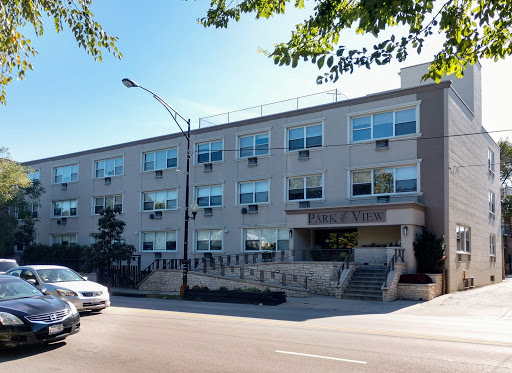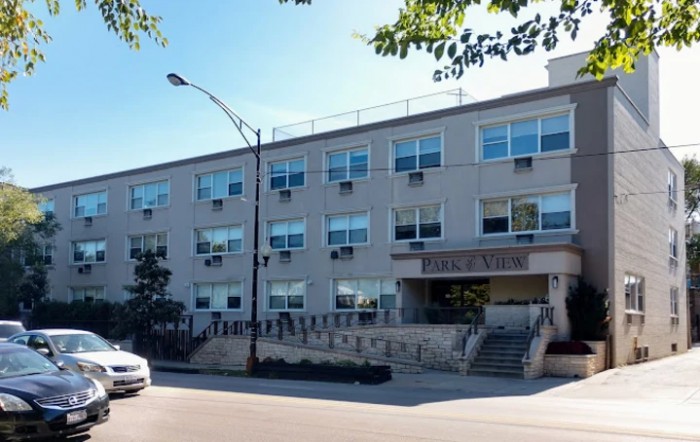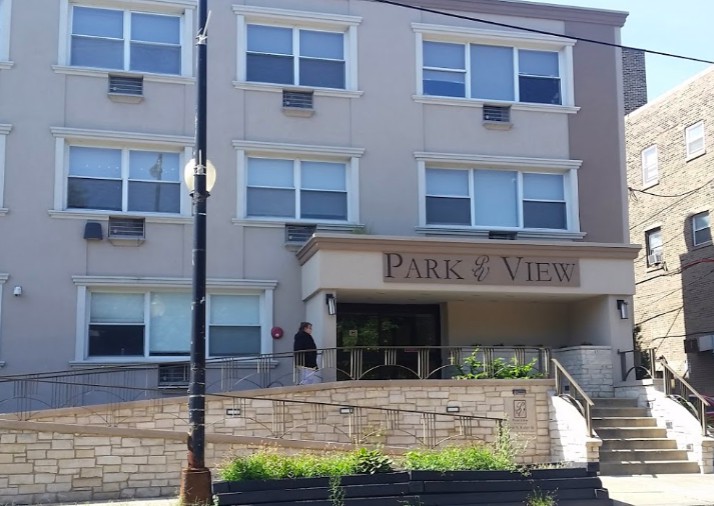
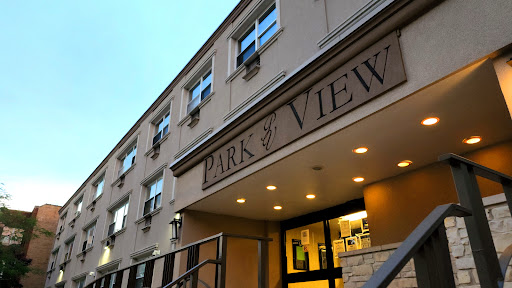
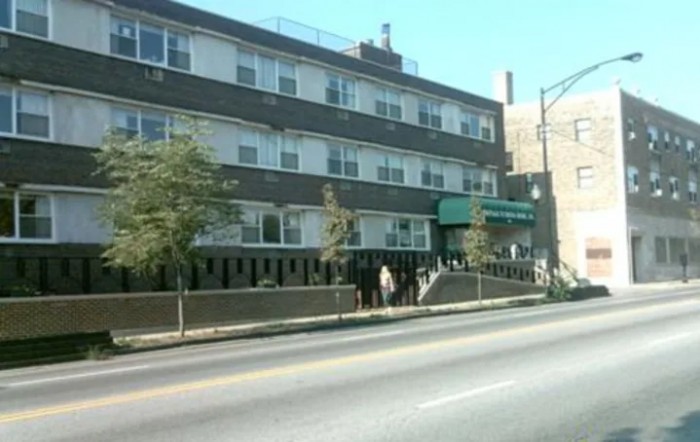
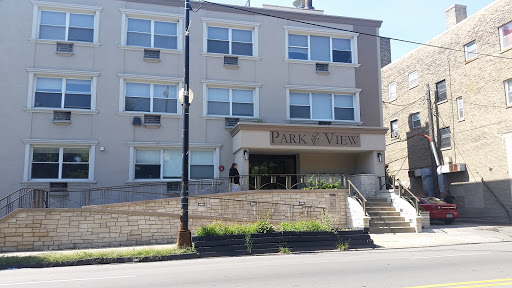
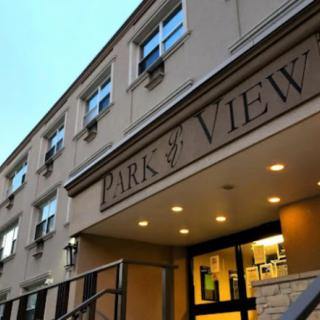

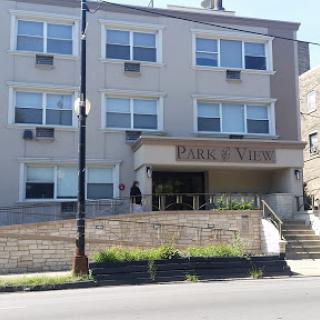
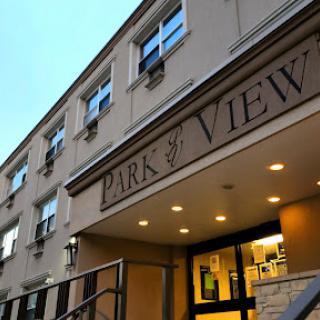
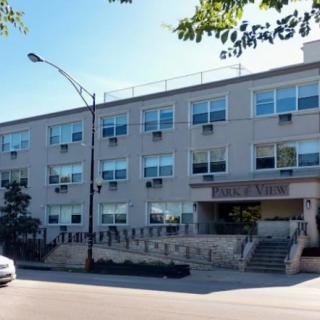
5888 North Ridge, Chicago, IL 60660
For more information about senior living options: (866) 208-4318
Overall Review of Park View Rehab Center
Pros
 They would rather live at Parkview Rehab Center than anywhere else and regard it as home.
- They feel they are receiving the best care there.
- The staff are described as helpful and very pleasant.
- The roommates are described as rock stars.
- They believe Parkview Rehab Center is a better option compared to other facilities.
- Fonda is praised for excellent customer service, described as down-to-earth, friendly, and helpful.
- Most of the staff are nice.
Cons
 The facility’s food needs improvement.
- The staff are literally always blocking driveways and act mad when residents try to leave for work.
- The staff are unprofessional and rude, and the center is not welcoming.
- A staff member is described as very rude with a terrible attitude, suggesting the place can’t keep employees or residents.
- Many staff members are mean, with passive‑aggressive and snarky attitudes.
- The facility is dirty, with rude staff and overall poor conditions.
- The front desk receptionist has a terrible attitude and unprofessional phone manners.
- The CNAs largely neglect residents and talk down to them.
- The environment feels unsafe due to outside harassment and insufficient supervision.
- Some staff members appear more interested in getting a paycheck than providing care.
- Overall, the place is not safe, clean, or caring.
Review
Park View Rehab Center in Chicago is best suited for residents who need rehab or long-term care but can tolerate an environment where consistency and polish are uneven. It can feel like home to those who form bonds with a few caring staff and who value routine and familiarity over flawless service. Families with limited options or tight budgets may find it workable if expectations are modest about atmosphere and day-to-day operations. The facility’s strongest appeal appears to be the sense of belonging that emerges for some residents, a reminder that comfort and connection can prevail even when other areas stumble.
Those who should consider substantial alternatives are families prioritizing unequivocal professionalism, safety, and reliable communication. Multiple reviews describe rude or unhelpful front-desk staff, unprofessional leadership, and a pattern of disengaged care. Concerns about resident neglect by CNAs surface repeatedly, alongside complaints about inconsistent cleanliness and odor. Safety and security outside the building are also cited as issues affecting peace of mind. For families needing transparent oversight, prompt issue resolution, and a consistently respectful environment, other options will likely deliver more predictable protection and reassurance.
Yet the upside does exist in pockets: where dependable staff show up, care can feel personal and attentive. A few caregivers are praised for their helpful, down-to-earth approach, and some residents describe a genuine sense of community with their roommates. When those connections align with reliable managerial support, daily routines can proceed with a reasonable measure of stability. The "homey" feel, when present, can soften the rough edges of miscommunication or occasional lapses in cleanliness. In other words, the positive interpersonal moments can offset some chaos, but only if the right staff achieve and maintain consistency over time.
The most troubling drawbacks are systemic rather than incidental. Rude, passive-aggressive, or disengaged staff color every interaction, while attempts to reach the front desk or clinical teams can go unanswered for long stretches. Reports of neglect or delayed response to resident needs, including severe failures to maintain basic dignity, underscore a serious care gap. Internal leadership appears insufficiently present to enforce accountability, and a perception of limited social work support compounds frustration. Exterior safety concerns, loitering or harassment nearby, further erode trust. Taken together, these factors create a city-block long-scale risk to residents’ sense of safety and well-being.
For families evaluating this community, a disciplined due-diligence plan matters. Visit at different times to assess staff engagement and resident mood; request current care plans, incident logs, and any corrective actions; speak directly with an administrator about supervision, staffing levels, and accountability. Verify cleanliness, odor, and overall sanitation; ask about safety measures for entrances and outdoor areas; tour with a clinician who can outline rehab goals and realistic timelines. Compare objective indicators, staff-to-resident ratios, hospitalization rates, state survey results, against nearby facilities. If entrusted care and dependable communication are non-negotiable, proceed with caution or prioritize alternatives.
Bottom line: Park View Rehab Center is a high-variance option that can feel right for a subset of residents who connect with a few empathetic staff and who value a home-like rhythm. However, the persistent pattern of rude behavior, inconsistent cleanliness, and safety concerns makes it a risky choice for most families. This is not a default selection; it demands rigorous verification, clear expectations, and proactive leadership oversight from day one. For those unwilling to compromise on dignity, safety, and reliable service, broader options in Chicago deserve careful comparison before committing.
 128 resident community capacity
 Skilled Nursing Facility
 Air-conditioning
 Beauty salon
 Cable or satellite TV
 Computer center
 Dining room
 Fitness room
 Fully furnished
 Gaming room
 Garden
 Housekeeping services
 Kitchenette
 Move-in coordination
 Outdoor space
 Private bathrooms
 Restaurant-style dining
 Small library
 Telephone
 Wellness center
 Wi-Fi/high-speed internet available
 Chicago O'Hare International (12 miles away)
 Community operated transportation
 12-16 hour nursing
 24-hour call system
 Activities of daily living assistance
 Assistance with bathing
 Assistance with dressing
 Assistance with transfers
 Diabetes diet
 Medication management
 Mental wellness program
 Special dietary restrictions
 Concierge services
 Planned day trips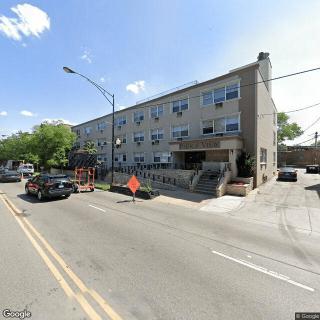





 Skilled Nursing Facilities vs. Nursing Homes: Making Sense of the Differences
 A Detailed Examination of Nursing Home Costs Across the U.S.
 Exploring Nonmedical Home Care: Understanding Services, Costs, and Financial Approaches