
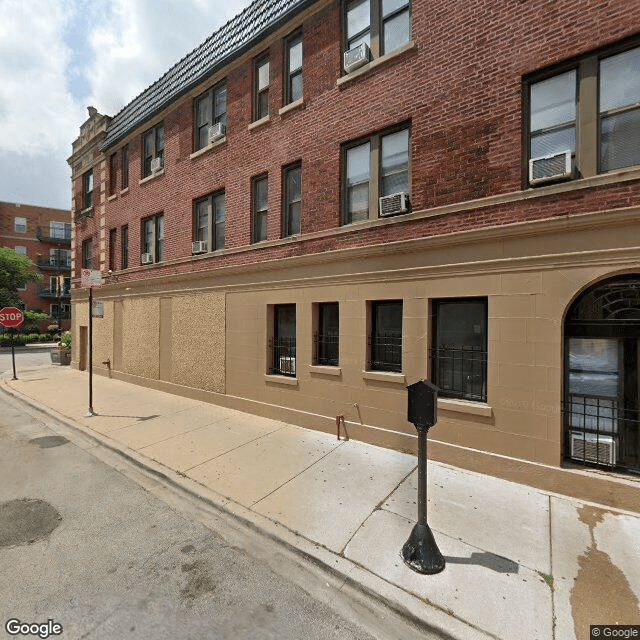
940 W Cullom Ave, Chicago, IL 60613
To contact a resident: (773) 525-9000
For more information about senior living options: (866) 208-4318
Overall Review of Margaret Manor Home North
Pros
 They consistently help visitors find what they’re looking for.
- Visitors love Mado Buena Park and find the people there to be kind.
- The community is excellent and kind, with a supportive atmosphere.
- There is always something for residents to do there.
- They feel content there while awaiting the moving-on program.
- They created their first Impressionistic painting there.
Cons
 They are fed up with this place and would not recommend it to anybody; it feels unprofessional.
- The place is run down and lacks helpful activities, and a family member’s health declined there, prompting a transfer to a better facility.
- It is scary to visit due to the communal visiting area and the presence of mentally ill patients staring, shaking, and walking back and forth.
- There should be a private area to provide privacy and reduce trauma for visitors to a mental health facility.
- Pay and benefits are insufficient and there is a lack of staffing.
Review
Margaret Manor Home North is best suited for seniors who want a lively, peer-centered environment where social engagement and personal expression are the core of daily life. This community rewards residents who seek daytime activities, arts, and easy opportunities to connect with peers. The presence of a structured “moving on” program offers a visible path for planning transitions to more independent settings, which can be a meaningful plus for families mapping long-term care trajectories.
However, potential residents and their families should weigh this against the realities echoed in several reviews: inconsistent professionalism, a facility that can feel worn, and safety or privacy concerns in shared spaces. Those who prioritize a consistently polished environment, strong staff oversight, and calm, private spaces may want to consider alternatives. When the building itself seems run-down and the daily operations appear uneven, the upside of social vitality may not fully offset the downsides for individuals who require steady, high-quality supervision or a quieter atmosphere.
The strongest positives center on authentic community and accessible engagement. Residents report genuine warmth among neighbors and staff, with meaningful opportunities to participate in activities, from painting to digital projects and music-sharing, that foster connection and a sense of purpose. The ability to print menus, chat with peers, and explore creative talents indicates a thriving social fabric where residents can contribute and feel seen. For seniors who prize companionship and avenues for self-expression, these elements can be transformative and deliver real daily satisfaction.
Yet the most significant red flags temper enthusiasm. Several reviewers describe the facility as run-down and lacking in helpful, consistent programming, with health declines prompting moves to higher-quality settings. Visitation can feel unsettled in the communal areas, and the presence of residents facing mental-health or behavioral challenges in shared spaces raises concerns about privacy, comfort, and safety. Reports of insufficient staffing and questions about compensation for caregivers translate into worries about reliability and responsiveness during medical or personal-care needs. These issues create a tension between lively programming and the practical realities of caregiving demands.
For decision-makers, the key questions are concrete and action-oriented. What are the current staff-to-resident ratios, and how do shifts impact timely assistance and monitoring? How robust is the activity calendar, and who leads or funds meaningful engagement for residents with varying abilities? Is there a quiet, private space available for family visits or for residents seeking respite from communal areas? What maintenance and safety improvements have been made, and what is the plan for ongoing upkeep? How does the moving-on program function in practice, and what outcomes have recent participants achieved? Finally, how does the cost align with included services, staffing levels, and the quality of daily life on the ground?
The bottom-line verdict centers on fit. Margaret Manor North serves well those who value a spirited, socially rich milieu and who are comfortable navigating some inconsistencies in upkeep and staffing. For families prioritizing a consistently pristine setting, tight privacy controls, or highly consistent medical and caregiving oversight, alternatives are worth exploring. The mixed experiences reflected in the reviews counsel a deliberate, hands-on assessment: visit during peak activity hours, speak candidly with frontline staff and residents, and scrutinize maintenance and safety practices. If social vitality and a path toward future independence align with a resident’s preferences, this community can be a compelling choice; if not, it is prudent to continue the search until a better-aligned option emerges.
 Skilled Nursing Facility
 Chicago O'Hare International (13 miles away)
 Addison



 Top Canine Companions for Older Adults
 Comprehensive Guide to Blood Pressure Charts for Older Adults: Understanding Normal and High Readings by Age
 Financing Long-Term Nursing Home Care Through Social Security: A Thorough Exploration