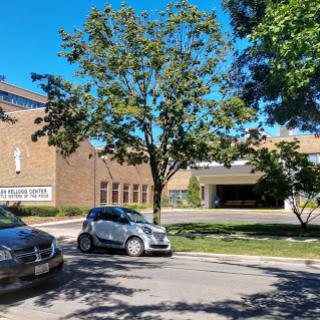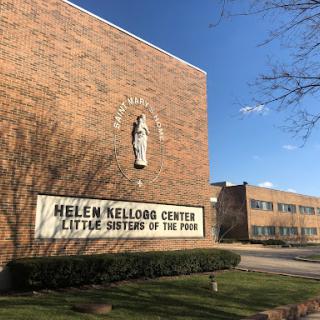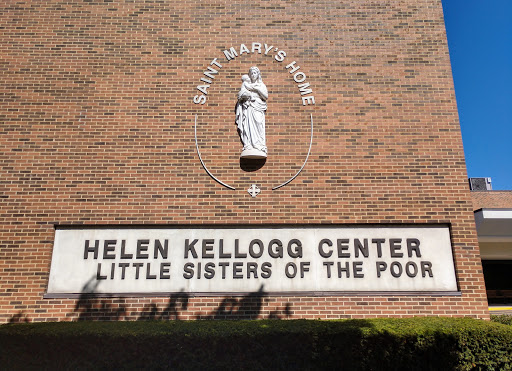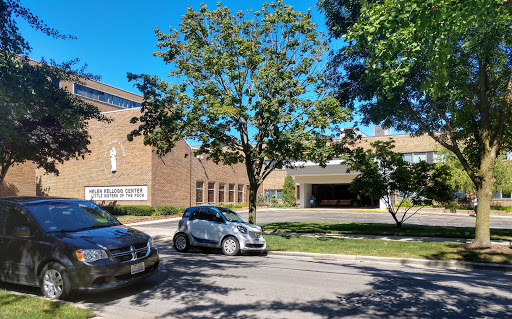
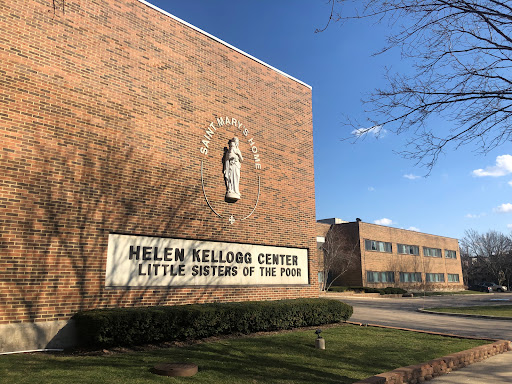
2325 N Lakewood Ave, Chicago, IL 60614
To contact a resident: (773) 935-9600
For more information about senior living options: (866) 208-4318
Overall Review of Little Sisters of the Poor
Pros
 The place is truly special.
- Residents thrive there, finding community, purpose, and comprehensive care.
- The staff, volunteers, and nuns are among the most amazing souls.
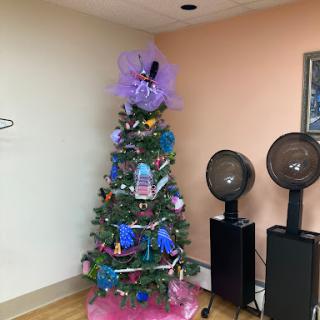
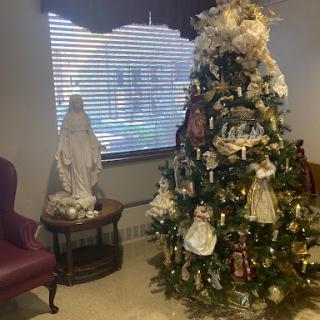
- The social activities and events are amazing.
- Residents regard it as a home.
- The staff provide tender love and care to residents.
- St. Mary's Home is an amazing care facility.
- The staff are attentive, compassionate, and kind.
- The facility is immaculately clean.
- Residents' needs are the highest priority here.
- The Sisters are kind and caring.
- The nursing, administrative, and support staff are warm and skilled.
Cons
 Unlawfully preventing people from visiting their loved ones for months now. Time for a class action lawsuit.
Review
This community is best suited for seniors who prize a faith-rooted, home-like atmosphere where daily care is attentive and social life is vigorous. In Chicago, Little Sisters of the Poor consistently earns praise for turning residence into a true home, not a clinical setting. Families report residents thrive because staff, volunteers, and nuns foster a sense of belonging, purpose, and daily engagement. The environment emphasizes warmth, respect, and meaningful interaction, with residents welcomed into a lively schedule of activities that often outpaces what families expect from elder care. For someone seeking a place where care feels personal, intimate, and rooted in a communal mission, this is a compelling fit.
Those who may want to consider alternatives include families prioritizing advanced medical acuity, highly specialized memory care, or a secular, non-religious atmosphere. If the primary need is cutting-edge clinical capabilities, rapid rehabilitation, or flexible, policy-light visiting that prioritizes strict independence, other communities with a more clinical model may better align with those goals. Likewise, for families seeking a non-faith-based environment or one with a more modern, hospital-like ambiance, it makes sense to compare options that deliver different cultural contexts and care philosophies. In short, this setting excels at communal warmth and purpose-driven living, but may feel less suited to niches that demand high-intensity medical services or secular programming.
The major strengths here are the people and the daily life they create. The pros, compassionate staff, devoted volunteers, and a warm, accommodating culture, almost always translate into residents feeling seen and cared for. The social fabric is a standout: a robust slate of activities and events, opportunities for residents to contribute meaningfully, and a sense that “home” truly fits the resident’s identity and rhythm. Cleanliness and food are frequently cited as reliable positives, reinforcing the sense of a well-run home where routine needs are prioritized. When a resident’s health requires attention, the presence of on-site nurses and a responsive caregiving team further smooths the transition from independence to help, reducing stress for both residents and families.
In practice, these strengths offset most of the common trade-offs families encounter in elder care. The environment’s home-like quality dampens potential loneliness and protects social well-being, which in turn supports overall health and happiness. The blend of attentive care with a meaningful daily routine helps residents maintain identity and purpose, even as assistance becomes more prominent. The warmth of the community also serves as a buffer against the isolation that can accompany aging, making it easier for families to entrust long-term care to this home’s mission-driven culture. When evaluated against peers, the balance of spiritual community, staff devotion, cleanliness, and activity depth tends to draw favor for families seeking lasting quality of life over clinical austerity.
Nonetheless, the picture includes a notable caveat. One reviewed experience pointed to visitation restrictions in a manner that felt unlawful, highlighting a real concern about resident autonomy and family access. While many accounts describe accessible, caring visitation as part of everyday life, this outlier signals the importance of confirming current policies before choosing. For families, the practical takeaway is to verify visiting hours and policy flexibility upfront and to discuss how policies align with the resident’s preferences for family presence. In contexts where freedom of visitation is non-negotiable, this aspect could tilt the decision toward an alternative.
In sum, the Little Sisters of the Poor in Chicago stands out as a powerful option for families who want a nurturing, faith-infused home where residents are treated with enduring dignity and a full social life is woven into daily care. It’s a working choice for those who value relationship-rich environments, predictable routines, and compassionate, community-driven care. Potential residents should come prepared with a clear sense of how important the religious frame, social programming, and home-like ambiance are to their goals, and should explicitly confirm current visitation and care capabilities. For families prioritizing advanced medical intensity or secular programming, exploring additional options is prudent; for those seeking belonging, purpose, and lively daily living, this community earns strong consideration.
 Skilled Nursing Facility
 Chicago Midway (11 miles away)
 Armitage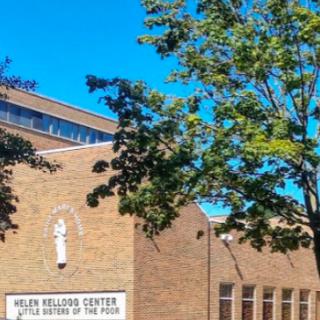


 Encouraging Participation in Adult Day Care: A Guide to Supporting a Hesitant Parent
 Comprehensive Exploration of Living Wills and Other Advance Directives
 A Detailed Exploration of Living Wills and Advance Directives