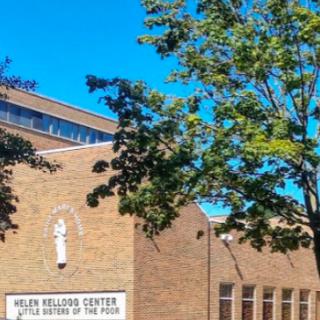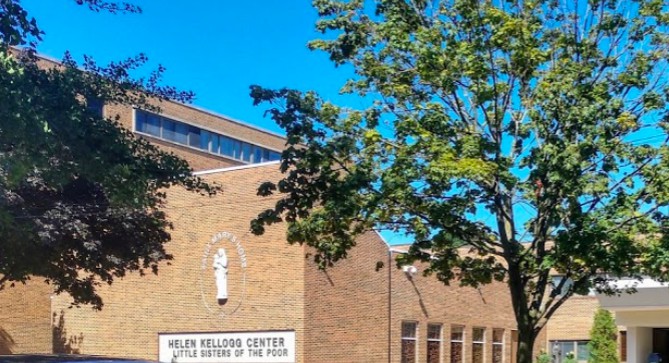
2325 North Lakewood Avenue, Chicago, IL 60614
For more information about senior living options: (866) 208-4318
Overall Review of Little Sisters Of The Poor - Chicago
Pros
 The place is truly special, and the mother thrived there with every health need cared for.
- All of the staff, volunteers, and nuns are among the most amazing souls.
- The social activities and events are amazing, giving the mother a vibrant social life.
- It is not a nursing home; it felt like home to the mother.
- The tender love and care shown to residents is heartfelt and appreciated.
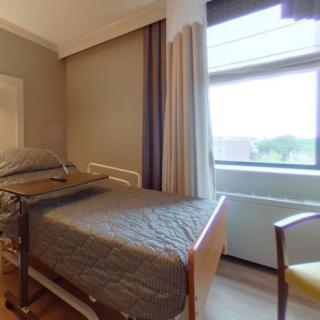
- St. Mary’s Home is an amazing care facility with attentive, compassionate, and kind staff, great food, and immaculate cleanliness.
- The facility is spotless, loving, and follows CDC guidelines for safety.
Cons
 Unlawfully preventing people from visiting their loved ones for months now. Time for a class action lawsuit.
Review
Little Sisters Of The Poor - Chicago is best suited for seniors who want a small, faith‑driven, home‑like environment where caregiving is deeply personal and social life is robust. The setting relies on a tight-knit team of nuns, staff, and volunteers who treat residents with steady warmth and respect. Those who thrive here tend to value purposeful daily routines, meaningful conversation, and regular opportunities to contribute to a communal life. It feels less like a clinical facility and more like a living room anchored by shared meals, rituals, and a sense of belonging. For families seeking dignity, consistent personal attention, and an emotionally rich day-to-day experience, this community stands out.
Those weighing alternatives should consider whether a secular, more clinically oriented atmosphere is necessary, or if intense, specialty medical services are a priority. The emphasis on faith, community, and intimate caregiving means the setting may not align with needs for aggressive medical oversight, complex memory-care programming, or rapid access to a broad range of hospital-style therapies. Couples or residents who require high levels of specialized nursing or who prefer a facility with a larger, more clinical footprint may find better fit elsewhere. In short, this is less about volume of services and more about the character and soul of daily life.
The strongest positives, genuine caregiver warmth, a mission-driven culture, and a lively social calendar, consistently surface in feedback. Residents are described as being cherished by attentive staff, the Sisters, and volunteers who spend meaningful time with them. The social activities are not token offerings but core experiences that drive a sense of purpose and companionship. Cleanliness and food quality reinforce an overall impression of dignity and respect in daily living. These elements create a durable counterbalance to typical elder-care concerns, delivering emotional security and a feeling of being valued, day after day.
However, a notable caution accompanies the strengths. One review highlights a significant visitor-policy friction, alleging prolonged restrictions on family presence. That concern speaks to a core tension in settings like this: the need to protect residents while preserving essential family connection. While many families find governance and safety measures reasonable, this particular point can shake confidence for those who prioritize flexible visitation or who depend on regular family involvement for ongoing care coordination. When weighing this community, the weight of that individual experience should be tested directly with current administration to understand current practice and any improvements since the cited timeframe.
A practical assessment, therefore, centers on alignment of expectations with reality. The environment is explicitly non‑institutional in feel, with a focus on warmth, purpose, and social fulfillment rather than a glossy hospital cadence. That means prospective residents should verify the on-site medical support, and how transitions to higher levels of care are managed, since the locale emphasizes home-like care over a large‑scale clinical operation. Prospective families should request a transparent discussion about staffing ratios, daily schedules, and the availability of rehabilitation or specialized services if needed. A tour paired with candid conversations about current visiting policies and emergency protocols will illuminate any gaps before a move.
Ultimately, the right candidate is someone who values a dignified, faith‑anchored home where residents are viewed as part of a family and daily life revolves around connection and purpose. This community shines for seniors who want strong relational care, a vibrant social ecosystem, and a serene, spotless setting. It may be less suitable for those who demand aggressive medical oversight, secular parity, or unrestricted family access without clear policy explanations. Families should act decisively: arrange a visit, engage with the care team about daily routines and availability of clinical services, and confirm the latest visitation policies. With those assurances in hand, this Little Sisters Of The Poor location can be a compelling, life-affirming choice that honors both independence and the comfort of belonging.
 76 resident community capacity
 Skilled Nursing Facility
 Air-conditioning
 Beauty salon
 Cable or satellite TV
 Computer center
 Dining room
 Fitness room
 Fully furnished
 Gaming room
 Garden
 Housekeeping services
 Kitchenette
 Move-in coordination
 Outdoor space
 Private bathrooms
 Restaurant-style dining
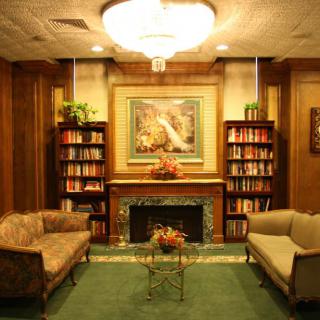
 Small library
 Telephone
 Wellness center
 Wi-Fi/high-speed internet available
 Chicago Midway (11 miles away)
 Community operated transportation
 Armitage
  12-16 hour nursing
 24-hour call system
 Activities of daily living assistance
 Assistance with bathing
 Assistance with dressing
 Assistance with transfers
 Diabetes diet
 Medication management
 Mental wellness program
 Special dietary restrictions
 Concierge services
 Planned day trips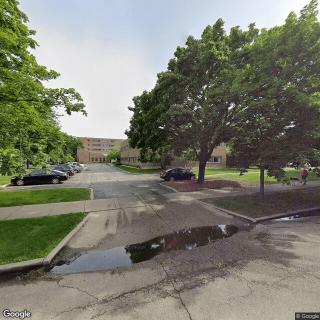





 Comprehensive Guide to Qualifying for Home Health Care Services
 Powerful Realities of Elder Abuse and the Most Effective Ways to Report It
 Ten Vital Duties of a Senior Caregiver: A Comprehensive Guide