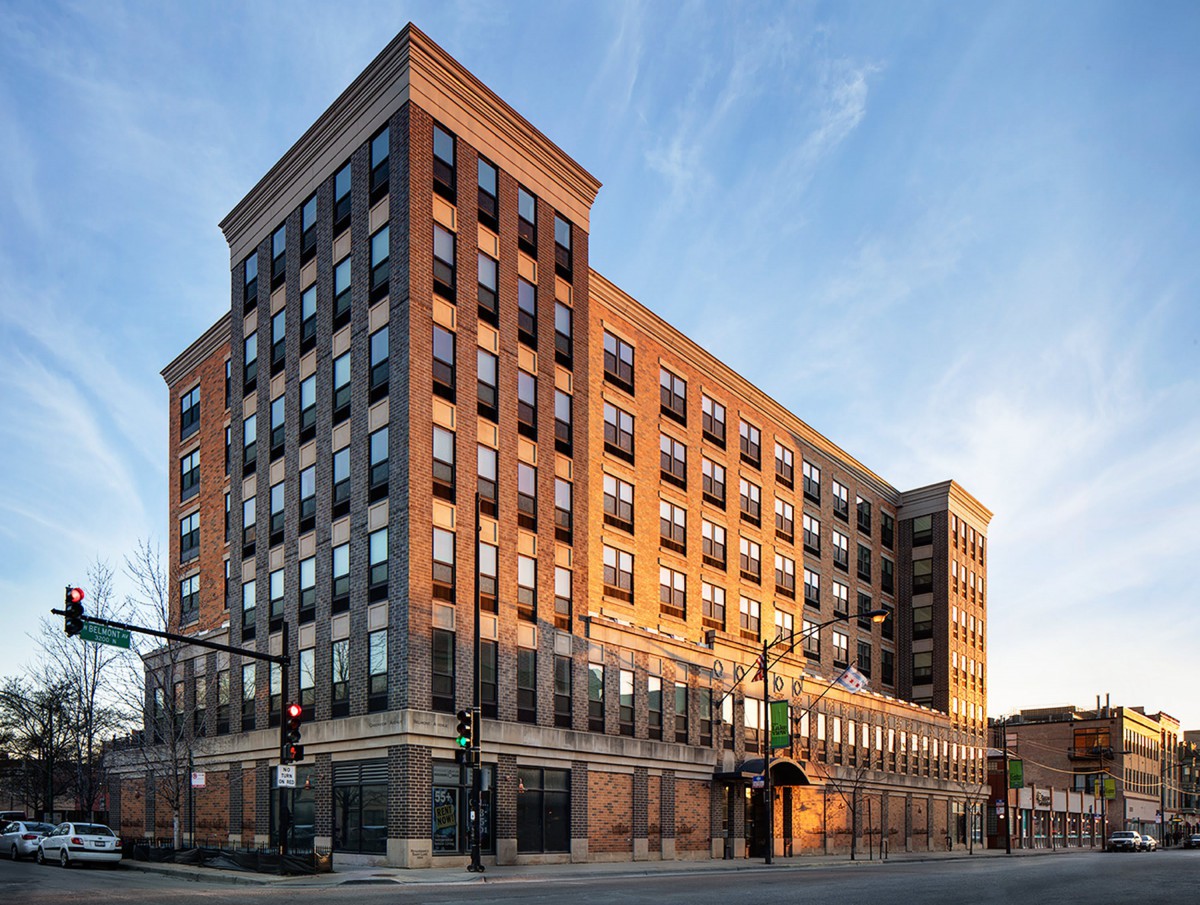
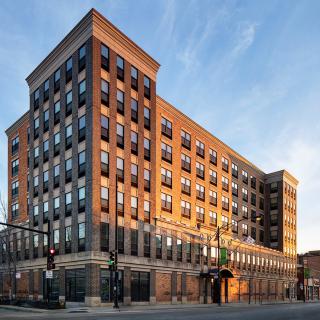

1501 W Belmont Ave, Chicago, IL 60657
To contact a resident: (773) 975-1501
For more information about senior living options: (866) 208-4318
Renaissance Saint Luke Costs & Pricing
Renaissance Saint Luke offers competitive pricing for its living accommodations in comparison to the broader market of Cook County and the state of Illinois. The monthly cost for a studio apartment at Renaissance Saint Luke is $900, significantly lower than the county average of $3,762 and the state average of $4,028. For those seeking a one-bedroom unit, residents will find that Renaissance Saint Luke charges $1,500, again well below Cook County's rate of $3,256 and Illinois' average of $3,527. Even for two-bedroom apartments, which are priced at $1,785 at Renaissance Saint Luke, this remains more economical compared to the surrounding area's costs - $4,412 in Cook County and $4,208 statewide. Overall, Renaissance Saint Luke stands out as an attractive option for individuals or families looking to balance quality living with affordability.
| Floor plans | Renaissance Saint Luke | Cook County | Illinois |
|---|---|---|---|
| Studio | $900 | $3,762 | $4,028 |
| 1 Bedroom | $1,500 | $3,256 | $3,527 |
| 2 Bedrooms | $1,785 | $4,412 | $4,208 |
Independent Living communities with a similar price nearby
-
from -$150 / mo
Anathoth Gardens
$750 / month5.2 miles away -
from +$159 / mo
Senior Suites of Marquette Village
$1,059 to $1,161 / month12.6 miles away -
from -$150 / mo
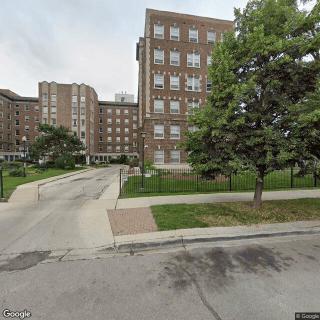
Beth Anne Residence
$750 / month5.0 miles away -
from +$165 / mo
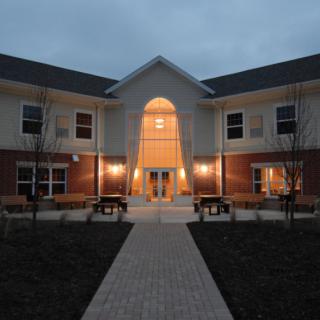
David Webb Jr. Senior Living
$1,065 to $1,215 / month23.0 miles away -
from +$159 / mo
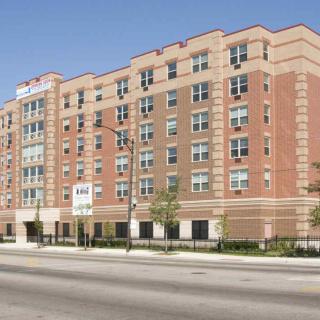
Senior Suites Of Kelvyn Park
$1,059 to $1,161 / month4.1 miles away
Overall Review of Renaissance Saint Luke
Pros
 It has been a great experience for him.
- He chose this facility because of the location and liked the area.
- The Renaissance Saint Luke has a warm and friendly atmosphere.
- The location is close to stores, restaurants, theaters, and more.
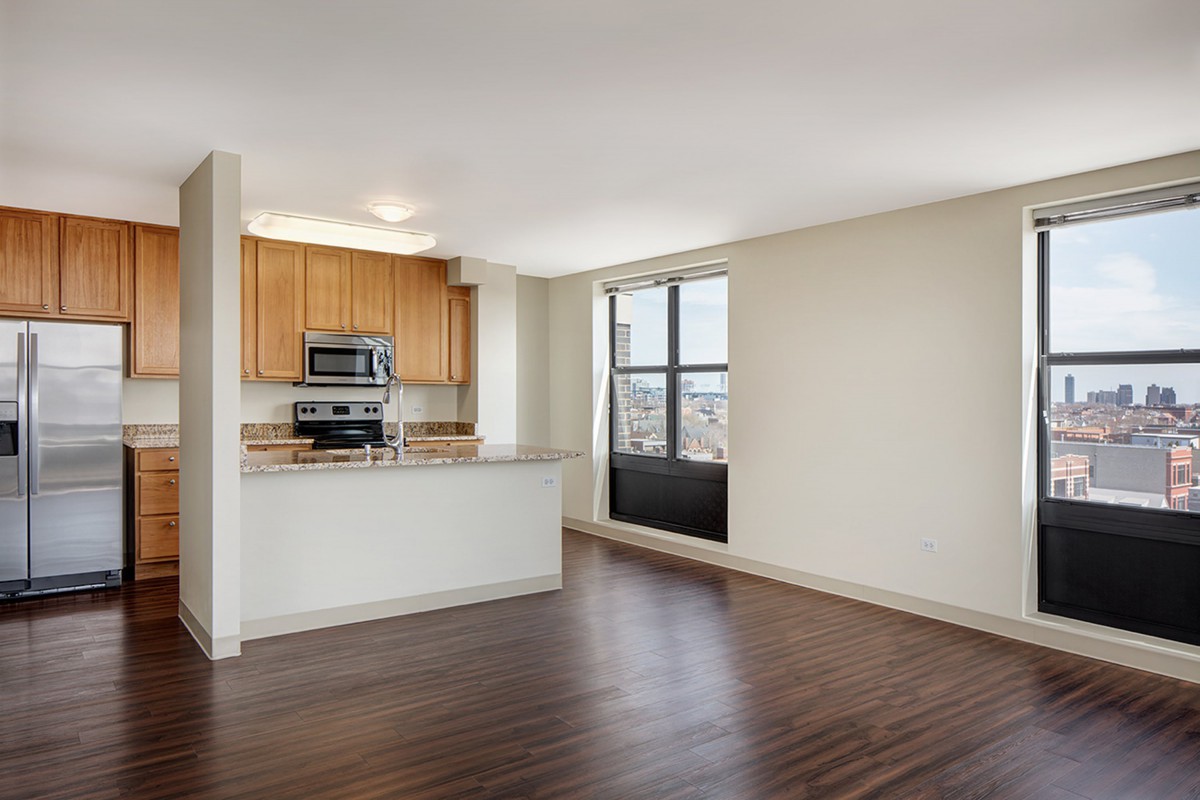
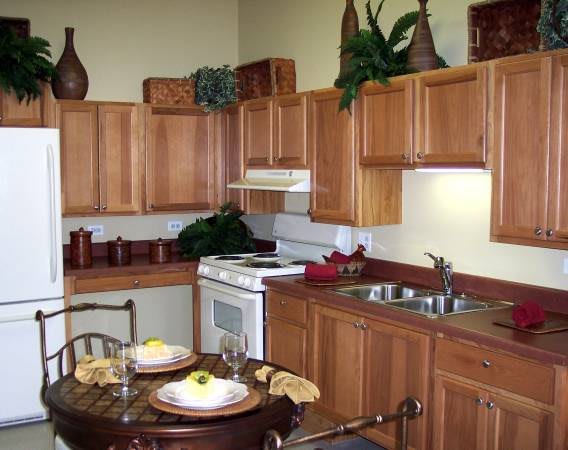
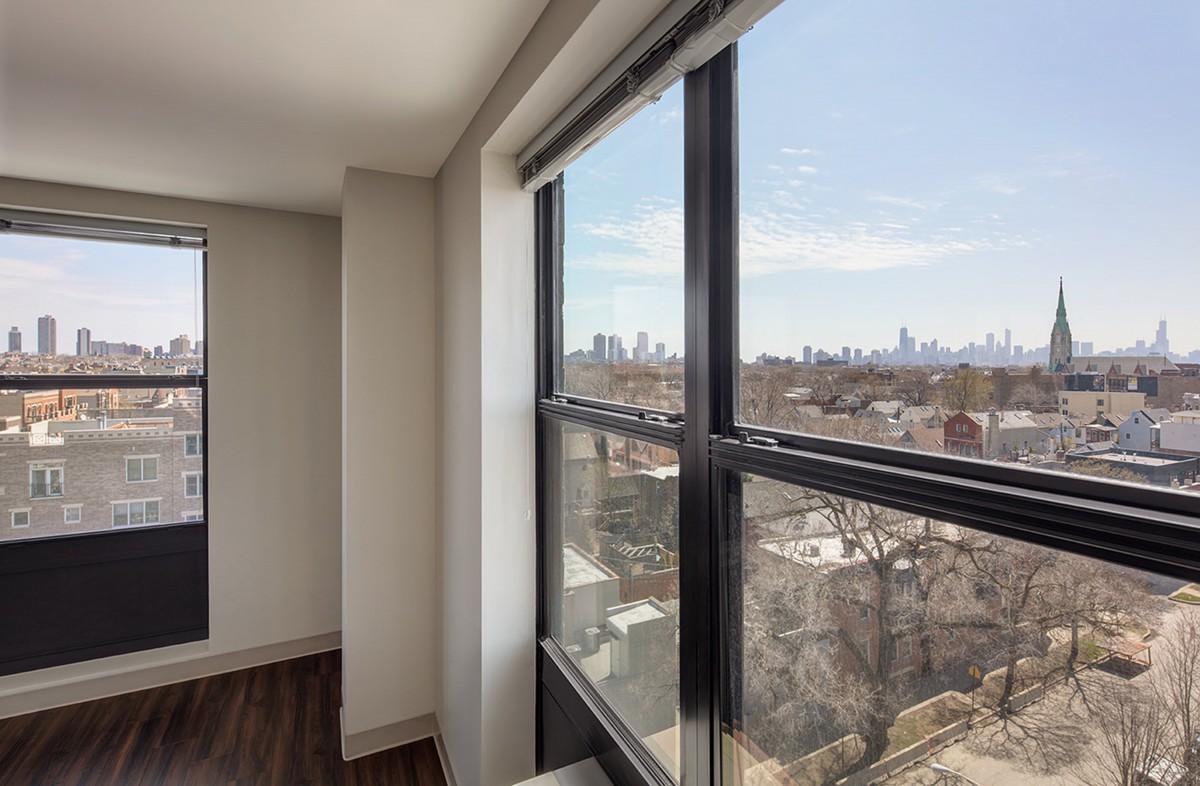
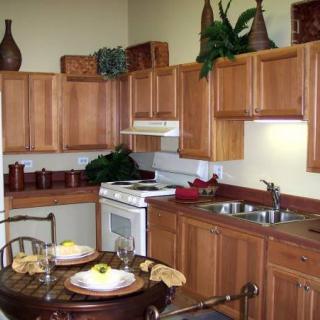
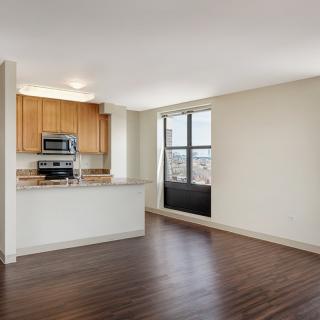
- The apartment is open and airy with a roomy layout and a nice kitchen.
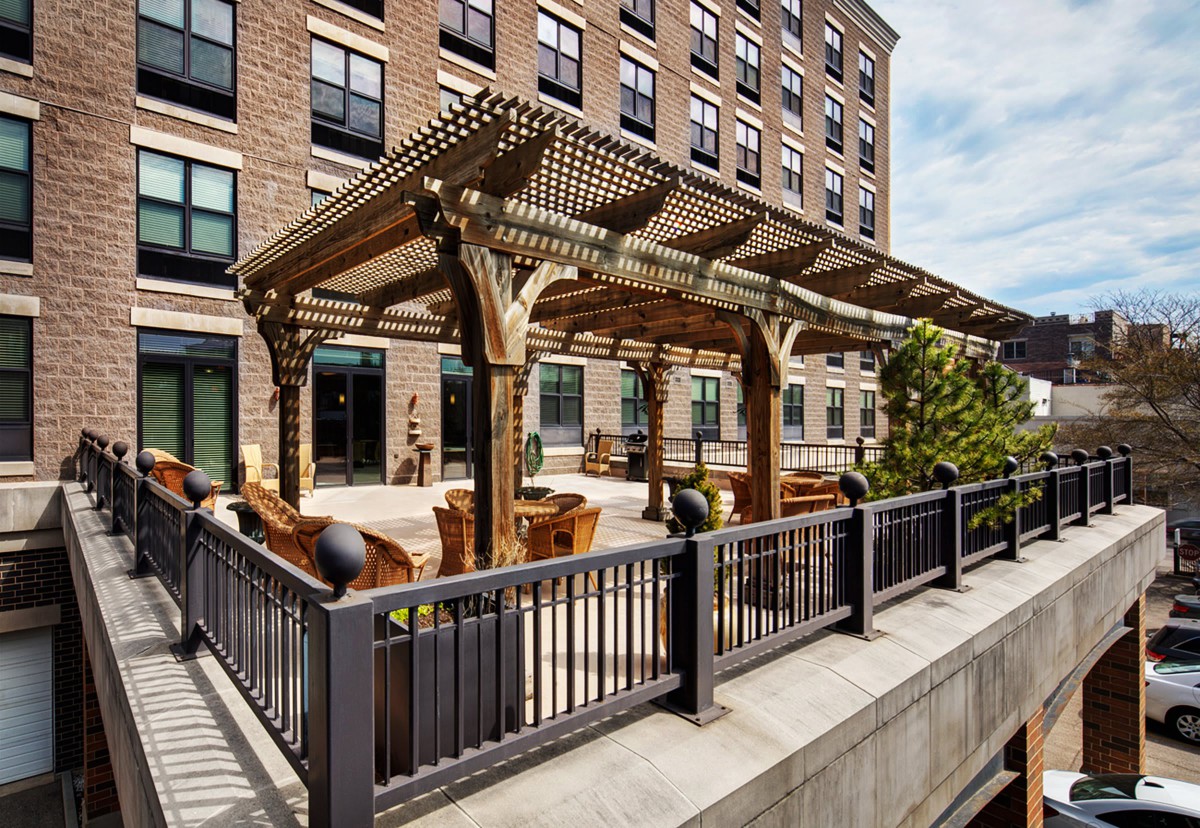
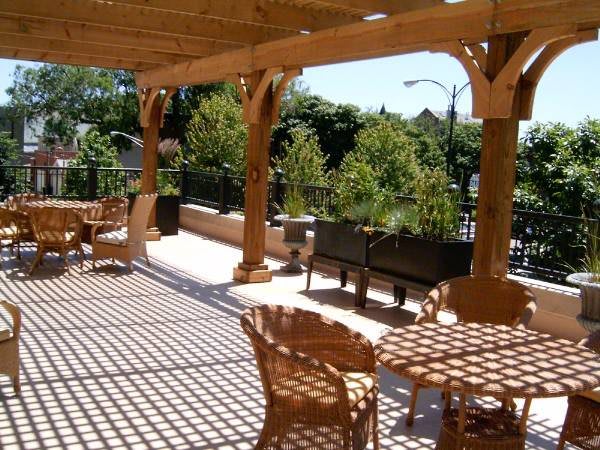
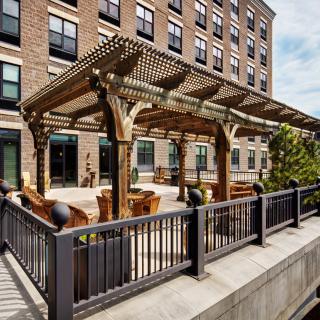
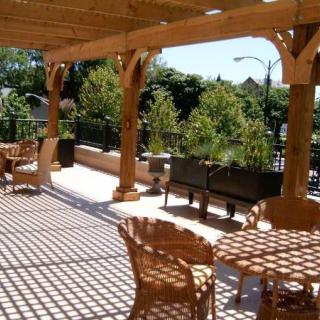
- There are amenities like a weekly potluck, outdoor grilling and gardening facilities, and a large washer and dryer.
- The building is very clean and the people are friendly.
- The staff is helpful, and residents can arrange transportation if needed.
Cons
 The lobby was filthy.
- The staff got into an argument in front of us.
- There is a long wait list.
Review
Renaissance Saint Luke is best suited for active seniors who want an urban Chicago address and can make the most of a location that puts shopping, entertainment, and transit within easy reach. The community leans toward independent living with the option to add support as needs evolve, so it works for households that prize autonomy, social connection, and a spacious apartment to host friends and family. A two-bedroom, two-bath layout with open, airy interiors supports comfortable living, and a robust calendar of communal activities strengthens daily life. It is a practical home base for those who value convenience and neighborhood energy over a facility-first approach that centers care needs at once.
Careful consideration is warranted for those who prioritize flawless tour experiences, impeccable front-desk operations, or guaranteed immediate availability. The property has reported tour inconsistencies, lobbies that can be less than pristine and staff conflicts witnessed by visitors, moments that matter to families seeking a smooth onboarding. Another caveat is the wait list for units, which can delay moves for residents who must relocate promptly. If a highly controlled environment with consistently courteous staff and quicker move-in timelines is essential, alternatives with tighter operational discipline and shorter wait times deserve comparison.
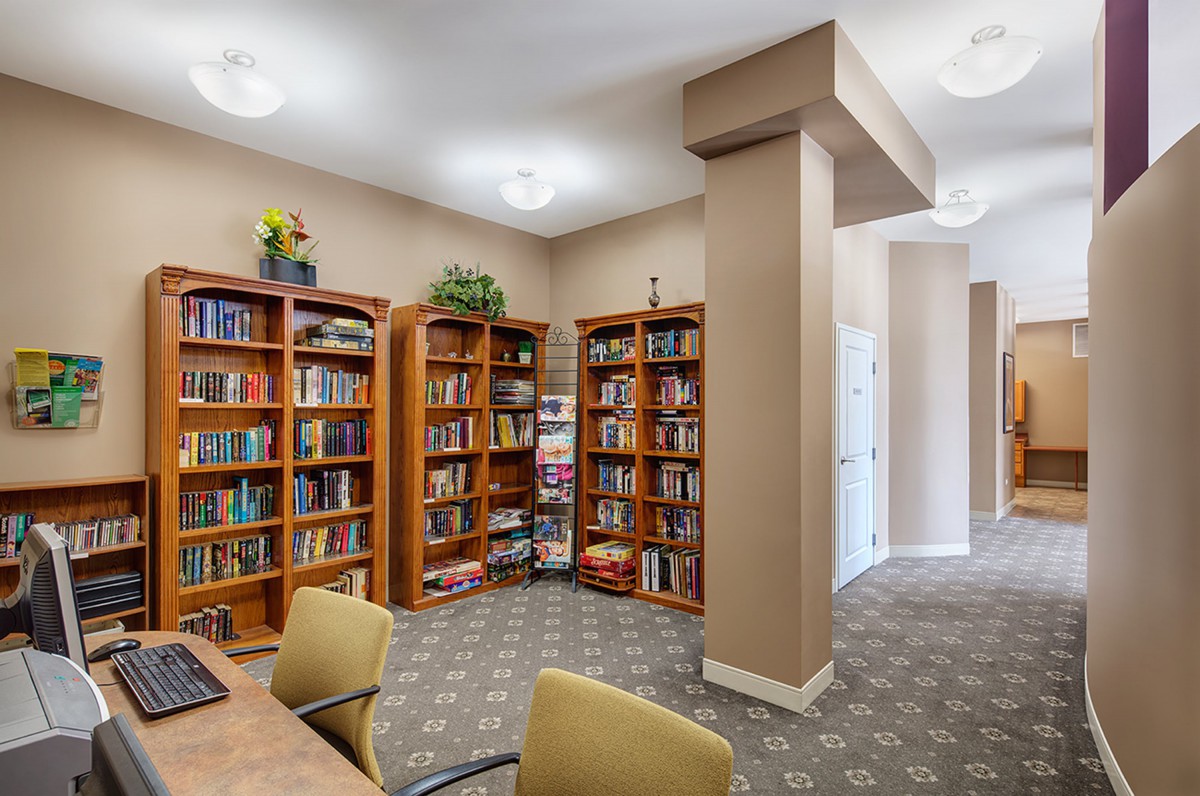
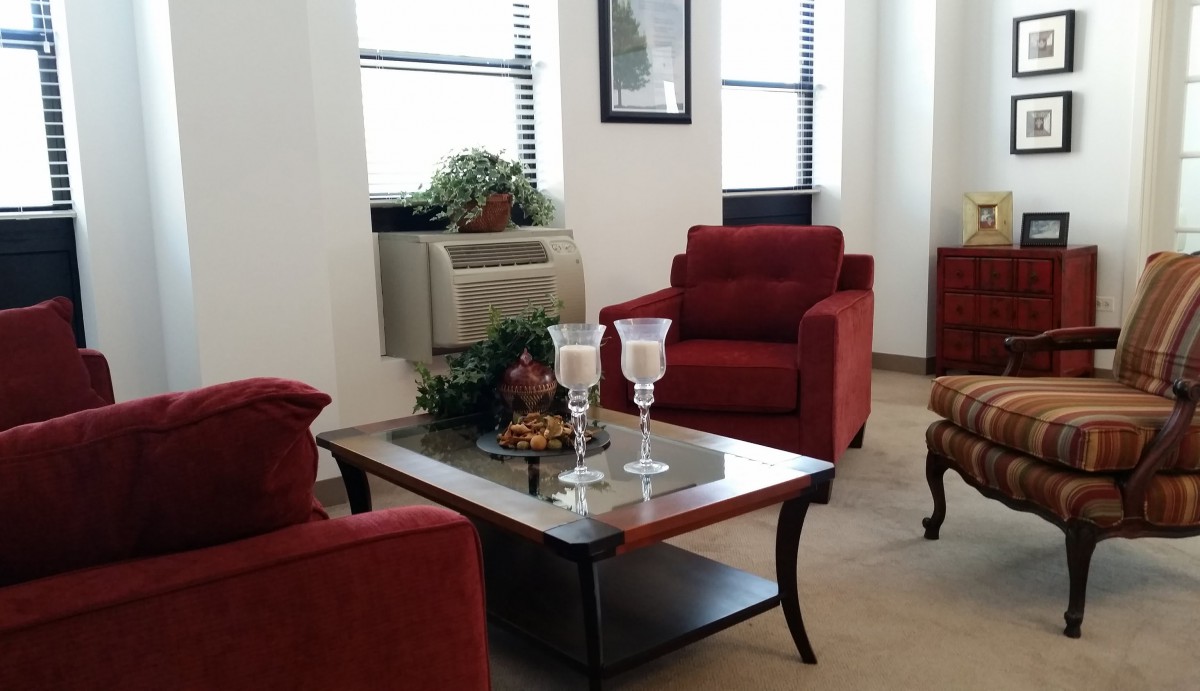
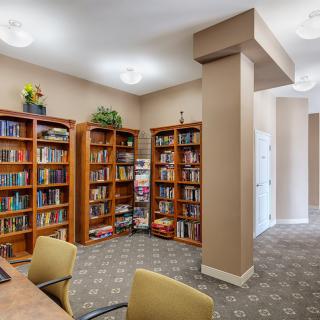
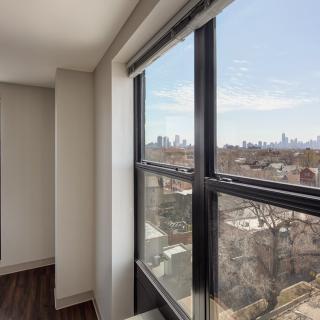
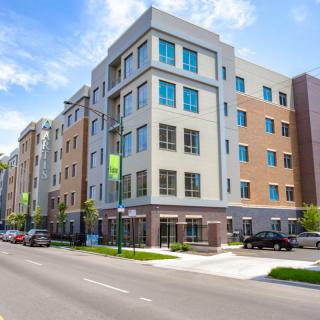
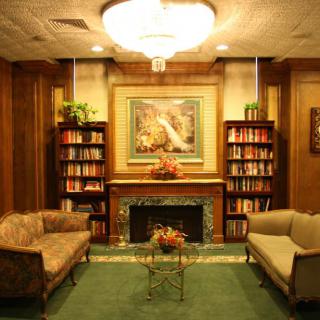
On balance, the strongest selling points are compelling enough to offset several drawbacks. The neighborhood setting, close to shops, restaurants, theaters, and transit, translates into lower daily friction for residents and easier caregiver access for families visiting. The apartmentā€™s open, airy feel, with windows on two sides in some layouts, plus a generous two-bedroom configuration, directly supports livability for couples or roommates and reduces the sense of confinement. Ample common spaces, the large activity room, library, and multimedia options, facilitate social engagement and purposeful days, while outdoor facilities for gardening and grilling invite spontaneous, low-stress activities. Transportation arrangements, including options for arranging rides, add a practical layer for outings without heavy planning.
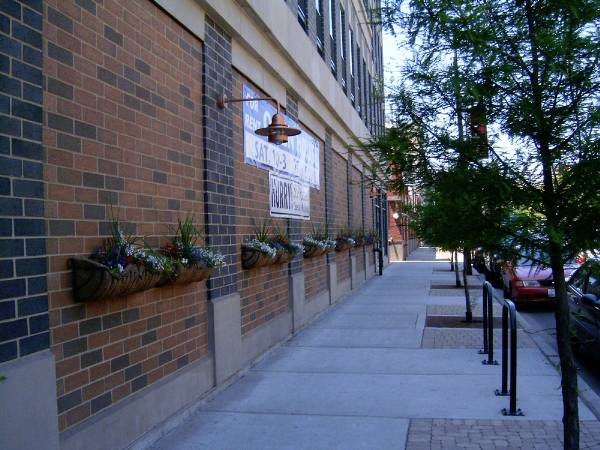
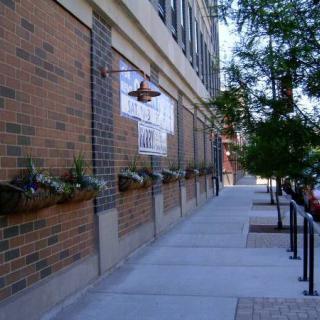
Reviews repeatedly highlight a warm, friendly atmosphere and staff who are helpful, with residents saying they feel at ease and can build social connections quickly. The accessibility of the location, proximity to stores, bus lines, and cultural amenities, supports independence and a rich daily routine. The physical footprint, landscaped grounds, a welcoming entry, and a layout that accommodates guests, helps reduce the feeling of isolation. Across-the-street church ties and the sense of a connected community further reinforce the live-work-leisure balance many families seek in retirement living. Even for those still weighing a move, the community presents a convincing case for choosing a place that prioritizes social integration alongside space.
However, the drawbacks are not negligible. The lingering impression from a tour that felt rushed or mismanaged can foreshadow uneven day-to-day experiences, and the occasional front-desk outburst observed by visitors signals that staff professionalism can fluctuate. The practical friction is the waitlist, which can delay housing and complicate planning for families with moving timelines. While transportation is available, the reliance on staff coordination for outings and onboarding pace means prospective residents should budget time and maintain backup options. For those needing immediate, structured care rather than independent living with optional support, this community will inevitably feel slow-moving or undersized for the short term.
In deciding, weight the value of a vibrant Chicago setting and generous apartment layout against the realities of onboarding and availability. For families prioritizing location, social engagement, and space, Renaissance Saint Luke represents a strong fit, especially if independence is the current priority with amenity-rich days as a plan for the future. Those requiring rapid move-in, consistently uniform front-office service, or a guaranteed pace of care should compare other options with shorter wait times and more predictable operations. A candid, in-person look at communal spaces during a busy afternoon, paired with a straightforward discussion about waitlist timing and future care options, will reveal whether this community aligns with concrete needs and scheduling realities.
 Active Adult Communities (55+)
 Independent Living
 Activities off-site
 Air-conditioning
 Devotional services off-site
 Full kitchen
 Indoor common areas
 Outdoor common areas
 Wheelchair accessible showers
 Chicago Midway (11 miles away)
 Addison
  Ambulatory care
 Diabetic care
 Meals provided
 Educational speakers / life long learning
 Gardening club
 Live musical performances
 Live well programs
 Wii bowling

 6 Crucial Ways an Elder Law Attorney Assists Families
 Navigating the Tax Landscape of Caregiving: Credits, Deductions, and Beyond
 Highly Beneficial Low-Impact Exercises for Senior Living Residents