For more information about senior living options: (866) 208-4318
4.1 from 27 reviews
5 stars
17
4 stars
3
3 stars
2
2 stars
4
1 stars
1
Greenview Place Costs & Pricing
Greenview Place offers competitive pricing for its accommodations, with costs that are generally lower than both Cook County and the broader state of Illinois. For a private room, residents at Greenview Place pay $3,452 per month, significantly less than the Cook County average of $5,168 and the Illinois average of $5,049. The studio option is attractively priced at $3,500, which also falls below the county's rate of $3,762 and the state's average of $4,028. Interestingly, while the price for a one-bedroom unit at Greenview Place is set at $4,000, it surpasses both the county's figure of $3,256 and the state's average of $3,527. Overall, this pricing structure presents a compelling value proposition for potential residents looking for quality living arrangements at an accessible cost.
Floor plans
Greenview Place
Cook County
Illinois
Private
$3,452
$5,168
$5,049
Studio
$3,500
$3,762
$4,028
1 Bedroom
$4,000
$3,256
$3,527
Assisted Living communities with a similar price nearby
Residents and visitors repeatedly describe staff who feel welcoming and helpful.
A consistent theme across reviews is how people are greeted and treated, with many describing the staff as friendly, kind, and attentive. Several reviews also mention staff professionalism and positive day-to-day interactions with care teams, maintenance, and dining staff. Even in the more critical reviews, residents describe specific staffing problems, which still keeps “staff experience” as the dominant thread.
common11 reviews mention this
Cleanliness is frequently mentioned
Many reviewers highlight the facility’s clean look and overall upkeep.
Multiple reviews say the building and common areas are clean, comfortable, and welcoming. Some residents also describe rooms as clean and note that cleanliness can vary depending on who is handling cleaning tasks. A few critical reviews mention cleaning-related complaints, like issues with rugs and shower floor installation, which balance the overall positive cleanliness comments.
common9 reviews mention this
Dining gets mixed feedback
Food quality and variety draw both praise and complaints.
Dining shows up frequently, with several residents saying the food is good, having meals ready, or enjoying the taste and choices. Other reviewers raise concerns about food being horrible, running out of food, or having menu items removed. The community also offers restaurant-style dining and meal options for special dietary needs, which aligns with how residents discuss what is served and how flexible it feels.
caveat6 reviews mention this
Care support levels vary by reviewer
Reviews describe supportive care, but assistance can feel inconsistent.
Some residents describe hands-on support, including being seen and having medications delivered, along with nurse and CNA presence during set hours. Others say the level of care is lacking and that it can be difficult to get help, with complaints about staff behavior and rude DSPs. The reviews collectively suggest that care experiences differ from person to person, even within the same assisted living setting.
common5 reviews mention this
Activities keep many residents busy
Residents mention a busy schedule of on-site activities.
Several reviews point to frequent activities like movies, bingo, exercises, and group games, and describe an activity calendar with options. A few residents also mention regular outings such as weekly trips, plus cooking sessions led by a chef. Reviews also note that participation can depend on the person, with some saying they weren’t pressured to join while others found the program engaging.
How we summarize
Counts show how many written reviews mention each theme; a review can touch several themes, and only frequently mentioned themes are displayed.
Features
Housing
15 resident community capacity
1-bedroom apartments
Studio apartments
Types of Care
Assisted Living
Pets
Cats allowed
Amenities
Activities on-site
Air-conditioning
Beautician on-site
Cable or satellite TV
Computer center
Devotional services off-site
Devotional services on-site
Dining room
Financial aid
Fully furnished
Garden
Handicap accessible
Housekeeping services
Indoor common areas
Kitchenette
Laundry
Move-in coordination
Outdoor common areas
Outdoor space
TV room
Telephone
Wheelchair accessible showers
Wi-Fi/high-speed internet available
Transportation
Chicago Midway (12 miles away)
Chicago O'Hare International (12 miles away)
Transportation & parking
Nearby Metro Stations
Addison
Belmont
Diversey
Paulina
Southport
Wellington
Care Services
24-hour supervision
Activities of daily living assistance
Ambulatory care
Assistance with bathing
Assistance with dressing
Assistance with transfers
Coordination with health care providers
Diabetes diet
Diabetic care
Meal preparation and service
Medication management
Special dietary restrictions
Transportation arrangement (medical)
Transportation to doctors appointments
Dining
Diabetes diet
Guest meals
Meals provided
Restaurant style dining
Special dietary restrictions
Activities
Activities off-site
Art classes
Arts and crafts
Catholic services
Community-sponsored activities
Day trips and outings
Devotional activities offsite
Devotional activities on-site
Educational speakers / life long learning
Happy hour
Karaoke
Live musical performances
Protestant services
Scheduled daily activities
Stretching classes
Yoga / chair yoga
Languages Spoken
English
Videos
Nearby Places of Interest
This area of Chicago, Illinois offers a convenient and bustling urban environment with easy access to essential amenities. There are multiple pharmacies within close proximity, ensuring easy access to medications and health supplies. A variety of restaurants cater to different tastes, providing options for dining out. Public transportation options are available nearby, making it easy to navigate the city without the need for a car. Several parks offer opportunities for outdoor recreation and relaxation. The presence of hospitals and dental specialists in the vicinity ensures access to healthcare services. Additionally, there are cafes for socializing and enjoying a cup of coffee, as well as a theater for entertainment. Overall, this area provides a vibrant community with diverse offerings that may appeal to seniors looking for an active and connected lifestyle in their retirement years.
Pharmacies
Walgreens (0.2 miles)
CVS Pharmacy (0.6 miles)
Walgreens (0.9 miles)
Walgreens (1 miles)
Walgreens (1.1 miles)
Walgreens (1.1 miles)
Walgreens (1.2 miles)
Restaurants
Will's Northwoods Inn (0.5 miles)
McDonald's (0.5 miles)
Murphy's Bleachers (0.9 miles)
Roscoe's (0.9 miles)
Lucky Horse Shoe Lounge (0.9 miles)
Hydrate (0.9 miles)
Las Mananitas Mexican Restaurant (1 miles)
Transportation
CTA - Belmont (0.7 miles)
Cta (0.8 miles)
CTA - Fullerton (1.3 miles)
Cta (1.8 miles)
Cta (3.8 miles)
Parks
Hamlin Park (0.8 miles)
Wrightwood Park (0.8 miles)
Churchill Field Park (1.9 miles)
Churchill Field Park (1.9 miles)
Horner Park (2.1 miles)
Palmer Square Park (2.2 miles)
Wicker Park (2.3 miles)
Hospitals
Advocate Illinois Masonic Medical Center (0.8 miles)
Swedish Covenant Hospital Cancer Care (2.9 miles)
Ann & Robert H. Lurie Children's Hospital of Chicago (3.8 miles)
Greenview Place offers competitive pricing for its accommodations, with costs that are generally lower than both Cook County and the broader state of Illinois. For a private room, residents at Greenview Place pay $3,452 per month, significantly less than the Cook County average of $5,168 and the Illinois average of $5,049. The studio option is attractively priced at $3,500, which also falls below the county's rate of $3,762 and the state's average of $4,028. Interestingly, while the price for a one-bedroom unit at Greenview Place is set at $4,000, it surpasses both the county's figure of $3,256 and the state's average of $3,527. Overall, this pricing structure presents a compelling value proposition for potential residents looking for quality living arrangements at an accessible cost.
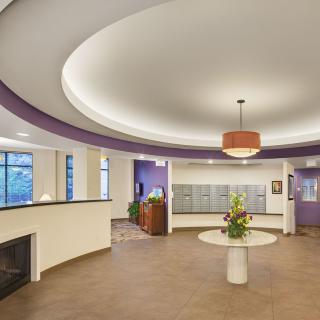
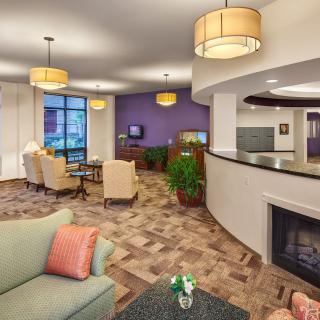
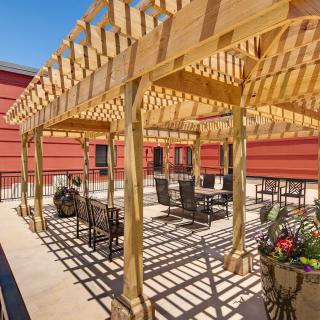
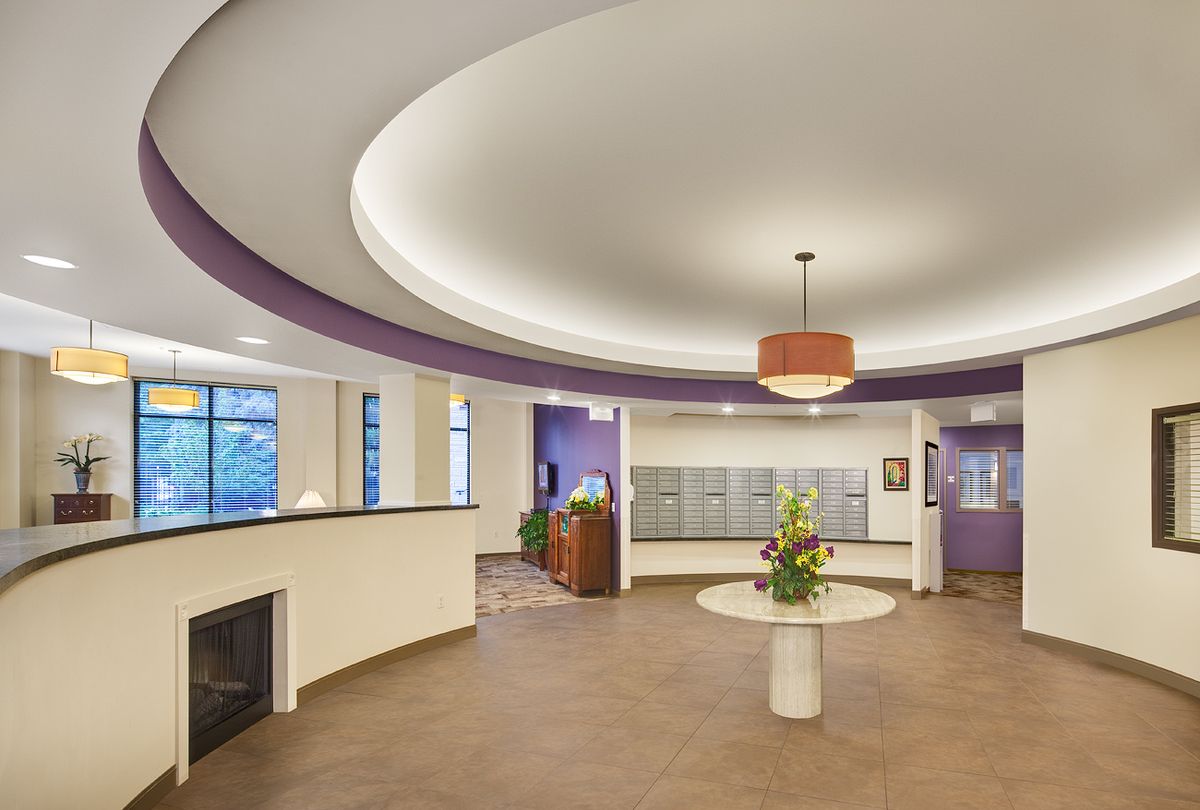
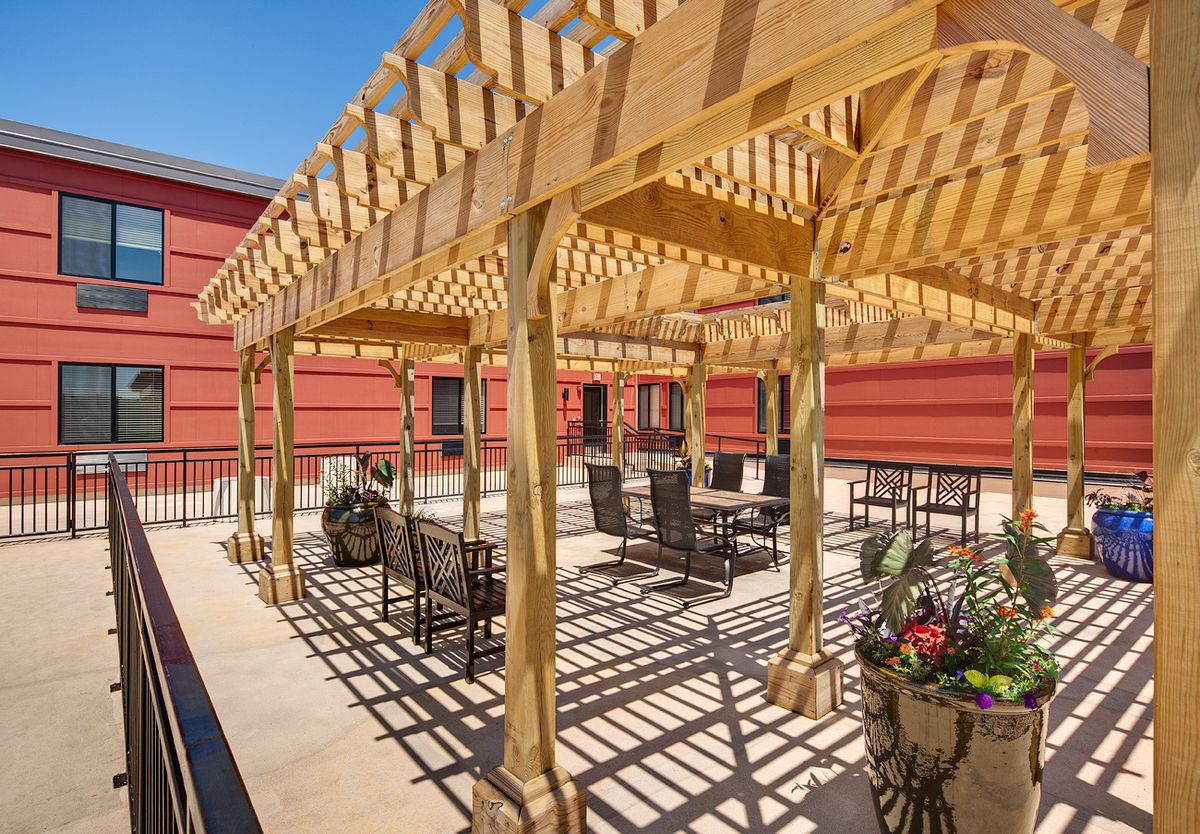
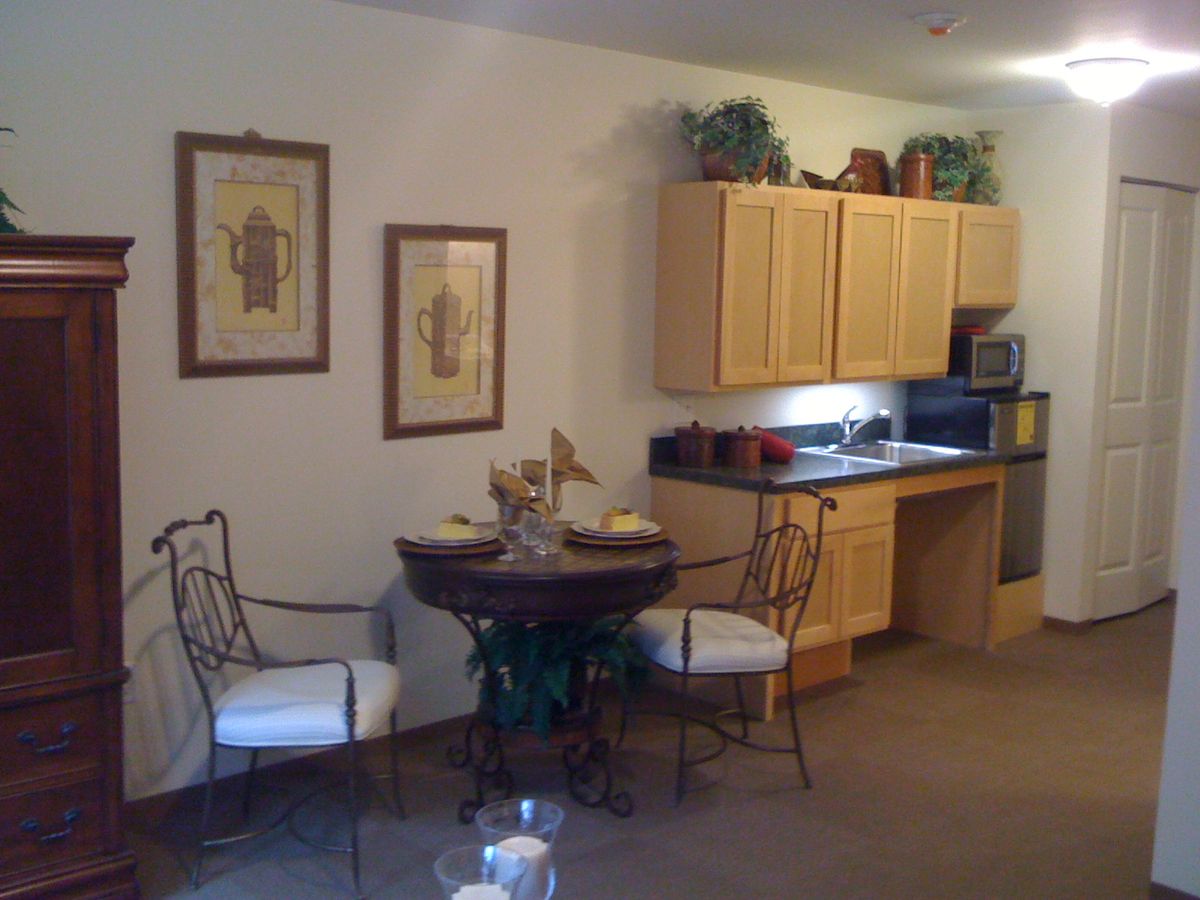
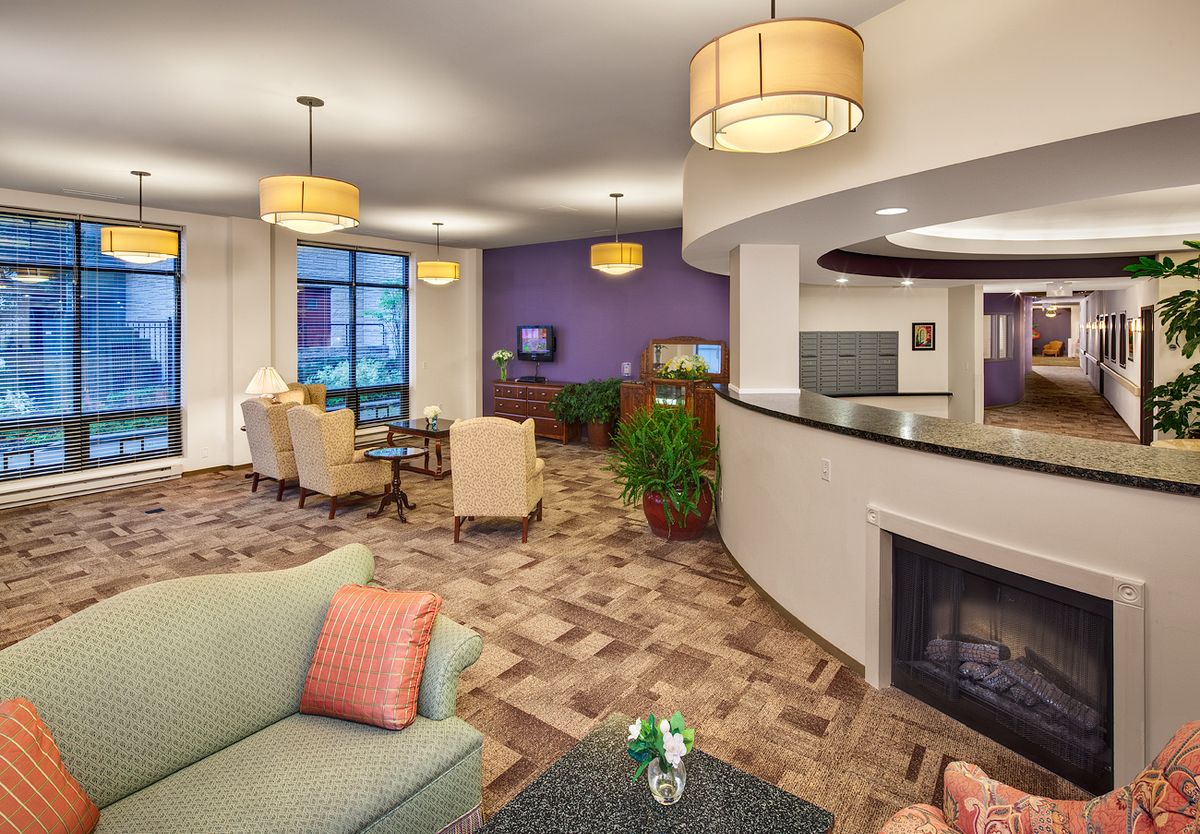
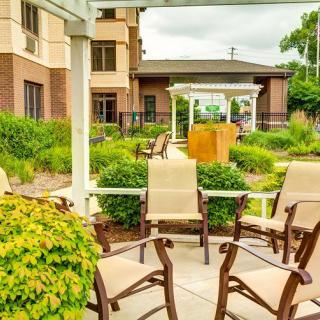
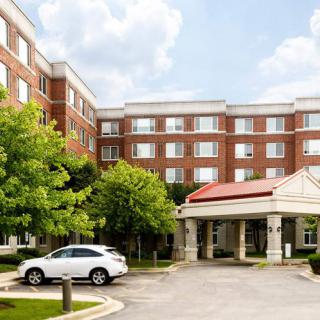
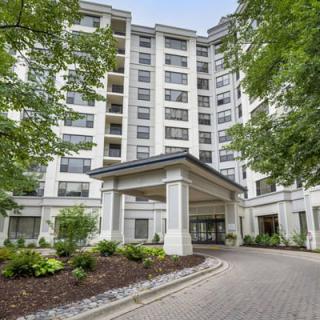
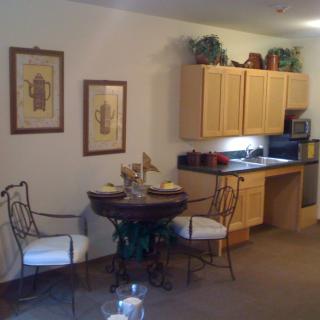
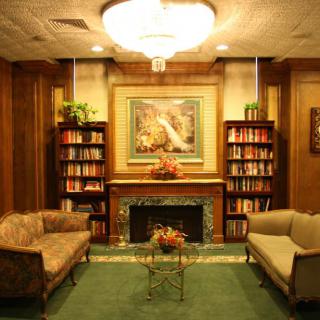
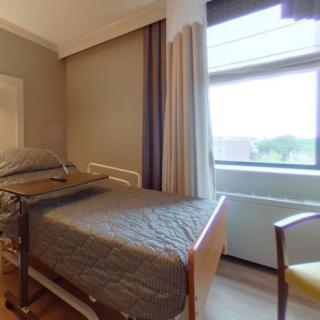
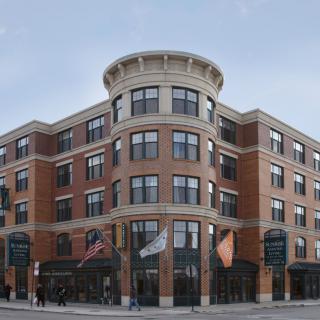
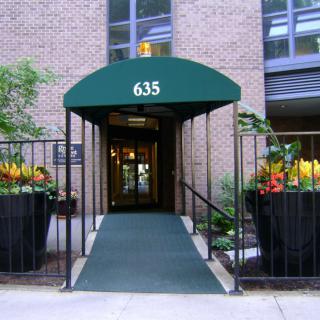
Greenview Place on seniors.fyi includes 5 photos including images showing interior, lobby, architecture, cabinets, appliances, decor, wall art, reception area, and more.
Nearby Communities
Renaissance Saint Luke
Chicago, IL
4.3 from 14 reviews
$900 to $1,785 / month
Prime location with friendly staff and engaging amenities.
Artis Senior Living of Lakeview
Chicago, IL
4.3 from 130 reviews
$5,500 to $7,850 / month
Clean, welcoming building with attentive, resident-focused staff.
Home Instead - Chicago, IL
Chicago, IL
5 from 4 reviews
Very convenient location with abundant nearby amenities (cafes, parks, pharmacies, restaurants, transit, theaters, hospitals).
Grey Sage Inc.
Chicago, IL
Excellent access to nearby amenities and healthcare.
Symphony Residences of Lincoln Park
Chicago, IL
4.7 from 120 reviews
$2,950 / month
Caring staff, clean, well-appointed apartments, and active on-site programming in a convenient Lincoln Park location.
Symphony Of Lincoln Park
Chicago, IL
4.4 from 123 reviews
Extensive amenities and services fostering engagement and independence (dining, wellness, transportation, beauty, fitness, activities).
Sunrise of Lincoln Park
Chicago, IL
4.2 from 86 reviews
$5,370 to $7,470 / month
Kind staff with engaging memory-care programs.
Grace Street Towers
Chicago, IL
4.3 from 26 reviews
$1,205 to $1,325 / month
Staff treat residents like family and foster a strong community.
Eden Supportive Living
Chicago, IL
4.8 from 109 reviews
$2,900 to $3,500 / month
Beautiful facility with welcoming staff and extensive amenities for seniors and individuals with disabilities.
Activities of Daily Living (ADLs) are fundamental tasks vital for an individual's independence, particularly in older adults over 85, and include functions like bathing and dressing; assessing ADLs alongside Instrumental Activities of Daily Living (IADLs) helps determine the level of required assistance due to age-related health challenges. Tailored support plans, involving family and community resources, are essential for maintaining dignity and autonomy in assisted living environments.
Medicare does not cover assisted living costs, as it focuses on acute medical needs and short-term care, with exceptions for certain medically necessary services like physical therapy. Individuals must explore other options such as Medicaid, veterans' benefits, or long-term care insurance to manage these expenses effectively.
Choosing between assisted living and nursing homes involves evaluating emotional and financial factors, with assisted living offering independence and support for daily activities at a lower cost, while nursing homes provide intensive medical care for individuals with significant health needs. The decision is influenced by personal preferences, health status, cognitive function, and varying Medicaid coverage across states.
Decor, Dining, Kitchen, Appliances, Wall Art, and Cabinets
Living Room, Fireplace, and Seating Area
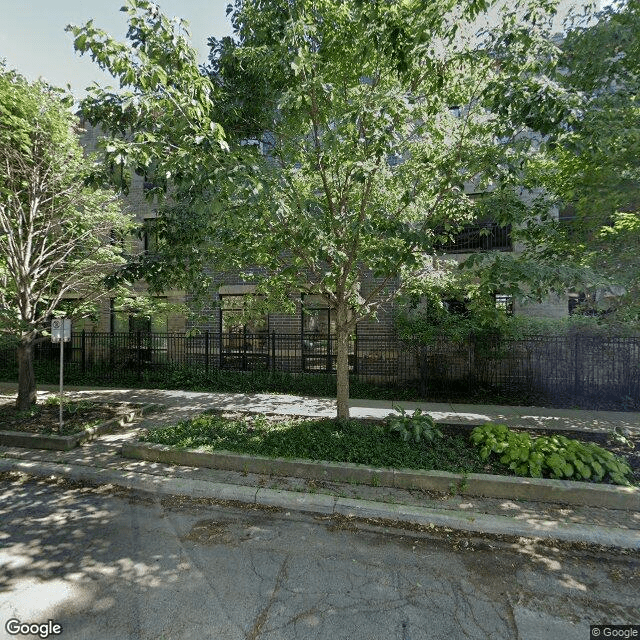
Architecture
Patio, Outdoor Seating, and Pergola
Reception Area
Get PricingAsk A QuestionSchedule A TourContact Senior Advisor
By clicking submit, you agree to our Partner's Terms of Use. You
also consent to receive calls and texts, which may be autodialed, from our Partner. Your consent is not a condition to
using our Partner's service. Please visit our Partner's Privacy Policy for information about their privacy practices.



 15 resident community capacity
 1-bedroom apartments
 Assisted Living
 Cats allowed
 Activities on-site
 Air-conditioning
 Beautician on-site
 Cable or satellite TV
 Computer center
 Devotional services off-site
 Dining room
 Financial aid
 Fully furnished
 Garden
 Handicap accessible
 Housekeeping services
 Indoor common areas
 Kitchenette
 Laundry
 Move-in coordination
 Outdoor common areas
 Telephone
 Wheelchair accessible showers
 Wi-Fi/high-speed internet available
 Chicago Midway (12 miles away)
 Transportation & parking
 Addison
  24-hour supervision
 Ambulatory care
 Assistance with bathing
 Assistance with dressing
 Assistance with transfers
 Diabetes diet
 Diabetic care
 Meal preparation and service
 Medication management
 Special dietary restrictions
 Transportation arrangement (medical)
 Art classes
 Catholic services
 Day trips and outings
 Educational speakers / life long learning
 Happy hour
 Karaoke
 Live musical performances
 Stretching classes
 English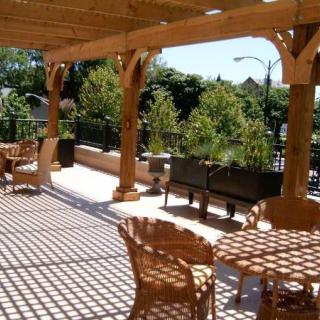
 Prime location with friendly staff and engaging amenities.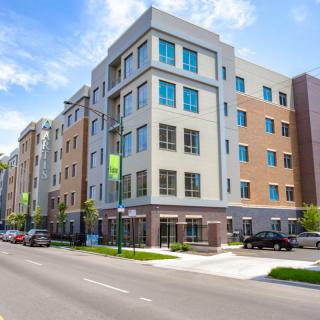
 Comprehensive Insights into Activities of Daily Living (ADLs) and Their Assessment
 Medicare Coverage for Assisted Living: An In-Depth Exploration
 Choosing the Right Senior Care: A Detailed Exploration of Assisted Living and Nursing Homes