For more information about senior living options: (866) 208-4318
3 from 44 reviews
5 stars
19
4 stars
1
3 stars
3
2 stars
4
1 stars
17
Overall Review of Center Home Hispanic Elderly
differentiator2 reviews mention this
Spanish support is a focus
The community’s Spanish-language support is a recurring theme in residents’ experiences.
A review notes the facility specializes in Hispanic seniors and uses Spanish-speaking staff. Another describes problems with translators, reinforcing that language access is part of the day-to-day experience for families.
common14 reviews mention this
Staff quality is mixed
Residents and families describe both attentive care and serious concerns with staff communication.
Multiple reviews praise how staff members treat people with respect, provide updates, and help families feel reassured. Others report breakdowns in communication, including long delays during urgent situations and complaints about poor interactions with staff and other residents. Several comments also raise ongoing concerns about whether residents receive consistent support.
caveat5 reviews mention this
Care consistency raises concerns
Some families report care lapses that affected medications, comfort, and basic needs.
Several critical reviews describe problems ranging from delayed or missed medication delivery to neglect-related concerns. One review cites a bedbug-related move and medication timing issues, while another mentions overnight care not happening as needed. There are also concerns about resident comfort and whether daily needs are met consistently.
caveat2 reviews mention this
Communication problems come up often
Families mention trouble getting timely responses from the facility.
One review complains that calls, messages, and emails went unanswered when trying to reach the administrator. Another describes no communication between staff during a difficult time, adding to a sense that families can be left without updates when they need them most.
How we summarize
Counts show how many written reviews mention each theme; a review can touch several themes, and only frequently mentioned themes are displayed.
Features
Housing
156 resident community capacity
Types of Care
Skilled Nursing Facility
Amenities
Air-conditioning
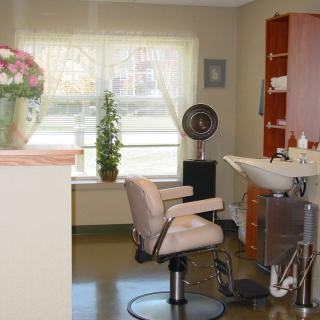
Beauty salon
Cable or satellite TV
Computer center
Dining room
Fitness room
Fully furnished
Gaming room
Garden
Housekeeping services
Kitchenette
Move-in coordination
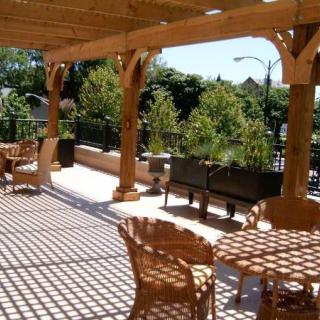
Outdoor space
Private bathrooms
Restaurant-style dining
Small library
Telephone
Wellness center
Wi-Fi/high-speed internet available
Transportation
Chicago Midway (9 miles away)
Chicago O'Hare International (12 miles away)
Community operated transportation
Transportation arrangement
Transportation arrangement (non-medical)
Transportation to doctors appointments
Care Services
12-16 hour nursing
24-hour call system
24-hour supervision
Activities of daily living assistance
Assistance with bathing
Assistance with dressing
Assistance with transfers
Diabetes diet
Meal preparation and service
Medication management
Mental wellness program
Special dietary restrictions
Dining
Diabetes diet
Special dietary restrictions
Activities
Community-sponsored activities
Concierge services
Fitness programs
Planned day trips
Resident-run activities
Scheduled daily activities
Nearby Places of Interest
Parks
Humboldt Park (0.3 miles)
Bloomingdale Trail — The 606 (0.5 miles)
Wicker Park (1 miles)
Palmer Square Park (1.1 miles)
Churchill Field Park (1.1 miles)
Churchill Field Park (1.1 miles)
The 606 — Western Terminus (1.3 miles)
Pharmacies
Walgreens (0.5 miles)
Walgreens (0.9 miles)
CVS Pharmacy (0.9 miles)
Walgreens (0.9 miles)
Walgreens (1 miles)
Walgreens (1.5 miles)
Walgreens (1.6 miles)
Restaurants
Parson's Chicken & Fish (0.8 miles)
Big Star (1 miles)
Chick-Fil-A (1.6 miles)
Longman & Eagle (1.7 miles)
McDonald's (2.3 miles)
McDonald's (2.3 miles)
Kaiser Tiger (2.3 miles)
Cafes
Starbucks (1.6 miles)
Starbucks (1.8 miles)
Starbucks (2.9 miles)
Blue Bottle Coffee (3.3 miles)
Tiny Tapp & Cafe (3.7 miles)
Theaters
Regal Webster Place (1.9 miles)
Physicians
University of Illinois Mile Square Health Center: Near West Side (1.9 miles)
Lincoln Park Dental Specialists (3.2 miles)
Transportation
Cta (2.1 miles)
CTA - Kedzie-Homan (2.3 miles)
CTA - Fullerton (2.6 miles)
CTA - Belmont (3.2 miles)
Ogilvie Transportation Center (3.3 miles)
Jamba Union Station / Chicago (3.5 miles)
CTA - Clinton (3.5 miles)
Hospitals
John H Stroger Jr Hospital (2.6 miles)
Rush University Medical Center (2.6 miles)
University of Illinois Hospital & Health Sciences System (2.9 miles)
Advocate Illinois Masonic Medical Center (3.1 miles)
Medicare provides limited coverage for skilled nursing home care, covering full benefits for the first 20 days and partial benefits up to 100 days under certain conditions, after which families must explore alternative funding options like Medicaid or long-term care insurance to manage potentially high costs. Proactive planning is essential to navigate the complexities of financing ongoing care once Medicare coverage ends.
Geriatric care managers create personalized care plans for older adults, addressing their medical, social, financial, and psychological needs while coordinating services and advocating for their well-being. They help families navigate caregiving challenges but may be hindered by high costs and a shortage of qualified professionals.
The article highlights the importance of empathy and open communication when comforting someone who is grieving, noting that grief is unique to each individual and emphasizing the need for sincere expressions of condolence, active listening, and ongoing support. It also addresses cultural differences in mourning practices and encourages tailored approaches to provide effective comfort.
Get PricingAsk A QuestionSchedule A TourContact Senior Advisor
By clicking submit, you agree to our Partner's Terms of Use. You
also consent to receive calls and texts, which may be autodialed, from our Partner. Your consent is not a condition to
using our Partner's service. Please visit our Partner's Privacy Policy for information about their privacy practices.





 156 resident community capacity
 Skilled Nursing Facility
 Air-conditioning
 Beauty salon
 Cable or satellite TV
 Computer center
 Dining room
 Fitness room
 Fully furnished
 Gaming room
 Garden
 Housekeeping services
 Kitchenette
 Move-in coordination
 Outdoor space
 Private bathrooms
 Restaurant-style dining
 Small library
 Telephone
 Wellness center
 Wi-Fi/high-speed internet available
 Chicago Midway (9 miles away)
 Community operated transportation
 12-16 hour nursing
 24-hour call system
 Activities of daily living assistance
 Assistance with bathing
 Assistance with dressing
 Assistance with transfers
 Diabetes diet
 Medication management
 Mental wellness program
 Special dietary restrictions
 Concierge services
 Planned day trips
 Welcoming day program with engaging activities and reliable transportation.

 Managing Nursing Home Expenses After Medicare Coverage Ends
 Is a Geriatric Care Manager the Right Choice for Your Family?
 Compassionate Conversations: How to Comfort Someone Who Is Grieving