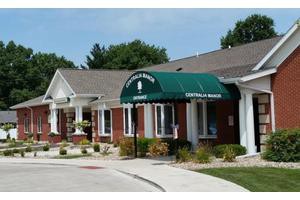

Centralia Manor in Centralia, IL

Save
Centralia Manor Centralia Manor Centralia Manor Centralia Manor

Centralia Manor in Centralia, IL

1910 East Mccord Rte 161 East, Centralia, IL 62801

For more information about senior living options: (844) 490-3973

2.3 from 7 reviews
5 stars
1
4 stars
1
3 stars
1
2 stars
0
1 stars
4

Skilled Nursing Facility

Overall Review of Centralia Manor

Pros

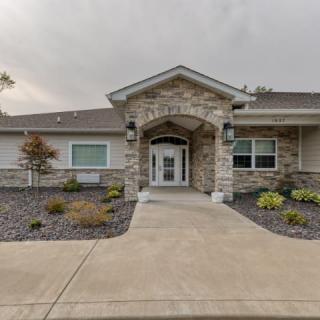
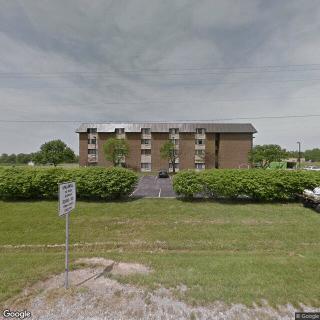
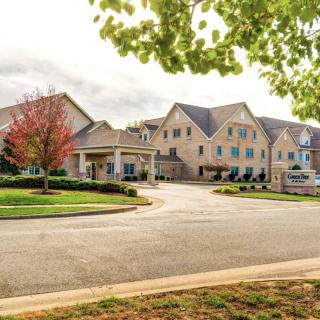
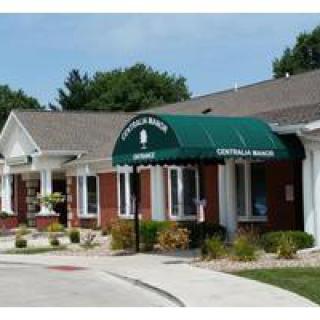
  • pro The outside looked great.
  • pro The staff acted like they cared about the residents and that it wasn't just a job.
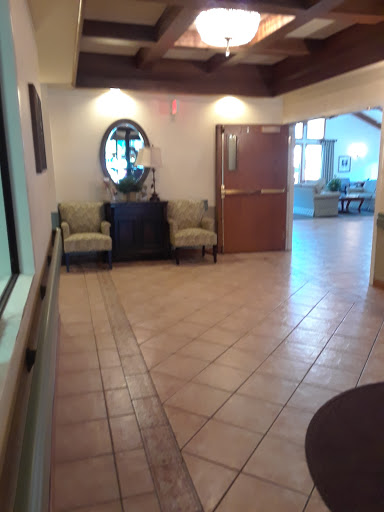
  • pro The facility was kept very clean, including the bathrooms and floors.
  • pro The cooks paid attention to what residents were eating.
  • pro The staff were friendly and generally good to residents.
  • pro The physical therapy personnel were professional and personable.
  • pro The administrative staff were reachable and available.
  • pro The facility was well maintained.
  • pro The experience at Centralia Manor was very good.

Cons

  • pro The reviewer wouldn't take mom back to Centralia Manor.
  • pro She wasn't assisted at all in eating.
  • pro She didn't like the food.
  • pro The food was debatable, and meals sometimes arrived cold.
  • pro Medicare covered the payment, but the reviewer wouldn't take her back there again.
  • pro Some staff members were not liked by the reviewer.
  • pro Hair care was never done as promised.
  • pro The facility never contacted the family for a patient care conference or updates.
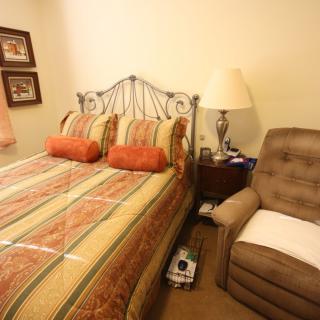
  • pro The bed was too small and an extender was never provided.
  • pro The facility was described as very poor.

Review

Centralia Manor in Centralia, IL is best suited for families seeking an affordable, generally clean nursing-home environment where some frontline staff show genuine care and rehab services are available, but with the strong caveat that nutrition, consistency, and administrative communication are uneven at best. This community is not the right fit for families chasing consistently excellent meals, flawless all-day assistance, or relentlessly professional admissions and discharge planning. For households prioritizing these latter factors, alternatives should be seriously considered.

Pros here are real but uneven. Several reviews praise the facility's cleanliness and upkeep, noting that floors, bathrooms, and general spaces are well-maintained and free of strong odors. A number of staff members come across as attentive and genuinely interested in residents' well-being, with some caregivers described as caring beyond a job description. Rehab services, particularly physical therapy, are cited as professional and personable when engaged, and the overall sense that staff endeavor to respond to residents' needs is evident in many accounts. In occasional moments, dining staff demonstrate attentiveness - one reviewer highlighted how cooks noticed a preferred salad and prepared it consistently - hinting at a capacity for individualized attention when it occurs.

Yet these positives confront a suite of troubling, recurring drawbacks that frequently dominate family decision-making. Food quality and consistency emerge as a persistent weakness; meals are described as simple, often not hot by the time they reach certain residents, and not universally enjoyed. More troubling are repeated reports of inadequate assistance with feeding, with residents not being helped to eat or to sit at the table, which undermines nutrition and dignity. Discharge practices and communication around care transitions are another red flag: several families report abrupt discharge timing, little or late family conferences, and in one case, a resident leaving worse off than upon hospital admission. Safety concerns show up as well, including incidents of weight loss, falls, and bed sores, suggesting that supervision and timely care do not consistently meet needs.

The overall effect is that the pros barely offset the cons for most potential residents. Cleanliness and earnest caregiving staff can create a decent day-to-day atmosphere, and rehabilitation services can support recovery and mobility. However, systemic issues - especially nutrition, care responsiveness, and professional conduct in admissions and family communication - tersistently erode trust and reliability. In practice, the facility may work well for a resident who can be closely monitored by family or a trusted advocate, and for whom rehab goals are the primary concern. For those seeking dependable, high-touch daily care with predictable meals and proactive administrative oversight, the drawbacks overshadow the strengths.

This community makes the most sense for certain profiles: individuals who value a disciplined housekeeping standard, appreciate regularly available rehab therapies, and can tolerate variability in food quality and staffing conversations. It may appeal to families who can commit to active involvement - daily check-ins, prompt questions, and ongoing oversight - to counterbalance the inconsistent communication and care gaps noted by families. It is less suitable for residents who require meticulous nutrition management, proactive, consistent caregiving, or a rigorously professional admissions and discharge process. Those who prioritize strong administrative reliability and consistently superior meals should look elsewhere.

Practical next steps for families considering Centralia Manor are decisive. Schedule extended visits to observe meal service, caregiving routines, and therapy sessions, paying particular attention to how staff respond to questions and how quickly issues are addressed. Ask for a dedicated point person for family communications and request a frank walkthrough of the discharge planning process, including expected timelines and family involvement. Probe the specifics of the nutrition program, including meal variety, portion sizes, and how dietary restrictions are managed. Verify bed dimensions and the availability of assistive devices, given past concerns about comfort and mobility. Finally, compare with nearby communities that emphasize nutrition, transparent family updates, and consistently high caregiver engagement to ensure the chosen path aligns with the resident's medical needs and the family's oversight capacity.

Features

Housing

  • 120 resident community capacity 120 resident community capacity

Types of Care

  • Skilled Nursing Facility Skilled Nursing FacilitySkilled Nursing Facilities are crucial for seniors as they provide round-the-clock medical care, rehabilitation services, and assistance with daily activities. These facilities ensure that seniors receive the specialized care they need to maintain their health and well-being as they age.

Amenities

  • Air-conditioning Air-conditioningAir conditioning is important for seniors as they are more vulnerable to heat-related illnesses and may have underlying health conditions that make it difficult for them to regulate their body temperature. It helps to keep them comfortable, safe, and healthy in hot weather.
  • Beauty salon Beauty salonBeauty salons are important for seniors because they provide a space for them to feel pampered, socialize, and maintain their personal grooming and hygiene. Regular visits to a beauty salon can help boost seniors' self-esteem and overall well-being.
  • Cable or satellite TV Cable or satellite TVCable or satellite TV is important for seniors because it provides entertainment, news, and companionship, helping to combat loneliness and boredom. It also offers a wide range of programming options tailored to different interests and preferences.
  • Computer center Computer centerA computer center is essential for seniors as it provides access to technology, communication tools, and resources that can enhance their daily lives. It allows them to stay connected with loved ones, engage in online activities, and learn new skills, ultimately promoting socialization and mental stimulation.
  • Dining room Dining roomDining rooms are important for seniors as they provide a space for socialization, connection, and nutritious meals. They offer opportunities for residents to bond over shared meals, foster a sense of community, and promote healthy eating habits. Dining rooms also ensure that seniors have access to well-balanced meals tailored to their dietary needs and preferences.
  • Fitness room Fitness roomHaving a fitness room in a senior living community is essential for seniors to stay active, maintain their physical health, and improve their overall well-being. Regular exercise can help prevent falls, reduce the risk of chronic diseases, and promote mental sharpness. It also provides social opportunities for residents to connect with others and enjoy a sense of community.
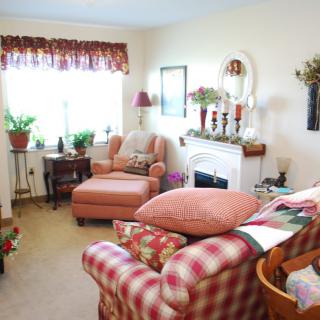
  • Fully furnished Fully furnishedFully furnished senior living communities are important for seniors because they provide convenience, comfort, and a hassle-free moving experience. Seniors can easily settle into their new living space without the stress of having to buy and move furniture. This allows them to focus on enjoying their new home and community.
  • Gaming room Gaming roomGaming rooms are important for seniors as they provide a fun and engaging environment for socializing, cognitive stimulation, and physical activity. Games can improve memory, problem-solving skills, and overall mental well-being while fostering friendships and reducing feelings of isolation.
  • Garden GardenGardens are important for seniors as they provide a peaceful and therapeutic environment for relaxation, physical activity, and socialization. Being in nature has been shown to reduce stress, improve mood, and promote overall well-being. Gardens also offer opportunities for seniors to engage in gardening activities, which can improve mobility, flexibility, and cognitive function. Additionally, gardens create a sense of community and connection with others who share a passion for plants and outdoor spaces.
  • Housekeeping services Housekeeping servicesHousekeeping services are important for seniors because they help maintain a clean and safe living environment, promote independence, and reduce the risk of accidents or illnesses. Additionally, having assistance with household chores can alleviate physical strain and allow seniors to focus on other aspects of their well-being.
  • Kitchenette KitchenetteKitchenettes are important for seniors living in senior living communities because they provide the convenience and independence of being able to prepare simple meals and snacks in the comfort of their own living space. This can help promote a sense of autonomy and well-being for seniors, allowing them to maintain some level of control over their dietary choices and daily routines.
  • Move-in coordination Move-in coordinationMove-in coordination is important for seniors because it helps ease the transition into their new living environment. It ensures that all logistics, such as packing, organizing movers, and setting up utilities are taken care of, allowing seniors to focus on settling in and adjusting to their new home. Having a smooth move-in process can alleviate stress and anxiety, making the transition smoother and more enjoyable for seniors.
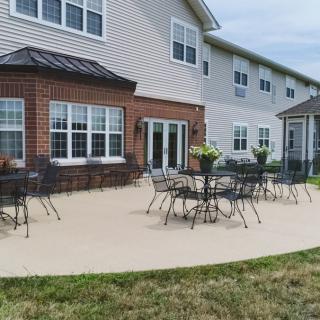
  • Outdoor space Outdoor spaceOutdoor spaces are important for seniors as they provide opportunities for physical activity, social interaction, exposure to natural light and fresh air, and a sense of connection to nature. Having access to outdoor spaces can improve overall well-being and quality of life for older adults living in senior communities.
  • Private bathrooms Private bathroomsPrivate bathrooms are important for seniors in senior living communities because they provide independence, dignity, and comfort. Having a private bathroom allows seniors to maintain their personal hygiene routines without the need for assistance, promoting a sense of autonomy and privacy. Additionally, private bathrooms help prevent the spread of infections and provide a safe and clean environment for seniors to navigate safely.
  • Restaurant-style dining Restaurant-style diningRestaurant-style dining is important for seniors because it allows them to enjoy delicious, nutritious meals in a social and upscale setting. This enhances their dining experience, promotes healthy eating habits, and fosters socialization with fellow residents, ultimately contributing to their overall well-being and quality of life.
  • Small library Small librarySmall libraries are important for seniors as they provide access to a variety of reading materials, including books, newspapers, and magazines. This can help stimulate their minds, keep them engaged, and provide a sense of community through book clubs and other social activities. Additionally, reading has been shown to improve cognitive function and overall mental well-being in older adults.
  • Telephone TelephoneTelephones are important for seniors as they provide a lifeline for communication with loved ones, emergency services, and healthcare providers. They offer a sense of security and independence, enabling seniors to stay connected and access assistance when needed.
  • Wellness center Wellness centerWellness centers are important for seniors because they offer a variety of programs and services that promote physical, mental, and emotional well-being. These centers provide opportunities for exercise, socialization, education, and relaxation, helping seniors maintain their overall health and quality of life.
  • Wi-Fi/high-speed internet available Wi-Fi/high-speed internet availableWi-Fi/high-speed internet is important for seniors to stay connected with loved ones, access online resources, and participate in virtual activities to combat feelings of loneliness and isolation. It also allows them to easily manage healthcare needs, access entertainment, and engage in lifelong learning opportunities.

Transportation

  • Community operated transportation Community operated transportationCommunity operated transportation is crucial for seniors as it provides them with the means to access essential services, social activities, and medical appointments. It allows seniors to maintain their independence and quality of life by ensuring they can participate in activities outside of their homes. Additionally, community-operated transportation services offer a safe and reliable way for seniors to travel without having to rely on family or friends for assistance.
  • Transportation arrangement Transportation arrangementTransportation arrangements are crucial for seniors as they may face challenges with driving, mobility, or access to public transportation. Having reliable transportation services ensures that seniors can easily attend appointments, social activities, and maintain their independence and quality of life.
  • Transportation arrangement (non-medical) Transportation arrangement (non-medical)Transportation arrangements are essential for seniors as they provide access to essential services, activities, and social interactions outside the home. This service helps maintain independence, mobility, and overall well-being for seniors who may have limited transportation options.
  • Transportation to doctors appointments Transportation to doctors appointmentsTransportation to doctors appointments is crucial for seniors as it ensures they have access to necessary medical care and support, promoting their health and well-being. It allows them to receive timely treatment, monitor existing conditions, and address any new health concerns efficiently. Additionally, transportation services can help seniors maintain their independence and quality of life by enabling them to stay connected with their healthcare providers.

Care Services

  • 12-16 hour nursing 12-16 hour nursing12-16 hour nursing care is crucial for seniors in order to ensure around-the-clock monitoring, timely medication administration, and prompt response to any health concerns or emergencies. This level of care helps to promote the overall well-being and safety of seniors living in senior living communities.
  • 24-hour call system 24-hour call system24-hour call systems are important for seniors because they provide peace of mind and immediate assistance in case of emergencies. This technology ensures that help is always available, promoting safety and security for elderly individuals living alone or in assisted living facilities.
  • 24-hour supervision 24-hour supervision24-hour supervision is important for seniors to ensure their safety, well-being, and access to immediate assistance in case of emergencies or health issues. This constant support provides peace of mind for both seniors and their loved ones, allowing them to age in place with dignity and security.
  • Activities of daily living assistance Activities of daily living assistanceActivities of daily living assistance are important for seniors because they provide essential support with tasks such as eating, bathing, dressing, and mobility. This assistance helps seniors maintain their independence, dignity, and overall quality of life as they age.
  • Assistance with bathing Assistance with bathingAssistance with bathing is crucial for seniors as it helps maintain personal hygiene, prevents infections, and ensures their overall well-being and comfort. It also provides a sense of dignity and independence for seniors who may struggle with this task on their own.
  • Assistance with dressing Assistance with dressingAssistance with dressing is important for seniors because it helps maintain their independence, promotes personal hygiene, prevents accidents and injuries, and improves overall quality of life. This service ensures that seniors can continue to dress comfortably and confidently, despite any physical limitations they may have.
  • Assistance with transfers Assistance with transfersAssistance with transfers is crucial for seniors as it helps prevent falls and injuries, maintains their independence, and ensures they can safely navigate their living environment. It also provides peace of mind for both seniors and their loved ones.
  • Diabetes diet Diabetes dietA diabetes diet is crucial for seniors as it helps manage blood sugar levels, reduce risks of complications, and improve overall health and well-being. By following a balanced and nutritious diet tailored to their specific needs, seniors can better control their diabetes and enhance their quality of life.
  • High acuity care High acuity careHigh acuity care is important for seniors because it provides specialized medical attention and support for individuals with complex medical needs. This level of care ensures that seniors receive the appropriate treatment and assistance to maintain their health and quality of life as they age.
  • Meal preparation and service Meal preparation and serviceMeal preparation and service are crucial for seniors as they may have limited mobility or energy to cook nutritious meals. Having access to healthy and convenient food options can ensure they are getting the proper nutrition needed to maintain their overall health and well-being.
  • Medication management Medication managementMedication management is crucial for seniors to ensure they are taking the right medications at the correct dosages and times. This helps prevent adverse drug interactions, reduces the risk of medication errors, and promotes overall health and well-being. Proactive management also allows for adjustments as needed based on changing health conditions or new prescriptions.
  • Mental wellness program Mental wellness programMental wellness programs are essential for seniors as they promote cognitive stimulation, emotional support, and social engagement. These programs help prevent isolation, depression, and cognitive decline, ultimately enhancing the overall quality of life for older adults.
  • Special dietary restrictions Special dietary restrictionsSpecial dietary restrictions are important for seniors because age-related changes in metabolism and health conditions can make it difficult for their bodies to process certain foods. By following a diet tailored to their specific needs, seniors can maintain their overall health and well-being, manage chronic conditions, and reduce the risk of complications such as malnutrition or food interactions with medications.

Dining

  • Diabetes diet Diabetes dietA diabetes diet is crucial for seniors as it helps manage blood sugar levels, reduce risks of complications, and improve overall health and well-being. By following a balanced and nutritious diet tailored to their specific needs, seniors can better control their diabetes and enhance their quality of life.
  • Special dietary restrictions Special dietary restrictionsSpecial dietary restrictions are important for seniors because age-related changes in metabolism and health conditions can make it difficult for their bodies to process certain foods. By following a diet tailored to their specific needs, seniors can maintain their overall health and well-being, manage chronic conditions, and reduce the risk of complications such as malnutrition or food interactions with medications.

Activities

  • Community-sponsored activities Community-sponsored activitiesCommunity-sponsored activities are important for seniors as they provide opportunities for social interaction, mental stimulation, and physical activity. These activities can help improve overall well-being, combat loneliness and isolation, and promote a sense of belonging and purpose among older adults.
  • Concierge services Concierge servicesConcierge services are essential for seniors as they provide assistance with daily tasks and errands, enhance their quality of life by offering convenience and personalized care, and promote a sense of safety and security.
  • Fitness programs Fitness programsFitness programs are crucial for seniors as they help improve strength, flexibility, balance, and overall well-being. Staying active can reduce the risk of chronic diseases, improve mental health, and enhance quality of life in older adults.
  • Planned day trips Planned day tripsPlanned day trips are important for seniors because they offer opportunities for socialization, mental stimulation, and physical activity. They provide a change of scenery and help seniors stay engaged and connected to their community, promoting overall well-being and quality of life.
  • Resident-run activities Resident-run activitiesResident-run activities are important for seniors as they encourage social interaction, creativity, and a sense of autonomy. These activities empower seniors to stay engaged and active in their community while fostering meaningful connections with their peers.
  • Scheduled daily activities Scheduled daily activitiesScheduled daily activities are important for seniors because they provide structure, socialization, mental stimulation, and physical activity. Engaging in regular activities can improve overall well-being and quality of life for seniors living in a community setting.

Description

Centralia Manor in Centralia, IL is a vibrant and welcoming assisted living community that offers a range of amenities and care services to its residents. The community is well-equipped with various facilities and features to enhance the quality of life for its residents.

Residents at Centralia Manor can enjoy the convenience of having a beauty salon on-site, ensuring that they always look their best. They can also relax and unwind in their fully furnished apartments, which come with private bathrooms and cable or satellite TV. The community offers high-speed internet access, keeping residents connected to their loved ones and the world.

For those who require assistance with daily activities, Centralia Manor provides around-the-clock supervision and support. Trained caregivers are available to assist with bathing, dressing, transfers, and medication management. The community also has a 24-hour call system in place for any emergencies.

Centralia Manor places a strong emphasis on promoting mental wellness among its residents. It offers a mental wellness program that includes various activities designed to stimulate cognitive function and improve overall well-being.

Dining at Centralia Manor is an enjoyable experience. The community accommodates special dietary restrictions and offers restaurant-style dining in its elegant dining room. Meal preparation and service are provided by the staff.

The community organizes a wide range of activities to keep residents engaged and entertained. These include fitness programs to promote physical health, planned day trips to explore the surrounding area, resident-run activities that encourage socialization, as well as scheduled daily activities such as game nights or movie screenings.

Centralia Manor's convenient location ensures easy access to essential services. There are five pharmacies nearby for medication needs, seven physicians for medical consultations, 15 restaurants offering diverse cuisines for dining out options, one transportation service for travel needs, ten places of worship for spiritual nourishment, and eight hospitals within close proximity for any medical emergencies.

With an array of amenities, care services, dining options, engaging activities, and convenient access to essential services, Centralia Manor provides a comfortable and enriching assisted living experience for its residents.

Nearby Places of Interest

Places of Worship

  • Grace United Fellowship Church (0.1 miles)
  • St Mary's Church (1.7 miles)
  • Masonic Temple (1.8 miles)
  • Central City Baptist Church (2 miles)
  • Christian Bethlehem Church (2.2 miles)
  • Lutheran Church of the Redeemer (2.2 miles)
  • Jehovah's Witnesses (2.7 miles)

Hospitals

  • Ssm Health Care Corporation (0.9 miles)
  • St Mary's Hospital (1 miles)
  • St Mary's Good Samaritan (1 miles)
  • SSM Health Neurosciences (1 miles)
  • Surgery Center of Centralia (1 miles)
  • Egyptian Spine Clinic (1.1 miles)
  • Good Samaritan Regional Health Center, A Missouri Not For Profit Corporation (2.8 miles)

Physicians

  • Bowen J Shane PA-C (0.9 miles)
  • Cancer Care of IL (1 miles)
  • Suresh Krishnamoorthy (1 miles)
  • Community Resource Center - Judy LYNN Keeven MD (1.2 miles)
  • Stedelin Pediatrics (1.4 miles)
  • Southern Illinois Dermatology (1.9 miles)
  • Eye Clinic (2.3 miles)

Pharmacies

  • Bandy's Pharmacy (1.4 miles)
  • Walgreens (1.6 miles)
  • CVS Pharmacy (1.7 miles)
  • CVS Pharmacy (2.9 miles)
  • Schnucks (2.9 miles)
  • Bandys Pharmacy - Sale (10 miles)
  • Medicine Shoppe (10.9 miles)

Restaurants

  • Roundhouse Winery & Vinyard (1.5 miles)
  • Downtown Lounge (1.9 miles)
  • Tequila Mexican Restaurant (1.9 miles)
  • The Kountry Kitchen (2 miles)
  • The Diner (2.2 miles)
  • Chelbrans (2.5 miles)
  • Sonic Drive-In (2.6 miles)

Transportation

  • U-Haul Neighborhood Dealer (2 miles)
  • Lively Gerald (6.8 miles)

Cafes

  • Five Brothers Cafe (8.7 miles)
  • Sharon's Cafe (10.2 miles)
  • Lucky Slots Cafe (16.5 miles)

Frequently Asked Questions

Where is Centralia Manor?
What photos are available for Centralia Manor in Centralia, Illinois?

Nearby Communities

  • Cedarhurst of Centralia

    Cedarhurst of Centralia

    Centralia, IL

    4.2 from 67 reviews
    $4,800 to $5,900 / month

    pro Friendly staff, a warm, clean environment, and strong memory care programming.

  • Heritage Woods Of Centralia

    Heritage Woods Of Centralia

    Centralia, IL

    4 from 24 reviews
    $3,450 to $5,800 / month

    pro Friendly, attentive staff in a clean, engaging environment.

  • Fireside House Of Centralia

    Fireside House Of Centralia

    Centralia, IL

    3.3 from 11 reviews
     

    pro Caring, attentive staff; clean accommodations and engaging activities.

  • Villas at Heritage Woods of Centralia

    Villas at Heritage Woods of Centralia

    Centralia, IL


    pro Furnished villas with 24/7 supervision, ADL support, meals, and housekeeping.

  • Plaza Verde Apartments

    Plaza Verde Apartments

    Centralia, IL

    1 from 1 review
     

    pro Some residents value transparency and proactive maintenance from staff.

  • The Manor at Salem Woods

    The Manor at Salem Woods

    Salem, IL


    pro Dedicated staff with diabetic care and convenient access to nearby healthcare resources, plus social and spiritual activities.

  • Rome Meadows

    Rome Meadows

    Dix, IL

    3.8 from 10 reviews
    $600 / month

    pro Affordable, well-maintained apartments with on-site amenities and pleasant grounds.

  • GreenTree at Mt. Vernon

    GreenTree at Mt. Vernon

    Mount Vernon, IL

    4.8 from 87 reviews
    $3,795 to $4,995 / month

    pro Compassionate staff, clean, inviting environment with engaging activities.

  • Heritage Woods of Mt Vernon

    Heritage Woods of Mt Vernon

    Mount Vernon, IL

    4.5 from 56 reviews
    $3,450 to $3,900 / month

    pro Caring staff and engaging activities

Skilled Nursing Facility in Nearby Cities

Related Resources

  • does medicare cover hospiceComprehensive Guide to Medicare Coverage for Hospice Care

    Hospice care focuses on providing comfort and support for individuals nearing the end of life, with Medicare Part A covering services like nursing care and counseling for patients with a terminal illness and a life expectancy of six months or less. While most hospice services are low-cost for eligible patients, families should be aware that certain expenses, such as room and board, may not be covered.

  • caregiver burnoutCaring for Those Who Care: Recognizing, Understanding, and Overcoming Caregiver Burnout

    Caregiver burnout is a common issue resulting from the intense physical, emotional, and mental demands of caregiving, leading to symptoms like fatigue and social withdrawal. To prevent burnout, caregivers should recognize early warning signs and implement self-care strategies, seek support, and prioritize their own well-being alongside that of those they care for.

  • caregiver burnoutCaregiver Exhaustion: Recognizing the Signs and Restoring Your Well-Being

    Caregiver exhaustion, or burnout, stems from the relentless demands of caregiving, leading to emotional and physical depletion characterized by stress, frustration, and neglect of personal needs. Addressing this burden is essential to prevent long-term consequences, with early recognition and support being crucial for caregivers to maintain balance and implement self-care.