900 East Corporation, Bridgeport, IL 62417
For more information about senior living options: (866) 208-4318
Overall Review of Aperion Care Bridgeport
Pros
 Haven of Bridgeport is a great facility.
- The care that the staff provides is great, and everyone is so helpful.
- Any issues that came up were handled in a timely manner and questions never went unanswered.
- Aperion Care Bridgeport has wonderful staff who are very helpful and welcoming.
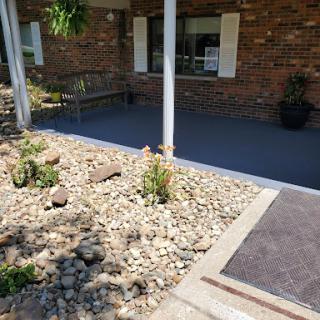
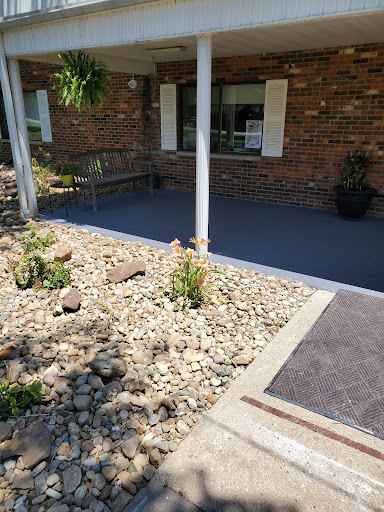
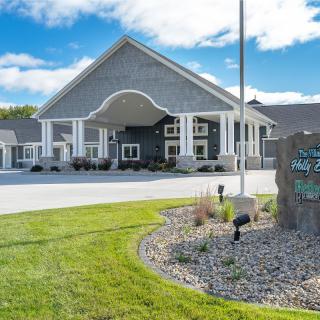
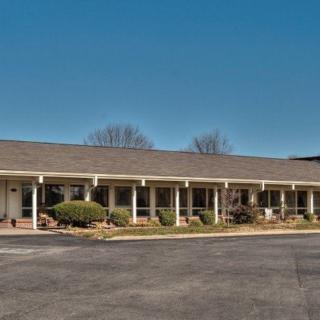
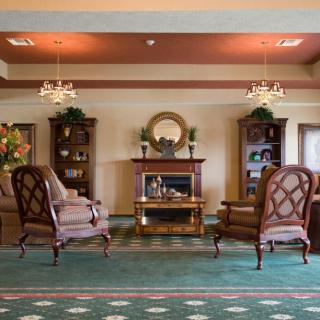
- The facility is newly remodeled and looks fabulous, with a recently added therapy gym.
- They provide transportation to appointments and have a full calendar of events for residents and staff.
Cons
 The reviewer alleges that a client became septic from a UTI, suffered starvation for three days, dehydration with bleeding lips and peeling skin, and that the family was not notified until emergency care, with staff allegedly lying about the conditions.
 - The reviewer calls the facility awful, citing 82 patients to 2 CNAs and nurses who do not help with anything.
- The reviewer notes that the facility will not answer the phone.
- The reviewer describes the customer service as the rudest and most unprofessional they have encountered.
- The reviewer accuses the staff of lacking compassion and judging the daughter of a resident.
- The reviewer states that the staff treated the mother with contempt.
- The reviewer says they would give 0 stars if possible.
Review
Aperion Care Bridgeport is best suited for families seeking a rehab-forward environment with memory-care capabilities, delivered in a clean, recently updated campus that feels homey and welcoming. The facility leans into structured rehabilitation, a purpose-built therapy gym, and a memory-care wing, all supported by staff repeatedly described as caring, patient, and accessible. The combination of a refreshed setting, transportation to appointments, and a robust slate of daily activities makes it a practical home base for someone pursuing meaningful recovery or ongoing cognitive support. In short, it serves well those who want real therapy, real engagement, and a genuine sense of community each day.
Yet potential residents should be prepared for variability in day-to-day reliability. Several reviews flag staffing pressures, with accounts of higher resident loads per aide and uneven call-light responsiveness. A few interactions were characterized as rude or unprofessional, and one family cites a severe lapse in medical vigilance and family notification. Those patterns introduce palpable risk for anyone who depends on timely attention to changes in condition or clear, proactive communication during emergencies. For families that cannot tolerate even occasional lapses, considering alternatives with stronger staffing guarantees and more consistent family updates is prudent.
On the other hand, the strongest positives anchor a compelling case. The staff is broadly praised for warmth, knowledge, and emotional support, and the facility consistently comes across as clean and well-maintained. Rehab momentum is tangible, with residents benefiting from a well-equipped therapy gym and a full calendar of activities that keep people engaged. The memory-care wing is designed around dementia needs, and leadership is described as caring and committed to both residents and staff. This combination, professional care paired with a nurturing, community-oriented culture, creates a stabilizing core that many families value highly.
To maximize the experience, prospective families should demand concrete assurances before moving in. Ask for current CNA-to-resident ratios by shift and the exact protocol for responding to call lights, along with a transparent incident-report process that includes timely family updates. Request access to recent state survey results and corrective-action plans, and meet the director of nursing and administrator to gauge responsiveness. A focused tour of the therapy gym, memory-care corridor, and activity spaces can reveal how well daily routines support recovery and cognition. If offered, consider a trial period and request examples of how staff engage families during medical changes or transitions.
The facility’s value proposition rests on two lanes: rehabilitation and memory care. For families prioritizing rehab outcomes, the therapy infrastructure and active programs offer a credible path to meaningful progress, backed by staff who appear genuinely invested in movement and function. For residents needing long-term custodial care with dementia or cognitive impairment, the memory-care wing provides targeted programming aligned with best practices and family involvement. However, the shadow of neglect allegations and communication gaps in several reviews cannot be ignored. The upgraded environment and evident commitment from much of the staff are meaningful, but they do not erase concerns about inconsistent care that some families have experienced.
In the end, Aperion Care Bridgeport should sit high on the short list for those who want a rehab-focused community with a modern, inviting setting and active engagement for residents. It is a strong fit for families prioritizing visible progress in recovery and dementia-oriented programming, coupled with a warm, home-like culture. At the same time, a clear plan to monitor staffing, ensure rapid communication, and secure reliable family updates is essential. If assurances on staffing consistency and respectful communication cannot be obtained, exploring alternatives with more transparent, steady performance is wise. The decisive question is whether the need for reliable, proactive care can be paired with the facility’s evident strengths in rehab and memory care, or whether steadier, more consistently responsive options are a better match.
 99 resident community capacity
 Skilled Nursing Facility
 Air-conditioning
 Beauty salon
 Cable or satellite TV
 Computer center
 Dining room
 Fitness room
 Fully furnished
 Gaming room
 Garden
 Housekeeping services
 Kitchenette
 Move-in coordination
 Outdoor space
 Private bathrooms
 Restaurant-style dining
 Small library
 Telephone
 Wellness center
 Wi-Fi/high-speed internet available
 Community operated transportation
 12-16 hour nursing
 24-hour call system
 Activities of daily living assistance
 Assistance with bathing
 Assistance with dressing
 Assistance with transfers
 Diabetes diet
 Medication management
 Mental wellness program
 Special dietary restrictions
 Concierge services
 Planned day trips


 Understanding the Nuances of Palliative Care and Hospice: A Comprehensive Exploration
 Fecal Incontinence in Older Adults: A Comprehensive Guide
 Recognizing the Journey: Understanding and Navigating Anticipatory Grief