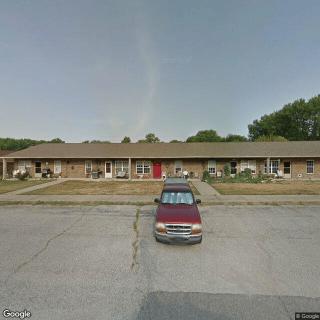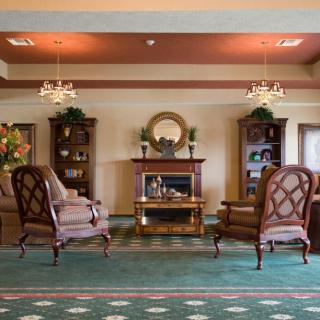
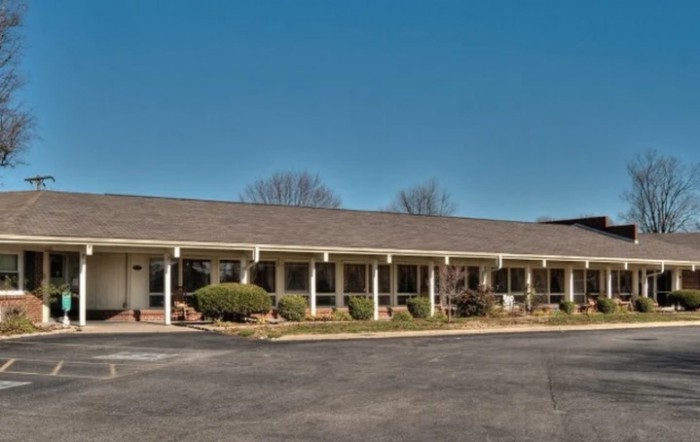
Waters Of Princeton

Save
Waters Of Princeton Waters Of Princeton

Waters Of Princeton

1020 West Vine Street, Princeton, IN 47670

For more information about senior living options: (844) 490-3973

4.1 from 21 reviews
5 stars
15
4 stars
1
3 stars
1
2 stars
1
1 stars
3

Assisted Living Skilled Nursing Facility

Overall Review of Waters Of Princeton

Pros

  • pro CNAs are stellar and form the backbone of good nursing care.
  • pro The staff, nurses, and helpers are very good; the facility is a real good nursing home.
  • pro The people are great and the staff are very friendly.
  • pro The therapists are among the best there is.
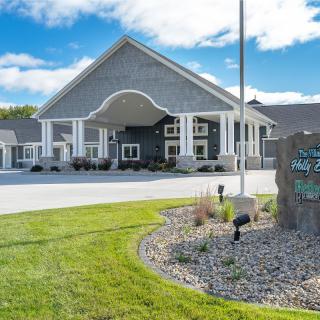
  • pro The building is always clean and feels very homey.
  • pro The facility serves good food and offers lots of activities to keep residents active.
  • pro Residents are happy with the nurses and CNAs; rooms are clean and activities like bingo are enjoyed.

Cons

  • pro The facility reportedly has no qualified nurses on duty, with blood sugars not monitored and insulin not administered properly.
  • pro Staff allegedly lie about glucose checks and fail to report any readings for diabetic patients.
  • pro The facility reportedly does not provide dietary plans for diabetics.
  • pro The place is described as filthy and dangerous, with safety and cleanliness concerns.
  • pro Management is described as nonexistent; the DON allegedly avoids responsibility and refuses to speak to family.
  • pro Ambulance responders had to be called to get any attention, indicating a lack of communication or care.
  • pro Staff allegedly allowed a renal failure patient with a blood sugar near 600 to sit without intervention all day.
  • pro The night shift is described as dangerous due to understaffing and unqualified personnel.
  • pro Continued IV antibiotics were not provided, causing a secondary infection and respiratory distress.
  • pro Physical therapy is reduced to moving to a chair and leaving immobile for hours.
  • pro Call lights ring constantly and no assistance arrives; a family member waited two hours for bathroom assistance with urine on the floor for over 24 hours.
  • pro Residents are not bathed or assisted with basic hygiene, including teeth brushing.
  • pro Residents smoke in bathrooms connected to rooms, creating odors and safety concerns.
  • pro Staff lied about their positions and pressured signing AMA forms to drop insurance.
  • pro The reviewer called it malpractice and said the facility should be shut down.
  • pro A nurse (Charlotte Mattison) is described as rude and uncaring, contributing to an overall impression of awful, understaffed care.

Review

The collection of notes about this nursing home presents a strikingly mixed image: some residents and families speak in glowing terms about the care, kindness, and daily life there, while others recount life-threatening lapses, neglect, and unsafe conditions. Taken together, the reviews describe a facility with a stark contrast between moments of genuine compassion and episodes of serious, even dangerous, shortcomings.

On the positive side, several accounts praise the staff as dedicated and caring. Many reviews mention the CNAs, nurses, and helpers as the heart of the operation, calling them "stellar," "the backbone of good nursing care," and "very caring and loving." Families express gratitude for staff who were involved in saving lives and for employees who made an effort to be supportive. Residents describe clean rooms, a homey atmosphere, tasty meals, and engaging activities like bingo and other therapy options. A number of testimonials highlight that the therapists are among the best, and that the building is well-maintained, with comments about good food, a bright environment, and a sense of warmth that makes some families comfortable recommending the facility for therapy or long-term care.

Yet these praises sit alongside a long list of serious complaints that many reviewers frame as urgent safety and quality-of-care issues. Several reviews allege that there are not enough qualified nurses on duty, with specific criticisms that blood sugar monitoring and proper insulin administration are not being done, sometimes times remaining undocumented or mishandled. One account accuses the staff of using a computer system to mask failures to check vitals or report glucose readings, and another claims there is no dietary support for diabetic residents despite housing several diabetics. The tone here is urgent and alarmed, suggesting life-threatening risk rather than mere inconvenience.

A recurring theme is the perception of neglect and slow or absent response to emergencies. Several reviewers describe delays in basic assistance, such as call lights ringing without a response, or patients waiting hours for bathroom help, sometimes resulting in incontinence and unsanitary conditions. There are vivid negative images of floors left unclean for extended periods, residents not being bathed or cared for in basic hygiene tasks, and even reports of residents with significant medical needs not receiving timely intervention. One account describes a renal failure patient with a dangerously high blood sugar who allegedly did not receive appropriate crisis management, while another claims a secondary infection developed because IV antibiotics were not continued as needed.

Hygiene and safety concerns are also prominent. Some reviews mention unsavory environments, such as urine on the floors for extended times and bathrooms where residents smoke, with a strong odor extending into nearby rooms. The picture painted by these accounts is one of an environment that feels unsafe and poorly supervised, with observers worrying aloud about potential harm to residents and, in some cases, legal exposure for the facility due to alleged maltreatment and mismanagement.

Management and communication issues form another critical strand in the testimonials. A number of reviewers describe a lack of leadership and accountability, including a DON who reportedly avoided addressing concerns and refused to share contact information, citing it as a day off, yet still directing issues away from resolution. There are accusations of staff misrepresenting their positions, attempts to pressure family members into signing forms that could jeopardize insurance or rehabilitation options, and broader claims of malfeasance framed as malpractices. Taken together, these stories convey a perception that the facility's governance and responsiveness fail to support residents' safety and well-being, even as some families feel heard by a proportion of the staff.

Interwoven with the criticisms are more balanced or positive narratives that remind readers this is not a single-voice story. A few accounts emphasize that, for some families, the experience has been reassuring: "The CNAs are stellar," "the people here are very caring and nice," and "the therapists are some of the best there is." Some residents recount that their rooms were kept clean, the building was comfortable, and activities and social opportunities helped maintain a sense of normalcy. In these glimpses, the facility functions as a welcoming place where staff create a supportive environment, and where loved ones feel that their relatives are receiving affection and attention.

Overall, the impressions here are a paradox of care quality and risk. For some residents, the nursing home offers compassionate staff, meaningful activities, and a welcoming, clean environment that supports therapy and long-term care. For others, the same setting is described as dangerous, under-staffed, and poorly managed, with serious concerns about diabetes management, emergency responsiveness, hygiene, and transparency from leadership. This duality suggests a facility that can deliver excellent, person-centered care in some contexts while failing to meet basic medical and safety standards in others, underscoring the importance of thorough evaluation, vigilant monitoring, and proactive governance for anyone considering it for a loved one.

Features

Housing

  • 95 resident community capacity 95 resident community capacity

Types of Care

  • Assisted Living Assisted LivingAssisted living facilities provide crucial support and care for seniors who may need help with daily tasks such as medication management, bathing, and meal preparation. These communities offer a safe and comfortable environment where seniors can maintain their independence while receiving the assistance they need to thrive in their golden years.
  • Skilled Nursing Facility Skilled Nursing FacilitySkilled Nursing Facilities are crucial for seniors as they provide round-the-clock medical care, rehabilitation services, and assistance with daily activities. These facilities ensure that seniors receive the specialized care they need to maintain their health and well-being as they age.

Amenities

  • Activities on-site Activities on-siteActivities on-site are important for seniors because they provide opportunities for socialization, mental stimulation, physical activity, and overall well-being. Engaging in activities can help seniors stay active, maintain their independence, and improve their quality of life.
  • Air-conditioning Air-conditioningAir conditioning is important for seniors as they are more vulnerable to heat-related illnesses and may have underlying health conditions that make it difficult for them to regulate their body temperature. It helps to keep them comfortable, safe, and healthy in hot weather.
  • Beauty salon Beauty salonBeauty salons are important for seniors because they provide a space for them to feel pampered, socialize, and maintain their personal grooming and hygiene. Regular visits to a beauty salon can help boost seniors' self-esteem and overall well-being.
  • Cable or satellite TV Cable or satellite TVCable or satellite TV is important for seniors because it provides entertainment, news, and companionship, helping to combat loneliness and boredom. It also offers a wide range of programming options tailored to different interests and preferences.
  • Computer center Computer centerA computer center is essential for seniors as it provides access to technology, communication tools, and resources that can enhance their daily lives. It allows them to stay connected with loved ones, engage in online activities, and learn new skills, ultimately promoting socialization and mental stimulation.
  • Devotional services off-site Devotional services off-siteDevotional services off-site are important for seniors as they provide spiritual nourishment, social engagement, and a sense of community outside of the senior living facility. This can enhance overall well-being and help combat feelings of isolation and loneliness often experienced by older adults.
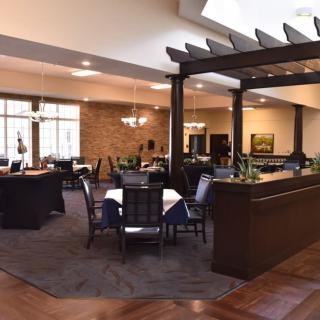
  • Dining room Dining roomDining rooms are important for seniors as they provide a space for socialization, connection, and nutritious meals. They offer opportunities for residents to bond over shared meals, foster a sense of community, and promote healthy eating habits. Dining rooms also ensure that seniors have access to well-balanced meals tailored to their dietary needs and preferences.
  • Fitness room Fitness roomHaving a fitness room in a senior living community is essential for seniors to stay active, maintain their physical health, and improve their overall well-being. Regular exercise can help prevent falls, reduce the risk of chronic diseases, and promote mental sharpness. It also provides social opportunities for residents to connect with others and enjoy a sense of community.
  • Fully furnished Fully furnishedFully furnished senior living communities are important for seniors because they provide convenience, comfort, and a hassle-free moving experience. Seniors can easily settle into their new living space without the stress of having to buy and move furniture. This allows them to focus on enjoying their new home and community.
  • Gaming room Gaming roomGaming rooms are important for seniors as they provide a fun and engaging environment for socializing, cognitive stimulation, and physical activity. Games can improve memory, problem-solving skills, and overall mental well-being while fostering friendships and reducing feelings of isolation.
  • Garden GardenGardens are important for seniors as they provide a peaceful and therapeutic environment for relaxation, physical activity, and socialization. Being in nature has been shown to reduce stress, improve mood, and promote overall well-being. Gardens also offer opportunities for seniors to engage in gardening activities, which can improve mobility, flexibility, and cognitive function. Additionally, gardens create a sense of community and connection with others who share a passion for plants and outdoor spaces.
  • Housekeeping services Housekeeping servicesHousekeeping services are important for seniors because they help maintain a clean and safe living environment, promote independence, and reduce the risk of accidents or illnesses. Additionally, having assistance with household chores can alleviate physical strain and allow seniors to focus on other aspects of their well-being.
  • Indoor common areas Indoor common areasIndoor common areas are crucial for seniors as they provide a space for socialization, recreation, and community engagement, promoting overall well-being and reducing feelings of isolation and loneliness.
  • Kitchenette KitchenetteKitchenettes are important for seniors living in senior living communities because they provide the convenience and independence of being able to prepare simple meals and snacks in the comfort of their own living space. This can help promote a sense of autonomy and well-being for seniors, allowing them to maintain some level of control over their dietary choices and daily routines.
  • Move-in coordination Move-in coordinationMove-in coordination is important for seniors because it helps ease the transition into their new living environment. It ensures that all logistics, such as packing, organizing movers, and setting up utilities are taken care of, allowing seniors to focus on settling in and adjusting to their new home. Having a smooth move-in process can alleviate stress and anxiety, making the transition smoother and more enjoyable for seniors.
  • Outdoor space Outdoor spaceOutdoor spaces are important for seniors as they provide opportunities for physical activity, social interaction, exposure to natural light and fresh air, and a sense of connection to nature. Having access to outdoor spaces can improve overall well-being and quality of life for older adults living in senior communities.
  • Private bathrooms Private bathroomsPrivate bathrooms are important for seniors in senior living communities because they provide independence, dignity, and comfort. Having a private bathroom allows seniors to maintain their personal hygiene routines without the need for assistance, promoting a sense of autonomy and privacy. Additionally, private bathrooms help prevent the spread of infections and provide a safe and clean environment for seniors to navigate safely.
  • Restaurant-style dining Restaurant-style diningRestaurant-style dining is important for seniors because it allows them to enjoy delicious, nutritious meals in a social and upscale setting. This enhances their dining experience, promotes healthy eating habits, and fosters socialization with fellow residents, ultimately contributing to their overall well-being and quality of life.
  • Small library Small librarySmall libraries are important for seniors as they provide access to a variety of reading materials, including books, newspapers, and magazines. This can help stimulate their minds, keep them engaged, and provide a sense of community through book clubs and other social activities. Additionally, reading has been shown to improve cognitive function and overall mental well-being in older adults.
  • Telephone TelephoneTelephones are important for seniors as they provide a lifeline for communication with loved ones, emergency services, and healthcare providers. They offer a sense of security and independence, enabling seniors to stay connected and access assistance when needed.
  • Wellness center Wellness centerWellness centers are important for seniors because they offer a variety of programs and services that promote physical, mental, and emotional well-being. These centers provide opportunities for exercise, socialization, education, and relaxation, helping seniors maintain their overall health and quality of life.
  • Wi-Fi/high-speed internet available Wi-Fi/high-speed internet availableWi-Fi/high-speed internet is important for seniors to stay connected with loved ones, access online resources, and participate in virtual activities to combat feelings of loneliness and isolation. It also allows them to easily manage healthcare needs, access entertainment, and engage in lifelong learning opportunities.

Transportation

  • Evansville Regional (22 miles away) Evansville Regional (22 miles away)
  • Community operated transportation Community operated transportationCommunity operated transportation is crucial for seniors as it provides them with the means to access essential services, social activities, and medical appointments. It allows seniors to maintain their independence and quality of life by ensuring they can participate in activities outside of their homes. Additionally, community-operated transportation services offer a safe and reliable way for seniors to travel without having to rely on family or friends for assistance.
  • Transportation arrangement Transportation arrangementTransportation arrangements are crucial for seniors as they may face challenges with driving, mobility, or access to public transportation. Having reliable transportation services ensures that seniors can easily attend appointments, social activities, and maintain their independence and quality of life.

Care Services

  • 24-hour call system 24-hour call system24-hour call systems are important for seniors because they provide peace of mind and immediate assistance in case of emergencies. This technology ensures that help is always available, promoting safety and security for elderly individuals living alone or in assisted living facilities.
  • 24-hour supervision 24-hour supervision24-hour supervision is important for seniors to ensure their safety, well-being, and access to immediate assistance in case of emergencies or health issues. This constant support provides peace of mind for both seniors and their loved ones, allowing them to age in place with dignity and security.
  • Activities of daily living assistance Activities of daily living assistanceActivities of daily living assistance are important for seniors because they provide essential support with tasks such as eating, bathing, dressing, and mobility. This assistance helps seniors maintain their independence, dignity, and overall quality of life as they age.
  • Ambulatory care Ambulatory care"Ambulatory care services provide essential medical support and treatment to seniors without requiring hospitalization, allowing them to maintain their independence and quality of life while managing chronic conditions or receiving routine medical care."
  • Assistance with bathing Assistance with bathingAssistance with bathing is crucial for seniors as it helps maintain personal hygiene, prevents infections, and ensures their overall well-being and comfort. It also provides a sense of dignity and independence for seniors who may struggle with this task on their own.
  • Assistance with dressing Assistance with dressingAssistance with dressing is important for seniors because it helps maintain their independence, promotes personal hygiene, prevents accidents and injuries, and improves overall quality of life. This service ensures that seniors can continue to dress comfortably and confidently, despite any physical limitations they may have.
  • Assistance with transfers Assistance with transfersAssistance with transfers is crucial for seniors as it helps prevent falls and injuries, maintains their independence, and ensures they can safely navigate their living environment. It also provides peace of mind for both seniors and their loved ones.
  • Diabetes diet Diabetes dietA diabetes diet is crucial for seniors as it helps manage blood sugar levels, reduce risks of complications, and improve overall health and well-being. By following a balanced and nutritious diet tailored to their specific needs, seniors can better control their diabetes and enhance their quality of life.
  • Diabetic care Diabetic careDiabetic care is crucial for seniors as they are more susceptible to developing diabetes due to aging and other health conditions. Proper management of diabetes can help prevent complications such as heart disease, vision loss, and nerve damage, improving the overall quality of life for seniors in senior living communities.
  • Meal preparation and service Meal preparation and serviceMeal preparation and service are crucial for seniors as they may have limited mobility or energy to cook nutritious meals. Having access to healthy and convenient food options can ensure they are getting the proper nutrition needed to maintain their overall health and well-being.
  • Medication management Medication managementMedication management is crucial for seniors to ensure they are taking the right medications at the correct dosages and times. This helps prevent adverse drug interactions, reduces the risk of medication errors, and promotes overall health and well-being. Proactive management also allows for adjustments as needed based on changing health conditions or new prescriptions.
  • Special dietary restrictions Special dietary restrictionsSpecial dietary restrictions are important for seniors because age-related changes in metabolism and health conditions can make it difficult for their bodies to process certain foods. By following a diet tailored to their specific needs, seniors can maintain their overall health and well-being, manage chronic conditions, and reduce the risk of complications such as malnutrition or food interactions with medications.

Dining

  • Diabetes diet Diabetes dietA diabetes diet is crucial for seniors as it helps manage blood sugar levels, reduce risks of complications, and improve overall health and well-being. By following a balanced and nutritious diet tailored to their specific needs, seniors can better control their diabetes and enhance their quality of life.
  • Meals provided Meals provided"Meals provided" are crucial for seniors in assisted living communities as it ensures they have access to nutritious, balanced meals without the stress of meal planning and preparation. This can help promote overall health and well-being for seniors who may have limited mobility or cognitive abilities.
  • Special dietary restrictions Special dietary restrictionsSpecial dietary restrictions are important for seniors because age-related changes in metabolism and health conditions can make it difficult for their bodies to process certain foods. By following a diet tailored to their specific needs, seniors can maintain their overall health and well-being, manage chronic conditions, and reduce the risk of complications such as malnutrition or food interactions with medications.

Activities

  • Activities on-site Activities on-siteActivities on-site are important for seniors because they provide opportunities for socialization, mental stimulation, physical activity, and overall well-being. Engaging in activities can help seniors stay active, maintain their independence, and improve their quality of life.
  • Community-sponsored activities Community-sponsored activitiesCommunity-sponsored activities are important for seniors as they provide opportunities for social interaction, mental stimulation, and physical activity. These activities can help improve overall well-being, combat loneliness and isolation, and promote a sense of belonging and purpose among older adults.
  • Concierge services Concierge servicesConcierge services are essential for seniors as they provide assistance with daily tasks and errands, enhance their quality of life by offering convenience and personalized care, and promote a sense of safety and security.
  • Devotional activities offsite Devotional activities offsiteDevotional activities offsite are important for seniors because they provide social engagement, spiritual growth, and a sense of community outside of their living environment. This can improve overall well-being, mental health, and combat feelings of isolation or loneliness.
  • Fitness programs Fitness programsFitness programs are crucial for seniors as they help improve strength, flexibility, balance, and overall well-being. Staying active can reduce the risk of chronic diseases, improve mental health, and enhance quality of life in older adults.
  • Planned day trips Planned day tripsPlanned day trips are important for seniors because they offer opportunities for socialization, mental stimulation, and physical activity. They provide a change of scenery and help seniors stay engaged and connected to their community, promoting overall well-being and quality of life.
  • Resident-run activities Resident-run activitiesResident-run activities are important for seniors as they encourage social interaction, creativity, and a sense of autonomy. These activities empower seniors to stay engaged and active in their community while fostering meaningful connections with their peers.
  • Scheduled daily activities Scheduled daily activitiesScheduled daily activities are important for seniors because they provide structure, socialization, mental stimulation, and physical activity. Engaging in regular activities can improve overall well-being and quality of life for seniors living in a community setting.

Description

Waters Of Princeton in Princeton, IN is a skilled nursing facility that provides exceptional care and services for seniors. With its extensive range of amenities, residents can enjoy a comfortable and fulfilling lifestyle. The community features a beauty salon, allowing residents to pamper themselves and maintain their appearance. Cable or satellite TV is available in each room, providing entertainment options at any time.

Residents have the convenience of community-operated transportation for outings and appointments. A computer center is also provided, giving residents the opportunity to stay connected with loved ones or engage in online activities. The dining room offers restaurant-style dining with delicious meals prepared by the staff. Special dietary restrictions are accommodated to ensure that each resident's dietary needs are met.

The fitness room encourages physical activity and allows residents to stay active and maintain their health. The gaming room offers opportunities for recreational activities and socialization among peers. A beautiful garden provides a peaceful outdoor space where residents can relax and enjoy nature.

Housekeeping services are provided to maintain a clean and organized living environment. Each room is fully furnished with private bathrooms for comfort and privacy. Move-in coordination is available to assist new residents during the transition process.

For leisurely activities, there is a small library where residents can indulge in reading and expand their knowledge. Telephone services are provided for easy communication with family members and friends. A wellness center ensures that medical needs are attended to with 24-hour supervision available.

Wi-Fi/high-speed internet access allows residents to browse the internet at their convenience. Waters Of Princeton offers various care services such as assistance with daily living activities like bathing, dressing, and transfers. Medication management is provided by trained professionals to ensure the proper administration of medications.

Transportation arrangements are made for off-site appointments or other excursions outside the community. Concierge services are available to cater to residents' needs and provide assistance whenever required.

Residents can engage in fitness programs tailored for their abilities or participate in planned day trips to nearby attractions. Resident-run activities allow residents to take the lead in planning and organizing events that match their interests. Scheduled daily activities ensure that there is always something exciting happening within the community.

Additionally, Waters Of Princeton is conveniently located near cafes, parks, pharmacies, physicians, restaurants, places of worship, and hospitals, ensuring easy access to essential amenities and services.

In summary, Waters Of Princeton offers a comprehensive assisted living community with exceptional care services and a wide array of amenities to enhance the quality of life for its residents.

Nearby Places of Interest

Pharmacies

  • CVS Pharmacy (0.1 miles)
  • Williams Bros. Health Care Pharmacy (0.6 miles)
  • Toyota Family Pharmacy (0.6 miles)
  • Walgreens (0.7 miles)
  • Beuhlers Buy Low Pharmacy (0.8 miles)
  • Walmart Pharmacy (1.4 miles)
  • Toyota Family Pharmacy (4.5 miles)

Restaurants

  • Dq Grill & Chill (0.2 miles)
  • Wendy's (0.2 miles)
  • Broadway House Bistro (0.4 miles)
  • Palace (0.6 miles)
  • Subway (0.6 miles)
  • Breakers (0.6 miles)
  • Crickets (0.6 miles)

Cafes

  • Donut Bank (0.2 miles)
  • Handsome Rooster Coffee (10.5 miles)
  • Holy Grounds (12.3 miles)

Places of Worship

  • Owensville Assembly Of God Church Princeton (0.6 miles)
  • Owensville United Methodist Church (0.6 miles)
  • Tower Heights Church of God (0.8 miles)
  • Holy Temple Church of God in Christ (0.8 miles)
  • St Joseph Church - Rectory (1 miles)
  • Church of Christ (1.1 miles)
  • Oasis Assembly of God (1.3 miles)

Physicians

  • Pediatrics Center (0.6 miles)
  • Brink's Family Practice (0.6 miles)
  • Walter, Richard Dr - Gibson General Hospital Multi Specialty Clinic (0.7 miles)
  • Gibson General Hospital (0.7 miles)
  • Good Samaritan Hospital (0.7 miles)
  • Wagih A Satar (0.8 miles)
  • Deaconess Clinic (1.3 miles)

Hospitals

  • Lifestyles Diabetes Center (0.7 miles)
  • Gibson General Hospital (8.2 miles)
  • Multi-Specialty Health Center (8.2 miles)
  • Gibson General Hospital (8.3 miles)

Parks

  • Southside Park (1.3 miles)
  • Cynthiana Area Recreation (13.9 miles)

Transportation

  • Blackhawk Wildlife Studio and Taxidermy (13.6 miles)

Frequently Asked Questions

Where is Waters Of Princeton?

Nearby Communities

Assisted Living in Nearby Cities

Related Resources

  • activities of daily livingComprehensive Insights into Activities of Daily Living (ADLs) and Their Assessment

    Activities of Daily Living (ADLs) are fundamental tasks vital for an individual's independence, particularly in older adults over 85, and include functions like bathing and dressing; assessing ADLs alongside Instrumental Activities of Daily Living (IADLs) helps determine the level of required assistance due to age-related health challenges. Tailored support plans, involving family and community resources, are essential for maintaining dignity and autonomy in assisted living environments.

  • does medicare pay for assisted livingMedicare Coverage for Assisted Living: An In-Depth Exploration

    Medicare does not cover assisted living costs, as it focuses on acute medical needs and short-term care, with exceptions for certain medically necessary services like physical therapy. Individuals must explore other options such as Medicaid, veterans' benefits, or long-term care insurance to manage these expenses effectively.

  • luxury assisted livingYour Comprehensive Guide to Luxury Assisted Living: Elevated Facilities, Amenities, and Costs


    Luxury assisted living offers high-quality senior care in a resort-like environment that combines essential medical support, gourmet dining, and personalized services to enhance residents' independence and well-being. These upscale facilities emphasize holistic health and community-building through customized care plans and social activities, catering to the growing demand for enriched senior living experiences despite higher costs.