North River Health Campus presents a competitive range of monthly costs for its accommodations compared to Vanderburgh County and the broader state of Indiana. For a one-bedroom unit, residents can expect to pay $1,950, significantly lower than the county average of $2,953 and the state benchmark of $3,300. Semi-private rooms at North River Health Campus are priced at $3,600, which aligns closely with the county's rate of $3,578 while remaining slightly below the state's average of $3,739. Studio apartments are offered at $4,050; although this is higher than both local and state averages ($3,571 and $3,258 respectively), this disparity may reflect unique features or amenities available at the campus. Overall, North River Health Campus provides appealing options that may cater well to budget-conscious individuals seeking quality care in their selection of living arrangements.
Floor plans
North River Health Campus
Vanderburgh County
Indiana
1 Bedroom
$1,950
$2,953
$3,300
Semi-Private
$3,600
$3,578
$3,739
Studio
$4,050
$3,571
$3,258
Assisted Living communities with a similar price nearby
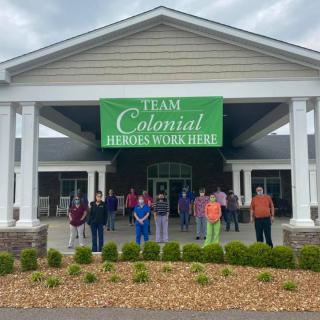
Residents and families consistently describe caring, accommodating staff.
Across many reviews, families say staff are welcoming, kind, and attentive, and that they make both residents and visitors feel supported. Several reviewers highlight communication and responsiveness, including helping with questions during admission and keeping families updated. A few residents also describe feeling safe because of the nursing attention and overall team effort.
common9 reviews mention this
Meals are repeatedly praised
Dining is a frequent highlight in resident and family reviews.
Multiple reviews talk about the quality of meals and the positive dining experience in the dining room. Families mention enjoying the food and feeling confident that dietary needs are being handled, including support around special diets. Some reviewers also describe extra resident-focused events tied to dining, like themed dinners and family gatherings.
common7 reviews mention this
Activities keep residents engaged
Many reviews mention activities that help residents stay engaged.
Several families describe a steady schedule of activities and programs that get residents involved, including ongoing engagement in assisted living. Reviews also mention resident participation and enjoyment of day-to-day activities, plus occasional family-friendly events. A few reviewers specifically point to the activities team going out of their way to keep residents entertained.
common6 reviews mention this
Clean, well-kept environment
Reviews frequently mention a clean, well-maintained facility.
Many reviewers comment on cleanliness and note that the facility is well kept, with rooms and common areas described as tidy. Some describe the building as feeling more like a hotel than a clinical setting. A separate set of comments credits maintenance and housekeeping with prompt attention and overall upkeep.
differentiator8 reviews mention this
Continuum of care supports age in place
The community’s broad care options show up in how residents move between levels.
Reviews reflect movement across different types of care, including rehab stays, assisted living, and memory-related needs tied to dementia. Several families describe choosing the facility for recovery and then continuing there as needs changed. Others mention specialized programming and units, reinforcing that residents can receive more than one kind of support on the campus.
How we summarize
Counts show how many written reviews mention each theme; a review can touch several themes, and only frequently mentioned themes are displayed.
Features
Housing
95 resident community capacity
Types of Care
Assisted Living
Day Program
Independent Living
Memory Care
Skilled Nursing Facility
Amenities
Activities on-site
Air-conditioning
Beauty salon
Cable or satellite TV
Computer center
Devotional services off-site
Dining room
Fitness room
Fully furnished
Gaming room
Garden
Housekeeping services
Indoor common areas
Kitchenette
Move-in coordination
Outdoor patio
Outdoor space
Private bathrooms
Restaurant-style dining
Small library
Telephone
Wellness center
Wi-Fi/high-speed internet available
Transportation
Evansville Regional (6 miles away)
Community operated transportation
Transportation arrangement
Transportation arrangement (non-medical)
Care Services
12-16 hour nursing
24-hour call system
24-hour supervision
Activities of daily living assistance
Ambulatory care
Assistance with bathing
Assistance with dressing
Assistance with transfers
Coordination with health care providers
Diabetes diet
Diabetic care
Meal preparation and service
Medication management
Mental wellness program
Mild cognitive impairment
Special dietary restrictions
Specialized memory care programming
Transportation arrangement (medical)
Transportation to doctors appointments
Dining
Diabetes diet
Meals provided
Special dietary restrictions
Activities
Activities on-site
Community-sponsored activities
Concierge services
Devotional activities offsite
Fitness programs
Planned day trips
Resident-run activities
Scheduled daily activities
Nearby Places of Interest
This area of Evansville, Indiana offers convenient access to a variety of essential amenities and services. Within a short distance, you will find multiple pharmacies, restaurants offering diverse cuisines, parks for outdoor recreation, medical facilities including clinics and hospitals, places of worship for spiritual needs, cafes for socializing with friends, and even transportation services. The presence of health care facilities and pharmacies nearby ensures easy access to medical care if needed. The quiet and peaceful surroundings make it an ideal location for senior living, providing a comfortable and convenient lifestyle in close proximity to everything you may need.
Pharmacies
Schnucks (1.9 miles)
CVS Pharmacy (2 miles)
IGA Hometown Pharmacy Darmstadt (2.1 miles)
Target Pharmacy (7.5 miles)
CVS Pharmacy (7.7 miles)
Schnucks (8.4 miles)
Meijer Pharmacy Drive Thru (8.9 miles)
Restaurants
Hacienda Mexican Restaurant (2 miles)
Denny's (3.7 miles)
Frontier Restaurant & Bar (3.7 miles)
St Joe Inn (6.6 miles)
Pizza Hut (7.1 miles)
El Patron Mexican Restaurant (7.3 miles)
Arby's (7.8 miles)
Parks
McCutchanville Sports Park (3.9 miles)
Cynthiana Area Recreation (10.1 miles)
Physicians
Deaconess Clinic (4.5 miles)
South Gibson Medical Clinic (8.2 miles)
Stat-Care (8.3 miles)
Deaconess Clinic Ft Branch (8.4 miles)
tulip Tree health Clinic (8.9 miles)
Proactive Medical Review (9.2 miles)
Stanton Optical (9.5 miles)
Places of Worship
Sts Peter & Paul (6 miles)
Vertical Church (9 miles)
Gethsemane Church (9.4 miles)
St Boniface Catholic Church (10 miles)
Fair Haven Christ Fellowship (10.2 miles)
Saint Johns Parsonage (10.3 miles)
Hospitals
Gibson General Hospital (8.1 miles)
Multi-Specialty Health Center (8.1 miles)
Gibson General Hospital (8.2 miles)
Deaconess Hospital (9.6 miles)
Deaconess ICU (9.7 miles)
Cafes
Starbucks (8.9 miles)
Honey Moon Coffee Kitchen on Burkhardt (10.1 miles)
Starbucks (10.1 miles)
Donut Bank Bakery and Coffee Shop (10.2 miles)
Parlor Doughnuts (10.3 miles)
Transportation
Blackhawk Wildlife Studio and Taxidermy (9.8 miles)
North River Health Campus presents a competitive range of monthly costs for its accommodations compared to Vanderburgh County and the broader state of Indiana. For a one-bedroom unit, residents can expect to pay $1,950, significantly lower than the county average of $2,953 and the state benchmark of $3,300. Semi-private rooms at North River Health Campus are priced at $3,600, which aligns closely with the county's rate of $3,578 while remaining slightly below the state's average of $3,739. Studio apartments are offered at $4,050; although this is higher than both local and state averages ($3,571 and $3,258 respectively), this disparity may reflect unique features or amenities available at the campus. Overall, North River Health Campus provides appealing options that may cater well to budget-conscious individuals seeking quality care in their selection of living arrangements.
North River Health Campus offers a comprehensive suite of features that cater specifically to the needs of residents experiencing dementia or Alzheimer's disease. Assistance with dressing and bathing ensures that personal hygiene and grooming are maintained, which can enhance dignity and comfort. Medication management helps to prevent the confusion often associated with administering multiple prescriptions, thereby promoting adherence to health protocols. Meal preparation and service provide nutritious options tailored to dietary needs, while transportation arrangements facilitate access to medical appointments, ensuring continuity of care. The coordination with healthcare providers creates a cohesive approach to managing the resident's overall well-being. Activities of daily living assistance fosters independence in routine tasks, while 24-hour supervision guarantees a safe environment where immediate support is available as needed. Additionally, programs aimed at mental wellness and specialized memory care programming offer cognitive engagement activities designed to stimulate memory function and enhance quality of life for those dealing with mild cognitive impairment through advanced stages of dementia.
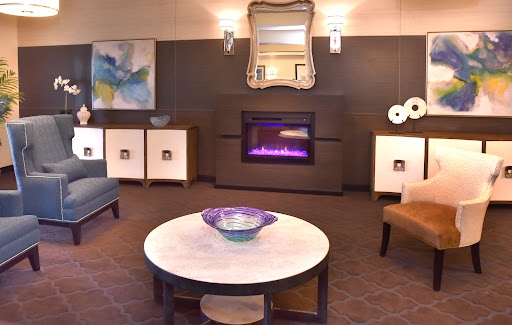
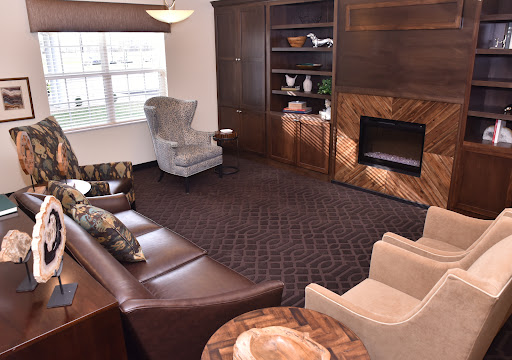
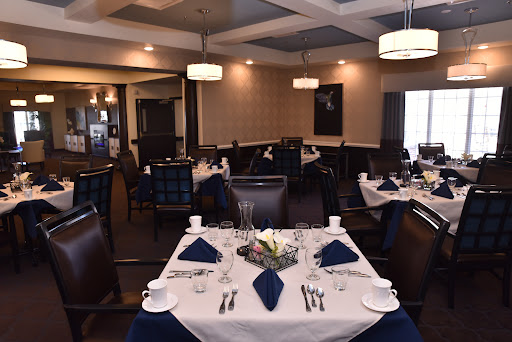
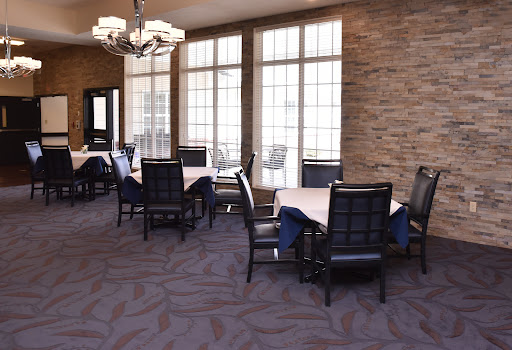
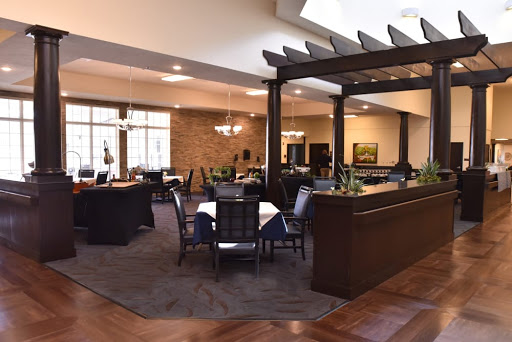
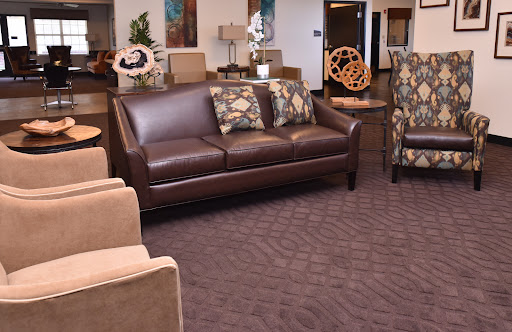
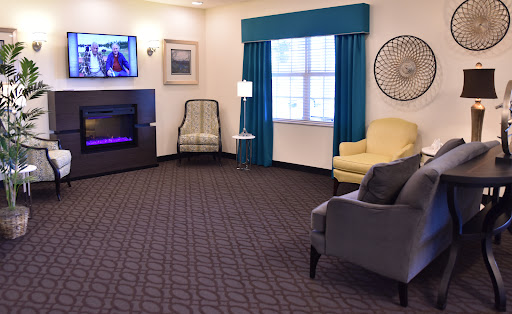
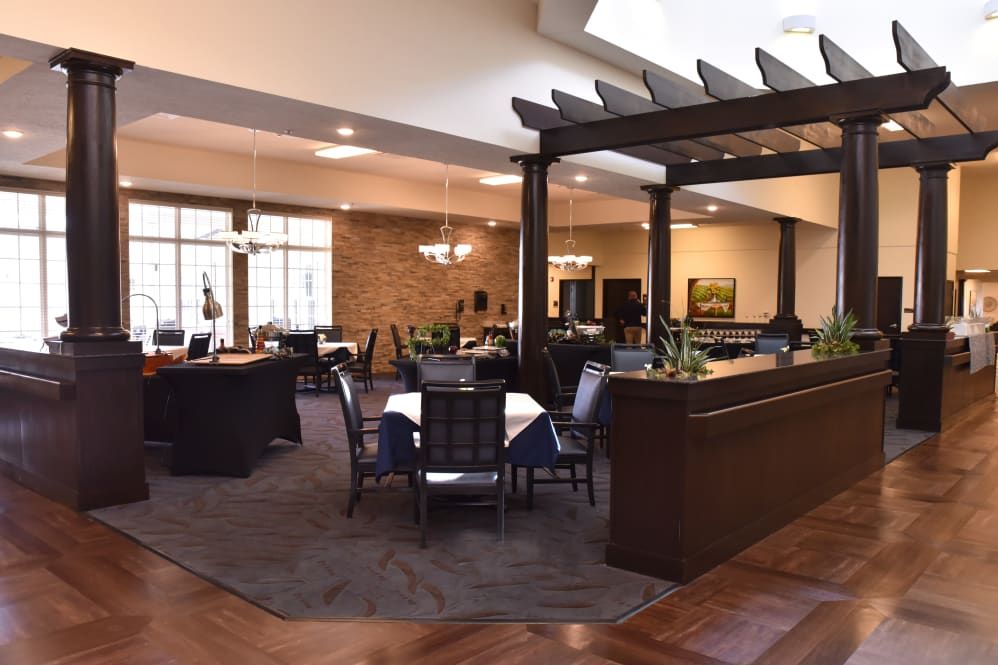
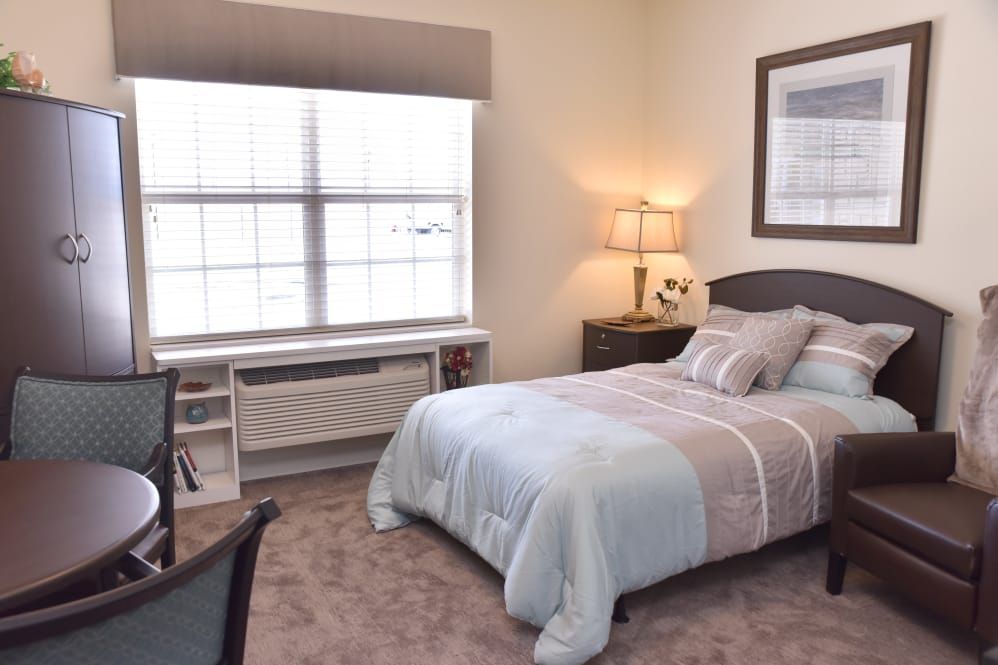
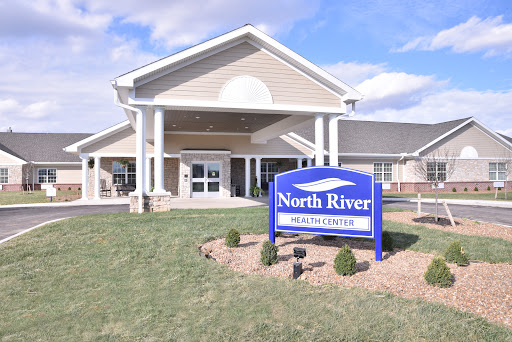
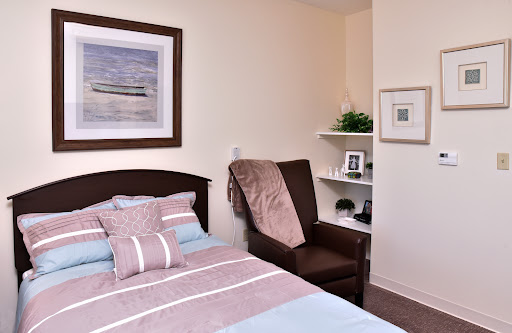
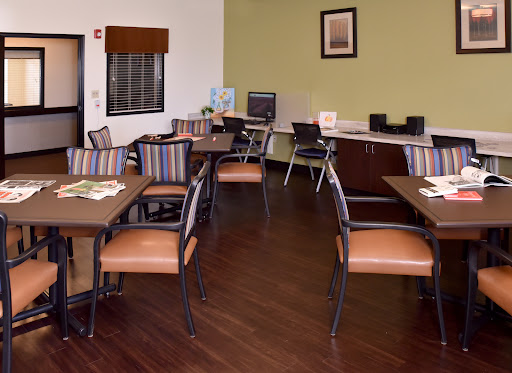
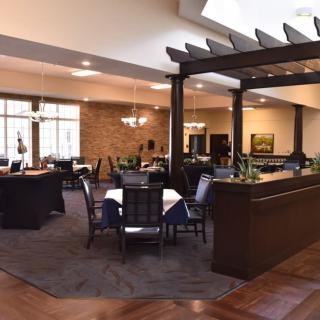
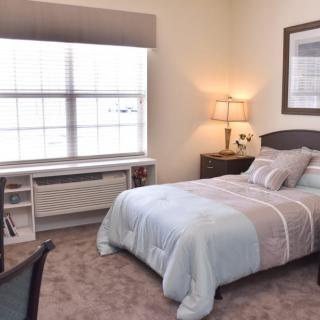
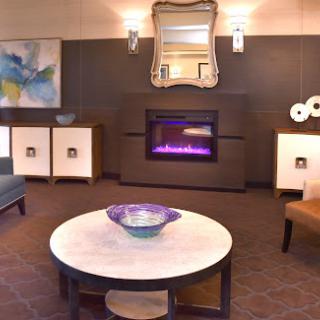
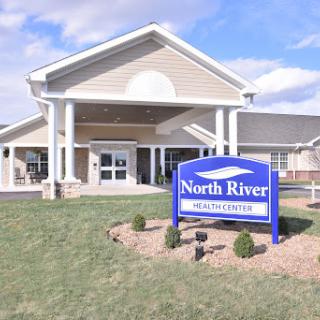
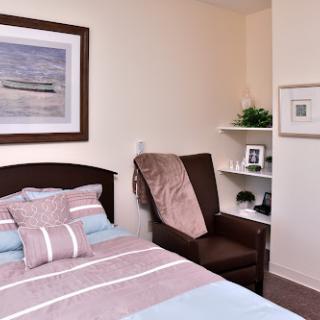
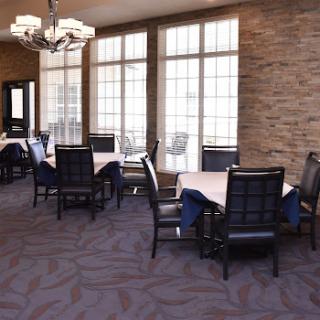
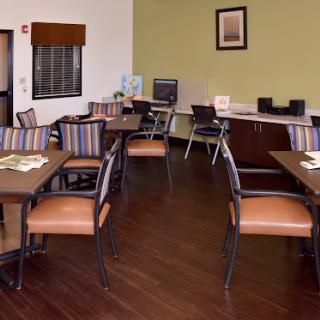
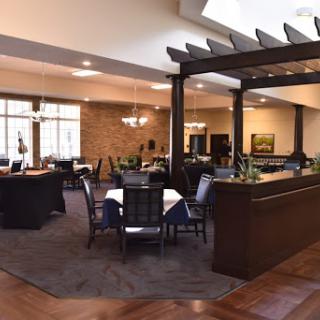
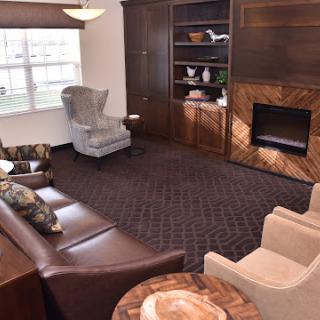
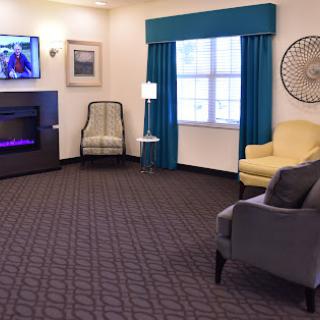
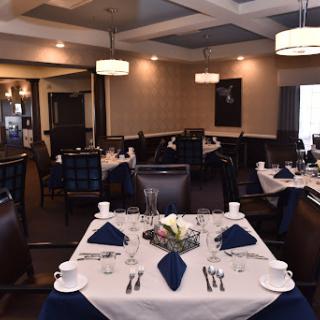
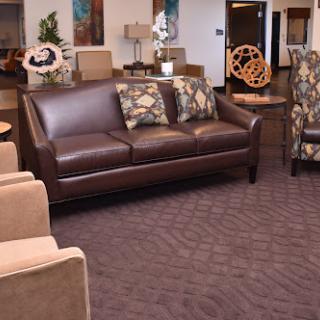
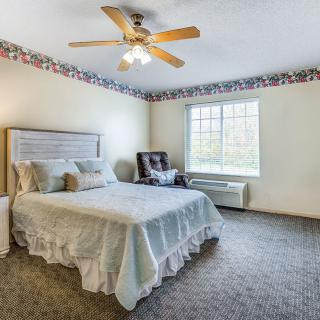
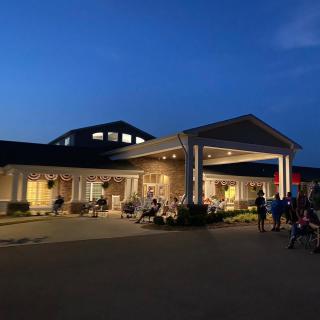
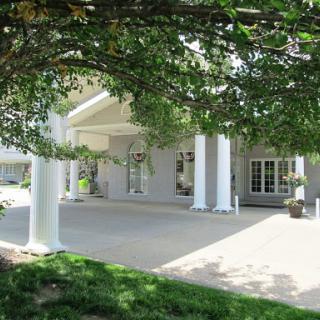
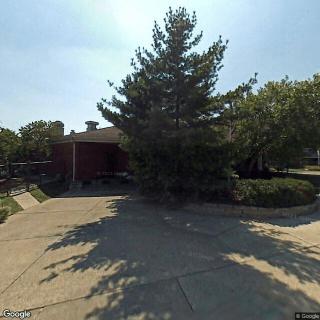
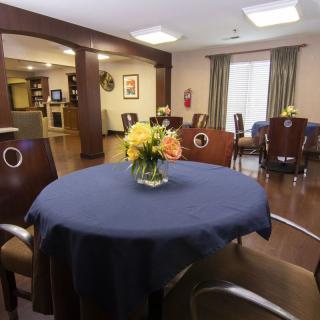
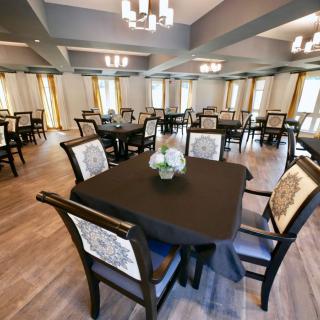
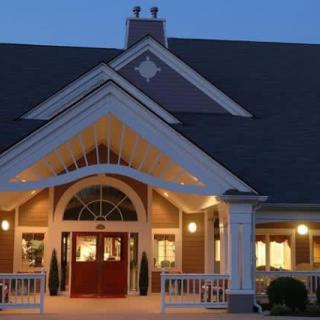
North River Health Campus on seniors.fyi includes 13 photos including images showing interior, dining, decor, bedroom, living room, lighting, windows, fireplace, and more.
Dementia encompasses a range of cognitive impairments characterized by types such as Alzheimer's and vascular dementia, and follows a seven-stage progression model known as the Global Deterioration Scale (GDS), highlighting varying symptoms and decline timelines. Early detection allows for lifestyle adjustments to potentially slow progression, while caregivers need support and resources to manage the challenges involved in caring for affected individuals.
The guide on holistic dementia care outlines the complexity of dementia and stresses the need for individualized caregiver strategies that include medical treatment, psychological support, and environmental adaptations, while emphasizing early detection, various therapeutic options, and caregiver support to enhance quality of life and maintain dignity.
Activities of Daily Living (ADLs) are fundamental tasks vital for an individual's independence, particularly in older adults over 85, and include functions like bathing and dressing; assessing ADLs alongside Instrumental Activities of Daily Living (IADLs) helps determine the level of required assistance due to age-related health challenges. Tailored support plans, involving family and community resources, are essential for maintaining dignity and autonomy in assisted living environments.
Get PricingAsk A QuestionSchedule A TourContact Senior Advisor
By clicking submit, you agree to our Partner's Terms of Use. You
also consent to receive calls and texts, which may be autodialed, from our Partner. Your consent is not a condition to
using our Partner's service. Please visit our Partner's Privacy Policy for information about their privacy practices.

 95 resident community capacity
 Assisted Living
 Day Program
 Independent Living
 Memory Care
 Skilled Nursing Facility
 Air-conditioning
 Beauty salon
 Cable or satellite TV
 Computer center
 Devotional services off-site
 Dining room
 Fitness room
 Fully furnished
 Gaming room
 Garden
 Housekeeping services
 Indoor common areas
 Kitchenette
 Move-in coordination
 Outdoor patio
 Outdoor space
 Private bathrooms
 Restaurant-style dining
 Small library
 Telephone
 Wellness center
 Wi-Fi/high-speed internet available
 Evansville Regional (6 miles away)
 Community operated transportation
 12-16 hour nursing
 24-hour call system
 Ambulatory care
 Assistance with bathing
 Assistance with dressing
 Assistance with transfers
 Diabetes diet
 Diabetic care
 Medication management
 Mental wellness program
 Special dietary restrictions
 Transportation arrangement (medical)
 Concierge services
 Planned day trips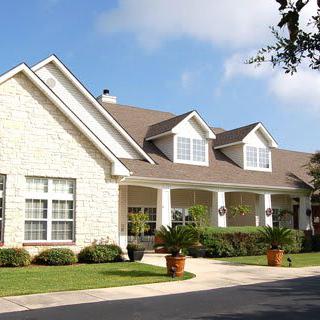
 Friendly, attentive staff; clean, well-maintained environment.

 Understanding Dementia Through Its Seven Stages: A Comprehensive Look at Progression and Expectations
 A Holistic Dementia Care Guide: Effective Strategies for Memory Support
 Comprehensive Insights into Activities of Daily Living (ADLs) and Their Assessment