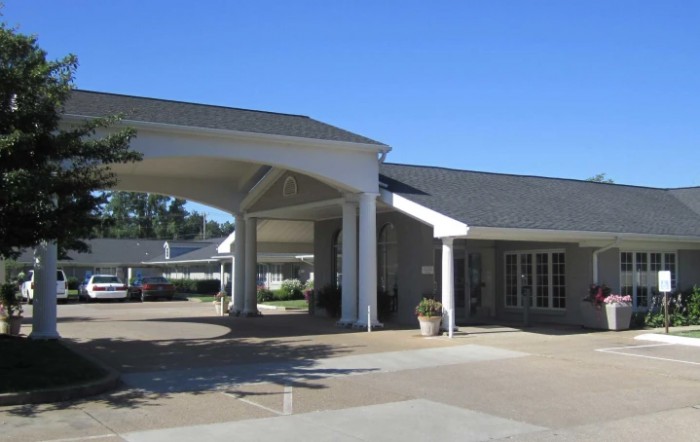

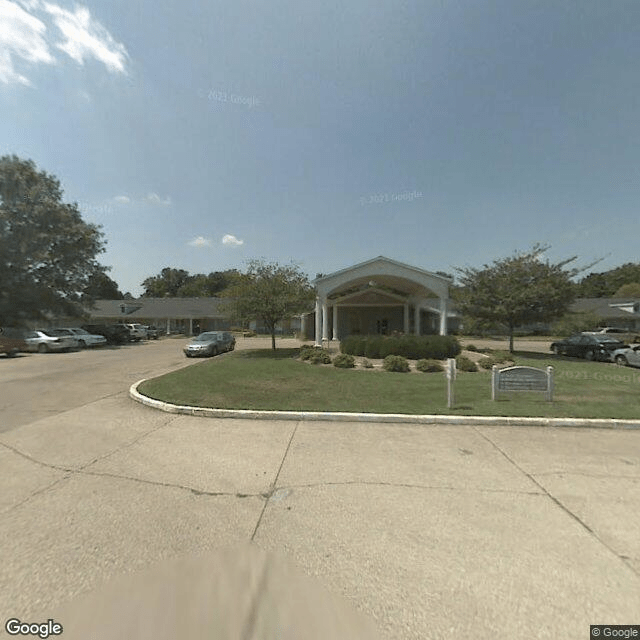
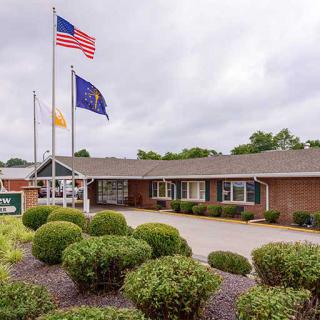
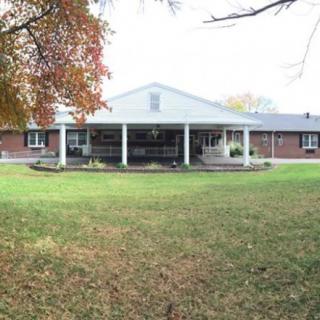
1201 W Buena Vista Rd, Evansville, IN 47710
To contact a resident: (812) 429-0700
For more information about senior living options: (866) 208-4318
Overall Review of The Heritiage Center
Pros
 Heritage is a phenomenal facility.
- The nursing staff and therapists provided care with smiles and a readiness to help.
- The nursing staff, CNAs, PTs, and OTs were all great.
- The care and rehabilitation services were excellent.
- The staff were flexible and accommodating with family schedules.
- The level of care and attention was exceptional.
- The staff were genuine, down-to-earth, caring people.
- The staff's friendly demeanor contributed to a successful recovery.
- The care, compassion, and communication with patients and families were fantastic.
- Heritage Rehab Center was by far the best among facilities tried.
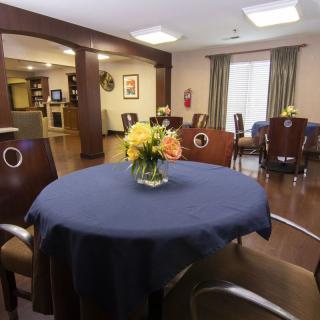
- The facility is up-to-date and modern, with clean, nice rooms.
- The staff were absolutely amazing.
Cons
 My aunt pushes her button to get help to the restroom and no one will come and help her.
- After knee surgery she has to get up and go to the restroom herself.
- On top of that she said the food is horrible.
- Terrible place to work.
- We took my Grandma out of Parkview because they stole from her and hit her!
Review
Heritage Center in Evansville is best suited for seniors who need focused, skilled rehab after surgery or a significant medical event, as well as those who require ongoing skilled nursing with a rehab-forward approach. The rehab unit emphasizes private rooms in a dedicated area, and multiple reviews underscore top-tier nursing care, attentive CNAs, and highly competent physical and occupational therapy. Families repeatedly note that staff members are genuinely committed to recovery, with therapists who push progress and nurses who sustain momentum through discharge planning. The facility appears well paced for post-acute recovery, and the environment is described as welcoming and practical, with staff members who communicate clearly and work to accommodate discharge timelines.
Those weighing alternative options should consider perspectives from reviews that flag gaps in comfort factors rather than clinical capability. A subset of feedback highlights concerns about dining quality and, in at least one instance, inconsistent call-light responsiveness. Some reviewers recount experiences where help was not readily available, including difficulties with restroom assistance, which can be a meaningful issue for long-term residents or family members seeking dependable daily support. The mix of experiences suggests that, for families prioritizing flawless daily service across all shifts, other facilities might present more predictable outcomes, even if the rehab care quality remains solid here.
On the upside, the most consequential advantages are clear and substantial. The care team, nursing, CNAs, and therapists, receives frequent praise for competence, compassion, and real-world responsiveness. Families report flexible collaboration with discharge planning, including coordinating rides home, which reduces stress at the critical transition from inpatient rehab. The rehab unit’s private rooms and the option for Medicaid beds signal both dignity and accessibility, while practical touches, such as staff willingness to adapt to family schedules, make a meaningful difference in recovery momentum. The overall tone from residents and families is steady confidence in the clinical side of care, reinforced by staff who appear invested in patients’ outcomes.
The cons, while not universal, are nontrivial and deserve consideration in decision-making. Dining quality emerges as a recurring theme, sometimes described as uninspiring or variable, which can affect comfort and mood during longer stays. More troubling for some families is the report of delayed assistance in essential routines, including restroom needs, which can erode trust if left unaddressed. These factors do not negate the clinical strengths, but they do dilute the overall experience for certain individuals. In other words, the strongest clinical reputation here does not automatically translate into flawless day-to-day satisfaction for every resident.
Viewed through a practical lens, the pros largely offset the cons for short-term rehab-focused admissions, where progress, professionalism, and discharge readiness carry the day. For a resident whose priority is rapid therapy gains, solid nursing oversight, and a respectful, family-conscious approach to transitions, Heritage Center delivers where it counts. However, for families who prioritize consistently elevated mealtime experience and uniformly responsive everyday care across all hours, it pays to compare peers with equally strong rehab programs but steadier service metrics. The facility’s private-rooms advantage, coupled with Medicaid-bed flexibility, makes it a compelling option for those balancing cost, access, and clinical needs.
In the end, Heritage Center is a practical, capable choice for those seeking robust rehabilitation coupled with attentive, personable staff and private-room dignity. It is less persuasive for individuals who require flawless daily service and consistently high dining standards across every shift. Prospective families should visit with a focused checklist: confirm current private-room availability in the rehab unit, probe call-light response times on all shifts, sample menus or request food preferences, and discuss discharge-planning timelines in detail. With clear expectations and direct conversations about staffing rhythm, this community can be a strong partner in recovery, while alternative facilities may better align with needs for uniform daily comfort and uninterrupted daily support.
 Assisted Living
 Activities on-site
 Devotional services off-site
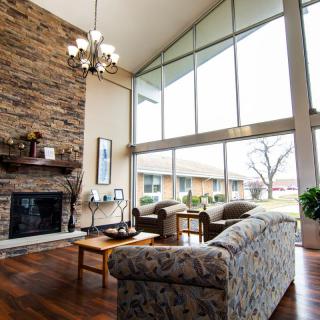
 Indoor common areas
 Evansville Regional (3 miles away)
 Ambulatory care
 Diabetic care
 Meals provided

 When to Transition from Assisted Living to Memory Care: Key Indicators, Steps, and Finding the Right Community
 Assisted Living and Memory Care: Understanding Their Core Differences
 Beyond the Bingo Hall: 50+ Enriching Activities for Seniors in Assisted Living