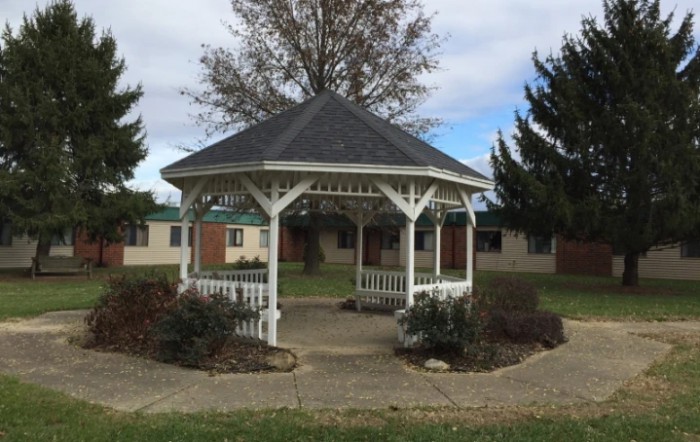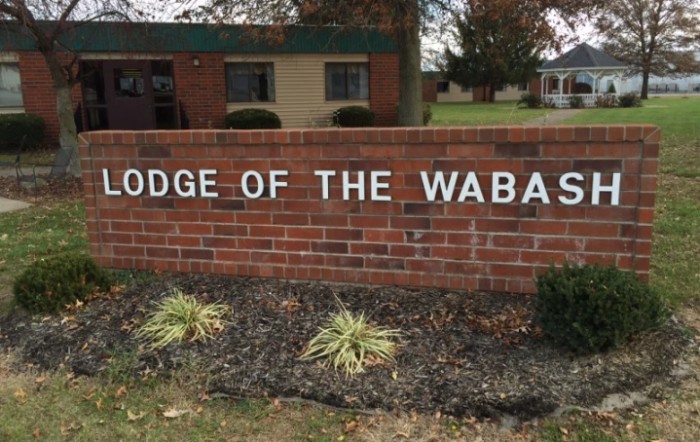

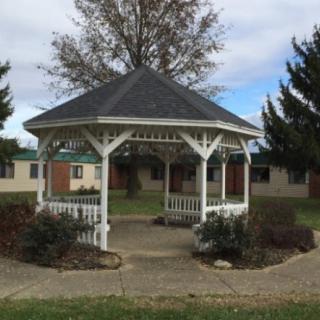

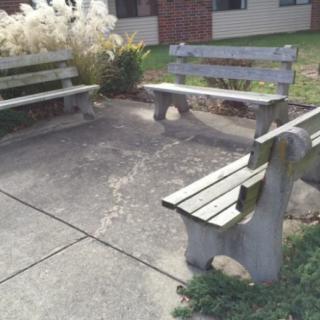
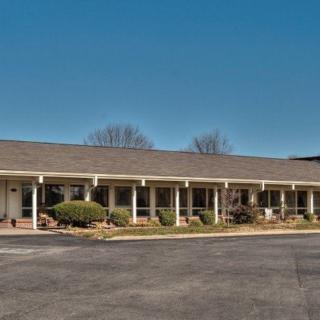
723 East Ramsey Road, Vincennes, IN 47591
For more information about senior living options: (866) 208-4318
Overall Review of Lodge Of The Wabash
Pros
 The staff is amazing.
- The care for the seniors is above and beyond.
- They show residents so much love.
- They welcome families and invite visits as long as they want to stay.
- They care for every senior living there.
- They ensure residents get enough food with many beverage options.
- The meals look like good home-cooked food and residents enjoy them.
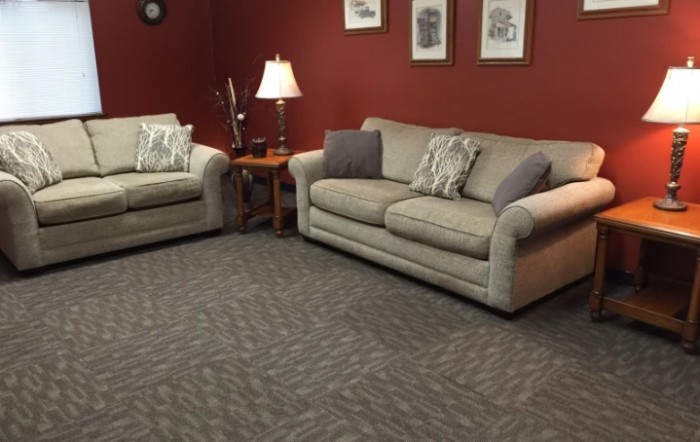
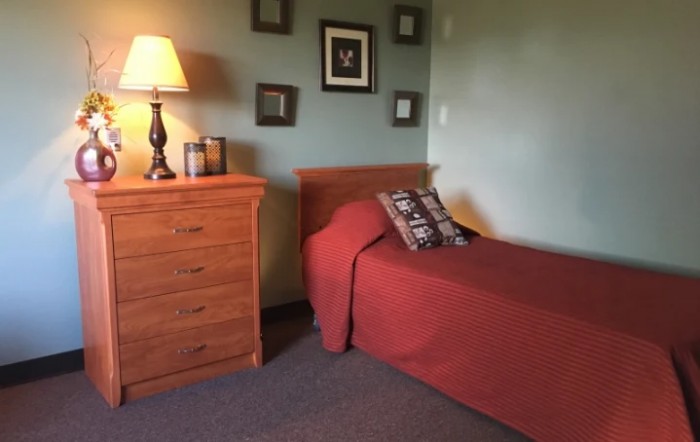
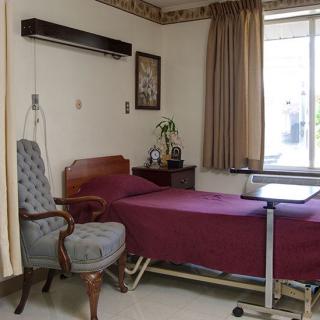
- The rooms are spotless and residents are well cared for.
- The Lodge of The Wabash was good and the staff was fantastic.
Cons
 There were cockroaches in the kitchen.
- Cups were constantly falling on the floor and simply put back on the shelf.
- Food was smeared all over the walls in the dish area.
- Sometimes there wasn’t enough food for the residents, with meals going without.
- A CNA came to work drunk.
- A nurse talked about wanting to trip, kick, or hit residents and called them names.
- The dietary boss yelled at the head nurse and behaved poorly, even quitting and returning.
- The dietary supervisor was afraid of a worker and would tell the head boss what to do, causing tension.
- A family member’s 2-year-old was hit in the head with a baseball bat.
- The reviewer warned others not to work there or to put their family there.
Review
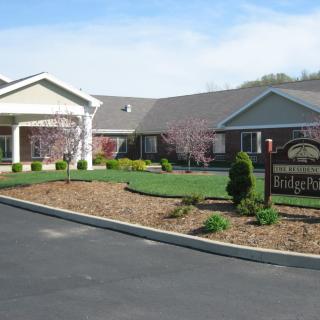
Lodge Of The Wabash in Vincennes is best suited for families that prize a warm, resident-centered environment where caregivers treat seniors with notable affection and individualized attention. This community shines for residents who thrive on regular social contact, home-style meals, and staff who know preferences and routines well. It is especially fitting for families seeking a homelike atmosphere, frequent family-friendly access, and a culture that makes visitors feel welcomed and part of the caregiving team. In short, the strongest case is for those who value emotional care, relationship-based support, and continuity over clinical rigidity.
Those who may want to consider alternatives include families with very high bars for cleanliness, flawless food availability, and an unyielding safety culture. Several concerning elements surface in the reviews: pest-related issues in food service areas, occasional shortages of meals, and reports of inconsistent supply that can leave residents waiting. Additionally, serious comments about staff conduct and leadership indicate potential reliability problems. If dependable, transparent accountability and a consistently safe, well-supervised environment are nonnegotiable, it is prudent to compare with other local options that demonstrate steadier operations and stronger QA processes.
The principal pros, exceptional staff dedication, visible care, and the sense that residents are treated like family, often offset a portion of the cons, but not entirely. The most persuasive strength lies in staff who remember residents, welcome families, and ensure personal needs are met, from meals to grooming. These factors foster dignity, comfort, and emotional stability, making daily life feel supported and meaningful. When the care team is consistently attentive, the warmth can sustain a high quality of life even if some operational gaps exist. Yet warmth cannot erase structural weaknesses: if basic food service and oversight falter, the risk to reliable daily routines and resident safety grows, and the favorable impression can erode quickly.
From a risk-management perspective, the most pressing red flags involve the operational and safety gaps. The kitchen pest issues, repeated food shortages, and reports that some meals are delayed or incomplete point to vulnerable systems that should trigger immediate review. Coupled with accounts of intoxicated staff, hostile interactions, and leadership tensions, these concerns create a pattern that undermines trust in daily reliability. When supervisory structures appear to be strained and disagreements among leadership affect resident care, the concern shifts from “nice care” to “consistent, safe care.” These elements deserve rigorous scrutiny and prompt, documented corrective action before committing long-term.
For families weighing the decision, the recommended approach is to pursue candid conversations with the administrator and frontline staff about concrete improvements. Observe mealtime operations and staffing levels during visits, and press for transparency regarding food sourcing, meal counts, and replenishment practices. Request recent state inspection summaries and resident-family references to gauge whether improvements have persisted. If the facility demonstrates a clear, ongoing commitment to rectifying operational gaps while maintaining the strong, compassionate care culture, Lodge Of The Wabash becomes a viable fit. If not, it is wise to keep evaluating other Vincennes options with more predictable execution and verifiable safety standards.
Ultimately, Lodge Of The Wabash offers a compelling, people-focused environment where residents can feel cherished and engaged. That advantage is powerful for families prioritizing connection, dignity, and daily warmth. The caveat is a discernible pattern of operational and staffing challenges that can compromise reliability and safety on any given day. For families prepared to demand accountability, participate in oversight, and monitor improvements closely, the upside of genuine, affectionate care may justify a deeper look. For those unable to tolerate the risk of inconsistent operations or who require rock-solid guarantees on cleanliness and safety, exploring alternatives with stronger, demonstrable performance is a prudent next step.
 117 resident community capacity
 Assisted Living
 Skilled Nursing Facility
 Air-conditioning
 Beauty salon
 Cable or satellite TV
 Computer center
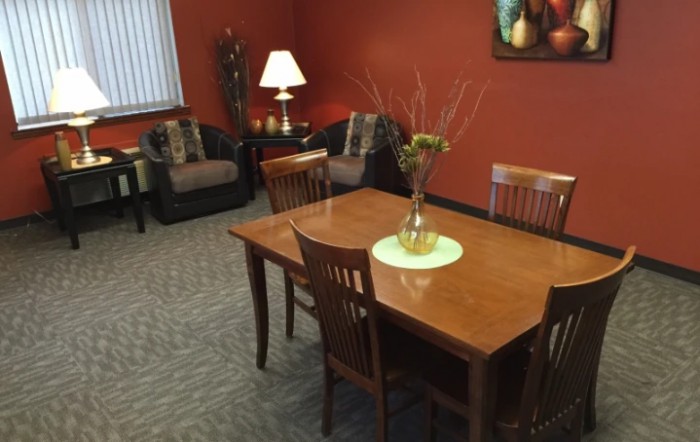
 Dining room
 Fitness room
 Fully furnished
 Gaming room
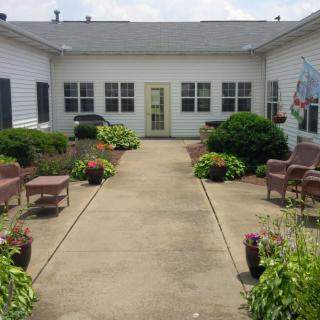
 Garden
 Housekeeping services
 Kitchenette
 Move-in coordination
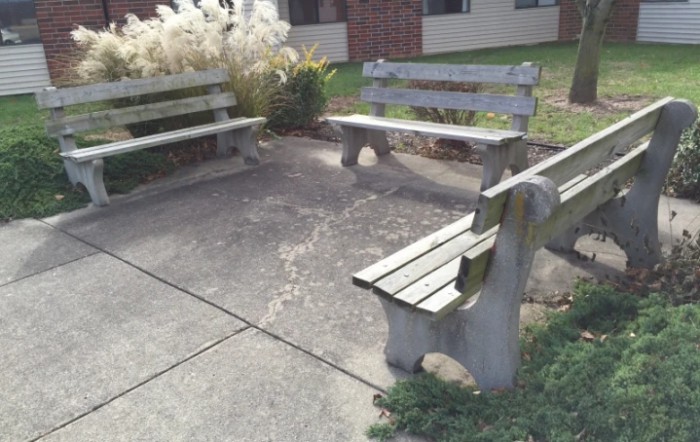
 Outdoor space
 Private bathrooms
 Restaurant-style dining
 Small library
 Telephone
 Wellness center
 Wi-Fi/high-speed internet available
 Community operated transportation
 24-hour call system
 Activities of daily living assistance
 Assistance with bathing
 Assistance with dressing
 Assistance with transfers
 Diabetes diet
 Medication management
 Special dietary restrictions
 Concierge services
 Planned day trips
 Understanding the Distinctions: Assisted Living and Memory Care Explained
 Guiding Elderly Parents Who Refuse Assisted Living: 6 Practical Steps
 Your Comprehensive Guide to Luxury Assisted Living: Elevated Facilities, Amenities, and Costs