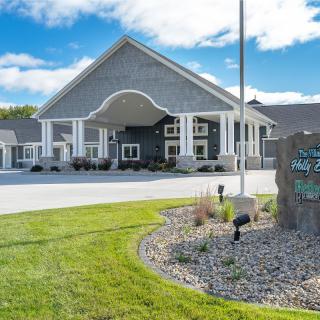
United Methodist Village N. Campus

2101 James Street, Lawrenceville, IL 62439

For more information about senior living options: (844) 490-3973

4.1 from 19 reviews
5 stars
14
4 stars
0
3 stars
1
2 stars
0
1 stars
4

Assisted Living Board and Care Home Skilled Nursing Facility

Overall Review of United Methodist Village N. Campus

Pros

  • pro The front staff is top tier.
  • pro The therapist is highly regarded and has helped the patient in many ways.
  • pro The staff members are amazing, sweet, and helpful.
  • pro The doctors are nice.
  • pro The Health Department is very professional, and its employees are wonderful.
  • pro The staff is extremely hardworking with a well-organized and well-executed COVID-19 vaccine clinic.
  • pro The staff is friendly.

Cons

  • pro The substance abuse counselor is described as punitive, like an avenging angel who punishes clients for their shortcomings, hindering healing.
  • pro The program is portrayed as grueling and unhelpful for those who need real therapy, not a quick fix.
  • pro The staff are accused of lacking empathy and competence, with reports of inexperienced therapists.
  • pro The director is alleged to have suggested that the client obtain their own counselor, undermining trust and causing family tension.
  • pro The clinic is said to harass patients with phone calls despite requests to stop, including calls from private numbers.
  • pro The mental health services are described by some as a joke, with claims of damaging family relationships or brainwashing.

Review

The collection of experiences from this health department paints a picture of a place that some people cherish for its warmth and competence, while others view it as a source of real frustration and harm. Across the board, reviewers frequently commend the front-line interactions: the front staff are described as "top tier," and multiple people call the employees "wonderful," "amazing," and "so sweet & helpful." A sense of professional, patient-focused service shines through in several comments, with one reviewer calling the staff "very professional" and another noting that the nurses and reception teams do their best in a system that seems overwhelmed. A reviewer even highlights a specific therapist as a bright spot - someone who helps deeply and who is appreciated despite sometimes imperfect scheduling.

Yet alongside those positive notes, there is a persistent and sometimes caustic critique of the department's mental health and substance abuse services. The most scathing account portrays the substance abuse program as grueling and punitive, describing the counselor as an "avenging angel" who punishes people for their perceived shortcomings. The reviewer argues that if you need substantive, ongoing help, this is not the place to go, suggesting that the environment may actually hinder healing and that there are numerous documented reports from nearby mental and behavioral health establishments echoing the same sentiment. The implication is not just dissatisfaction with individual staffers, but a broader, systemic issue within the substance abuse and some mental health services.

Within the same breadth of experience, there are stories of care that many would want to replicate elsewhere. One reviewer travels from Mount Carmel specifically to see a therapist at this facility and describes a strong bond with her provider, emphasizing that the therapist never makes them feel like a bother. They acknowledge wait times and limited slots as a consequence of an overwhelming number of patients, but still express gratitude for the care they receive. Another positive voice notes that "all of the ladies" encountered have been amazing, reinforcing the sense that there are individuals within the organization who are making a meaningful difference for their clients.

On the flip side, there are criticisms aimed at access and continuity of care. A reviewer recounts two weeks of trying to get a medication refill before being told the patient must be seen first, only to contend with a provider who was out for days and a system that left them scrambling. The result was an ER visit and a directive to follow up with a primary care physician, followed by a long wait - "two weeks before [an] appointment" - and a sense that there are too many patients or not enough hours. This narrative underscores a common theme: even when care is available, getting timely access and consistent care can be a significant struggle.

Another stark critique targets the mental health services directly with alarming language. A reviewer calls the place a "JOKE for Mental Health help," alleging that certain staff members have turned family members against each other and suggesting that the director recommended seeking outside counseling in a way that felt punitive and manipulative. The language here is harsh, painting a picture of a dysfunctional environment where trust and family relationships can be harmed rather than helped. The sentiment expressed is that the health department could benefit from substantial reforms to restore confidence and safety for families seeking support.

There is also an account of personal boundary violations and harassment. One reviewer reports receiving harassing calls from the department to the point of involving the police, including contact from private numbers despite explicit requests not to be contacted. The experience is framed as coercive and intrusive, culminating in a decision to pursue charges. This is paired with a broader concern about privacy and respectful treatment, reminding readers that for some individuals, the line between care and coercion can feel dangerously thin.

Despite the darker notes, the department is not portrayed as uniformly problematic. Several comments celebrate public health strengths, including a well-organized Covid-19 vaccine clinic and a workforce described as extremely hardworking. A reviewer proudly states that the vaccine clinic was well organized and highlights the staff's dedication in delivering a critical service to the community. These positive remarks help balance the overall impression, suggesting that the department can deliver effective public health work when resources allow.

Taken together, the reviews reveal a complex institution with a blend of high-quality, compassionate care in some areas and significant, troubling gaps in others - particularly around mental health and substance abuse services, and around appointment access and patient privacy. The persistent praise for friendly, capable staff and for public health successes sits alongside urgent cautions about punitive treatment, long wait times, fragmented care, and alleged harassment. For community members seeking care, these voices suggest that while there are trustworthy, caring providers within the department, prospective patients should approach mental health and substance abuse services with caution, gather recommendations, and consider a range of options beyond this single health department to find the support they need.

Features

Housing

  • 6 resident community capacity 6 resident community capacity

Types of Care

  • Assisted Living Assisted LivingAssisted living facilities provide crucial support and care for seniors who may need help with daily tasks such as medication management, bathing, and meal preparation. These communities offer a safe and comfortable environment where seniors can maintain their independence while receiving the assistance they need to thrive in their golden years.
  • Board and Care Home Board and Care HomeBoard and care homes provide a smaller, more intimate setting for seniors who require assistance with daily tasks but do not need the level of care offered by a nursing home. They offer personalized care, meals, and social activities in a homelike environment, ensuring that seniors receive individualized attention and support in their golden years.
  • Skilled Nursing Facility Skilled Nursing FacilitySkilled Nursing Facilities are crucial for seniors as they provide round-the-clock medical care, rehabilitation services, and assistance with daily activities. These facilities ensure that seniors receive the specialized care they need to maintain their health and well-being as they age.

Amenities

  • Cable or satellite TV Cable or satellite TVCable or satellite TV is important for seniors because it provides entertainment, news, and companionship, helping to combat loneliness and boredom. It also offers a wide range of programming options tailored to different interests and preferences.
  • Dining room Dining roomDining rooms are important for seniors as they provide a space for socialization, connection, and nutritious meals. They offer opportunities for residents to bond over shared meals, foster a sense of community, and promote healthy eating habits. Dining rooms also ensure that seniors have access to well-balanced meals tailored to their dietary needs and preferences.
  • Fully furnished Fully furnishedFully furnished senior living communities are important for seniors because they provide convenience, comfort, and a hassle-free moving experience. Seniors can easily settle into their new living space without the stress of having to buy and move furniture. This allows them to focus on enjoying their new home and community.
  • Garden GardenGardens are important for seniors as they provide a peaceful and therapeutic environment for relaxation, physical activity, and socialization. Being in nature has been shown to reduce stress, improve mood, and promote overall well-being. Gardens also offer opportunities for seniors to engage in gardening activities, which can improve mobility, flexibility, and cognitive function. Additionally, gardens create a sense of community and connection with others who share a passion for plants and outdoor spaces.
  • Housekeeping services Housekeeping servicesHousekeeping services are important for seniors because they help maintain a clean and safe living environment, promote independence, and reduce the risk of accidents or illnesses. Additionally, having assistance with household chores can alleviate physical strain and allow seniors to focus on other aspects of their well-being.
  • Move-in coordination Move-in coordinationMove-in coordination is important for seniors because it helps ease the transition into their new living environment. It ensures that all logistics, such as packing, organizing movers, and setting up utilities are taken care of, allowing seniors to focus on settling in and adjusting to their new home. Having a smooth move-in process can alleviate stress and anxiety, making the transition smoother and more enjoyable for seniors.
  • Outdoor space Outdoor spaceOutdoor spaces are important for seniors as they provide opportunities for physical activity, social interaction, exposure to natural light and fresh air, and a sense of connection to nature. Having access to outdoor spaces can improve overall well-being and quality of life for older adults living in senior communities.
  • Telephone TelephoneTelephones are important for seniors as they provide a lifeline for communication with loved ones, emergency services, and healthcare providers. They offer a sense of security and independence, enabling seniors to stay connected and access assistance when needed.
  • Wi-Fi/high-speed internet available Wi-Fi/high-speed internet availableWi-Fi/high-speed internet is important for seniors to stay connected with loved ones, access online resources, and participate in virtual activities to combat feelings of loneliness and isolation. It also allows them to easily manage healthcare needs, access entertainment, and engage in lifelong learning opportunities.

Care Services

  • 24-hour supervision 24-hour supervision24-hour supervision is important for seniors to ensure their safety, well-being, and access to immediate assistance in case of emergencies or health issues. This constant support provides peace of mind for both seniors and their loved ones, allowing them to age in place with dignity and security.
  • Activities of daily living assistance Activities of daily living assistanceActivities of daily living assistance are important for seniors because they provide essential support with tasks such as eating, bathing, dressing, and mobility. This assistance helps seniors maintain their independence, dignity, and overall quality of life as they age.
  • Assistance with bathing Assistance with bathingAssistance with bathing is crucial for seniors as it helps maintain personal hygiene, prevents infections, and ensures their overall well-being and comfort. It also provides a sense of dignity and independence for seniors who may struggle with this task on their own.
  • Assistance with dressing Assistance with dressingAssistance with dressing is important for seniors because it helps maintain their independence, promotes personal hygiene, prevents accidents and injuries, and improves overall quality of life. This service ensures that seniors can continue to dress comfortably and confidently, despite any physical limitations they may have.
  • Assistance with transfers Assistance with transfersAssistance with transfers is crucial for seniors as it helps prevent falls and injuries, maintains their independence, and ensures they can safely navigate their living environment. It also provides peace of mind for both seniors and their loved ones.
  • Coordination with health care providers Coordination with health care providersCoordination with health care providers is crucial for seniors to ensure proper medical care, medication management, and overall well-being. This collaboration helps prevent overlapping treatments, track progress more effectively, and provide comprehensive support tailored to individual needs.
  • Diabetes diet Diabetes dietA diabetes diet is crucial for seniors as it helps manage blood sugar levels, reduce risks of complications, and improve overall health and well-being. By following a balanced and nutritious diet tailored to their specific needs, seniors can better control their diabetes and enhance their quality of life.
  • Meal preparation and service Meal preparation and serviceMeal preparation and service are crucial for seniors as they may have limited mobility or energy to cook nutritious meals. Having access to healthy and convenient food options can ensure they are getting the proper nutrition needed to maintain their overall health and well-being.
  • Medication management Medication managementMedication management is crucial for seniors to ensure they are taking the right medications at the correct dosages and times. This helps prevent adverse drug interactions, reduces the risk of medication errors, and promotes overall health and well-being. Proactive management also allows for adjustments as needed based on changing health conditions or new prescriptions.
  • Special dietary restrictions Special dietary restrictionsSpecial dietary restrictions are important for seniors because age-related changes in metabolism and health conditions can make it difficult for their bodies to process certain foods. By following a diet tailored to their specific needs, seniors can maintain their overall health and well-being, manage chronic conditions, and reduce the risk of complications such as malnutrition or food interactions with medications.
  • Transportation arrangement (medical) Transportation arrangement (medical)Transportation arrangements for medical purposes are essential for seniors as they may have difficulty driving themselves to appointments or accessing public transportation. Having reliable and safe transportation options ensures that seniors can receive timely medical care and maintain their health and well-being.
  • Transportation to doctors appointments Transportation to doctors appointmentsTransportation to doctors' appointments is crucial for seniors as it ensures they have access to necessary medical care and support for their health needs. Without reliable transportation, seniors may struggle to attend important appointments, leading to potential delays in treatment and health complications. Providing transportation services helps seniors maintain their overall well-being and quality of life.
Dining

  • Diabetes diet Diabetes dietA diabetes diet is crucial for seniors as it helps manage blood sugar levels, reduce risks of complications, and improve overall health and well-being. By following a balanced and nutritious diet tailored to their specific needs, seniors can better control their diabetes and enhance their quality of life.
  • Special dietary restrictions Special dietary restrictionsSpecial dietary restrictions are important for seniors because age-related changes in metabolism and health conditions can make it difficult for their bodies to process certain foods. By following a diet tailored to their specific needs, seniors can maintain their overall health and well-being, manage chronic conditions, and reduce the risk of complications such as malnutrition or food interactions with medications.

Activities

  • Community-sponsored activities Community-sponsored activitiesCommunity-sponsored activities are important for seniors as they provide opportunities for social interaction, mental stimulation, and physical activity. These activities can help improve overall well-being, combat loneliness and isolation, and promote a sense of belonging and purpose among older adults.
  • Scheduled daily activities Scheduled daily activitiesScheduled daily activities are important for seniors because they provide structure, socialization, mental stimulation, and physical activity. Engaging in regular activities can improve overall well-being and quality of life for seniors living in a community setting.

Description

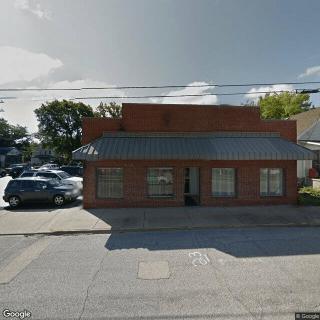
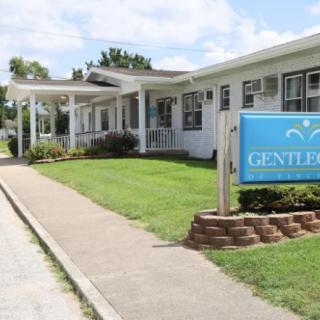
The United Methodist Village N. Campus in Lawrenceville, IL is a senior living community that offers both board and care home services as well as skilled nursing facilities. The community provides a range of amenities to ensure the comfort and convenience of its residents.

The dining room offers delicious meals prepared by professional chefs, catering to any special dietary restrictions. All accommodations are fully furnished, relieving residents of the hassle of moving heavy furniture. The community also boasts a beautiful garden and outdoor space where residents can relax and enjoy nature.

Housekeeping services are provided to maintain a clean and tidy living environment for all residents. Move-in coordination is available to assist new residents in settling into their new home smoothly. Wi-Fi and high-speed internet access are offered for the convenience of staying connected with loved ones or browsing the web.

At United Methodist Village N. Campus, care services are prioritized to meet the individual needs of each resident. Trained staff members provide assistance with activities of daily living such as bathing, dressing, and transfers. Coordination with healthcare providers ensures that residents receive proper medical attention when needed.

Residents who require special diets, including those managing diabetes, will find suitable meal options available. Medication management is also provided to ensure that medications are taken correctly and on time. Transportation arrangements can be made for medical appointments or other necessary outings.

In addition to meeting physical needs, the community offers scheduled daily activities to promote social interaction and engagement among residents. There are several amenities and services in close proximity to the community, including parks, pharmacies, physicians' offices, restaurants, transportation options, and places of worship.

Overall, the United Methodist Village N. Campus in Lawrenceville provides a comfortable and supportive environment where seniors can receive personalized care while enjoying an active lifestyle within a close-knit community.

Nearby Places of Interest

Transportation

  • U-Haul Neighborhood Dealer (0.2 miles)
  • Lawrenceville-Vincennes International Airport (LWV) (5.1 miles)
  • Ed-Air (14 miles)

Physicians

  • Lawrence County Memorial Hospital (0.3 miles)
  • Maple Street Clinic (0.4 miles)
  • Samaritan Center (9.3 miles)
  • Eyeworks (9.3 miles)
  • Matick Neurology Clinic (9.3 miles)
  • Shalin E Arnett DO (9.4 miles)
  • Dermatology Clinic-Vincennes (9.4 miles)

Pharmacies

  • Walmart Pharmacy (0.3 miles)
  • CVS Pharmacy (0.6 miles)
  • Scott's Drug (3.7 miles)
  • Qol Meds (9.3 miles)
  • Walgreens (9.8 miles)
  • Williams Bros. Health Care Pharmacy (10.1 miles)
  • Williams Bros Pharmacy (10.1 miles)

Places of Worship

  • Lutheran Church-Our Savior Lcms (0.4 miles)
  • First Christian Church (0.6 miles)
  • Central Christian Church (0.7 miles)
  • Otterbein May Chapel United Methodist Churches (0.7 miles)
  • St Lawrence Parish Center (0.8 miles)
  • Wesleyan Church (1 miles)
  • Restart (3.2 miles)

Restaurants

  • Madd Maxx's Pizza & Pub (0.4 miles)
  • Buke'f Cafe (0.5 miles)
  • Preppers Produce (0.5 miles)
  • Hardee's (0.6 miles)
  • Coco's Bakery (0.7 miles)
  • Hunan Garden (0.7 miles)
  • Town House (0.7 miles)

Parks

  • Lanterman Park (3.9 miles)
  • Lincoln Trail State Memorial (8.9 miles)
  • 35th Annual Spirit of Vincennes Rendezvous (9.1 miles)
  • George Rogers Clark National Historical Park (9.2 miles)
  • Kimmell Park (9.8 miles)

Cafes

  • Graze 1885 (9.3 miles)

Frequently Asked Questions

Where is United Methodist Village N. Campus?

Nearby Communities

Assisted Living in Nearby Cities

Related Resources

  • active senior livingVibrant Senior Living: A Comprehensive Guide for Active Older Adults

    Vibrant Senior Living emphasizes active senior living communities that promote independence and engagement through diverse amenities and activities, fostering wellness and social interaction among older adults. These communities range from independent to assisted living, with a focus on personal growth, family involvement, financial planning, and leveraging technology to enhance residents' experiences.

  • when to move from assisted living to memory careWhen to Transition from Assisted Living to Memory Care: Key Indicators, Steps, and Finding the Right Community

    Transitioning from assisted living to memory care is driven by an individual's cognitive decline and specific needs, requiring careful evaluation of indicators like increased confusion and wandering. The process involves consulting medical professionals, researching suitable communities, considering financial and legal aspects, and ensuring effective communication for personalized care plans.

  • assisted living vs memory careAssisted Living and Memory Care: Understanding Their Core Differences

    Assisted living provides moderate support for seniors seeking independence, while memory care offers specialized support for individuals with dementia or cognitive impairments through structured routines and trained staff. Key differences include care approaches, environment security measures, staff training levels, activity types, and cost considerations.