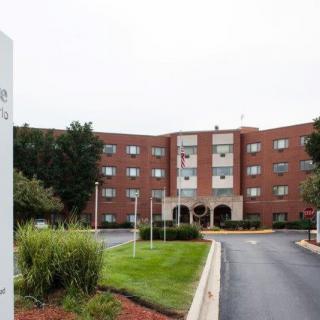
111 East Washington, Bensenville, IL 60106
For more information about senior living options: (866) 208-4318
Overall Review of Bridgeway Senior Living
Pros
 The staff were very nice to residents.
- The therapists were good.
- The nurses were good.
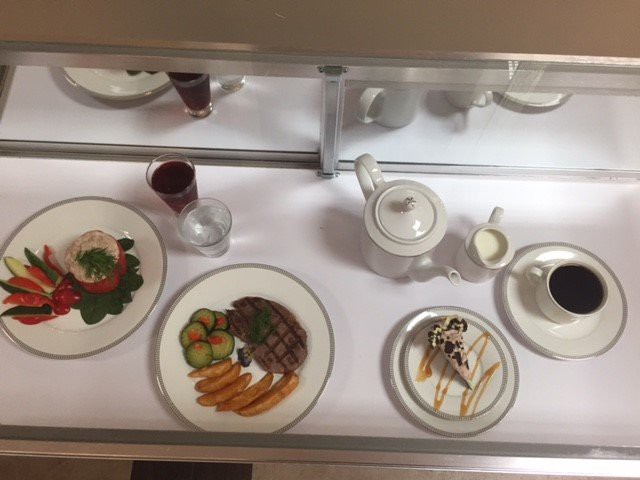
- Residents loved the food.
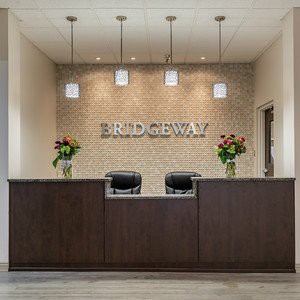
- Anna M. at the front desk is extremely helpful and pleasant.
- The admissions staff provided wonderful support through the process.
- The administration showed kindness and care to residents.
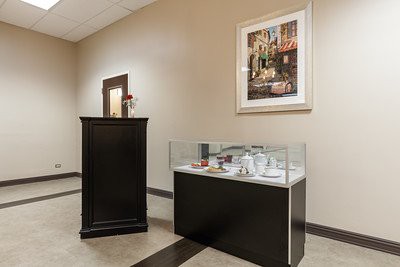
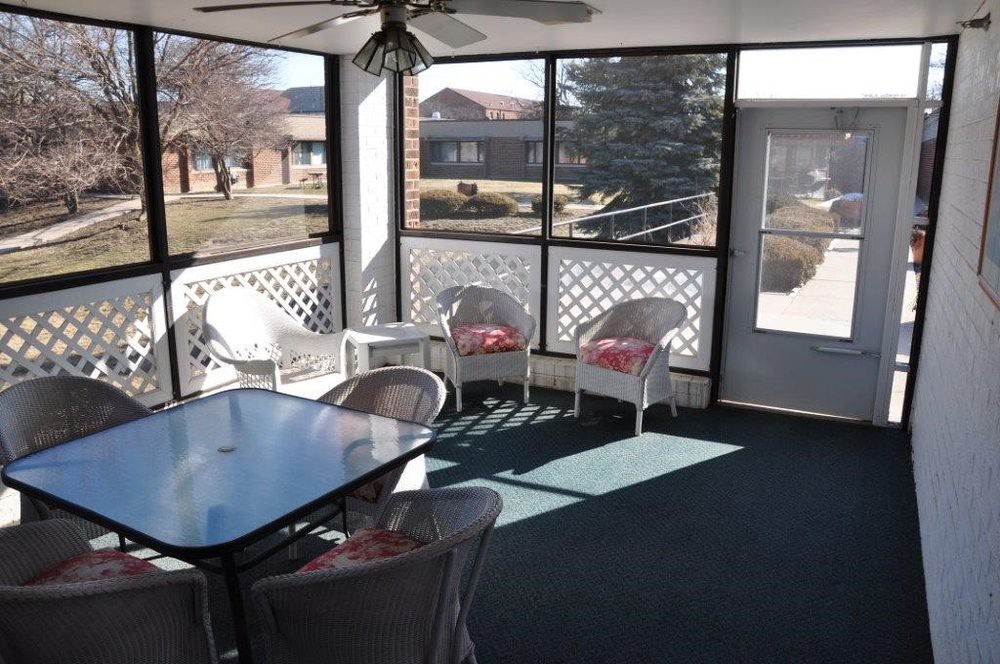
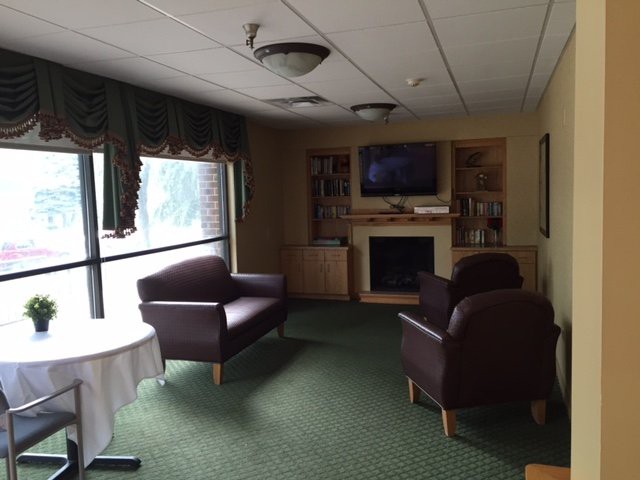
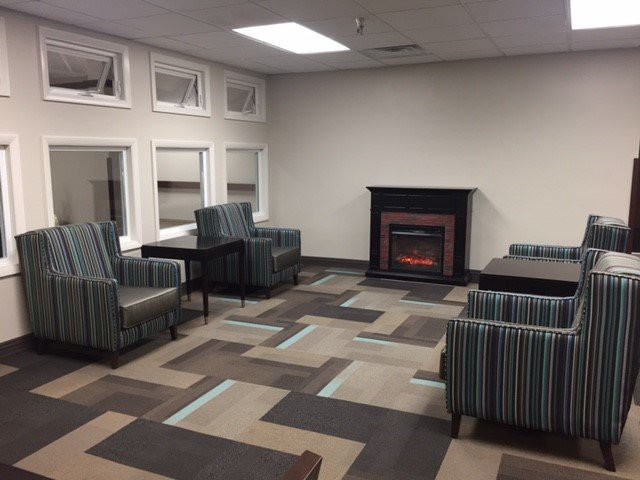
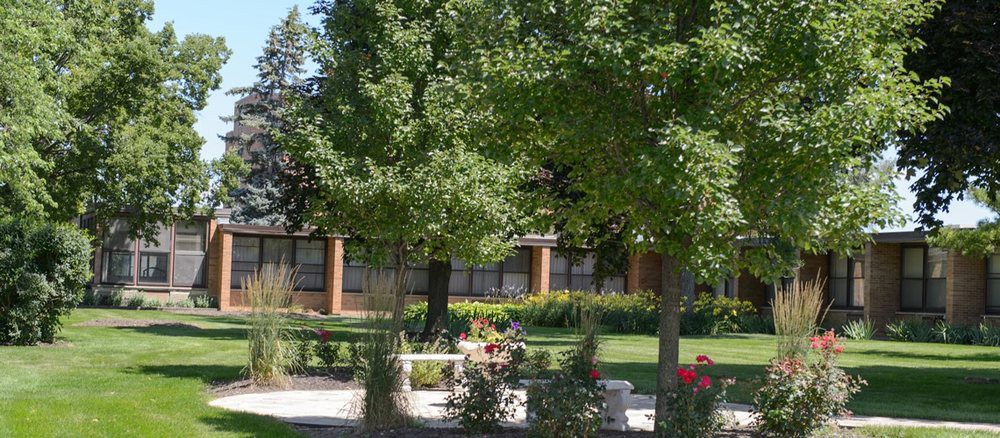
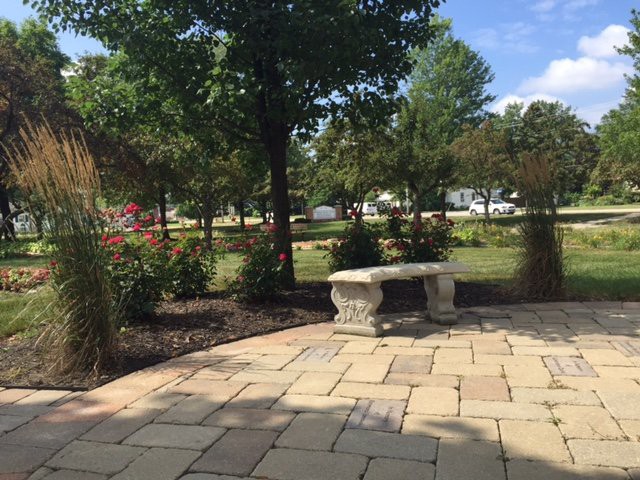
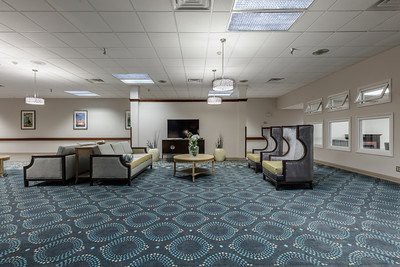
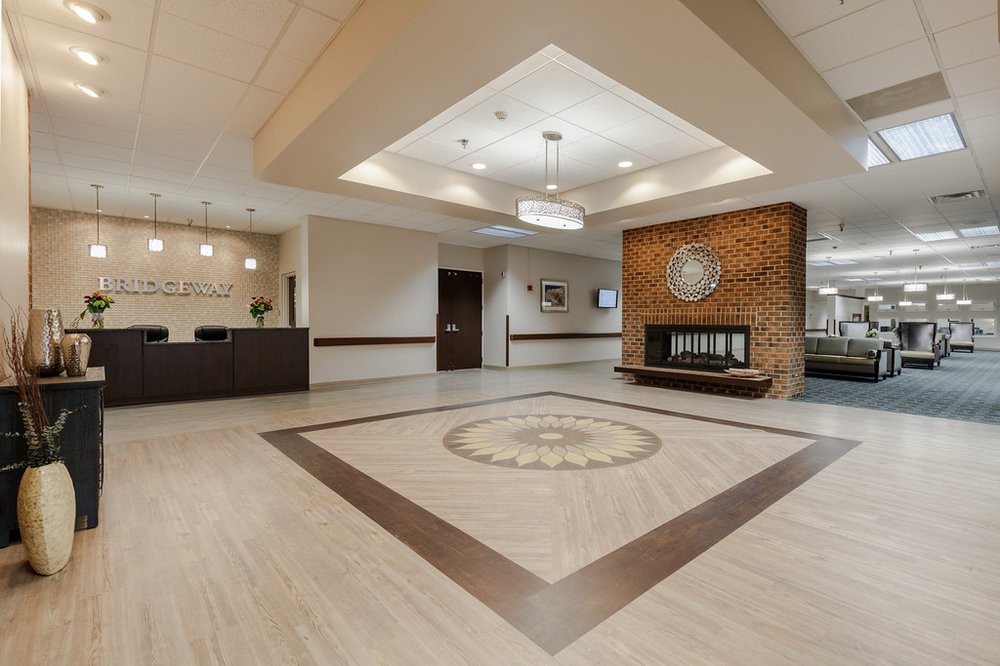
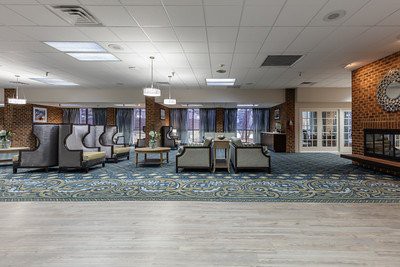
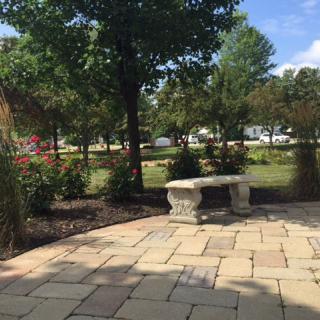
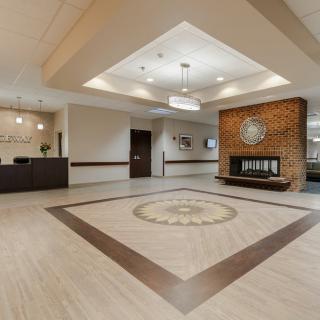
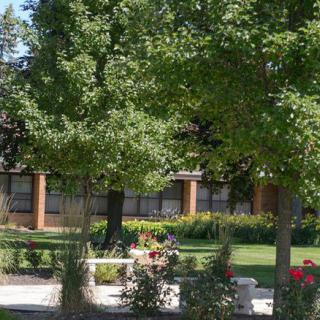
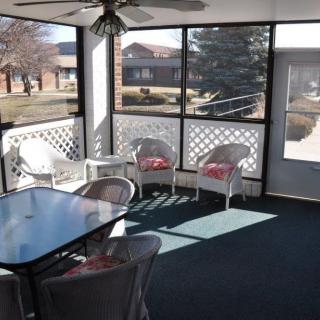
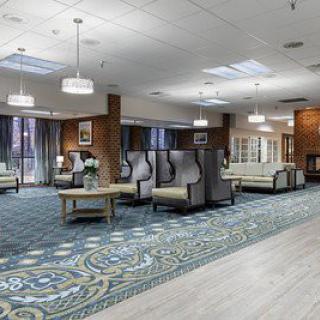
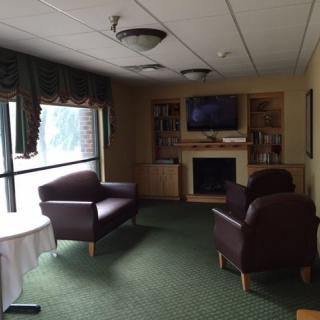
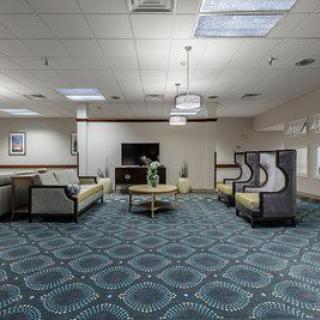
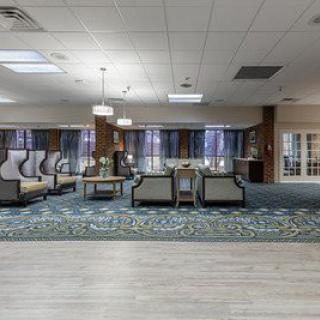
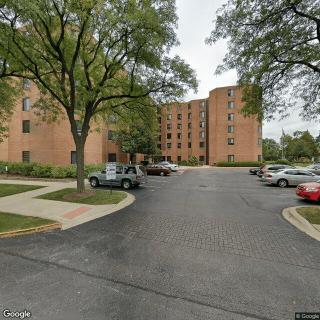
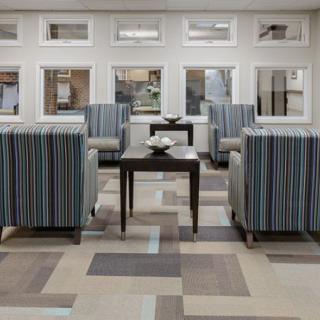
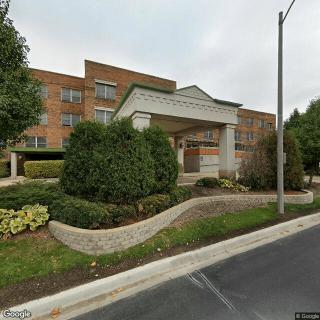
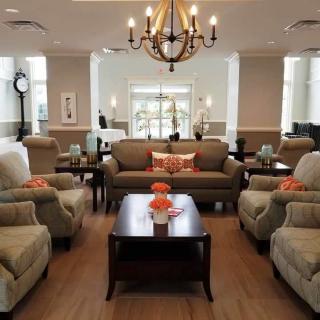
- The facility is clean with beautiful landscaping and sunny common areas.
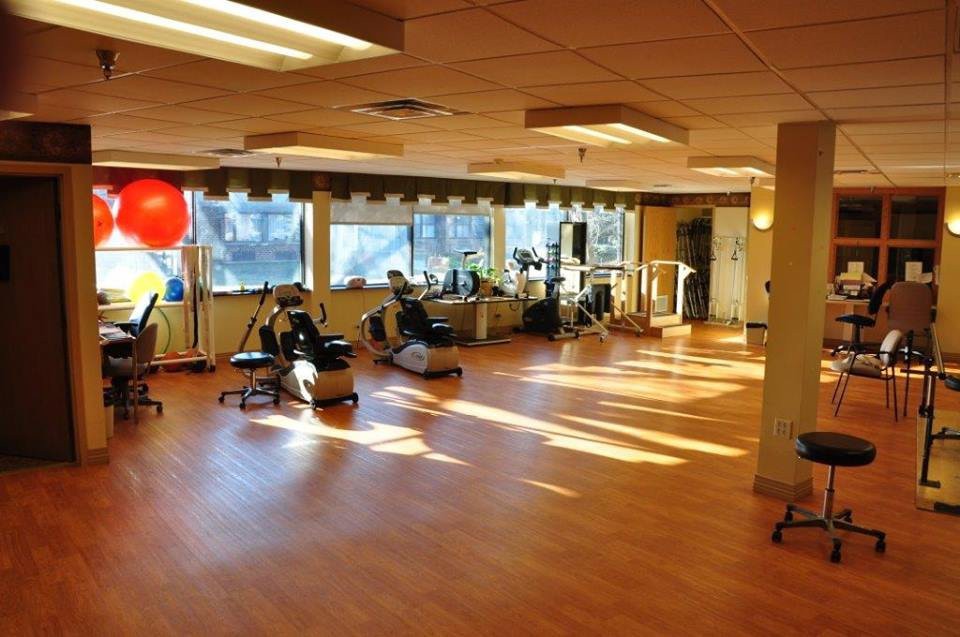
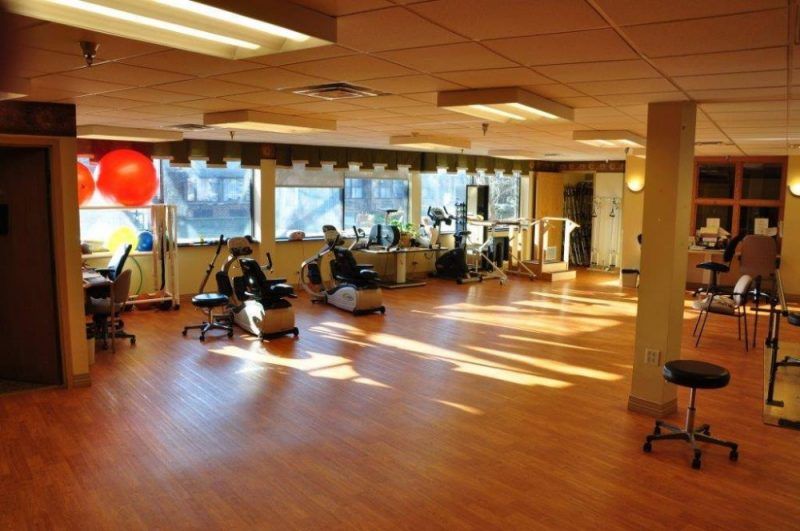
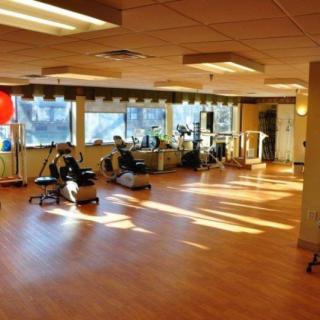
- The rehab program is top-notch and offers meaningful activities.
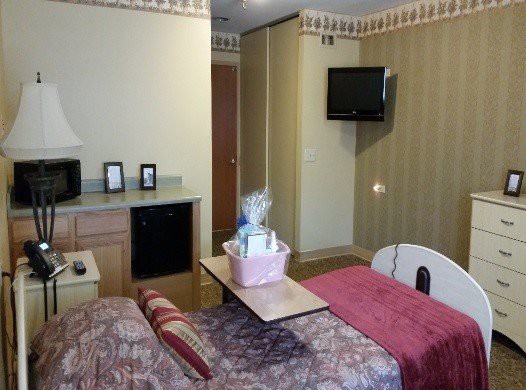
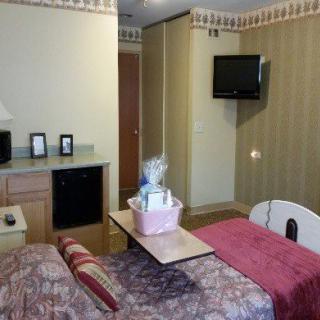
- Private rooms and a well-maintained building make the environment inviting.
Cons
 The facility was severely understaffed and nursing staff/CNAs were negligent.
- The nurse was cold and disengaged, and call lights were rarely answered.
- Residents sat in urine for long periods because staff did not respond promptly.
- A terrible bed sore developed and ultimately contributed to a resident's death.
- Pain management was not available, and medications were not administered in a timely manner.
- The food was utterly nasty, and utensils were dirty.
- Two nurses seemed drunk on the first night.
- Upper management did not take responsibility and failed to follow through on problems.
Review
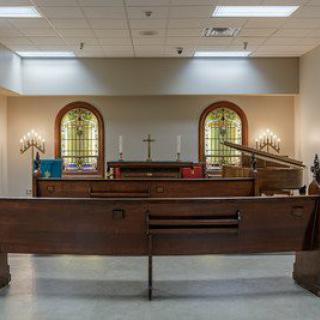
Bridgeway Senior Living in Bensenville is best suited for families pursuing a recovery-focused stay with private accommodations, solid therapy support, and a need for a welcoming, church-oriented environment. The facility earns credibility for rehabilitation, with many residents praising the physical therapy and the kindness of therapy staff and nurses who are involved in restoring function. The building’s atmosphere, clean, well-lit, and decidedly home-like, along with private rooms that accommodate Medicaid residents, makes it a practical option for short-term rehab where family involvement remains part of the plan. For families girding a budget, the Medicaid-friendly room setup is a meaningful plus, and the on-site social calendar, church services, and opportunities for engagement provide meaningful continuity as recovery progresses.
But realists will want to consider alternatives if long-term, round-the-clock supervision and consistently reliable care are non-negotiable. Several reviews tell a troubling tale of chronic understaffing and uneven nursing attention, with call lights left unanswered, rooms not promptly cleaned, and safety issues emerging from delays in basic care. There are accounts of agitation about pain management, episodes of untreated conditions, and even severe neglect in extreme cases. For families who cannot visit frequently, these patterns pose real risk and undermine the trust needed for ongoing custodial care. In short, the risk profile is high enough that other facilities with stronger staffing models should be weighed carefully.
The strongest positives, high-quality rehabilitation when therapy is actively delivered, friendly therapists, and a generally clean, inviting environment, do carry tangible weight for the right resident. For a relatively short rehab stay, these elements translate into real gains and a smoother transition home or to outpatient services. Access to engaging activities, a pleasant outdoor setting, and a supportive social framework further add to life quality during recovery. When therapy is consistently the priority and family oversight is present, Bridgeway’s strengths can meaningfully offset some operational shortcomings.
Staff dynamics present a clear, uneven picture. The admissions and front-desk experiences are repeatedly highlighted as thoughtful and responsive, with Anna M. singled out for courtesy and effective problem-solving. By contrast, nursing assistants and some nurses are described as overwhelmed or inattentive, with affect and responsiveness varying by shift. The therapy department often earns unequivocal praise, suggesting that, where therapy is prioritized, progress is achievable. This contrast underscores the need for active family involvement and diligent follow-up to ensure basic daily care remains reliable and dignified.
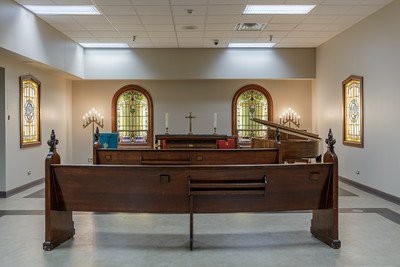
Facility and program elements drive the decision differently depending on priorities. The center’s private rooms, cleanliness, and landscaped grounds create a reassuring baseline, while the Christian ownership and regular worship services can be compelling for families seeking a faith-aligned setting. The social programming, bingo, crafts, sing-alongs, occasional outings, adds meaningful enrichment. Yet reports of odors, inconsistent dining experiences, and weekend staffing gaps temper the overall impression. A thriving rehab program stands out, but the broader care environment is inconsistent enough that careful scrutiny is essential before committing.
Decision guidance: Bridgeway is not a universal solution. It serves well families who can maintain hands-on oversight, prize private accommodations, and need reliable rehab services with a clear path toward functional improvement. Those seeking uninterrupted, high-quality daily care with uniformly excellent nutrition should pursue alternatives. If choosing Bridgeway, prioritize an in-depth, multi-faceted visit: talk with the administrator, observe shift-by-shift staffing, and speak with current residents and families about daily routines. Request specifics on nurse-to-patient ratios, call-light response times, pain and wound management plans, and how care is coordinated between therapy and nursing. If long-term custodial care is the goal, demand solid evidence of consistent staffing and safety outcomes elsewhere; otherwise, Bridgeway remains a viable option with real caveats that must be actively managed.
 226 resident community capacity
 Continuing Care Retirement Community (CCRC)
 Skilled Nursing Facility
 Air-conditioning
 Beautician on-site
 Cable or satellite TV
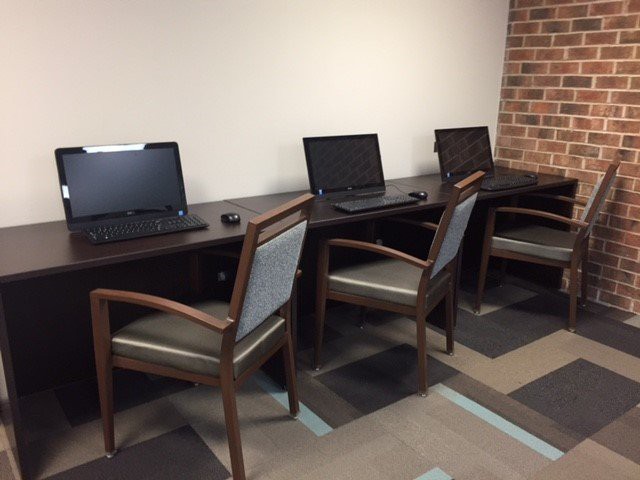
 Computer center
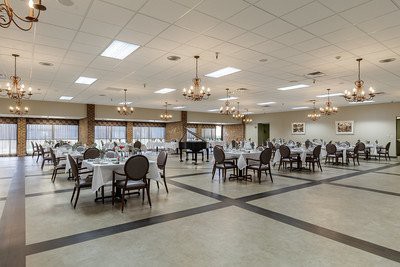
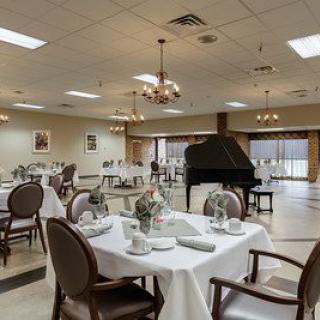
 Dining room
 Financing advice
 Fitness room
 Fully furnished
 Gaming room
 Garden
 Guest parking
 Housekeeping services
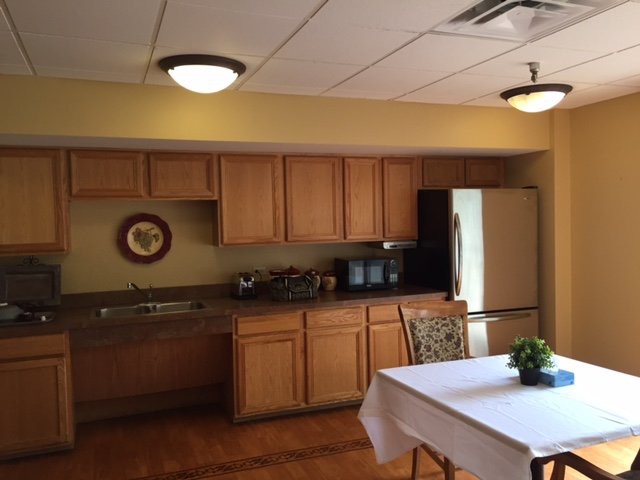
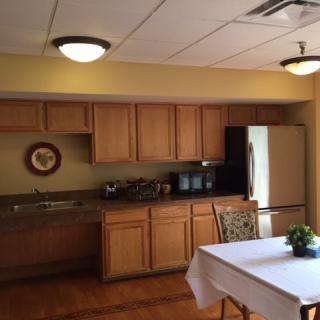
 Kitchenette
 Laundry
 Move-in coordination
 Outdoor space
 Overnight guests
 Party space
 Private bathrooms
 Restaurant-style dining
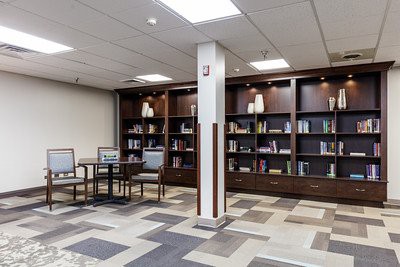
 Small library
 Telephone
 Wellness center
 Wi-Fi/high-speed internet available
 Chicago O'Hare International (3 miles away)
 Community operated transportation
 12-16 hour nursing
 24-hour call system
 Activities of daily living assistance
 Assistance with bathing
 Assistance with dressing
 Assistance with transfers
 Diabetes diet
 Hospice care
 Medication management
 Mental wellness program
 Special dietary restrictions
 Arts and crafts
 Book club
 Concierge services
 Cooking club
 Educational speakers / life long learning
 Games
Games Live musical performances
 Planned day trips
 Religious services
 Wii bowling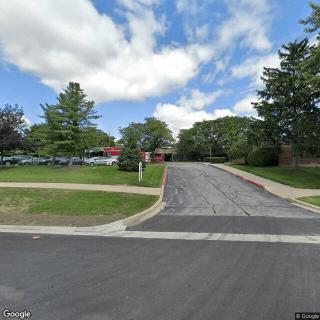


 A Closer Look at Private Pay Home Care
 Comprehensive Approaches for Arthritis: A Detailed Guide to Symptoms, Causes, and Care
 Comprehensive Insights and Practical Strategies to Help Older Adults Avoid Falls