Concord Place

Save

  • Interior

    A cozy bedroom with soft lighting, featuring a comfortable bed, an armchair with an ottoman, and elegant wall decor.
  • Decor

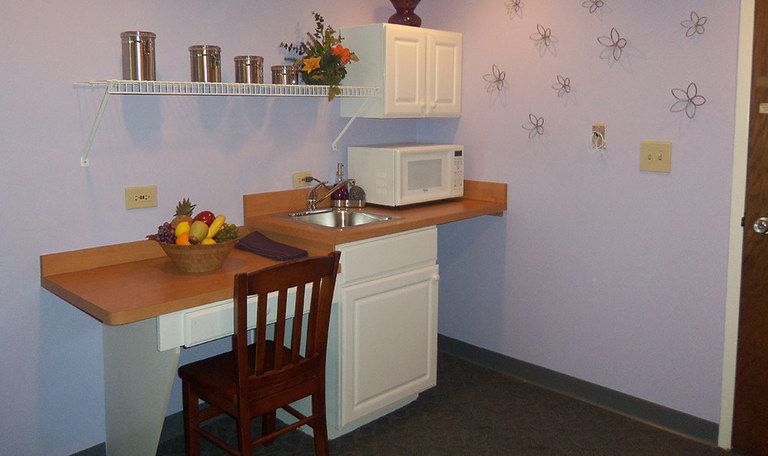
    A small kitchen area with a microwave, sink, and wooden chair.
  • Living Room

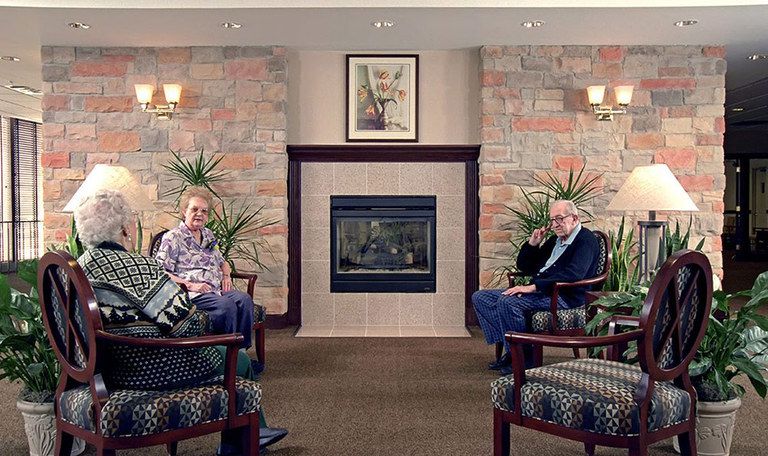
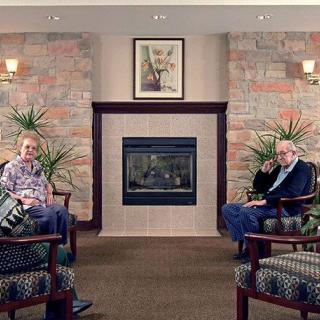
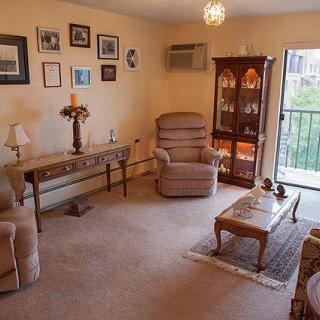
    Two elderly individuals relaxing in a cozy living room with a fireplace.
  • Building

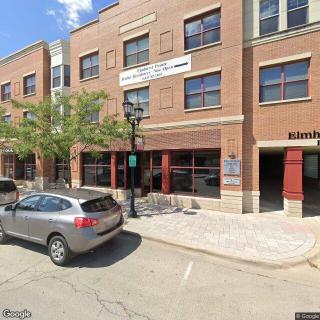
    People transporting items at the entrance of a modern building.
  • Architecture

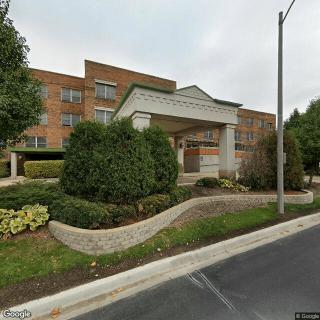
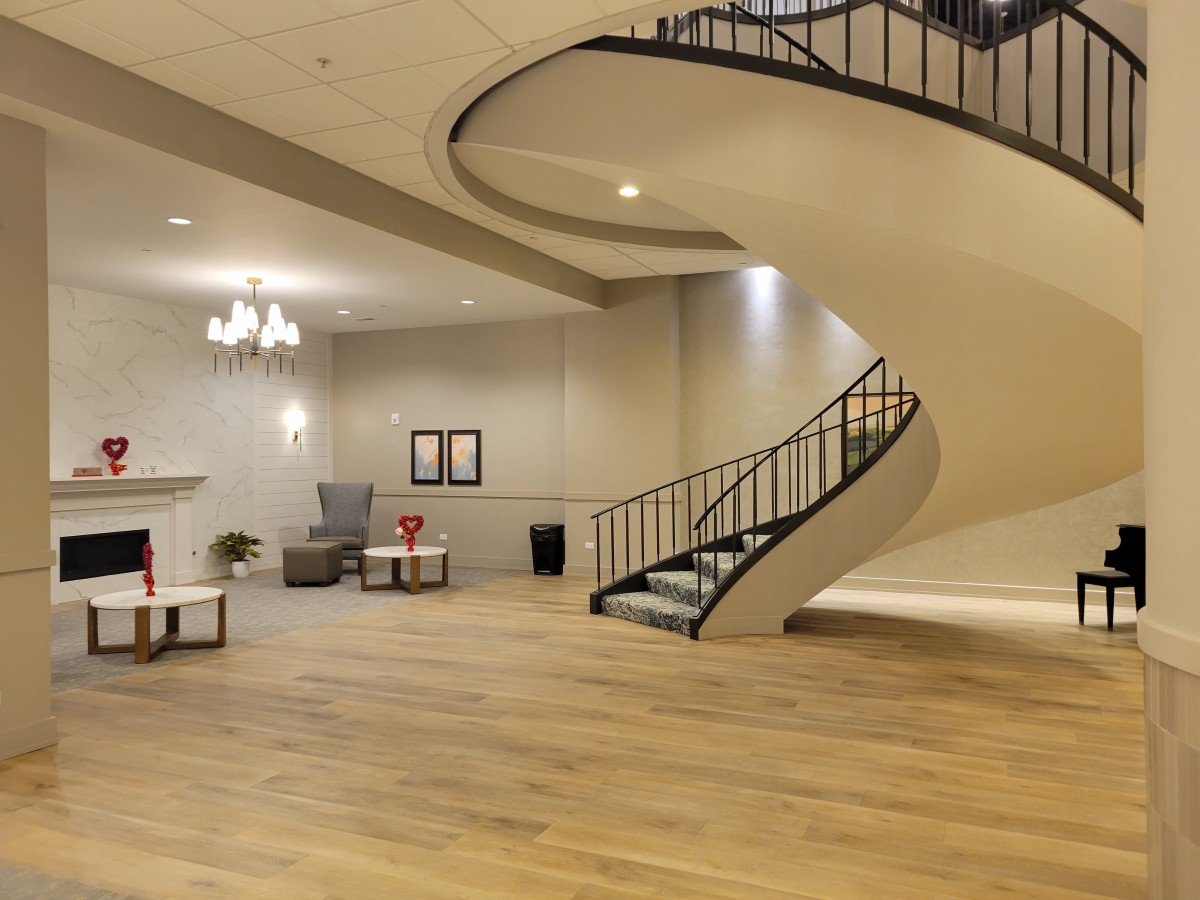
    A modern lobby with a curved staircase and wooden flooring.
  • Windows

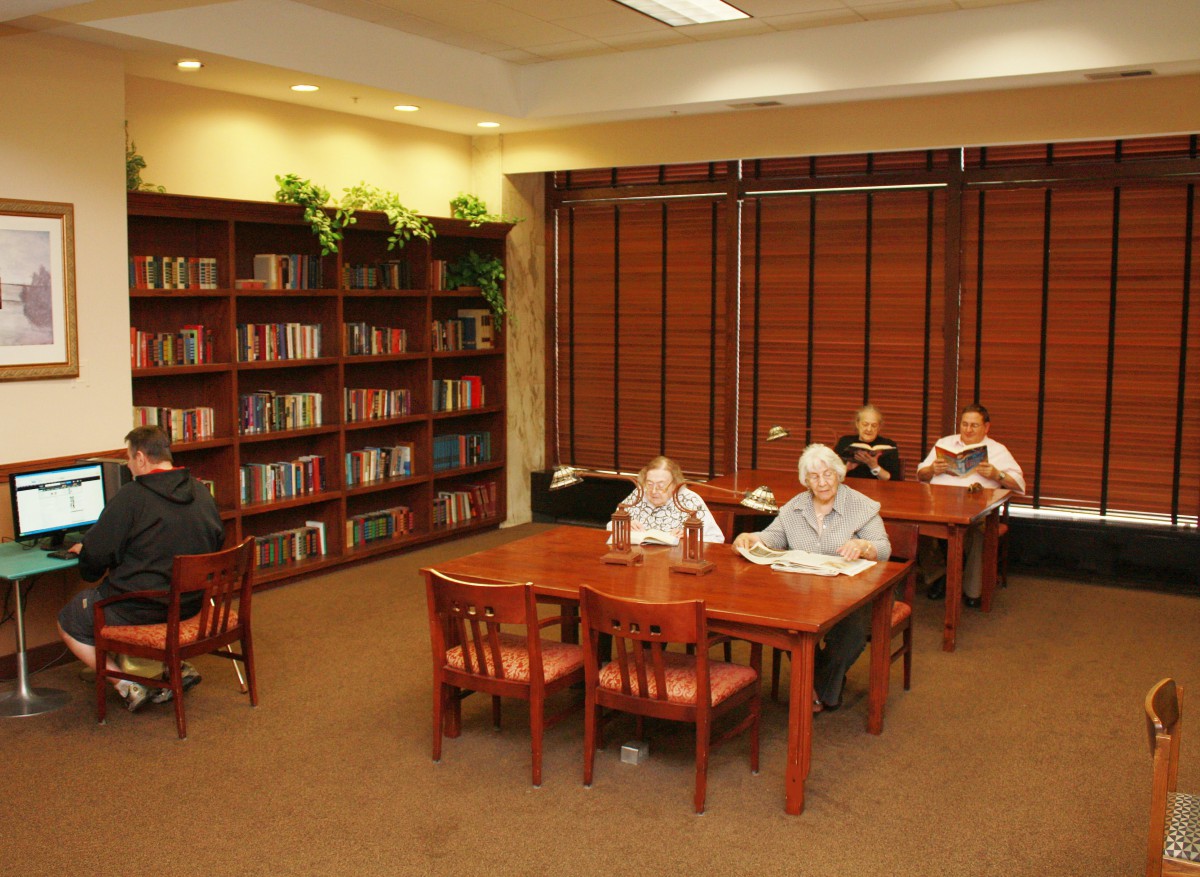
    A cozy library reading area featuring comfortable chairs, bookshelves, and computer stations.
  • Dining

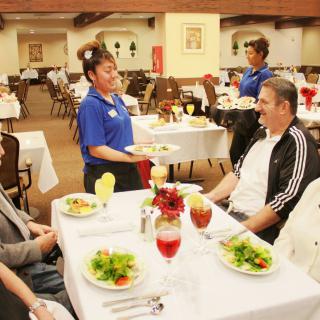
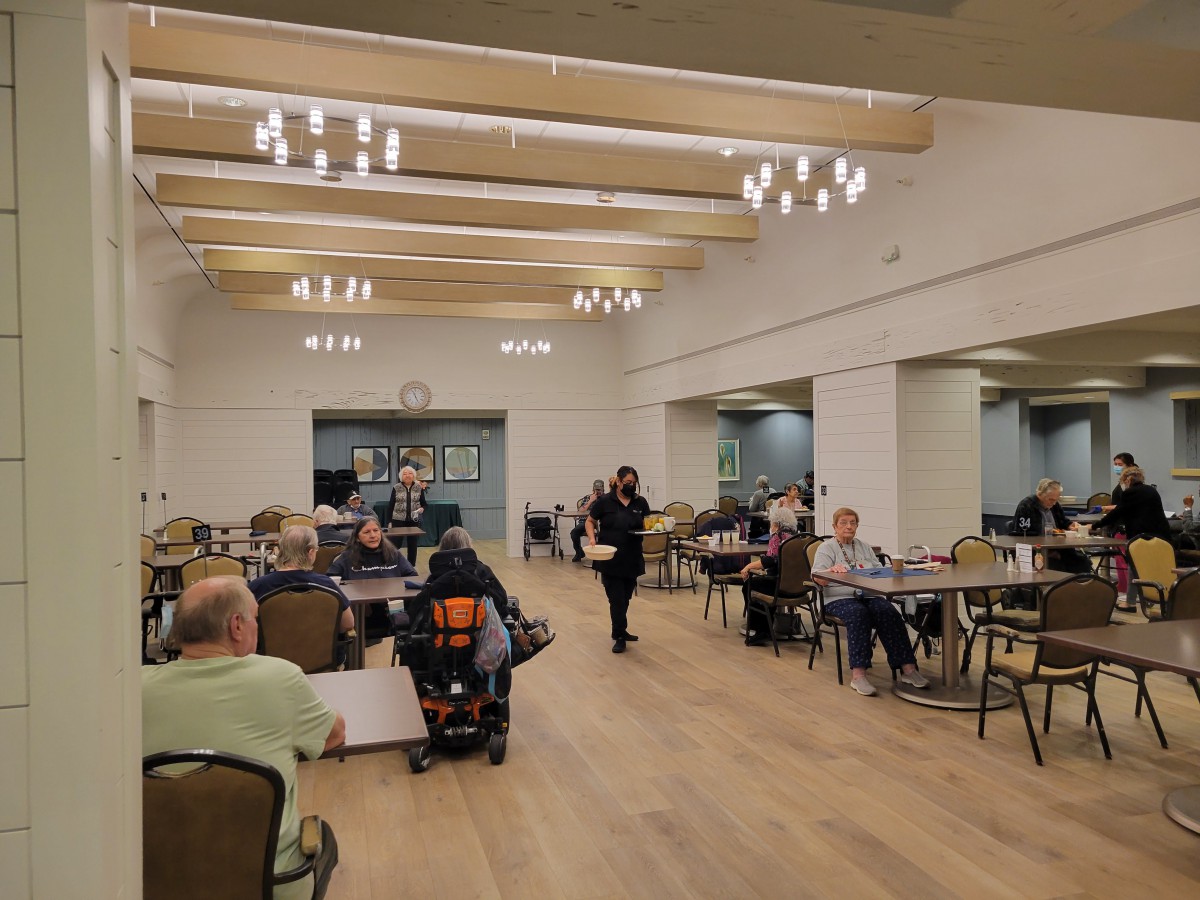
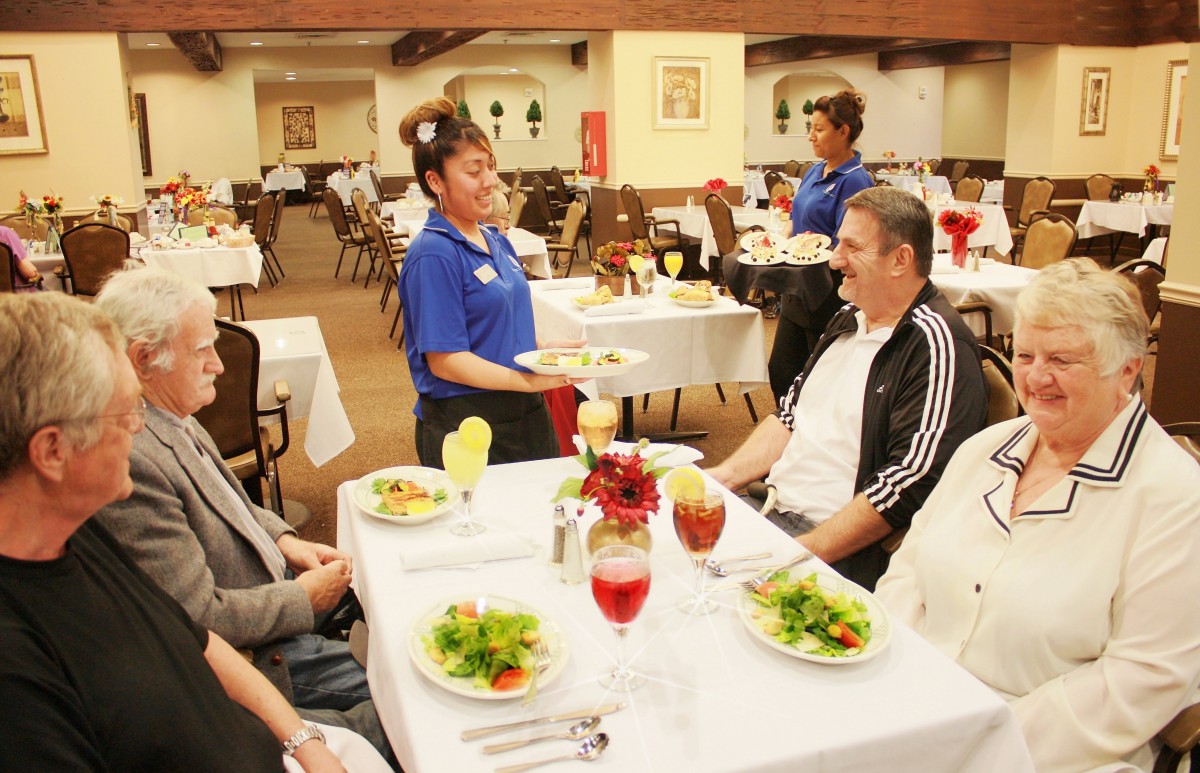
    A waiter serves food to customers at a restaurant.
  • Kitchen

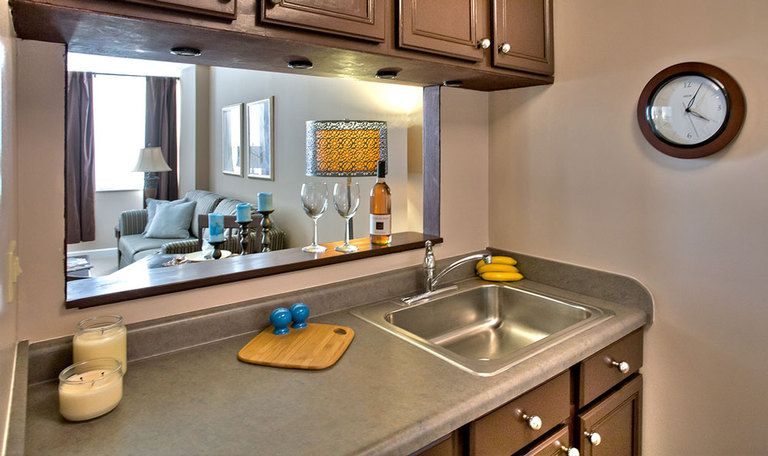
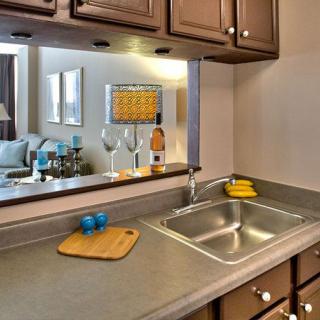
    A cozy kitchen with a sink, cutting board, and decorative items on the countertop.
  • Lighting

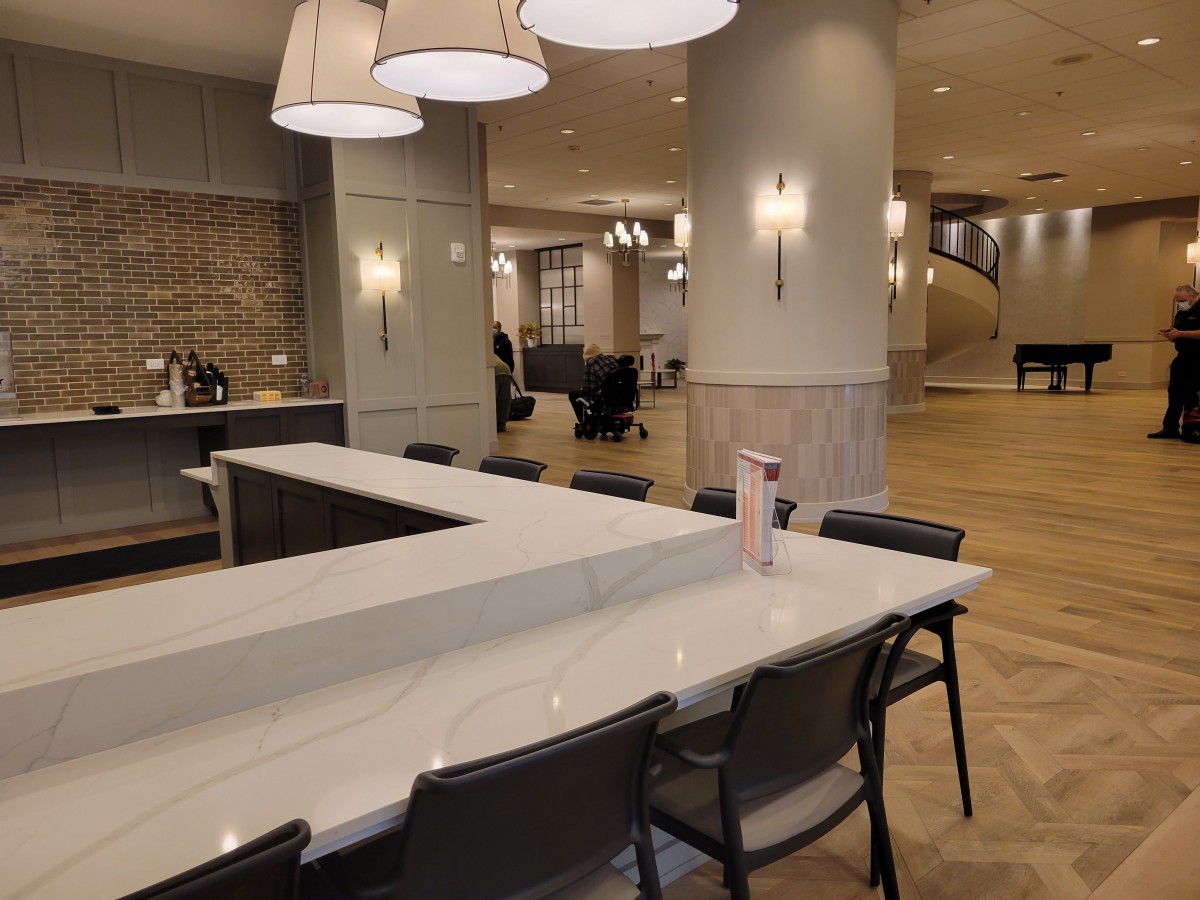
    A modern lobby with comfortable seating and a television.
  • Seating Area

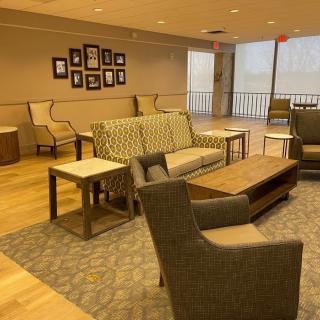
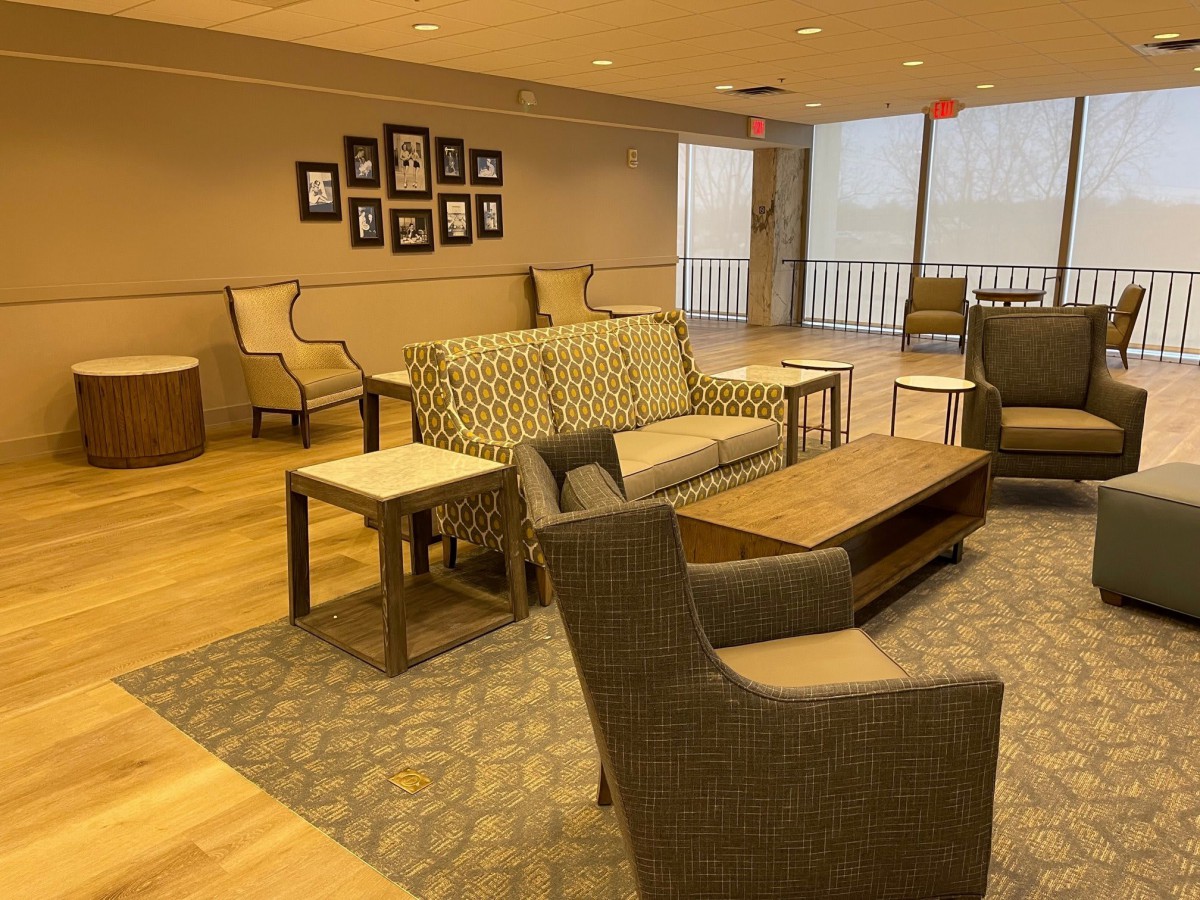
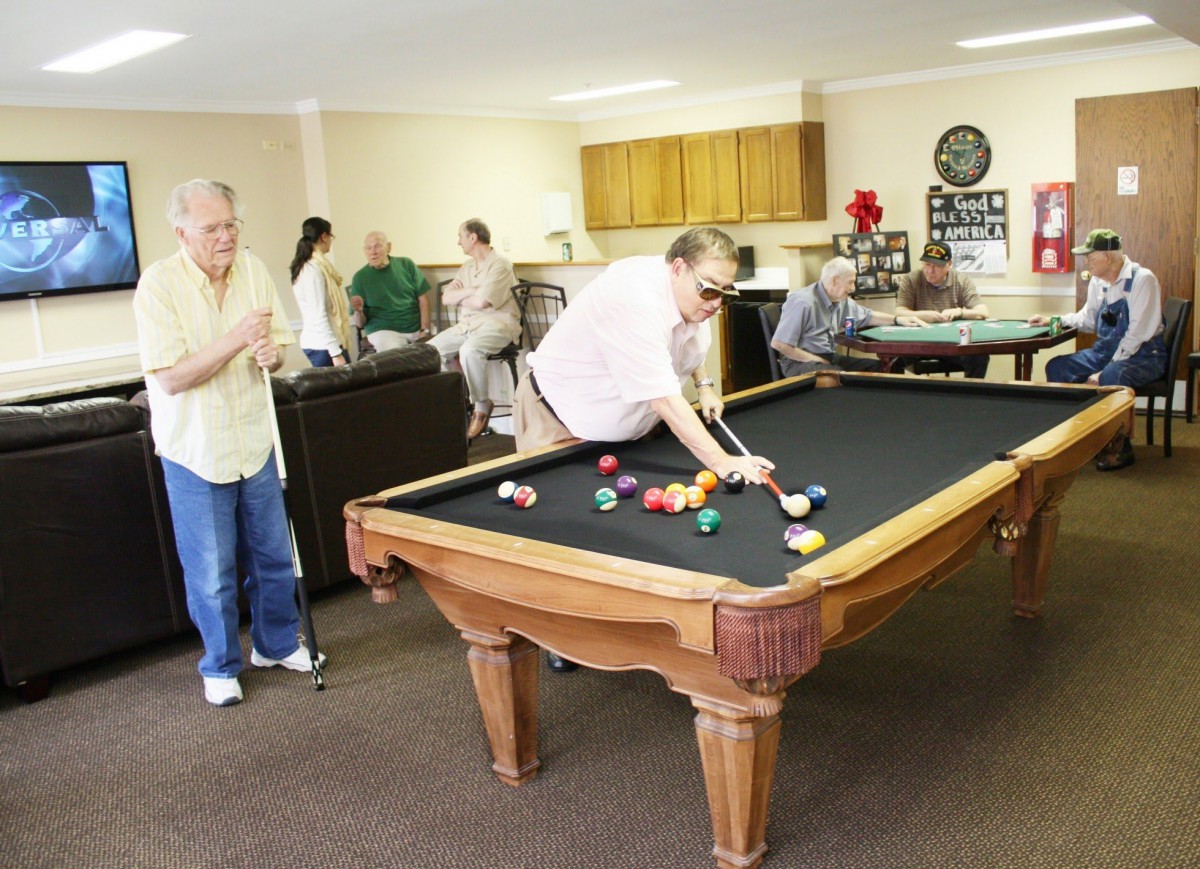
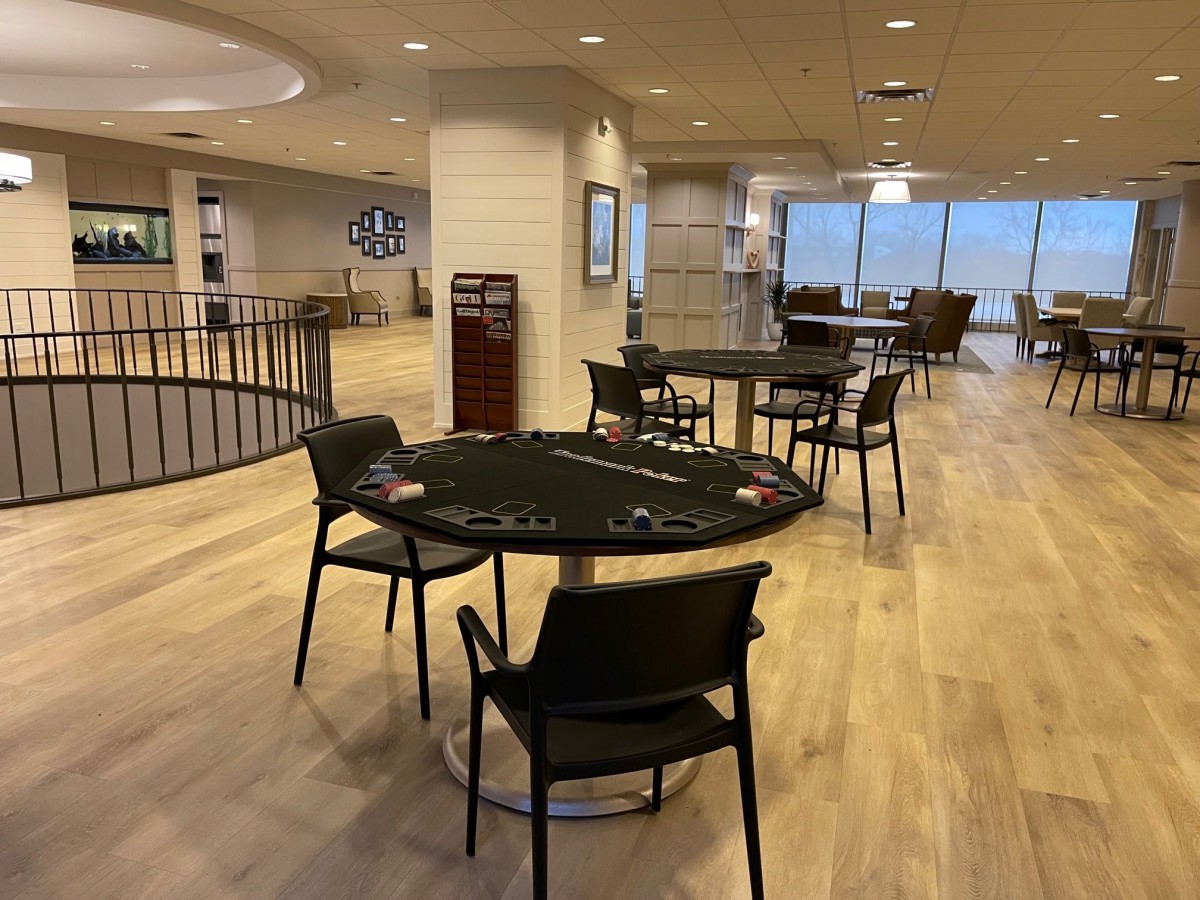
    A cozy lounge area featuring various seating options with sofas, chairs, and tables, accented by wall art and a carpeted floor.
  • Fireplace

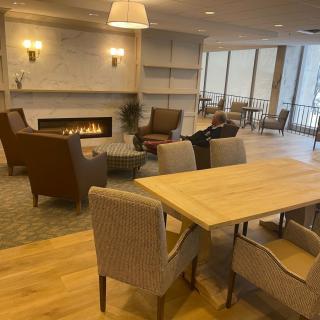
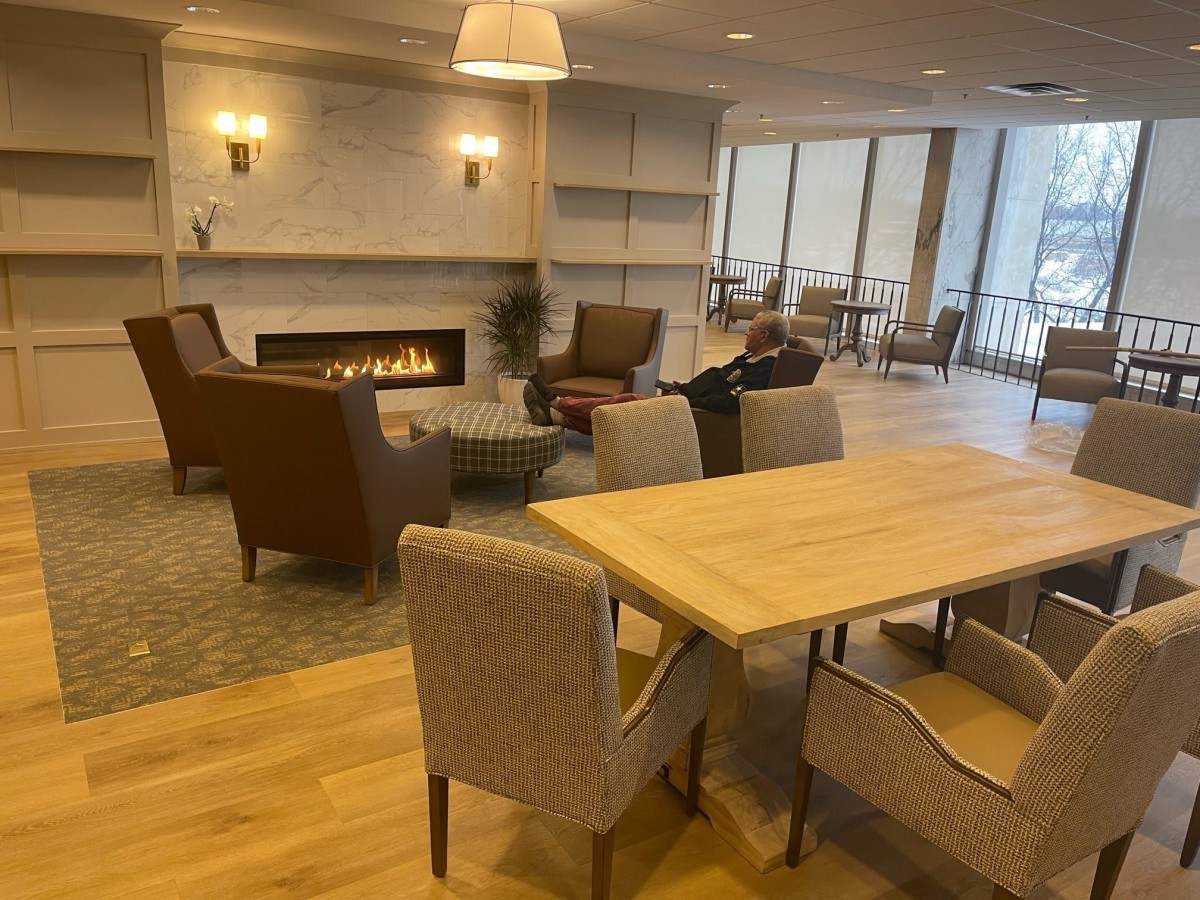
    A cozy living room with modern furnishings, featuring a fireplace and comfortable seating.
  • Chandelier

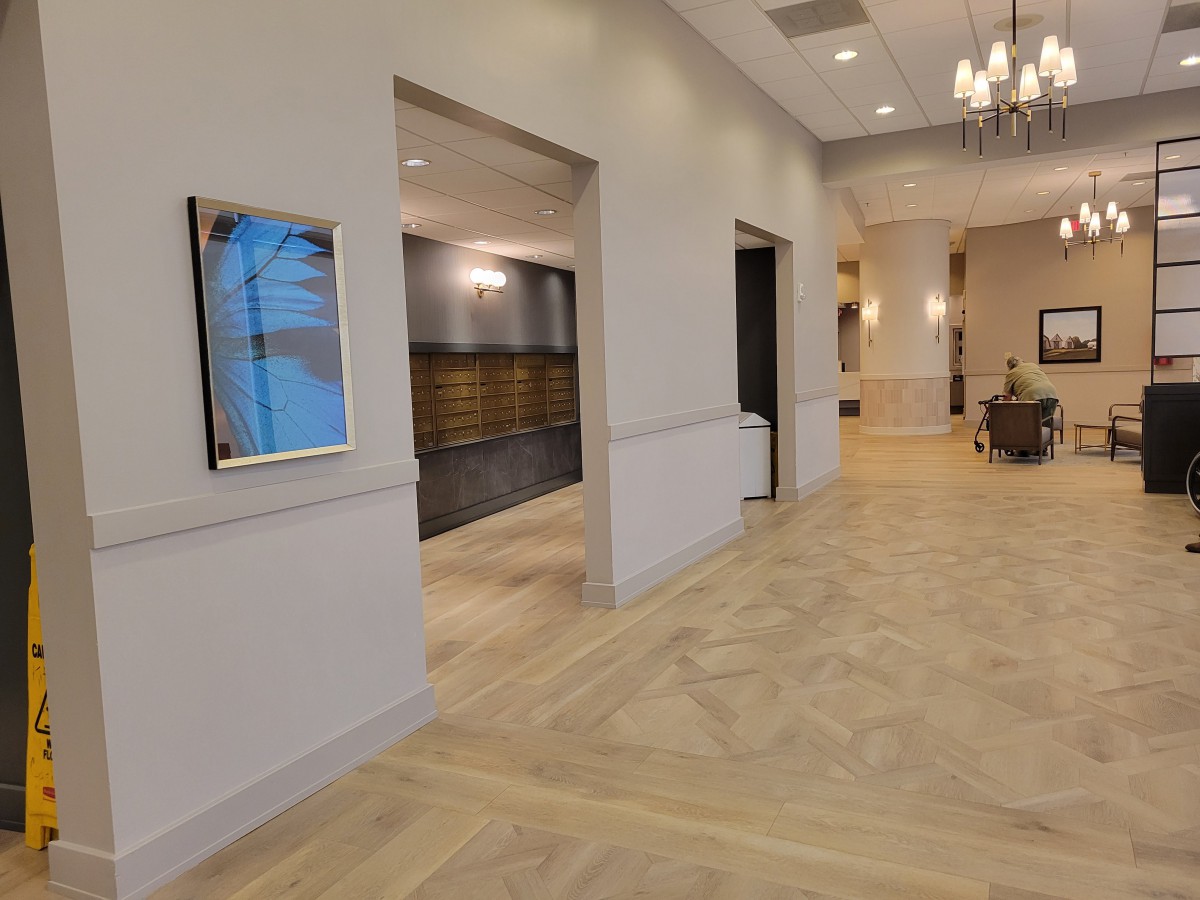
    A modern hallway with wood flooring and elegant chandeliers.
  • Bookshelves

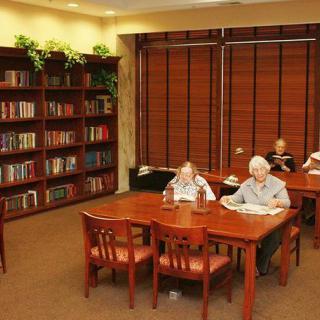
    People reading at tables inside a library.
  • Seating

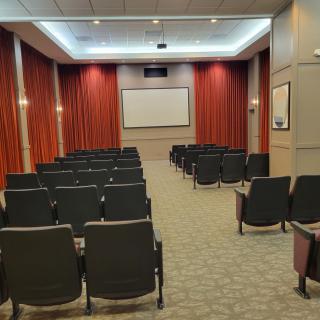
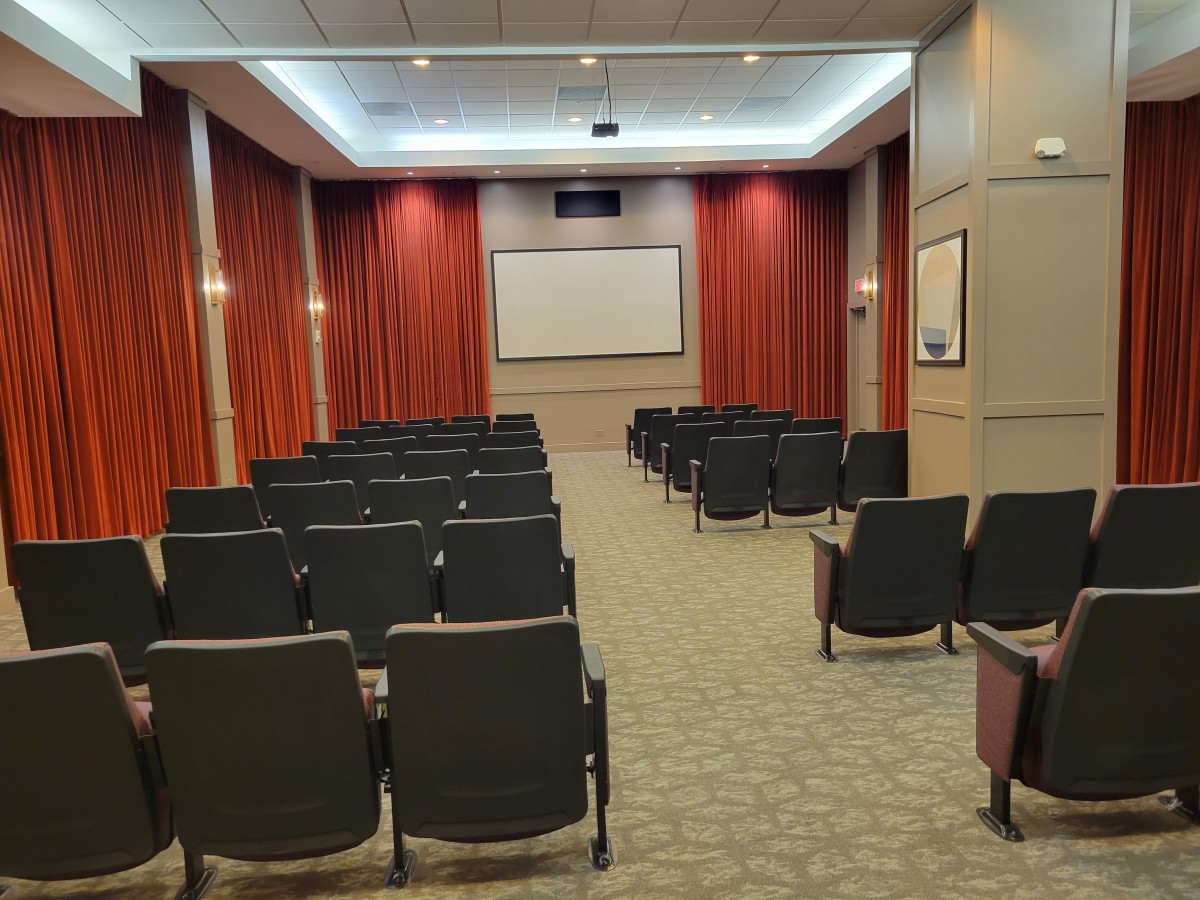
    An empty theater room with arranged seats and a projection screen.

Concord Place

401 West Lake Northlake, Northlake, IL 60164

For more information about senior living options: (844) 490-3973

4 from 183 reviews
5 stars
92
4 stars
46
3 stars
22
2 stars
6
1 stars
17

Assisted Living Independent Living

Concord Place Costs & Pricing

Concord Place offers competitive pricing for its residential options, especially when compared to the broader rates in Cook County and the state of Illinois. For instance, a studio at Concord Place is priced at $1,500 per month, significantly lower than the county's average of $3,762 and the state's average of $4,028. In terms of one-bedroom apartments, residents can enjoy a rate of $2,400 at Concord Place, which again is more affordable than Cook County's $3,256 and Illinois's $3,527 averages. The two-bedroom option at Concord Place is available for $2,950 per month; while this is higher than the state average of $4,208, it remains notably less than Cook County's average rate of $4,412. Overall, Concord Place presents an attractive and budget-friendly alternative within the context of local housing costs.

Floor plansConcord PlaceCook CountyIllinois
Studio$1,500$3,762$4,028
1 Bedroom$2,400$3,256$3,527
2 Bedrooms$2,950$4,412$4,208

Overall Review of Concord Place

Pros

  • pro The staff are kind and professional.
  • pro They ensure residents arrive on time for their destinations and errands.
  • pro The staff make transitions, including Medicaid transitions, easy for families and residents.
  • pro The facility feels safe for residents.
  • pro Concord Place offers a lively, vibrant atmosphere with many activities.
  • pro The medical care staff are attentive and provide individualized attention.
  • pro The catering and cleaning staff are attentive, with a healthy, balanced menu and high cleaning standards.
  • pro On-site amenities such as a pool, movie theater, and piano in the great room enhance the experience.

Cons

  • pro The facility had roaches and mice in the building the day a resident moved in, with a roach appearing in the shower.
  • pro The rooms are very small for the $2,000-per-month price.
  • pro Laundry and shower assistance are pricey.
  • pro They feel that these facilities simply take people's money.
  • pro In the first week, a nurse was stealing the resident's pills, and another staff member yelled at her.
  • pro The reviewer feels Concord is to blame for losing their loved one and for the lack of communication.
  • pro They warn others not to place a loved one there.

Review

Concord Place and its related centers present a mixed portrait of the assisted living experience, offering a broad spectrum of services and activities that can be very appealing to many families. Reviewers note a robust menu of opportunities: field trips, a variety of special interest clubs, and a steady schedule of religious services that keep residents engaged and connected. The dining program is described as generous in quantity, with many meals seeming to satisfy appetite, though a common thread across several accounts is that the quality of the food can dip when the volume gets high. In other words, there is a sense of abundance, but not every diner leaves fully impressed with every dish. In addition, the facility is described as lively and active, with a setting that supports a bustling common area life and social interaction.

On the downside, several reviews highlight serious concerns that demand attention. One of the most troubling is the presence of pests, including roaches and mice, which began on move-in day and have left some families frustrated and worried about safety and cleanliness. There are also criticisms about the size of rooms relative to the prices charged - claims that two thousand dollars a month is not commensurate with the space offered. The cost of ancillary services, such as in-room laundry or assistance with showers, is described as pricey, prompting a broader grievance that elderly residents are bearing a heavy financial burden. These points lead some reviewers to feel discouraged about affordability and value, especially when juxtaposed with the desire for a comfortable, dignified living environment.

Despite these concerns, there are strong positives related to logistics and care coordination. Several reviews praise the staff for their kindness, professionalism, and reliability. Transport and pick-up services are consistently described as dependable, with staff ensuring residents reach appointments, errands, and other activities on time. The staff are also credited with making transitions smoother for family members - most notably helping a relative move into Medicaid pathways when the time is right. The willingness of Concord Place staff to guide families through Medicaid transition processes is repeatedly singled out as a major supportive feature, giving some families a practical route through the complex terrain of elder care funding.

There is also a nuanced view on how attention is distributed among residents. Some reviewers feel the community is very attentive to those in assisted living and make a point of noting that staff are mindful of participation levels in activities without feeling overbearing. Others suggest that while the focus is strong on assisted living residents, independent living residents could receive more attention. This balance - between encouraging engagement and respecting personal choice - appears as a recurring theme, with some residents thriving in the social atmosphere and others desiring a touch more individualized outreach.

There are heartfelt testimonials that describe Concord Place as a safe, welcoming environment with a lot to offer. Several accounts celebrate the facility as a high-quality place with friendly, well-trained staff and a warm, hospitable atmosphere. Phrases like "five-star" and "hotel-like" are used to convey a sense of comfort, dignity, and attentiveness. The medical care staff are praised for professional, attentive service, and the catering team is said to pamper residents while offering a healthy and balanced menu. The sensory amenities - pianos in the great room, cozy mezzanine living areas with fireplaces, and a clean, inviting interior - contribute to a perception of quality and care that many families find reassuring and compelling.

Yet there are equally strong cautionary notes. A particularly painful account centers on a family crisis in which promises were not kept and a stepfather's transition and subsequent decline led to intense emotional strain. The reviewer describes a breakdown in communication, perceived neglect, and a painful sense that the facility may have allowed dangerous family dynamics to complicate care. Allegations about financial exploitation by other family members and a sense that the elder did not receive timely support or advocacy from the facility create a stark contrast to the otherwise positive experiences reported elsewhere. This narrative casts a shadow over the overall impression, emphasizing that what works well for some residents may not for others depending on family involvement, communication, and crisis management.

In the more routine daily life narrative, reviewers return to themes of warmth, activity, and community. There are memories of friendly residents, tips from staff, and a generally lively, engaging environment that is described as well-managed and supportive. There is emphasis on open communication and documentation, with calls for ongoing follow-ups and regular wellness checks to ensure every resident's needs are being monitored. Not all experiences are flawless - there are mentions of isolated lapses, such as reports of a nurse taking pills within a first-week period and other instances of missteps - but these are balanced by reflections on the overall vitality of the community and the dedication of many staff members.

Looking at the broader picture, several reviewers frame Concord Place as a solution that successfully balances affordability with a reasonable standard of care, especially when compared to other options that hinge more heavily on Medicaid or private pay models. The campus design - large, multi-floor towers that help spread fixed costs and support a more robust staff presence - helps keep costs down while maintaining service levels. Several reviewers appreciate the transitional pathway from private pay to Medicaid, including the ability to stay within the same campus as care needs evolve. The trade-off, however, is clear: for more intensive, two-person assist needs or higher levels of skilled nursing, reviewers suggest looking beyond Concord to facilities that specialize in more intensive care.

For families weighing Concord Place, the message is clear but nuanced. The community offers a rich array of activities, dependable transportation, a bright and active social environment, and a staff that often goes above and beyond to support residents and their families. At the same time, it is a setting where cost, pest issues, and certain care gaps can create significant stress. The best fit appears to depend on the resident's level of independence, the family's ability to stay engaged in care decisions, and the willingness to navigate Medicaid pathways and potential floor transfers. In short, Concord Place stands out as a vibrant, value-driven option for many seniors, particularly those who thrive in an active, community-focused setting and who do not require the highest level of medical or personal-care support. For some, it is a place that feels like home; for others, it serves as a reminder that even well-regarded facilities must continuously address pest control, transparency, and the high-stakes reality of elder care.

Features

Housing

  • 6 resident community capacity 6 resident community capacity

Types of Care

  • Assisted Living Assisted LivingAssisted living facilities provide crucial support and care for seniors who may need help with daily tasks such as medication management, bathing, and meal preparation. These communities offer a safe and comfortable environment where seniors can maintain their independence while receiving the assistance they need to thrive in their golden years.
  • Independent Living Independent LivingIndependent living communities are important for seniors because they offer a safe and supportive environment where older adults can live independently while still having access to amenities and services that enhance their quality of life. These communities provide social opportunities, recreational activities, and assistance with daily tasks, promoting overall well-being and allowing seniors to maintain their independence for as long as possible.

Pets

  • Cats allowed Cats allowed"Pet friendly" senior living communities are important for seniors because pets provide companionship, reduce feelings of loneliness and depression, promote physical activity and mental stimulation, and offer a sense of purpose and responsibility. Pets can improve overall well-being and quality of life for seniors in many ways.

Amenities

  • Activities off-site Activities off-siteEngaging in off-site activities is crucial for seniors to maintain social connections, stay active, and stimulate their minds. It promotes overall well-being and helps combat feelings of isolation and loneliness.
  • Activities on-site Activities on-siteActivities on-site are important for seniors because they provide opportunities for socialization, mental stimulation, physical activity, and overall well-being. Engaging in activities can help seniors stay active, maintain their independence, and improve their quality of life.
  • Air-conditioning Air-conditioningAir conditioning is important for seniors as they are more vulnerable to heat-related illnesses and may have underlying health conditions that make it difficult for them to regulate their body temperature. It helps to keep them comfortable, safe, and healthy in hot weather.
  • Bath tubs Bath tubsBath tubs are important for seniors because they provide a safe and relaxing way to bathe, helping to prevent slips and falls while promoting independence and overall well-being.
  • Beautician on-site Beautician on-siteHaving a beautician on-site at a senior living community is important for seniors as it allows them to easily access grooming and personal care services, boosting their self-esteem and overall well-being. It also provides convenience and helps seniors maintain their sense of independence and personal style.
  • Cable or satellite TV Cable or satellite TVCable or satellite TV is important for seniors because it provides entertainment, news, and companionship, helping to combat loneliness and boredom. It also offers a wide range of programming options tailored to different interests and preferences.
  • Devotional services off-site Devotional services off-siteDevotional services off-site are important for seniors as they provide spiritual nourishment, social engagement, and a sense of community outside of the senior living facility. This can enhance overall well-being and help combat feelings of isolation and loneliness often experienced by older adults.
  • Devotional services on-site Devotional services on-siteDevotional services on-site provide seniors with spiritual support and a sense of community, as well as an opportunity for reflection and guidance during their senior living experience. This can promote emotional well-being and connection to others, leading to a more fulfilling and enriching lifestyle in their later years.
  • Dining room Dining roomDining rooms are important for seniors as they provide a space for socialization, connection, and nutritious meals. They offer opportunities for residents to bond over shared meals, foster a sense of community, and promote healthy eating habits. Dining rooms also ensure that seniors have access to well-balanced meals tailored to their dietary needs and preferences.
  • Full kitchen Full kitchenHaving a full kitchen in a senior living facility is important for seniors because it allows them to maintain their independence and prepare their own meals. This promotes healthy eating habits, saves money on dining out, and provides a sense of familiarity and comfort for residents.
  • Fully furnished Fully furnishedFully furnished senior living communities are important for seniors because they provide convenience, comfort, and a hassle-free moving experience. Seniors can easily settle into their new living space without the stress of having to buy and move furniture. This allows them to focus on enjoying their new home and community.
  • Garden GardenGardens are important for seniors as they provide a peaceful and therapeutic environment for relaxation, physical activity, and socialization. Being in nature has been shown to reduce stress, improve mood, and promote overall well-being. Gardens also offer opportunities for seniors to engage in gardening activities, which can improve mobility, flexibility, and cognitive function. Additionally, gardens create a sense of community and connection with others who share a passion for plants and outdoor spaces.
  • Handicap accessible Handicap accessible"Handicap accessible" amenities are crucial for seniors to ensure they can easily navigate and access facilities, services, and activities without barriers or limitations due to physical impairments. This promotes independence, safety, and inclusivity for seniors in senior living communities.
  • Housekeeping services Housekeeping servicesHousekeeping services are important for seniors because they help maintain a clean and safe living environment, promote independence, and reduce the risk of accidents or illnesses. Additionally, having assistance with household chores can alleviate physical strain and allow seniors to focus on other aspects of their well-being.
  • Indoor common areas Indoor common areasIndoor common areas are crucial for seniors as they provide a space for socialization, recreation, and community engagement, promoting overall well-being and reducing feelings of isolation and loneliness.
  • Kitchenette KitchenetteKitchenettes are important for seniors living in senior living communities because they provide the convenience and independence of being able to prepare simple meals and snacks in the comfort of their own living space. This can help promote a sense of autonomy and well-being for seniors, allowing them to maintain some level of control over their dietary choices and daily routines.
  • Move-in coordination Move-in coordinationMove-in coordination is important for seniors because it helps ease the transition into their new living environment. It ensures that all logistics, such as packing, organizing movers, and setting up utilities are taken care of, allowing seniors to focus on settling in and adjusting to their new home. Having a smooth move-in process can alleviate stress and anxiety, making the transition smoother and more enjoyable for seniors.
  • Outdoor common areas Outdoor common areasOutdoor common areas are important for seniors as they provide a space for socialization, physical activity, and relaxation. Being outside in nature can improve mood and overall well-being, while also encouraging movement and engagement with others. These spaces can help combat feelings of isolation and promote a sense of community among residents.
  • Outdoor space Outdoor spaceOutdoor spaces are important for seniors as they provide opportunities for physical activity, social interaction, exposure to natural light and fresh air, and a sense of connection to nature. Having access to outdoor spaces can improve overall well-being and quality of life for older adults living in senior communities.
  • Respite or short term stays offered Respite or short term stays offeredRespite or short term stays provide seniors with a temporary solution when their regular caregiver is unavailable, offering them the opportunity to receive additional care and support during times of need, while also giving caregivers a chance to rest and recharge.
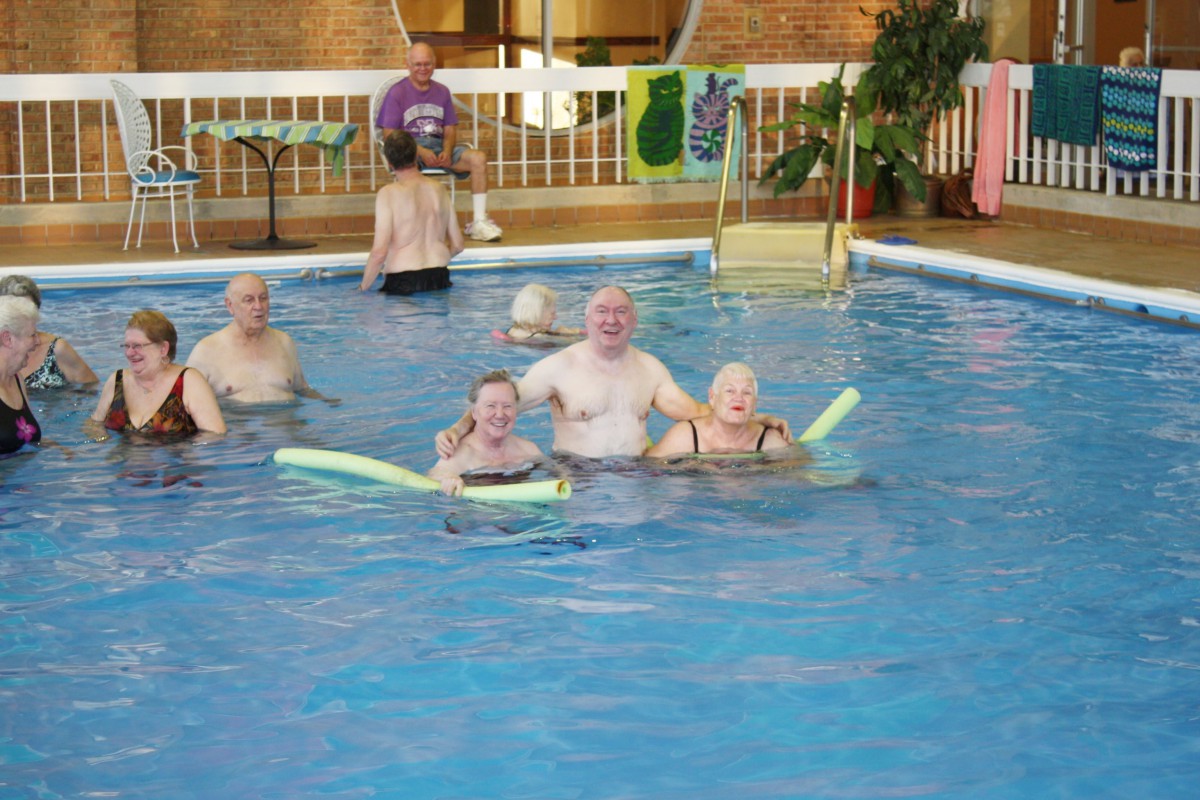
  • Swimming pool / hot tub Swimming pool / hot tubSwimming pools and hot tubs are important for seniors as they provide a safe and enjoyable way to stay active, improve mobility, reduce joint pain, and promote relaxation. Regular use of these amenities can contribute to overall well-being and quality of life for older adults living in senior communities.
  • Telephone TelephoneTelephones are important for seniors as they provide a lifeline for communication with loved ones, emergency services, and healthcare providers. They offer a sense of security and independence, enabling seniors to stay connected and access assistance when needed.
  • Wheelchair accessible showers Wheelchair accessible showersWheelchair accessible showers are crucial for seniors as they provide a safe and independent bathing option for those with mobility challenges. These showers help prevent falls and allow seniors to maintain their dignity and autonomy while ensuring they can bathe comfortably.
  • Wi-Fi/high-speed internet available Wi-Fi/high-speed internet availableWi-Fi/high-speed internet is important for seniors to stay connected with loved ones, access online resources, and participate in virtual activities to combat feelings of loneliness and isolation. It also allows them to easily manage healthcare needs, access entertainment, and engage in lifelong learning opportunities.

Transportation

  • Chicago O'Hare International (5 miles away) Chicago O'Hare International (5 miles away)
  • Chicago Midway (12 miles away) Chicago Midway (12 miles away)

Care Services

  • 24-hour supervision 24-hour supervision24-hour supervision is important for seniors to ensure their safety, well-being, and access to immediate assistance in case of emergencies or health issues. This constant support provides peace of mind for both seniors and their loved ones, allowing them to age in place with dignity and security.
  • Activities of daily living assistance Activities of daily living assistanceActivities of daily living assistance are important for seniors because they provide essential support with tasks such as eating, bathing, dressing, and mobility. This assistance helps seniors maintain their independence, dignity, and overall quality of life as they age.
  • Ambulatory care Ambulatory care"Ambulatory care services provide essential medical support and treatment to seniors without requiring hospitalization, allowing them to maintain their independence and quality of life while managing chronic conditions or receiving routine medical care."
  • Assistance with bathing Assistance with bathingAssistance with bathing is crucial for seniors as it helps maintain personal hygiene, prevents infections, and ensures their overall well-being and comfort. It also provides a sense of dignity and independence for seniors who may struggle with this task on their own.
  • Assistance with dressing Assistance with dressingAssistance with dressing is important for seniors because it helps maintain their independence, promotes personal hygiene, prevents accidents and injuries, and improves overall quality of life. This service ensures that seniors can continue to dress comfortably and confidently, despite any physical limitations they may have.
  • Assistance with transfers Assistance with transfersAssistance with transfers is crucial for seniors as it helps prevent falls and injuries, maintains their independence, and ensures they can safely navigate their living environment. It also provides peace of mind for both seniors and their loved ones.
  • Coordination with health care providers Coordination with health care providersCoordination with health care providers is crucial for seniors to ensure proper medical care, medication management, and overall well-being. This collaboration helps prevent overlapping treatments, track progress more effectively, and provide comprehensive support tailored to individual needs.
  • Diabetes diet Diabetes dietA diabetes diet is crucial for seniors as it helps manage blood sugar levels, reduce risks of complications, and improve overall health and well-being. By following a balanced and nutritious diet tailored to their specific needs, seniors can better control their diabetes and enhance their quality of life.
  • Diabetic care Diabetic careDiabetic care is crucial for seniors as they are more susceptible to developing diabetes due to aging and other health conditions. Proper management of diabetes can help prevent complications such as heart disease, vision loss, and nerve damage, improving the overall quality of life for seniors in senior living communities.
  • Incontinence care Incontinence careIncontinence care is essential for seniors to maintain their dignity, hygiene, and overall quality of life. By addressing incontinence issues promptly and effectively, seniors can enjoy a sense of independence and comfort in their daily activities.
  • Meal preparation and service Meal preparation and serviceMeal preparation and service are crucial for seniors as they may have limited mobility or energy to cook nutritious meals. Having access to healthy and convenient food options can ensure they are getting the proper nutrition needed to maintain their overall health and well-being.
  • Medication management Medication managementMedication management is crucial for seniors to ensure they are taking the right medications at the correct dosages and times. This helps prevent adverse drug interactions, reduces the risk of medication errors, and promotes overall health and well-being. Proactive management also allows for adjustments as needed based on changing health conditions or new prescriptions.
  • Special dietary restrictions Special dietary restrictionsSpecial dietary restrictions are important for seniors because age-related changes in metabolism and health conditions can make it difficult for their bodies to process certain foods. By following a diet tailored to their specific needs, seniors can maintain their overall health and well-being, manage chronic conditions, and reduce the risk of complications such as malnutrition or food interactions with medications.
  • Transportation arrangement (medical) Transportation arrangement (medical)Transportation arrangements for medical purposes are essential for seniors as they may have difficulty driving themselves to appointments or accessing public transportation. Having reliable and safe transportation options ensures that seniors can receive timely medical care and maintain their health and well-being.
  • Transportation to doctors appointments Transportation to doctors appointmentsTransportation to doctors' appointments is crucial for seniors as it ensures they have access to necessary medical care and support for their health needs. Without reliable transportation, seniors may struggle to attend important appointments, leading to potential delays in treatment and health complications. Providing transportation services helps seniors maintain their overall well-being and quality of life.

Dining

  • Anytime dining Anytime diningAnytime dining is important for seniors because it allows them the flexibility to eat when they are hungry, rather than being restricted to set meal times. This can be especially beneficial for those with medical conditions or medications that affect their appetite, as well as those who may have difficulty adhering to a strict dining schedule. Overall, anytime dining promotes independence and overall well-being for seniors in senior living communities.
  • Diabetes diet Diabetes dietA diabetes diet is crucial for seniors as it helps manage blood sugar levels, reduce risks of complications, and improve overall health and well-being. By following a balanced and nutritious diet tailored to their specific needs, seniors can better control their diabetes and enhance their quality of life.
  • Guest meals Guest mealsGuest meals are important for seniors living in senior living communities because they provide an opportunity for socialization and companionship. Sharing a meal with friends, family, or new acquaintances can help combat feelings of loneliness and isolation, promote a sense of community, and enhance overall well-being. Additionally, guest meals allow seniors to enjoy delicious food in a comfortable setting without the hassle of cooking or cleaning up, making dining a pleasurable and stress-free experience.
  • Low / no sodium Low / no sodiumLow/no sodium options are important for seniors because excessive sodium intake can lead to high blood pressure, heart disease, and other health issues commonly experienced by older adults. By choosing low/no sodium foods, seniors can better manage their health and reduce their risk of developing these conditions.
  • Meals provided Meals provided"Meals provided" are crucial for seniors in assisted living communities as it ensures they have access to nutritious, balanced meals without the stress of meal planning and preparation. This can help promote overall health and well-being for seniors who may have limited mobility or cognitive abilities.
  • No Sugar No SugarNo sugar diets are important for seniors because they can help prevent or manage chronic conditions such as diabetes, heart disease, and obesity. Sugar can also contribute to cognitive decline and inflammation in the body, so reducing sugar intake can lead to overall improved health and well-being in older adults.
  • Organic OrganicOrganic foods are important for seniors because they contain fewer chemicals and pesticides, which can be harmful to aging bodies. Additionally, organic foods often have higher nutrient levels, making them a healthier choice for maintaining overall well-being in older adults.
  • Professional chef Professional chefProfessional chefs are important for seniors living in senior living communities because they provide nutritious and delicious meals that cater to their dietary needs and preferences. A professional chef can ensure that seniors are receiving balanced, flavorful meals that support their overall health and well-being.
  • Restaurant style dining Restaurant style diningRestaurant style dining is important for seniors as it offers them a social and enjoyable dining experience, promotes healthy eating habits, and provides personalized menu options to cater to their dietary needs and preferences. This type of dining setting can enhance their overall quality of life and create a sense of community within the senior living facility.
  • Room service Room serviceRoom service is important for seniors in a senior living community because it provides convenience and allows them to have their meals delivered directly to their room. This can be especially beneficial for seniors who may have mobility issues or difficulty accessing the dining area. Room service ensures that seniors are able to receive nutritious meals without having to navigate through the facility, allowing them to maintain their independence and overall well-being.
  • Special dietary restrictions Special dietary restrictionsSpecial dietary restrictions are important for seniors because age-related changes in metabolism and health conditions can make it difficult for their bodies to process certain foods. By following a diet tailored to their specific needs, seniors can maintain their overall health and well-being, manage chronic conditions, and reduce the risk of complications such as malnutrition or food interactions with medications.
  • Vegetarian VegetarianA vegetarian diet is important for seniors because it can help lower the risk of chronic diseases, maintain a healthy weight, and provide essential nutrients needed for aging bodies. Additionally, plant-based diets are often easier on digestive systems and can contribute to overall well-being in older adults.

Activities

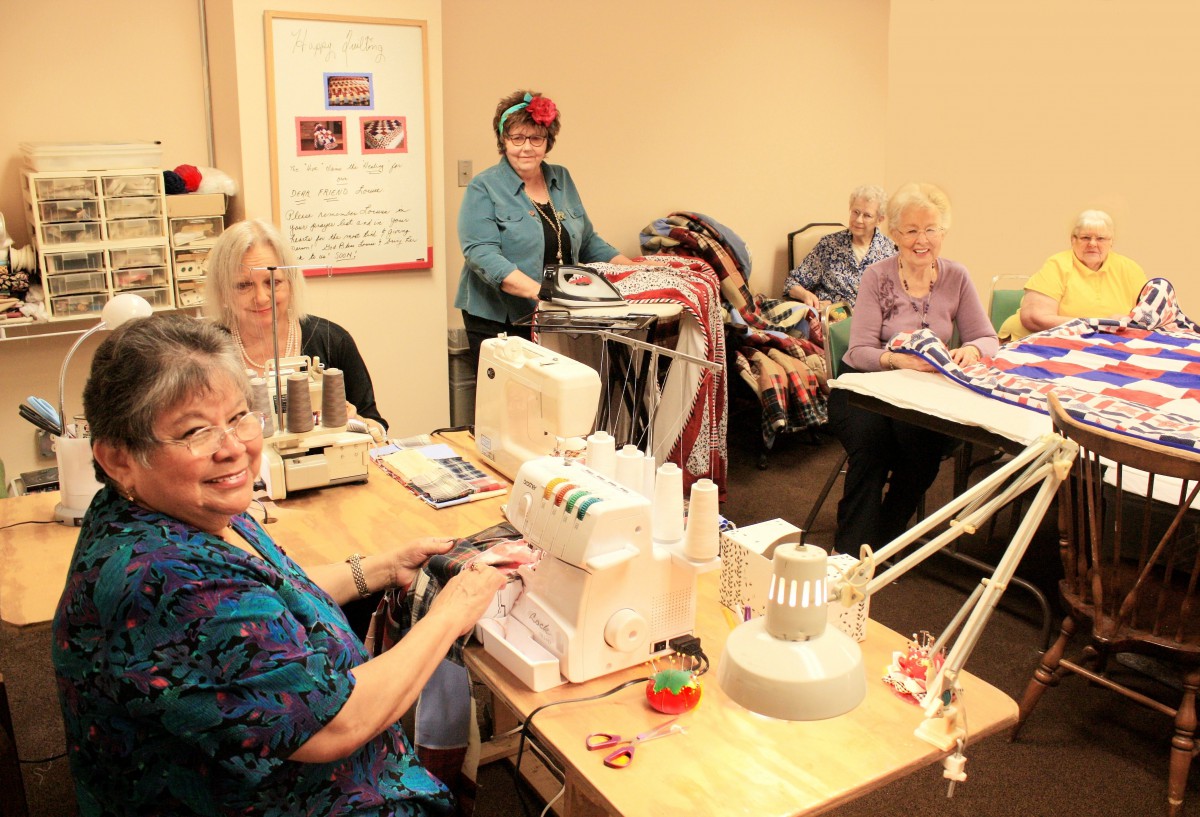
  • Art classes Art classesArt classes are important for seniors because they provide a creative outlet, improve cognitive function, reduce stress and anxiety, promote socialization, and enhance overall well-being and quality of life.
  • Bible study group Bible study groupBible study groups provide seniors with a sense of community, spiritual growth, and support during their later years. It helps them stay connected to their faith, find comfort in difficult times, and build meaningful relationships with others.
  • Catholic services Catholic servicesCatholic services are important for seniors because they provide spiritual support, a sense of community, and opportunities for social interaction that can enhance overall well-being and quality of life in their later years.
  • Community-sponsored activities Community-sponsored activitiesCommunity-sponsored activities are important for seniors as they provide opportunities for social interaction, mental stimulation, and physical activity. These activities can help improve overall well-being, combat loneliness and isolation, and promote a sense of belonging and purpose among older adults.
  • Cooking classes Cooking classesCooking classes are important for seniors as they provide opportunities for social interaction, enhance cognitive skills, promote healthy eating habits, and boost confidence in the kitchen.
  • Day trips and outings Day trips and outingsDay trips and outings are important for seniors as they provide opportunities for socialization, mental stimulation, physical activity, and a break from daily routines. These experiences can enhance overall well-being and quality of life for older adults living in senior communities.
  • Devotional activities offsite Devotional activities offsiteDevotional activities offsite are important for seniors because they provide social engagement, spiritual growth, and a sense of community outside of their living environment. This can improve overall well-being, mental health, and combat feelings of isolation or loneliness.
  • Devotional activities on-site Devotional activities on-siteDevotional activities on-site provide seniors with a sense of community, spiritual fulfillment, and emotional support, promoting overall well-being and a positive sense of purpose in their lives.
  • Educational speakers / life long learning Educational speakers / life long learningEducational speakers and lifelong learning opportunities are crucial for seniors as they provide mental stimulation, promote social engagement, and contribute to overall well-being. Continuous learning helps seniors stay mentally sharp, build new skills, and maintain a sense of purpose and fulfillment in their lives. It also allows them to stay connected to the world around them and fosters a sense of community within senior living facilities.
  • Live well programs Live well programs"Live well programs are essential for seniors as they provide opportunities for physical activity, social engagement, and mental stimulation, ultimately promoting overall health and well-being in later years."
  • Scheduled daily activities Scheduled daily activitiesScheduled daily activities are important for seniors because they provide structure, socialization, mental stimulation, and physical activity. Engaging in regular activities can improve overall well-being and quality of life for seniors living in a community setting.
  • Visiting Rabbi Visiting Rabbi"Visiting rabbis provide spiritual and emotional support to seniors in assisted living communities, helping them connect with their faith, find comfort in times of need, and maintain a sense of community and belonging."
  • Visiting chaplain or priest Visiting chaplain or priestHaving a visiting chaplain or priest at a senior living community is important for seniors because it provides spiritual support, comfort, and guidance during a time of life that can be challenging and uncertain. Their presence can help seniors feel connected to their faith, find peace of mind, and cope with the emotional and mental struggles they may face in their later years.

Description

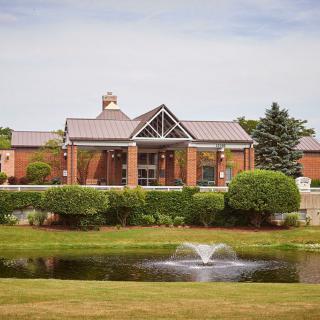
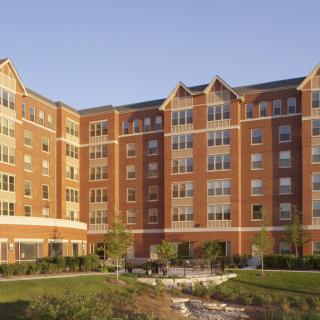
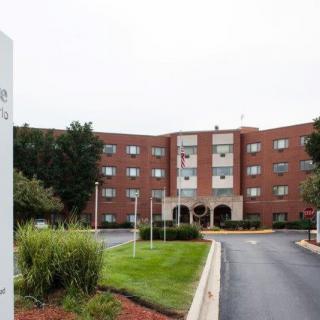
Concord Place is an assisted living community located in Northlake, IL. We offer Independent Living for seniors who are looking for a comfortable and maintenance-free lifestyle. Our community provides a range of amenities to ensure our residents' well-being and enjoyment.

Residents can participate in various activities right on-site, such as cooking classes, educational speakers, and community-sponsored events. For those interested in religious services, we offer Bible study groups, Catholic services, and have visiting chaplains or priests available.

Our spacious apartments are fully furnished and equipped with air-conditioning, full kitchens, cable or satellite TV, and Wi-Fi/high-speed internet. We also provide housekeeping services to ensure residents enjoy a clean living environment.

Concord Place prioritizes the health and safety of our residents. We offer assistance with daily activities such as bathing, dressing, and transfers. Our staff coordinates with healthcare providers to ensure residents receive the necessary care they need. Special dietary restrictions are no problem as we provide diabetes diets, low/no sodium meals, organic options, vegetarian choices, and more.

For recreation and relaxation, we have beautiful indoor common areas and outdoor spaces including a garden. Residents can also enjoy our swimming pool/hot tub for exercise or leisurely swims.

Transportation is made easy with arrangements available for medical appointments or other destinations. There are several cafes, parks, pharmacies, restaurants, theaters nearby making it convenient for residents to explore the surrounding area.

At Concord Place in Northlake, seniors can expect a caring community where their needs are met while enjoying an active and fulfilling lifestyle.

Nearby Places of Interest

This area of Northlake, Illinois offers convenient access to a variety of amenities and services that may appeal to seniors looking for a vibrant community. With multiple pharmacies within close proximity, as well as nearby hospitals and medical centers, residents can easily access healthcare services. In addition, the area boasts several parks for outdoor recreation, restaurants for dining out, theaters for entertainment, and cafes for socializing. Transportation options are also readily available for those looking to explore the surrounding area. Overall, this part of Northlake provides a well-rounded living experience with a range of options to support an active and fulfilling lifestyle in retirement.

Pharmacies

  • Walgreens (0.8 miles)
  • Walgreens (1.1 miles)
  • Walgreens (4 miles)
  • Walgreens (4.1 miles)
  • Walgreens (4.1 miles)
  • Walgreens (4.1 miles)
  • Walgreens (4.3 miles)

Parks

  • Berens Park (2 miles)
  • Norfolk Park (3.3 miles)
  • Du Page Forest Preserve Dog Park (5.6 miles)
  • Newton Park (7.7 miles)
  • Westlake Park (8.2 miles)

Restaurants

  • Portillo's Hot Dogs (2.4 miles)
  • Shake Shack (4 miles)
  • The Cheesecake Factory (4.1 miles)
  • Maggiano's (4.2 miles)
  • Macy's Marketplace (4.2 miles)
  • McDonald's (4.8 miles)
  • Tortas Frontera by Rick Bayless (5 miles)

Hospitals

  • Loyola Medicine Transport (3.7 miles)
  • Gottlieb Memorial Hospital (3.9 miles)
  • Edward Hines, Jr Veterans Hospital (5.2 miles)
  • Building 217, Hines VA Hospital (5.2 miles)
  • Loyola University Medical Center (5.3 miles)
  • Loyola Outpatient Center (5.5 miles)
  • Edward-Elmhurst Health Center (6 miles)

Theaters

  • AMC Oakbrook Center 12 (4 miles)
  • AMC Rosemont 18 (5.8 miles)
  • AMC DINE-IN Yorktown 18 (6.2 miles)
  • Addison Cinema Addison, Il (6.3 miles)

Cafes

  • Starbucks (4.5 miles)
  • Qahwah House (5.5 miles)
  • Starbucks (6.3 miles)

Transportation

  • Concourse H (4.8 miles)
  • Delta Air Lines (4.8 miles)
  • Concourse E (4.9 miles)
  • Concourse F (4.9 miles)
  • United Club (4.9 miles)
  • Delta Sky Club (4.9 miles)
  • Concourse H (4.9 miles)

Physicians

  • Dupage Medical Group (6.1 miles)
  • Salt Creek Medical Imaging (6.2 miles)
  • Physicians Cosmetic Institute (6.7 miles)
  • Resurrection Medical Center Professional Building (7.8 miles)
  • Dupage Medical Group (8.1 miles)

Frequently Asked Questions

How much does it cost to live at Concord Place in Northlake, IL?
Where is Concord Place?
What photos are available for Concord Place in Northlake, Illinois?

Nearby Communities

Related Resources

  • assisted living vs skilled nursingExploring the Contrasts Between Assisted Living and Skilled Nursing

    The article compares assisted living and skilled nursing facilities, detailing their differing levels of assistance, medical support, cost structures, and day-to-day experiences. It emphasizes that assisted living is for those needing help with daily activities while maintaining independence, whereas skilled nursing facilities provide intensive medical care with 24-hour staff supervision.

  • when to move from assisted living to nursing home8 Key Indicators That Suggest It May Be Time to Transition from Assisted Living to Skilled Nursing Care

    The transition from assisted living to skilled nursing care is often prompted by complex medical needs that assisted living cannot meet, with key indicators including frequent health declines, increased falls, severe memory issues, and caregiver burnout. Families should recognize these signs early to discuss options with healthcare providers and prepare for the emotional and logistical aspects of moving to a facility that offers comprehensive medical support.

  • active senior livingVibrant Senior Living: A Comprehensive Guide for Active Older Adults

    Vibrant Senior Living emphasizes active senior living communities that promote independence and engagement through diverse amenities and activities, fostering wellness and social interaction among older adults. These communities range from independent to assisted living, with a focus on personal growth, family involvement, financial planning, and leveraging technology to enhance residents' experiences.