
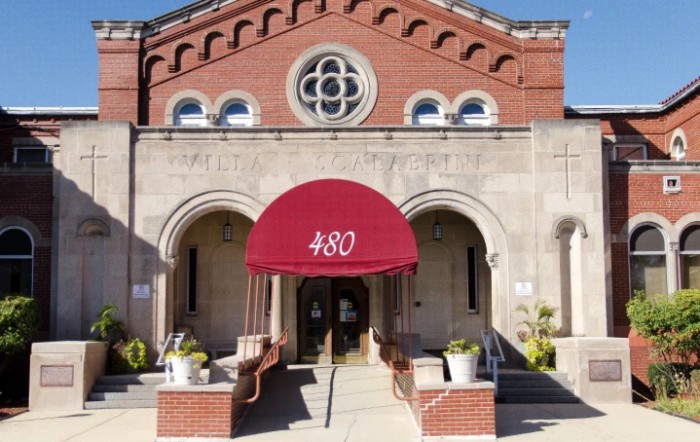

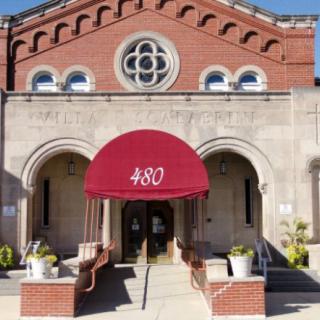


480 North Wolf Road, Northlake, IL 60164
For more information about senior living options: (866) 208-4318
Overall Review of Presence Villa Scalabrini N&R
Pros
 Victoria provides excellent care for residents and her team goes out of their way to meet their needs.
- The staff are accommodating, caring, and attentive, and they listen to families’ concerns.
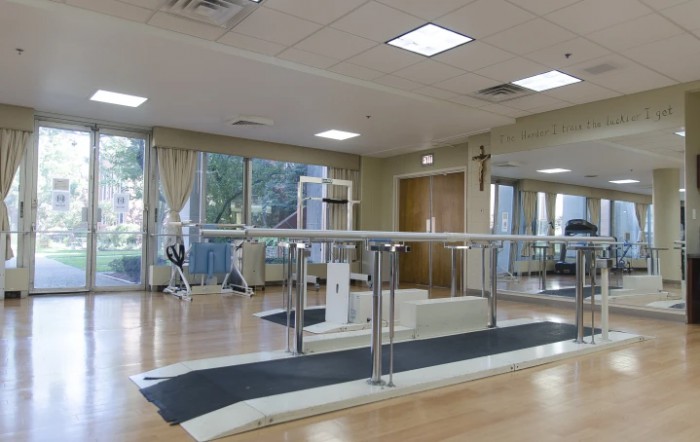
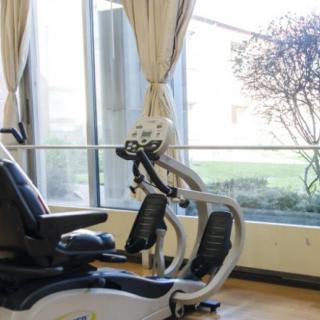
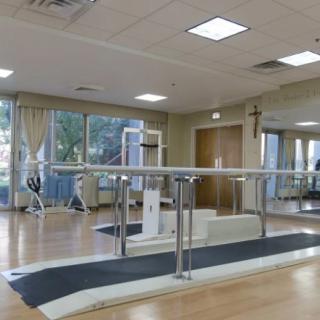
- Rebecca and Debbie, the physical therapists, help residents regain mobility and improve their quality of life.
- The families feel comfortable and happy with the care their loved ones receive.
- The staff are kind, compassionate, and dedicated, keeping residents clean, well fed, and well cared for.
- The environment is compassionate and respectful, with residents treated with dignity and respect.
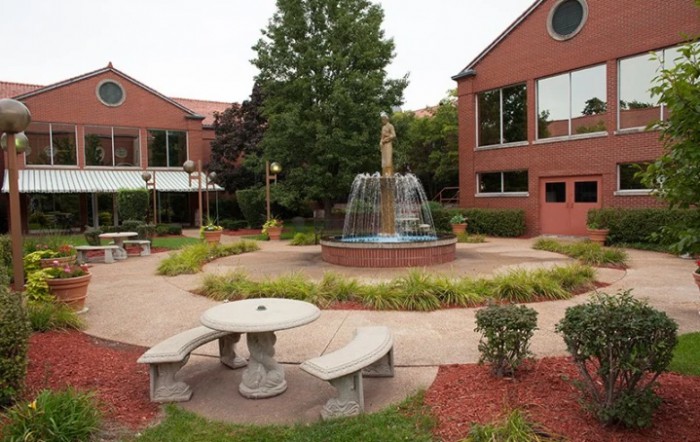
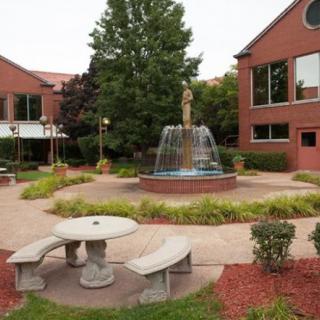
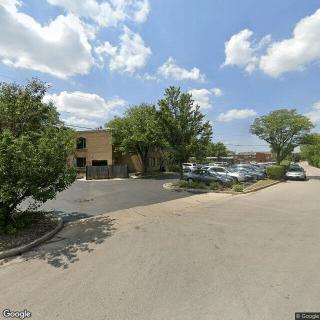
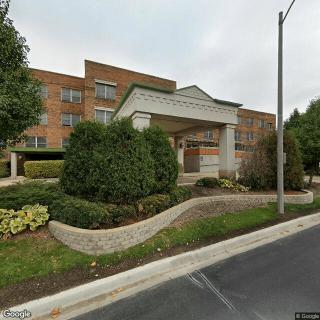
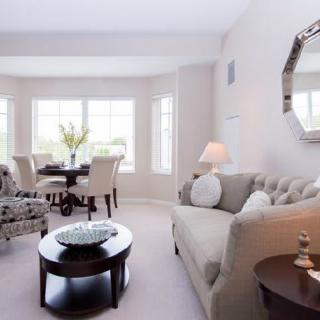
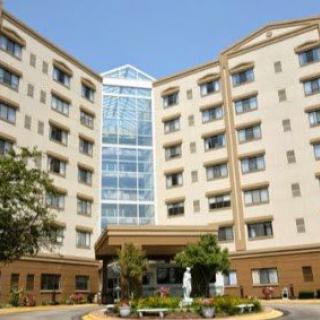
- The facility is clean, well maintained, and the grounds are kept tidy.
- The dining and activities programs are well organized, and the food is delicious.
Cons
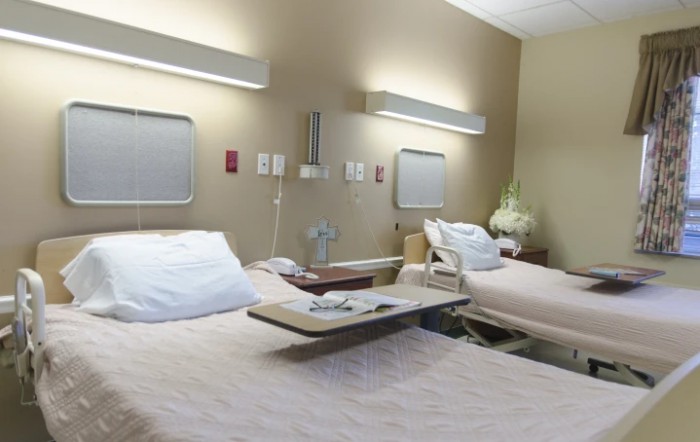
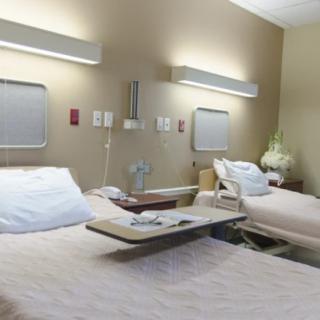
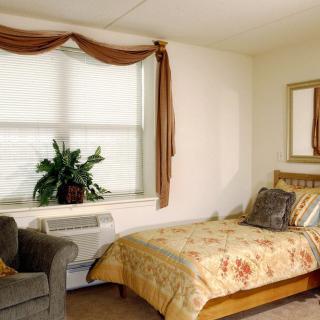
 The color scheme on the rehab floor is not cheery and leaves residents feeling depressed.
- The food was described as terrible.
- The facility was slow to respond to calls and slow to dispense medications.
- The staff seemed understaffed and uncaring.
- The rehab program discouraged mobility, allegedly due to insurance concerns.
- Residents were kept in bed for 23 hours a day with little opportunity to move.
- Communication was poor, with unanswered calls, missed messages, and mismanaged reservations.
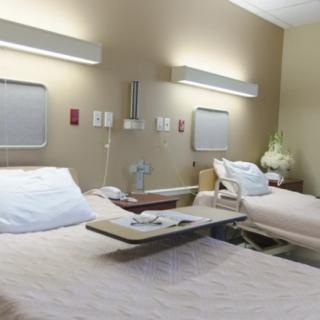
- The building feels old, with odors, ants in the halls, and slow housekeeping.
Review
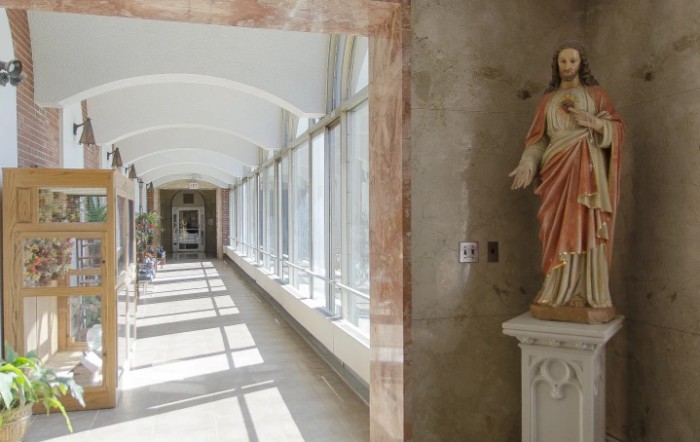
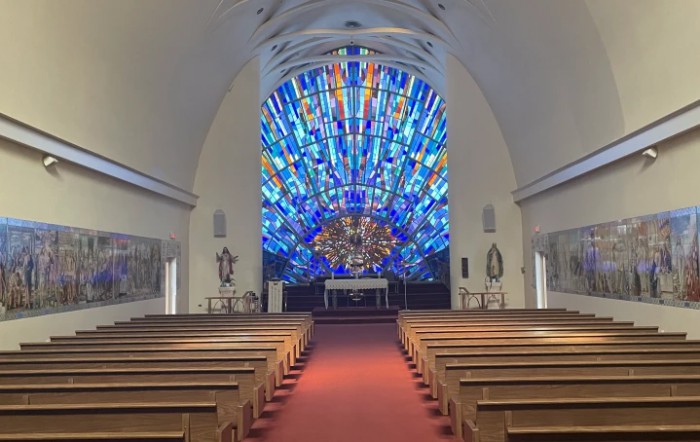
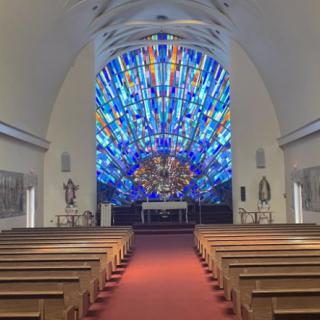
Presence Villa Scalabrini N&R in Northlake is best suited for families seeking a faith-informed, relationship-driven care environment where staff kindness and personal attention are the anchor of daily life. The community consistently draws praise for compassionate frontline caregivers, attentive nurses, and a culture that emphasizes dignity and respect for residents. The on-site chapel and clergy presence create a calm, familiar backdrop that many families find comforting during transitions, long-term stays, or end-of-life moments. In short, this is a place where the human touch, admissions through daily care, feels central to the experience.
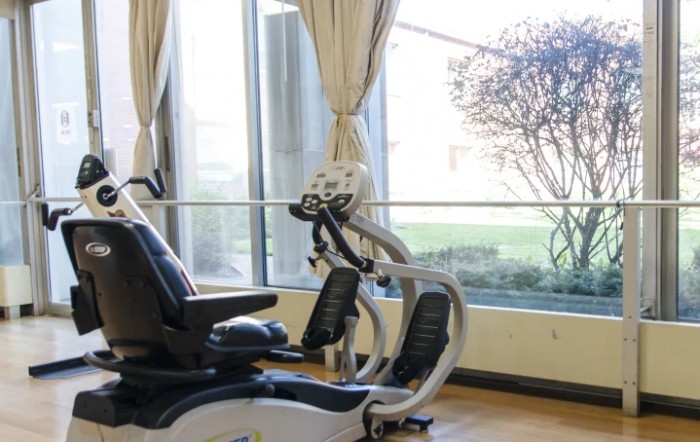
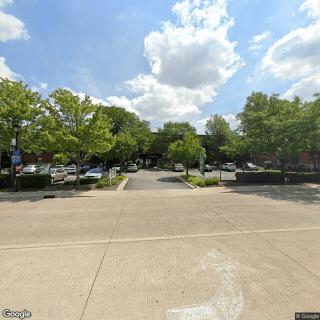
At the same time, this community may not be the right fit for those who prioritize aggressive rehab outcomes, cutting-edge facilities, or a non-religious setting. Several families recount frustrations with responsiveness, medication management, and overall rehab intensity. The building is described as old, with limited parking and fewer modern amenities than newer campuses, and some reviews flag a bureaucratic, institutional feel in common areas. For families whose primary need is robust, evidence-based rehabilitation aimed at rapid mobility return, alternative options with stronger rehab focus and more contemporary infrastructure deserve serious consideration.
The strongest positives here are the staff’s commitment and the clarity of family involvement. Caregivers are repeatedly praised for going the extra mile, with dedicated therapists who listen to concerns and drive meaningful mobility progress when the opportunity presents itself. Cleanliness and a respectful atmosphere pervade many visits, and the religious environment, along with regular family meetings, helps families stay connected and informed. When care is steady, residents appear well-cared-for, with regular nursing attention, good hygiene, and a sense that someone is watching over daily comfort, meals, and safety. Those dynamics often offset the drawbacks tied to an older building or cramped recreation spaces.
Yet the cons carry real weight for decision-making, especially for rehab-focused families. Reports of slow responses to calls, intermittent med administration issues, and difficulties coordinating with physicians can undermine confidence during critical recovery moments. Several accounts describe a gap between what is promised and what is delivered in terms of rehabilitation scheduling and intensity, with some patients experiencing limited movement and extended bed rest rather than progressive independence. The dichotomy in rehab outcomes, one story of restored walking and stairs, another of stalled mobility, signals variability in daily teams and routines. For families with high-stakes rehab goals, these inconsistencies are a meaningful risk.
Practical next steps hinge on honest, targeted inquiries during tours and warm, direct conversations with staff. Prospective residents should ask about typical PT/OT schedules, daily med-pass protocols, and who oversees medical communications with family members. Inquire specifically about discharge planning, goals with mobility, and how mobility restrictions are justified or revisited. Tour the facility with an eye toward odor control, cleanliness, and accessibility, including how the grounds and indoor common areas support activity. Finally, assess whether the religious emphasis aligns with the resident’s preferences, since this environment shapes daily life, programming, and senior social circles.
Ultimately, Presence Villa Scalabrini N&R offers a compassionate, spiritually anchored home where dedicated staff and family involvement shine through in everyday care. It is a compelling choice for seniors who value warmth, predictable routines, and a respectful, faith-centered community, and for families seeking steady communication and dignified care. It is less compelling for those whose needs center on aggressive rehabilitation, modernized facilities, or a non-religious setting. The decision should hinge on whether the emphasis on personal attention, family collaboration, and spiritual environment outweighs concerns about rehab intensity and aging infrastructure. A carefully structured visit that probes rehab consistency, med-management processes, and the practicality of daily routines will reveal whether this community truly fits the resident’s care priorities.
 229 resident community capacity
 Skilled Nursing Facility
 Air-conditioning
 Beauty salon
 Cable or satellite TV
 Computer center
 Dining room
 Fitness room
 Fully furnished
 Gaming room
 Garden
 Housekeeping services
 Kitchenette
 Move-in coordination
 Outdoor space
 Private bathrooms
 Restaurant-style dining
 Small library
 Telephone
 Wellness center
 Wi-Fi/high-speed internet available
 Chicago O'Hare International (4 miles away)
 Community operated transportation
 12-16 hour nursing
 24-hour call system
 Activities of daily living assistance
 Assistance with bathing
 Assistance with dressing
 Assistance with transfers
 Diabetes diet
 Medication management
 Mental wellness program
 Special dietary restrictions
 Concierge services
 Planned day trips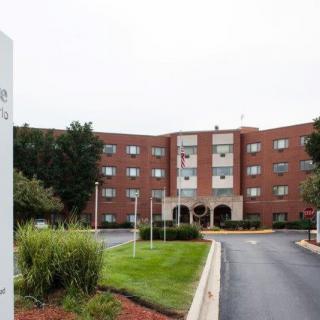

 In-Home Care Costs in 2025: A Detailed State-by-State Exploration
 Understanding Home Health Care: A Comprehensive Guide
 Home Health Care Demystified: A Comprehensive Guide for Families and Caregivers