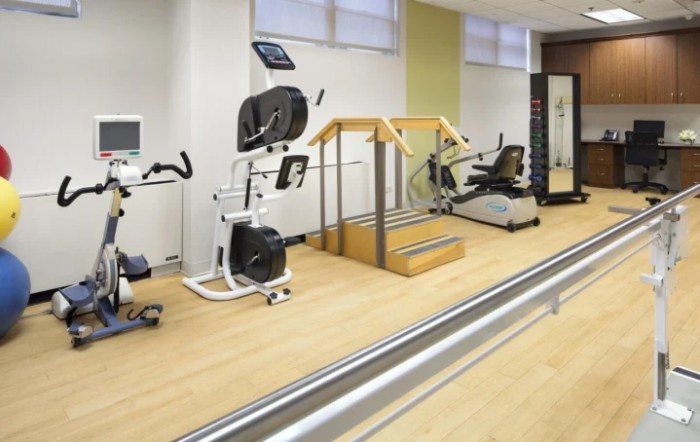
The Grove of Elmhurst Costs & Pricing
At The Grove of Elmhurst, the monthly costs for accommodation reflect a commitment to quality care and services. For a semi-private room, residents can expect to pay $6,800, which is notably higher than both the average costs in DuPage County at $5,848 and the state average of $5,146. Similarly, the private room option is priced at $7,500, exceeding the local average of $5,588 and the state figure of $5,049. While these rates are above regional and state averages, they potentially indicate the premium amenities and personalized care that The Grove offers to its residents.
| Floor plans | The Grove of Elmhurst | DuPage County | Illinois |
|---|
| Semi-Private | $6,800 | $5,848 | $5,146 |
| Private | $7,500 | $5,588 | $5,049 |
Skilled Nursing Facilities with a similar price nearby
-
from +$310 / mo

North Shore Place
$7,110 to $10,440 / month
16.2 miles away
-
from -$963 / mo

River Glen of St. Charles
$5,837 to $7,507 / month
19.0 miles away
-
from -$1300 / mo

St. Joseph Village of Chicago
$5,500 to $6,767 / month
11.0 miles away
-
About the same
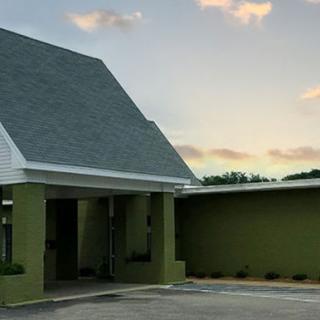
The Gardens of Waterford
$6,620 to $7,620 / month
21.5 miles away
-
from +$490 / mo
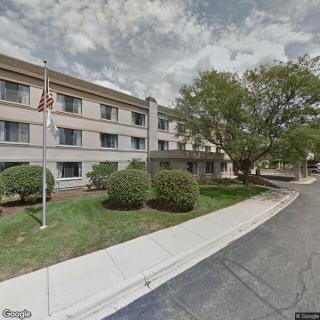
Bella Terra of Schaumburg
$7,290 to $8,280 / month
9.3 miles away
Overall Review of The Grove of Elmhurst
caveat
15 reviews mention this
Cleanliness and odor worries come up
Multiple residents and families describe strong odor, unclean conditions, and clutter in common areas.
Many reviewers raise cleanliness concerns, including descriptions of strong, unpleasant smells and rooms or hallways that felt unclean or cluttered. Some write about pests or leftover food/soiled items, while others mention dirty bathrooms or overflowing issues tied to the facility’s upkeep. A smaller set of reviews also highlight cleanliness in positive terms, but the negative comments are frequent enough that cleanliness seems to vary by visit or unit.
caveat
15 reviews mention this
Staffing and call-light responsiveness
Residents and families report staffing strain, call-light delays, and lots of agency coverage.
A recurring theme is inconsistent staffing and trouble getting timely help. Several reviewers describe overwhelmed conditions, delayed response to call lights, and concerns that agency staff are being used heavily. Others also report specific communication breakdowns—such as staff not being aware of a transfer or delayed medication/therapy—reinforcing the idea that care can feel slow or hard to coordinate day to day.
common
7 reviews mention this
Food quality is a mixed point
Dining reviews split between praised meals and claims of poor food quality.
Some reviews describe food positively, including group dining experiences and meals that residents could enjoy on special diets. Other reviewers say the food was horrible or served as unappealing “slop,” and a few mention what they viewed as unhealthy or inadequate mealtime support. The community does offer restaurant-style dining and supports special dietary restrictions, which aligns with why dining shows up in both positive and negative accounts.
caveat
5 reviews mention this
Rehab and therapy timelines
Reviews describe both progress with therapy and problems with therapy timing.
Several reviewers say physical therapy helped residents regain strength or independence during their stay. Others describe therapy being paused or delayed, including cases where physical therapy was canceled or not provided as expected and where therapy did not resume on the timeline families were told. These differing experiences suggest therapy support may depend on the resident’s needs and scheduling.
common
4 reviews mention this
Activities and social events matter
Group activities and community events get positive mentions from families.
Some reviewers highlight group activities and social opportunities, including events with music and celebrations. Others mention activity spaces on each floor and that staff encourage residents to be social when possible. The community also lists scheduled daily activities and planned day trips, which matches why activities show up as a practical, day-to-day topic in reviews.
caveat
2 reviews mention this
Pricing feels high to some
Some families describe the pricing as a burden, while another reviewer compares it favorably to other options.
One reviewer says the community is priced less than other places they looked at, framing it as a relief during admission planning. In contrast, another reviewer focuses on the cost and the feeling that residents are treated as “a fading number” rather than people. Overall, pricing is a clear point of disagreement among reviewers, with the community’s rates also positioned as above county and state benchmarks across unit types.
How we summarize
Counts show how many written reviews mention each theme; a review can touch several themes, and only frequently mentioned themes are displayed.


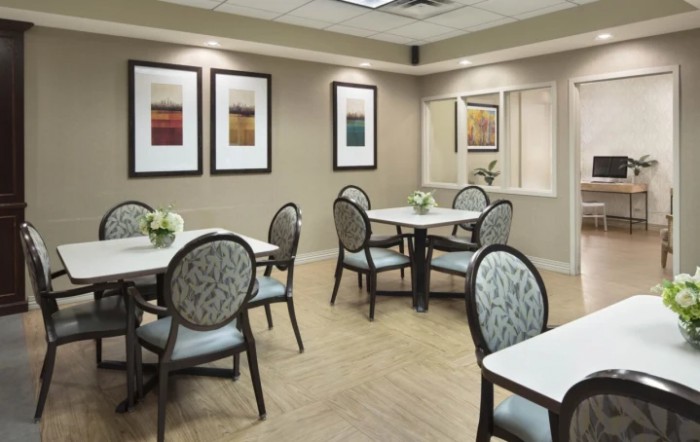










 180 resident community capacity
 Skilled Nursing Facility
 Activities on-site
 Air-conditioning
 Bath tubs
 Beautician on-site
 Cable or satellite TV
 Computer center
 Devotional services off-site
 Dining room
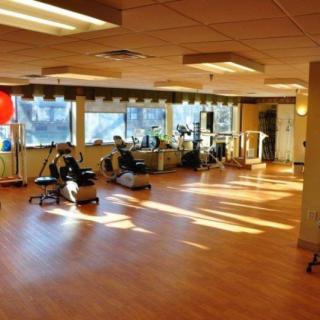
 Fitness room
 Fully furnished
 Gaming room
 Garden
 Housekeeping services
 Indoor common areas
 Kitchenette
 Move-in coordination
 Outdoor common areas
 Private
 Private bathrooms
 Respite or short term stays offered
 Restaurant-style dining
 Small library
 Telephone
 Wellness center
 Wheelchair accessible showers
 Wi-Fi/high-speed internet available
 Chicago O'Hare International (4 miles away)
 Community operated transportation
 12-16 hour nursing
 24-hour call system
 Ambulatory care
 Assistance with bathing
 Assistance with dressing
 Assistance with transfers
 Diabetes diet
 Diabetic care
 High acuity care
 Medication management
 Mental wellness program
 Special dietary restrictions
 Concierge services
 Planned day trips
 Friendly staff, clean, well-maintained apartments, and engaging activities.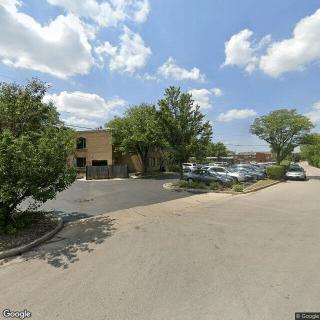



 A Detailed Exploration of Living Wills and Advance Directives
 Comprehensive Guide to Medicare Coverage for Hospice Care
 Caring for Those Who Care: Recognizing, Understanding, and Overcoming Caregiver Burnout