For more information about senior living options: (866) 208-4318
3.5 from 48 reviews
5 stars
27
4 stars
4
3 stars
0
2 stars
2
1 stars
15
Overall Review of Memorial Care Center
common25 reviews mention this
Caring staff is frequently noted
Many residents and families describe the staff as kind, attentive, and professional.
Across many stays, reviewers describe nurses and aides who were kind, attentive, and professional during day-to-day care and rehabilitation. Several also mention staff communication and bedside patience when families visited. Even in more critical reviews, there are occasional mentions that parts of the therapy team tried their best, suggesting uneven experiences rather than uniformly poor care.
common5 reviews mention this
Dining quality gets mixed feedback
Food is praised by some residents while others report it fell short.
Some reviewers say the meals were good, excellent, or decent, and one specifically calls out calorie information. Others report food was cold, stale, and not appetizing. The community also lists restaurant-style dining and diet support such as special dietary restrictions, which aligns with why dining shows up in multiple, different ways in resident experiences.
common12 reviews mention this
Therapy support is a central focus
Physical and occupational therapy is a recurring part of residents' experiences.
Many reviews highlight progress from PT and OT, describing therapists as exceptional and supportive and noting improved strength, balance, or mobility. A few reviewers also report gaps—such as therapy not being followed through consistently or being limited—especially when they felt evaluations, treatment plans, or follow-up were missing. In general, therapy appears to drive both the strongest praise and several of the sharpest complaints.
caveat10 reviews mention this
Care follow-through and staffing concerns
Several reviewers raise concerns about follow-through, responsiveness, and staffing.
A recurring complaint is delays in getting help, limited attention, or care that did not match expected therapy or planning after discharge from the hospital. Some describe missed or ineffective follow-up on therapy needs, hygiene issues, or problems with communication. Others report examples of call-light or task responsiveness that left families worried, alongside claims of being overlooked or having care needs not met in a timely way.
How we summarize
Counts show how many written reviews mention each theme; a review can touch several themes, and only frequently mentioned themes are displayed.
Features
Housing
82 resident community capacity
Types of Care
Skilled Nursing Facility
Amenities
Air-conditioning
Beauty salon
Cable or satellite TV
Computer center
Dining room
Fitness room
Fully furnished
Gaming room
Garden
Housekeeping services
Kitchenette
Move-in coordination
Outdoor space
Private bathrooms
Restaurant-style dining
Small library
Telephone
Wellness center
Wi-Fi/high-speed internet available
Transportation
Lambert-St Louis International (23 miles away)
Community operated transportation
Transportation arrangement
Transportation arrangement (non-medical)
Transportation to doctors appointments
Care Services
12-16 hour nursing
24-hour call system
24-hour supervision
Activities of daily living assistance
Assistance with bathing
Assistance with dressing
Assistance with transfers
Diabetes diet
Meal preparation and service
Medication management
Mental wellness program
Special dietary restrictions
Dining
Diabetes diet
Special dietary restrictions
Activities
Community-sponsored activities
Concierge services
Fitness programs
Planned day trips
Resident-run activities
Scheduled daily activities
Videos
Nearby Places of Interest
Hospitals
Memorial Hospital (0.1 miles)
St Elizabeth's Hospital (3.1 miles)
Touchette Regional Hospital (5 miles)
Physical Therapy Center of Belleville (5.1 miles)
Physicians
Dr Bhutto, MD (0.1 miles)
David Craig Norman (0.2 miles)
Association of Childcare Physicians (0.2 miles)
Illinois Medicine Southern Md Belleville (0.2 miles)
The Center for Orthopedic and Neurosciences at Memorial (0.2 miles)
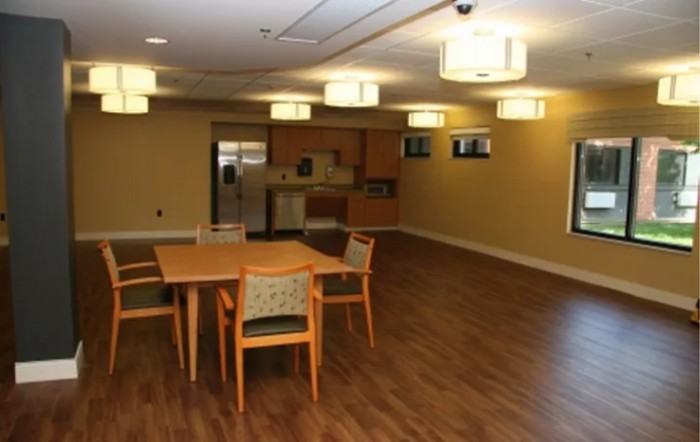
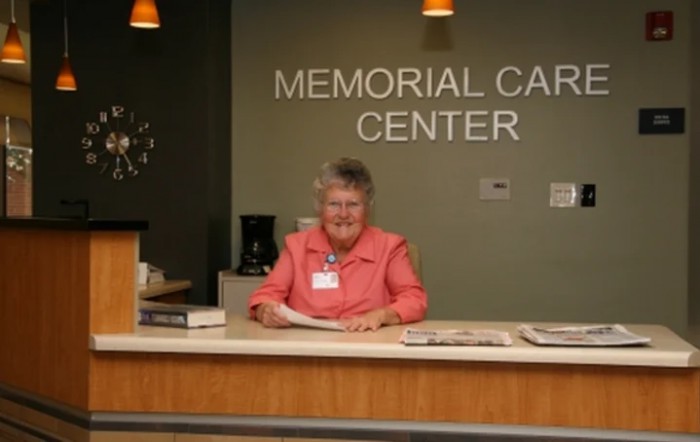
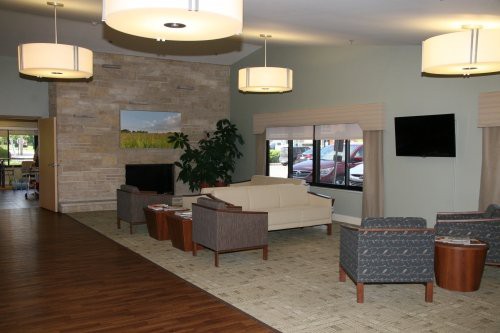
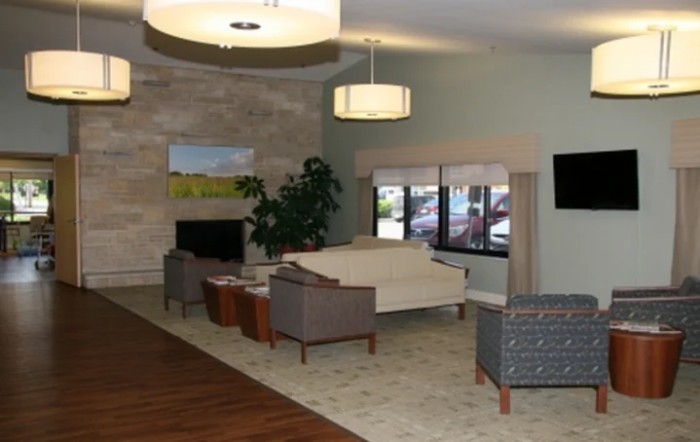
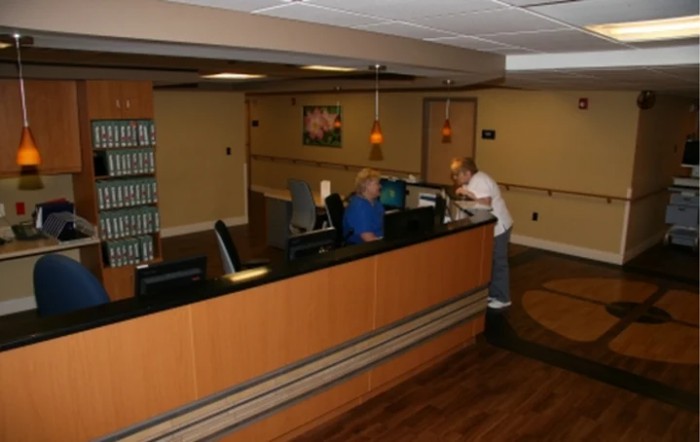
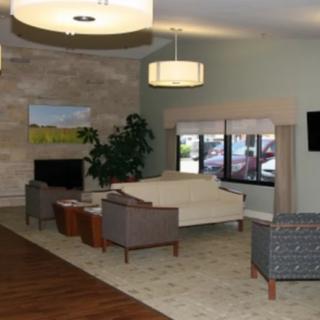
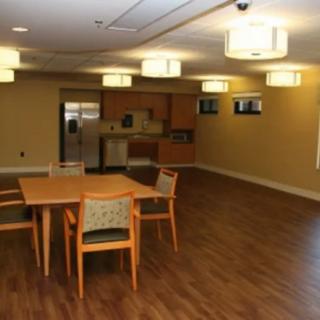
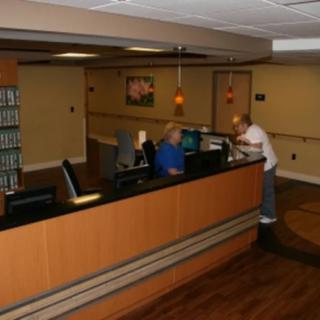
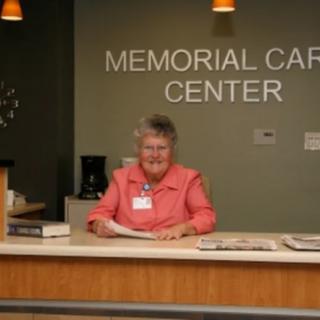
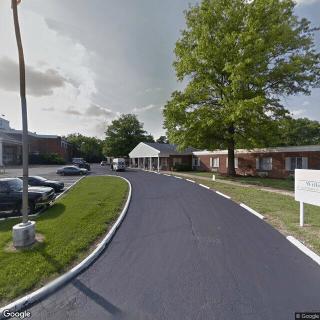
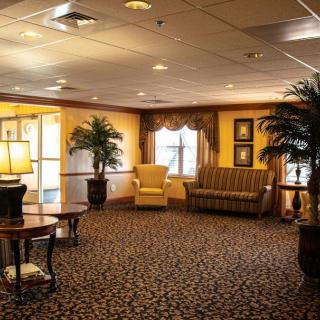
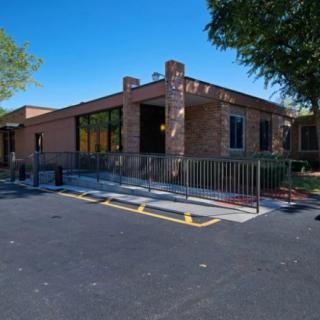
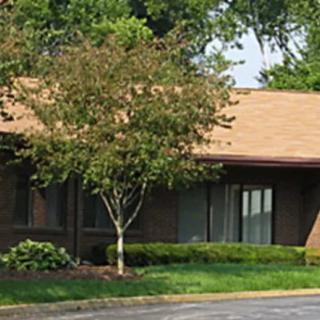
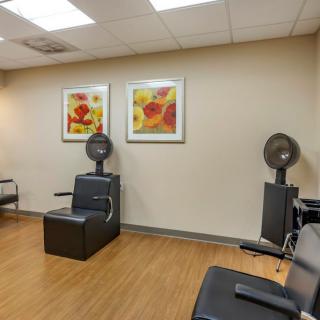
Memorial Care Center on seniors.fyi includes 6 photos including images showing interior, kitchen, dining, living room, lighting, windows, decor, seating area, and more.
Nearby Communities
Memorial Care Center- Belleville Mem Hosp
Belleville, IL
3.8 from 39 reviews
Caring staff and strong caregiver-resident relationships.
Golden Years Adult Support Ctr
Belleville, IL
5 from 7 reviews
Engaging day program with social activities and attentive staff.
Helia Healthcare of Belleville
Belleville, IL
3.3 from 43 reviews
Excellent healthcare access and transport options.
Cambridge House Of Swansea
Swansea, IL
4.2 from 32 reviews
Friendly staff, clean environment, and an active, welcoming community with engaging activities.
Bria Of Belleville
Belleville, IL
2.6 from 85 reviews
Extensive amenities and 24/7 care services.
Mercy Rehab And Care Center
Swansea, IL
2.9 from 25 reviews
Broad on-site amenities and 24/7 care support.
Swansea Rehab Health Care
Swansea, IL
3.5 from 50 reviews
24/7 nursing care with extensive on-site amenities
Sycamore Village
Swansea, IL
3.4 from 36 reviews
$3,802 / month
Caring staff and engaging activities.
St Pauls Senior Community
Belleville, IL
4.1 from 14 reviews
$2,295 to $3,995 / month
Friendly staff and residents in a close, active community with convenient transportation and newly renovated apartments.
Seniors benefit from ride-hailing services like Uber and Lyft, which provide convenient and accessible transportation options that promote independence and social engagement, while addressing mobility challenges. These platforms have adapted to meet senior needs with user-friendly features and safety measures, although costs can be a concern; community programs may help subsidize rides for older adults.
The guide outlines the eligibility criteria for home health care services, emphasizing clinical requirements, insurance options, and application processes. It distinguishes between Medicare's strict and Medicaid's flexible qualifications while addressing challenges families may face in securing necessary care at home.
Elder abuse affects many older adults worldwide and includes physical, emotional, neglectful, and financial harm, with about one in six individuals over 60 experiencing abuse annually. Prevention and intervention strategies focus on awareness, support for caregivers, and mandatory reporting, while recovery necessitates comprehensive support for both physical and emotional needs.
Get PricingAsk A QuestionSchedule A TourContact Senior Advisor
By clicking submit, you agree to our Partner's Terms of Use. You
also consent to receive calls and texts, which may be autodialed, from our Partner. Your consent is not a condition to
using our Partner's service. Please visit our Partner's Privacy Policy for information about their privacy practices.

 82 resident community capacity
 Skilled Nursing Facility
 Air-conditioning
 Beauty salon
 Cable or satellite TV
 Computer center
 Dining room
 Fitness room
 Fully furnished
 Gaming room
 Garden
 Housekeeping services
 Kitchenette
 Move-in coordination
 Outdoor space
 Private bathrooms
 Restaurant-style dining
 Small library
 Telephone
 Wellness center
 Wi-Fi/high-speed internet available
 Lambert-St Louis International (23 miles away)
 Community operated transportation
 12-16 hour nursing
 24-hour call system
 Activities of daily living assistance
 Assistance with bathing
 Assistance with dressing
 Assistance with transfers
 Diabetes diet
 Medication management
 Mental wellness program
 Special dietary restrictions
 Concierge services
 Planned day trips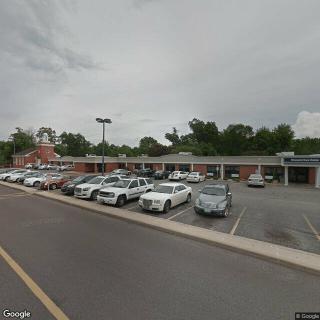
 Caring staff and strong caregiver-resident relationships.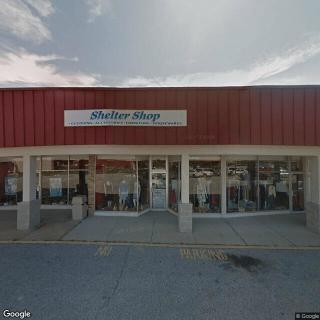

 Seniors and Modern Transportation: Exploring Uber, Lyft, and Other Ride-Hailing Options
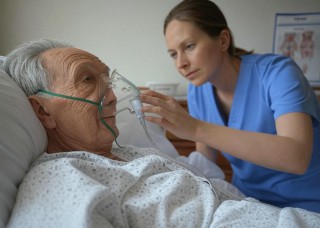 Comprehensive Guide to Qualifying for Home Health Care Services
 Powerful Realities of Elder Abuse and the Most Effective Ways to Report It