For more information about senior living options: (866) 208-4318
4.4 from 23 reviews
5 stars
19
4 stars
1
3 stars
0
2 stars
0
1 stars
3
Overall Review of Aspen Transitional Rehabilitation
common20 reviews mention this
Staff care is a major theme
Residents and families repeatedly describe attentive, caring staff during rehab stays.
Across the reviews, people describe staff who are respectful, responsive, and professional, with repeated praise for how quickly help arrives and how thoroughly therapists and nurses work with residents. Several reviewers also mention administrative and communication follow-through during care, including medication-related support. A smaller set of negative reviews report serious problems with medical response, including delays or confusion during urgent situations.
common10 reviews mention this
Food quality draws strong reactions
Dining is a frequent point of praise, though a few reviews are sharply negative.
Many reviews say the food is delicious or nutritious, and some specifically mention eating in the dining room or enjoying an interesting menu. Others describe how meals were handled well, including bringing meals to the room. In contrast, a few residents and families report consistent food issues, including an incident they link to illness and a separate review that calls the food bad.
differentiator11 reviews mention this
Rehab therapy and outcomes stand out
Rehab therapy is described as effective and focused on getting residents stronger and safer.
Several reviews highlight strong therapy results, including getting strength back and learning how to manage mobility and daily tasks like stairs and wheelchairs. Others praise the “excellent rehab” work and how therapists and nursing staff lay out expectations and track progress during the stay. Even among critical reviews, families frame the experience around the care delivered during rehab—especially when medical problems required urgent escalation.
common8 reviews mention this
Clean facility and rooms are noted
Reviews frequently mention cleanliness, attractive surroundings, and spacious rooms.
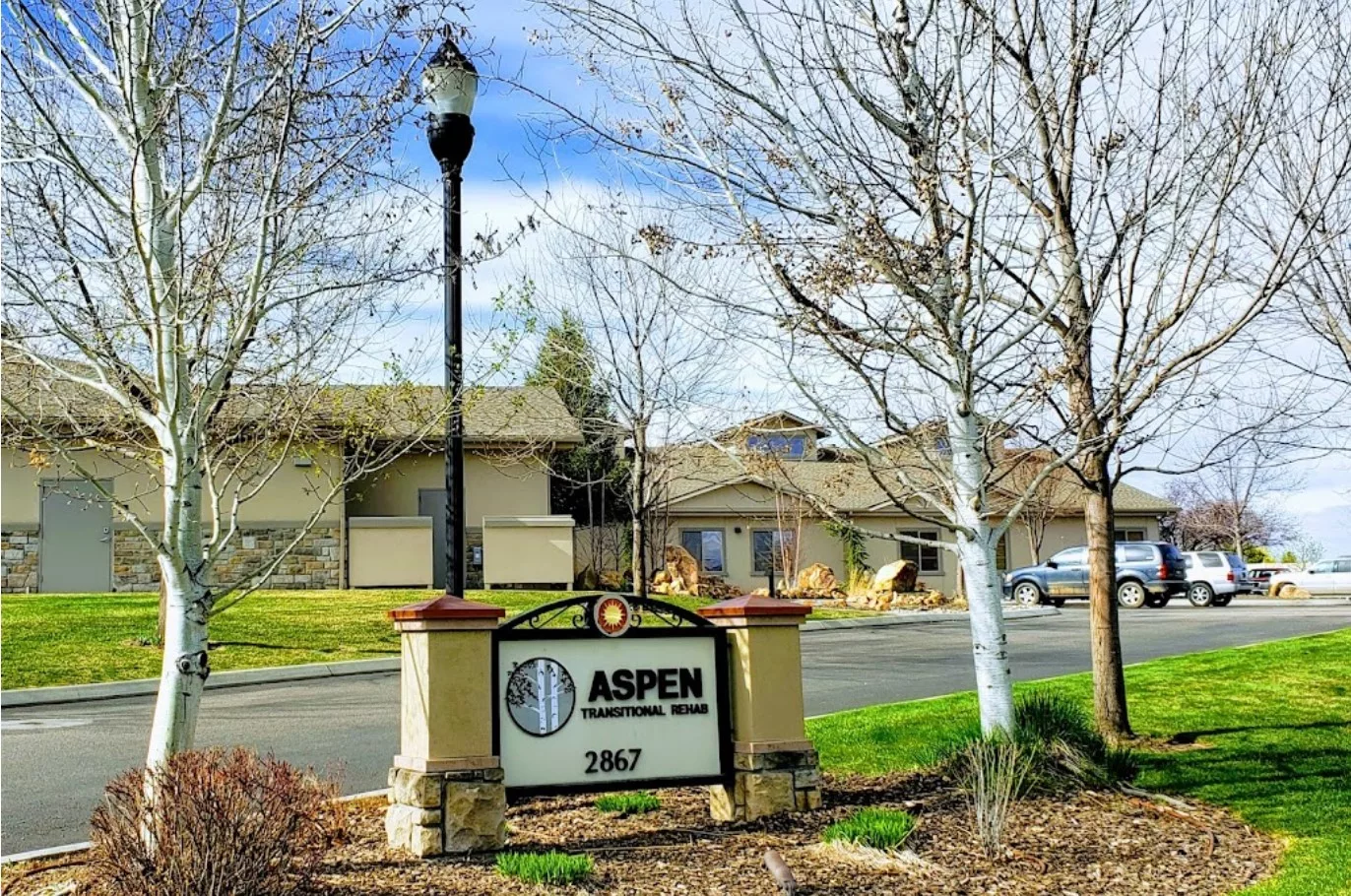
Multiple reviews describe the building and rooms as clean and well kept, and several mention a positive environment such as a beautiful facility or a pleasant view. Others add details like spacious living quarters, nicely decorated rooms, or an environment that feels more comfortable than what they expected. One negative review mentions a dark room shortly after check-in, which contrasts with the broader cleanliness praise.
caveat2 reviews mention this
Activities can feel limited
Some residents describe limited activities, especially during periods of restrictions.
One review says activities were limited during COVID-related restrictions, with movement and visitation changes that reduced the activity options. Another describes residents being focused on rehab with comparatively few activities, while still noting some small classes. For residents who want more scheduled social time beyond therapy, these reports suggest you should ask what’s available during the dates you’re considering.
How we summarize
Counts show how many written reviews mention each theme; a review can touch several themes, and only frequently mentioned themes are displayed.
Features
Housing
30 resident community capacity
Types of Care
Skilled Nursing Facility
Amenities
Beauty salon
Cable or satellite TV
Dining room
Fully furnished
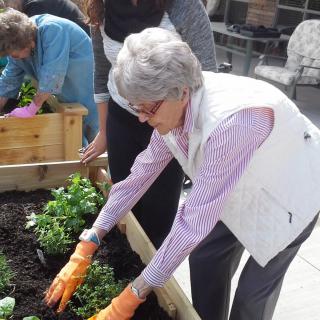
Garden
Housekeeping services
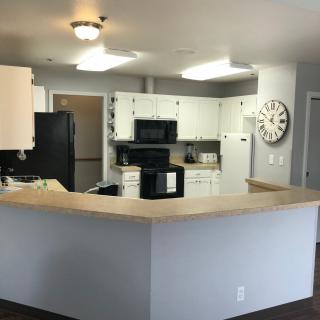
Kitchenette
Move-in coordination
Outdoor space
Restaurant-style dining
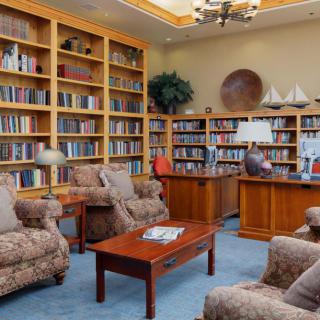
Small library
Telephone
Wi-Fi/high-speed internet available
Transportation
Boise Air Terminal (7 miles away)
Care Services
24-hour call system
24-hour supervision
Activities of daily living assistance
Assistance with bathing
Assistance with dressing
Assistance with transfers
Diabetes diet
Meal preparation and service
Medication management
Mental wellness program
Special dietary restrictions
Dining
Diabetes diet
Special dietary restrictions
Activities
Community-sponsored activities
Resident-run activities
Scheduled daily activities
Nearby Places of Interest
Restaurants
Jack In The Box (0.3 miles)
The Curb Bar and Grill (1.8 miles)
Casa Del Matador (2.6 miles)
Kahootz Steak & Ale House (2.9 miles)
California Mexican Foo (3.2 miles)
Subway (3.2 miles)
Firehouse Subs (3.3 miles)
Physicians
The Eye Associates (0.3 miles)
St Luke's Clinic Idaho Pulmonary Associates (0.5 miles)
Idaho Pulmonary Associates (0.5 miles)
Andrew Dr - Cron Andrew M Cron MD (0.5 miles)
Sawtooth Family Medicine (0.5 miles)
Summit Family Health (0.6 miles)
Jonathan Kramer, MD (0.6 miles)
Pharmacies
Rite Aid (0.6 miles)
Walgreens (2.3 miles)
Walgreens (2.7 miles)
Rite Aid (2.9 miles)
Walgreens (3.3 miles)
Rosauers Food & Drug Center (3.4 miles)
Walgreens (3.5 miles)
Theaters
Cinemark Majestic Cinemas (0.8 miles)
Regal Edwards Boise & IMAX (4.1 miles)
Hospitals
St Alphonsus Regional Medical Center (1.1 miles)
Spot International (1.4 miles)
Primary Health Urgent Care (3.1 miles)
Surgical Care Affiliates (3.9 miles)
Intermountain Hospital Otptnt (4.9 miles)
Southwest Idaho Advanced Care Hospital (4.9 miles)
Parks
Ridiculous Roundabout (1.5 miles)
Settlers Park (4.1 miles)
Fuller Park (4.7 miles)
Places of Worship
Cloverdale Church of God (1.6 miles)
Church of Jesus Christ of Latter Day Saints (3 miles)
Cafes
The Human Bean Boise, W. Lake Hazel Rd (3.4 miles)
Elder abuse affects many older adults worldwide and includes physical, emotional, neglectful, and financial harm, with about one in six individuals over 60 experiencing abuse annually. Prevention and intervention strategies focus on awareness, support for caregivers, and mandatory reporting, while recovery necessitates comprehensive support for both physical and emotional needs.
The guide details ten essential responsibilities of senior caregivers, including personal care, mobility assistance, medication management, and emotional support, while emphasizing the importance of safety, nutrition, and maintaining a safe living environment to enhance seniors' quality of life and independence.
The article highlights nine memory-boosting activities for seniors that enhance cognitive health and social interaction, including puzzles, trivia quizzes, and storytelling, while emphasizing the importance of adapting these activities to individual preferences to maximize enjoyment and engagement. Consistent mental engagement is linked to improved cognitive function and emotional well-being in older adults.
Get PricingAsk A QuestionSchedule A TourContact Senior Advisor
By clicking submit, you agree to our Partner's Terms of Use. You
also consent to receive calls and texts, which may be autodialed, from our Partner. Your consent is not a condition to
using our Partner's service. Please visit our Partner's Privacy Policy for information about their privacy practices.

 30 resident community capacity
 Skilled Nursing Facility
 Beauty salon
 Cable or satellite TV
 Dining room
 Fully furnished
 Garden
 Housekeeping services
 Kitchenette
 Move-in coordination
 Outdoor space
 Restaurant-style dining
 Small library
 Telephone
 Wi-Fi/high-speed internet available
 Boise Air Terminal (7 miles away)
 24-hour call system
 Activities of daily living assistance
 Assistance with bathing
 Assistance with dressing
 Assistance with transfers
 Diabetes diet
 Medication management
 Mental wellness program
 Special dietary restrictions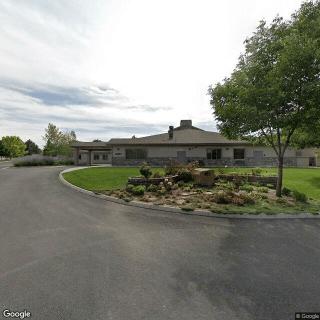
 Lovely, well-maintained facility with friendly staff and effective therapy services.
 Powerful Realities of Elder Abuse and the Most Effective Ways to Report It
 Ten Vital Duties of a Senior Caregiver: A Comprehensive Guide
 9 Stimulating Memory Activities for Seniors: Puzzles, Cards, and Much More