Overall Review of Samuel Mahelona Memorial Hospital
common21 reviews mention this
Staff care is a consistent theme
Residents and patients most often describe the staff as kind, professional, and attentive.
Across the reviews, people repeatedly mention nurses and doctors being caring, courteous, and professional, including quick intake and respectful communication. Several reviewers describe staff taking time to explain what was happening, follow up afterward, or coordinate follow-up with other providers. A smaller set of reviews goes the other way, describing moments of isolation, delays, or a lack of compassion.
common10 reviews mention this
Care starts quickly in emergencies
Many reviewers say they were evaluated and treated quickly once they arrived.
Multiple reviews describe fast movement from check-in to being taken to a room, seeing a doctor, and starting tests or treatment. Reviewers mention being brought back right away, seeing clinicians within minutes, and getting discharge guidance soon after evaluation. One reviewer also describes a different experience with a long wait when others were requesting help.
differentiator13 reviews mention this
Evaluation feels thorough and decisive
Reviewers commonly describe clear diagnoses backed by prompt testing.
Several reviews point to thorough emergency evaluation, including diagnostic testing and timely decision-making that led to specific diagnoses and treatment. People also describe follow-up after visits, such as a next-day check or coordination for continued care elsewhere when additional imaging or specialty follow-up was needed. Reviewers who were admitted describe maintaining supportive care during the hospital stay as well.
caveat4 reviews mention this
Some reviewers report delays or poor bedside
A handful of reviews describe negative care moments, including staffing delays or insufficient comfort.
Some reviewers express dissatisfaction, describing fear-driven assistance, isolation at times, or nurses who did not feel compassionate. Others mention long periods without help despite other patients requesting attention. In one negative review, a reviewer says they were left alone with significant pain and only checked on later after leaving the area.
How we summarize
Counts show how many written reviews mention each theme; a review can touch several themes, and only frequently mentioned themes are displayed.
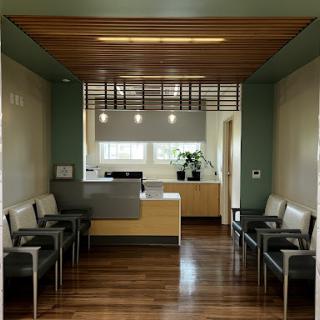
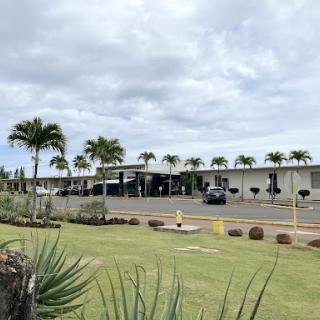
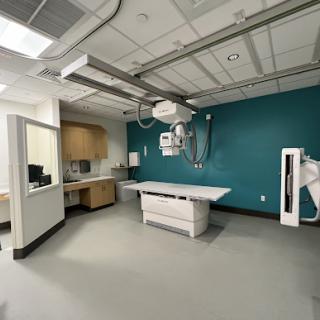
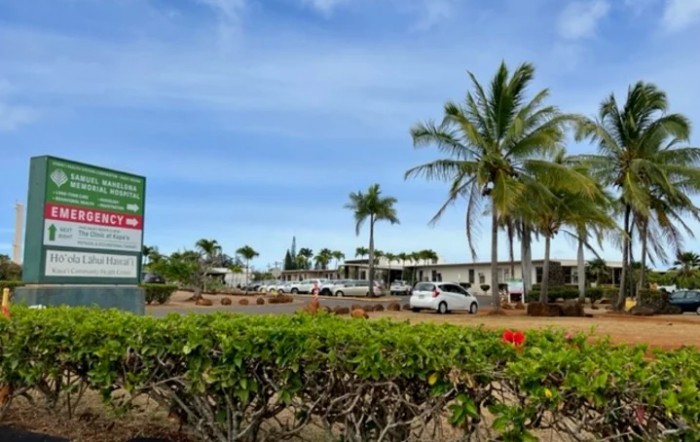
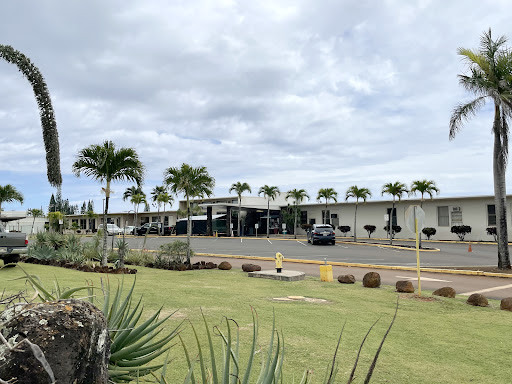
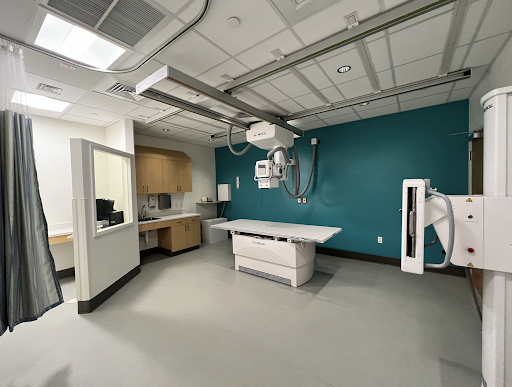
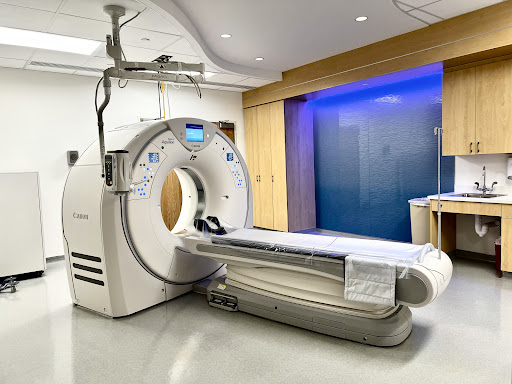
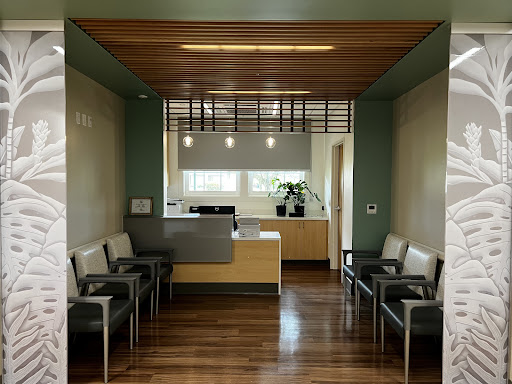
Samuel Mahelona Memorial Hospital on seniors.fyi includes 5 photos including images showing landscaping, palm trees, building, healthcare, interior, office, reception area, parking, and more.
Nearby Communities
All Hearts Arch, LLC
Kapaa, HI
Peaceful Kapaa location with convenient access to healthcare, dining, and amenities.
All Hearts Arch
Kapaa, HI
5 from 8 reviews
Cozy, fully furnished units with 24/7 supervision, meals, and scheduled activities plus outdoor space.
Rabaino's
Kapaa, HI
4 from 89 reviews
Intimate, personalized care with 24-hour supervision and active daily programs.
Wailua Ohana
Kapaa, HI
5 from 2 reviews
Caring, knowledgeable staff and a clean, homelike environment.
Negrillo Arch & Earch
Lihue, HI
Small, intimate assisted living with personalized care and dietary accommodations (diabetes diet and special restrictions).
Yago, Perla
Lihue, HI
Peaceful setting with easy access to parks, pharmacies, healthcare, and dining nearby.
The article highlights nine memory-boosting activities for seniors that enhance cognitive health and social interaction, including puzzles, trivia quizzes, and storytelling, while emphasizing the importance of adapting these activities to individual preferences to maximize enjoyment and engagement. Consistent mental engagement is linked to improved cognitive function and emotional well-being in older adults.
Medicare provides limited coverage for skilled nursing home care, covering full benefits for the first 20 days and partial benefits up to 100 days under certain conditions, after which families must explore alternative funding options like Medicaid or long-term care insurance to manage potentially high costs. Proactive planning is essential to navigate the complexities of financing ongoing care once Medicare coverage ends.
Geriatric care managers create personalized care plans for older adults, addressing their medical, social, financial, and psychological needs while coordinating services and advocating for their well-being. They help families navigate caregiving challenges but may be hindered by high costs and a shortage of qualified professionals.
Get PricingAsk A QuestionSchedule A TourContact Senior Advisor
By clicking submit, you agree to our Partner's Terms of Use. You
also consent to receive calls and texts, which may be autodialed, from our Partner. Your consent is not a condition to
using our Partner's service. Please visit our Partner's Privacy Policy for information about their privacy practices.

 66 resident community capacity
 Skilled Nursing Facility
 Air-conditioning
 Beauty salon
 Cable or satellite TV
 Computer center
 Dining room
 Fitness room
 Fully furnished
 Gaming room
 Garden
 Housekeeping services
 Kitchenette
 Move-in coordination
 Outdoor space
 Private bathrooms
 Restaurant-style dining
 Small library
 Telephone
 Wellness center
 Wi-Fi/high-speed internet available
 Lihue (8 miles away)
 Community operated transportation
 12-16 hour nursing
 24-hour call system
 Activities of daily living assistance
 Assistance with bathing
 Assistance with dressing
 Assistance with transfers
 Diabetes diet
 Medication management
 Mental wellness program
 Special dietary restrictions
 Concierge services
 Planned day trips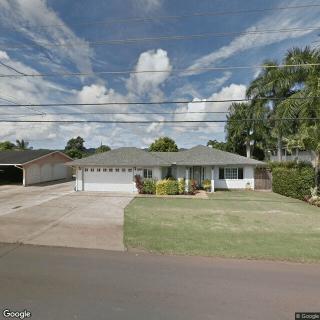
 Peaceful Kapaa location with convenient access to healthcare, dining, and amenities.
 9 Stimulating Memory Activities for Seniors: Puzzles, Cards, and Much More
 Managing Nursing Home Expenses After Medicare Coverage Ends
 Is a Geriatric Care Manager the Right Choice for Your Family?