
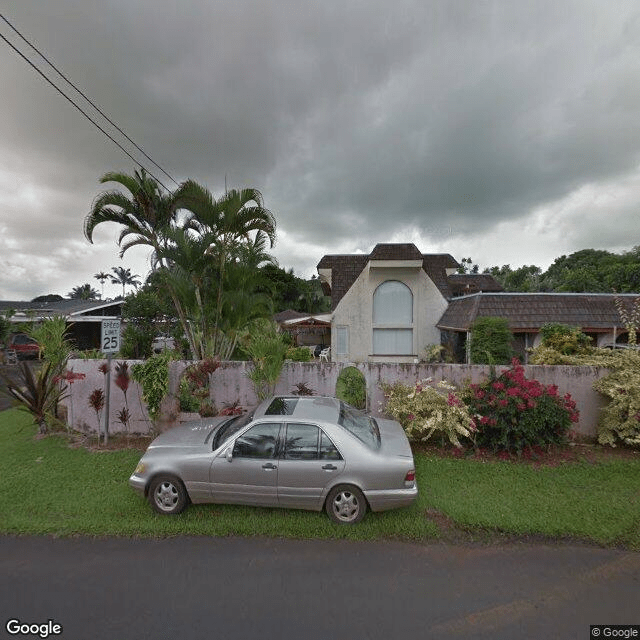
187 Lihau Street, Kapaa, HI 96746
For more information about senior living options: (866) 208-4318
Overall Review of Wailua Ohana
Pros
 The care home is the best the reviewer has ever seen.
- The caregiver is very knowledgeable and takes excellent care of the residents.
- The house is clean, the residents have good food to eat, and everyone is happy to be there.
- The caregiver loves all the residents and the place is family-oriented.
- The reviewers are confident they could not have found a better care facility for their mom.
Review
Wailua Ohana in Kapaa, Hawaii is best suited for families seeking a small, home-like assisted living where individualized attention, a warm, family-oriented culture, and reliable daily care take priority. The reviews portray a setting that feels less institutional and more like a well-run household with a single, knowledgeable caregiver who clearly builds strong bonds with residents. For a senior who thrives on consistent routines, personal warmth, and meals that feel like home, this community presents a compelling fit. The emphasis on happiness and a close-knit atmosphere suggests a residence that sustains meaningful daily interactions and a sense of belonging.
Those considering alternatives should note who this is not every senior’s best match. If a family’s needs center on extensive medical oversight, 24/7 on-site nursing, or access to a wide array of rehabilitative therapies and specialized programs, a larger, more clinical facility may be preferable. Likewise, seniors requiring robust memory-care programming, structured activity calendars with diverse outings, or comprehensive transport logistics might find a bigger community more capable of delivering those services. In short, for families prioritizing a homey, intimate setting with turnkey daily care, Wailua Ohana shines; for higher-acuity medical needs or expansive program offerings, alternatives deserve exploration.
The strongest pro here is the caregiving relationship itself. A knowledgeable caregiver who can manage daily routines with confidence translates into dependable supervision, consistent safety, and responsive problem-solving. Cleanliness and a well-kept environment reinforce a sense of dignity and comfort, while meals described as consistently good support nutrition and enjoyable dining experiences, critical factors for long-term wellbeing and satisfaction. The resident community’s happiness and the clearly familial, loving dynamic further reduce the burden on families, who gain trust that their loved one is cherished and well cared for. Taken together, these elements create a practical, low-stress caregiving solution for families.
Because the reviews do not flag any appreciable drawbacks, the main trade-offs are implicit rather than explicit. Small, home-style settings often contend with more limited formal medical oversight and a narrower scope of services than larger campuses. The notable upside in this case is that the same features that underwrite emotional safety, steady caregiver attention, a cohesive resident group, and a warm, nourishing environment, help offset potential gaps in clinical resources. In other words, the very strengths that build trust and comfort among residents also mitigate common concerns about smaller homes: with a dedicated caregiver and a family-like culture, practical quality of life factors tend to outrun the missing breadth of services.
For families evaluating options, a practical visit plan can crystallize fit. Prioritize meetings with the caregiver to assess communication style, care planning, and responsiveness to questions about daily routines. Observe interactions between staff and residents to gauge warmth, patience, and respect. Inspect the dining area during a meal to judge ambiance and nutritional quality, and ask about meal variety and customization. Request transparency on staffing levels, overnight coverage, and how emergencies are managed. Speak with current residents or family members about their experiences, and assess how involved families can remain in care decisions. Such firsthand observations will reveal whether the home-like strengths translate into reliable, ongoing quality.
In summary, Wailua Ohana stands out for families seeking an intimate, compassionate, home-centered living arrangement in Kapaa. Its core advantages, an expert, caring presence; a clean, welcoming environment; nourishing meals; and a genuinely family-oriented culture, offer compelling value for those prioritizing daily comfort and emotional well-being. While not the right fit for seniors needing extensive clinical services or a large, activity-packed campus, the strengths here more than offset typical trade-offs for a niche that prizes warmth, consistency, and belonging. For the right match, this community can deliver reassurance, stability, and a high quality of life in a setting many families will value highly.
 4 resident community capacity
 Assisted Living
 Board and Care Home
 Cable or satellite TV
 Dining room
 Fully furnished
 Garden
 Housekeeping services
 Move-in coordination
 Outdoor space
 Telephone
 Wi-Fi/high-speed internet available
 Lihue (6 miles away)
 24-hour supervision
 Activities of daily living assistance
 Assistance with bathing
 Assistance with dressing
 Assistance with transfers
 Diabetes diet
 Meal preparation and service
 Medication management
 Special dietary restrictions
 Transportation arrangement (medical)
 Transportation to doctors appointments
 Assisted Living and Memory Care: Understanding Their Core Differences
 Beyond the Bingo Hall: 50+ Enriching Activities for Seniors in Assisted Living
 Understanding the Distinctions: Assisted Living and Memory Care Explained