Leahi Hospital

Save

Leahi Hospital

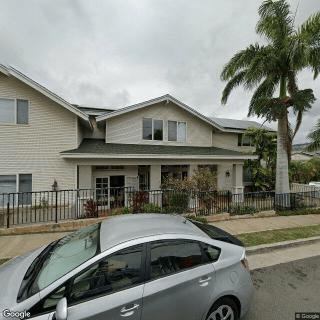
3675 Kilauea Avenue, Honolulu, HI 96816

For more information about senior living options: (844) 490-3973

4.9 from 60 reviews
5 stars
58
4 stars
1
3 stars
0
2 stars
0
1 stars
1

Skilled Nursing Facility

Overall Review of Leahi Hospital

Pros

  • pro The nursing staff at Leahi receive high praise for excellent, attentive, and compassionate care.
  • pro Recreational therapy is engaging and well-led, with staff who are attentive, positive, energetic, and know residents by name and needs.
  • pro The overall staff are hardworking, patient, caring, friendly, and accommodating to both residents and visitors.
  • pro Families express gratitude for professional, loving care that helps their loved ones thrive.
  • pro The facility is consistently described as clean, bright, and welcoming, with helpful front-desk and security staff.
  • pro Staff regularly create special moments for residents, such as singing Happy Birthday and organizing engaging activities.
  • pro RNs and support staff are noted as helpful, compassionate, and kind in their interactions with residents.

Cons

  • pro The name is misleading to visitors, who think Leahi is a hospital rather than an adult rehabilitation center.
  • pro Leahi is described as a "Fair Weather Friend" that discards difficult patients by sending them to the ER.
  • pro The staff are accused of knowing nothing about dementia basics and of ignoring medical advice.
  • pro The medications given allegedly worsened the dementia and caused psychosis, with concerns ignored.
  • pro COVID-19 is traced back to Leahi, implying the facility contributed to the outbreak.
  • pro Language barriers exist due to limited Korean-speaking staff, hindering communication and care.

Review

Leahi Hospital Nursing Home is a place that inspires a wide range of feelings in those who know it well. The experiences shared by families run the gamut from deep gratitude for exceptional, family-like care to sharp frustration over problems that surface in dementia care and clinical management. Taken together, the stories present a picture of a facility that can feel like a lifesaving home for some residents while exposing serious shortcomings that echo for others. In one family's long-running narrative, Leahi became a steady anchor for a beloved matriarch in her nineties, and in another, critics warned that the same walls could become a hospital's echo chamber, with systemic gaps that needed urgent attention.

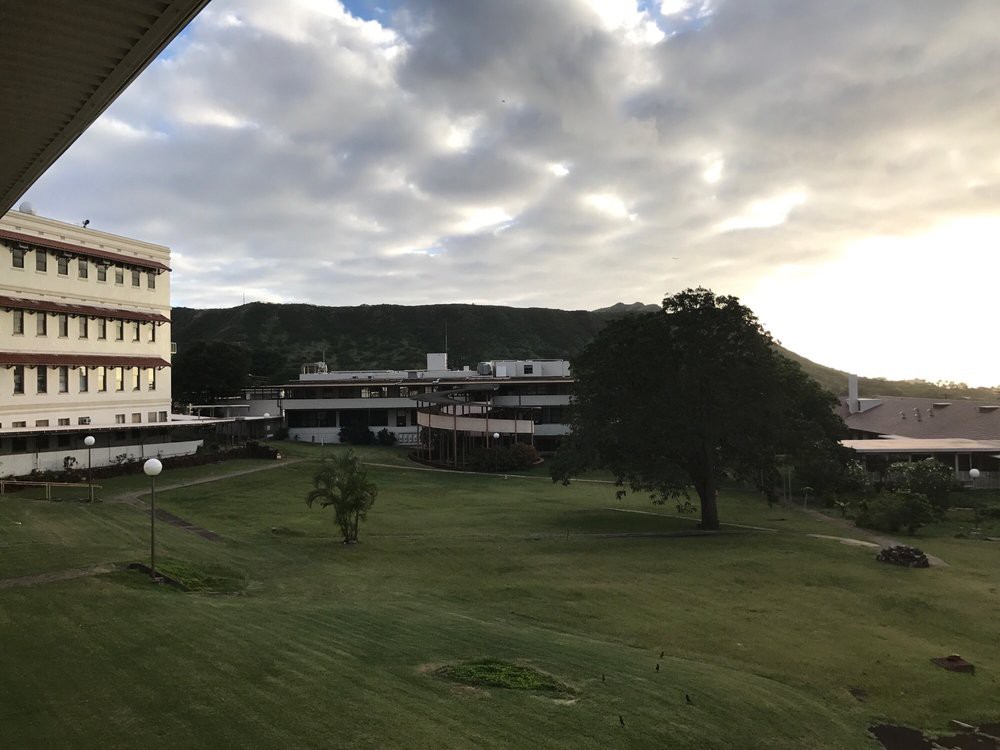
Among the most resonant praise comes from a family member who has watched a 92-year-old mother-in-law with severe dementia thrive under Leahi's care for nearly two years. The reviewer emphasizes that the care team's nursing support has been a crucial factor in keeping her mother-in-law alive and active given her age and diagnosis. Although the building is older, the facility is described as sparkling clean, and the aged look is argued to actually contribute to a sense of comfort and familiarity for someone who is unusually elderly. Weight regain stands out as a tangible sign of improvement: meals are tasty and well-balanced, and staff assistance helps her mother-in-law eat enough. The reviewer notes a shift from restless pacing to engagement, as the resident begins to sit, socialize, and participate in group activities with the gentle help of the care team. In short, the care here feels like a stabilizing, home-like environment where staff support meaningful daily moments.

Not all experiences, however, fit the same glowing mold. A second, much more mixed and strongly negative account centers on the same facility's approach to dementia care and general medical management. This reviewer refers to Leahi as a "Fair Weather Friend," accusing the administration of letting patients deteriorate when they require more effort and instead proposing ER transfers to distance themselves from the most challenging cases. The reviewer recalls a prior favorable impression of several staff members in a month-long stay for a father with dementia, pointing out that a handful of nurses and staff - names like Star, Armeda, Essen, Jennifer, Suzie, Carla, and Linda - were genuinely caring and professional, and made that year-long stay bearable. Yet the core concern is that, despite being registered as a dementia/Alzheimer's facility, the majority of the leadership and clinical team appeared to lack a working understanding of dementia's stages and symptoms. The reviewer alleges that head nurses and the primary doctor did not listen to well-founded medical input, including advice from a consulted doctor, and that the patient was prescribed medications that worsened dementia symptoms. The series of episodes culminated in an ER transfer, a hospital stay, and, ultimately, the patient's death - a timeline the reviewer attributes in part to medication mismanagement and language barriers, with Korean-speaking staff being scarce and not always available to bridge communication gaps with the patient. The experience prompts a call for better dementia training, stronger leadership, and more attentive, culturally competent care.

Yet even within these critiques, there are strong notes of praise for the facility's day-to-day life and its people. Recreational Therapy (RT) is singled out as a standout, described as one of the most engaging programs and a bright spot in the day's rhythm. An afternoon session buzzing with activity - ranging from traditional games like Hanafuda to hands-on crafts like lei making, plus movies, laundry folding, manicures, and even a barber shop corner - paints a picture of a lively, resident-centered atmosphere. The RT staff are portrayed as attentive, positive, and energetic, with a genuine knowledge of each resident's name, personality, and needs. One resident's reluctance to leave the room is turned into a testament to the program's draw, rather than a refusal to participate.

Across the broader staff ecosystem, another thread of praise emphasizes the dedication and warmth of the nursing team and other employees. Reviewers frequently highlight the patience, caring, and professionalism they see in nurses and aides, as well as their willingness to accommodate visitors. A simple birthday celebration for a resident is described as turning a routine morning into something special, underscoring the sense of family that staff can cultivate on a given day. In one instance, a security guard named Michael is remembered for his kindness during a moment of need, illustrating that even non-clinical staff can contribute to a sense of safety and support. The facility's front-desk and check-in ethos also receive praise, with Rodney described as pleasant, professional, and consistently helpful at the entry point, reinforcing a culture of warmth from first contact.

The sense of community continues to surface in appreciations from both residents and their families. The Leahi staff's impact is not limited to one-on-one care; there are vivid snapshots of group interactions and community engagements. The senior group Na Kupuna ?O Ko'olau participating in daytime activities for the Adult Day Care group, the presence of a musical trio entertaining residents and staff, and the general perception that the entire team is approachable, professional, and easy to work with all contribute to a feeling that Leahi functions as a welcoming hub. The RNs cited - Daisy, Angela, and Frank - together with the broader support team, are repeatedly thanked for their compassion and competence, with visitors expressing deep gratitude for the ongoing care that allows them peace of mind about their loved ones.

In balancing the lived experiences, it's clear Leahi Hospital Nursing Home can feel like two different places depending on whom you ask. For some families, it is a lifeline that sustains a senior loved one - providing quiet competency, warmth, and meaningful daily activity that make a real difference in appetite, engagement, and dignity. For others, it reveals gaps that a dementia-focused program must confront: inconsistent dementia care training, the potential for medication mismanagement, and the realities of language barriers in critical moments. Taken as a whole, the narratives suggest Leahi is a facility capable of remarkable, heartening care when the stars align - clear, clean, and person-centered, with a team that treats residents like family - and it also signals a need for ongoing attention to dementia-specific expertise, leadership consistency, and culturally sensitive communication. The overarching sentiment remains one of gratitude for the care that is provided, tempered by a call to strengthen policies, training, and oversight so that all residents receive safe, informed, and compassionate care every day.

Features

Housing

  • 109 resident community capacity 109 resident community capacity

Types of Care

  • Skilled Nursing Facility Skilled Nursing FacilitySkilled Nursing Facilities are crucial for seniors as they provide round-the-clock medical care, rehabilitation services, and assistance with daily activities. These facilities ensure that seniors receive the specialized care they need to maintain their health and well-being as they age.

Amenities

  • Air-conditioning Air-conditioningAir conditioning is important for seniors as they are more vulnerable to heat-related illnesses and may have underlying health conditions that make it difficult for them to regulate their body temperature. It helps to keep them comfortable, safe, and healthy in hot weather.
  • Beauty salon Beauty salonBeauty salons are important for seniors because they provide a space for them to feel pampered, socialize, and maintain their personal grooming and hygiene. Regular visits to a beauty salon can help boost seniors' self-esteem and overall well-being.
  • Cable or satellite TV Cable or satellite TVCable or satellite TV is important for seniors because it provides entertainment, news, and companionship, helping to combat loneliness and boredom. It also offers a wide range of programming options tailored to different interests and preferences.
  • Computer center Computer centerA computer center is essential for seniors as it provides access to technology, communication tools, and resources that can enhance their daily lives. It allows them to stay connected with loved ones, engage in online activities, and learn new skills, ultimately promoting socialization and mental stimulation.
  • Dining room Dining roomDining rooms are important for seniors as they provide a space for socialization, connection, and nutritious meals. They offer opportunities for residents to bond over shared meals, foster a sense of community, and promote healthy eating habits. Dining rooms also ensure that seniors have access to well-balanced meals tailored to their dietary needs and preferences.
  • Fitness room Fitness roomHaving a fitness room in a senior living community is essential for seniors to stay active, maintain their physical health, and improve their overall well-being. Regular exercise can help prevent falls, reduce the risk of chronic diseases, and promote mental sharpness. It also provides social opportunities for residents to connect with others and enjoy a sense of community.
  • Fully furnished Fully furnishedFully furnished senior living communities are important for seniors because they provide convenience, comfort, and a hassle-free moving experience. Seniors can easily settle into their new living space without the stress of having to buy and move furniture. This allows them to focus on enjoying their new home and community.
  • Gaming room Gaming roomGaming rooms are important for seniors as they provide a fun and engaging environment for socializing, cognitive stimulation, and physical activity. Games can improve memory, problem-solving skills, and overall mental well-being while fostering friendships and reducing feelings of isolation.
  • Garden GardenGardens are important for seniors as they provide a peaceful and therapeutic environment for relaxation, physical activity, and socialization. Being in nature has been shown to reduce stress, improve mood, and promote overall well-being. Gardens also offer opportunities for seniors to engage in gardening activities, which can improve mobility, flexibility, and cognitive function. Additionally, gardens create a sense of community and connection with others who share a passion for plants and outdoor spaces.
  • Housekeeping services Housekeeping servicesHousekeeping services are important for seniors because they help maintain a clean and safe living environment, promote independence, and reduce the risk of accidents or illnesses. Additionally, having assistance with household chores can alleviate physical strain and allow seniors to focus on other aspects of their well-being.
  • Kitchenette KitchenetteKitchenettes are important for seniors living in senior living communities because they provide the convenience and independence of being able to prepare simple meals and snacks in the comfort of their own living space. This can help promote a sense of autonomy and well-being for seniors, allowing them to maintain some level of control over their dietary choices and daily routines.
  • Move-in coordination Move-in coordinationMove-in coordination is important for seniors because it helps ease the transition into their new living environment. It ensures that all logistics, such as packing, organizing movers, and setting up utilities are taken care of, allowing seniors to focus on settling in and adjusting to their new home. Having a smooth move-in process can alleviate stress and anxiety, making the transition smoother and more enjoyable for seniors.
  • Outdoor space Outdoor spaceOutdoor spaces are important for seniors as they provide opportunities for physical activity, social interaction, exposure to natural light and fresh air, and a sense of connection to nature. Having access to outdoor spaces can improve overall well-being and quality of life for older adults living in senior communities.
  • Private bathrooms Private bathroomsPrivate bathrooms are important for seniors in senior living communities because they provide independence, dignity, and comfort. Having a private bathroom allows seniors to maintain their personal hygiene routines without the need for assistance, promoting a sense of autonomy and privacy. Additionally, private bathrooms help prevent the spread of infections and provide a safe and clean environment for seniors to navigate safely.
  • Restaurant-style dining Restaurant-style diningRestaurant-style dining is important for seniors because it allows them to enjoy delicious, nutritious meals in a social and upscale setting. This enhances their dining experience, promotes healthy eating habits, and fosters socialization with fellow residents, ultimately contributing to their overall well-being and quality of life.
  • Small library Small librarySmall libraries are important for seniors as they provide access to a variety of reading materials, including books, newspapers, and magazines. This can help stimulate their minds, keep them engaged, and provide a sense of community through book clubs and other social activities. Additionally, reading has been shown to improve cognitive function and overall mental well-being in older adults.
  • Telephone TelephoneTelephones are important for seniors as they provide a lifeline for communication with loved ones, emergency services, and healthcare providers. They offer a sense of security and independence, enabling seniors to stay connected and access assistance when needed.
  • Wellness center Wellness centerWellness centers are important for seniors because they offer a variety of programs and services that promote physical, mental, and emotional well-being. These centers provide opportunities for exercise, socialization, education, and relaxation, helping seniors maintain their overall health and quality of life.
  • Wi-Fi/high-speed internet available Wi-Fi/high-speed internet availableWi-Fi/high-speed internet is important for seniors to stay connected with loved ones, access online resources, and participate in virtual activities to combat feelings of loneliness and isolation. It also allows them to easily manage healthcare needs, access entertainment, and engage in lifelong learning opportunities.

Transportation

  • Honolulu International (8 miles away) Honolulu International (8 miles away)
  • Community operated transportation Community operated transportationCommunity operated transportation is crucial for seniors as it provides them with the means to access essential services, social activities, and medical appointments. It allows seniors to maintain their independence and quality of life by ensuring they can participate in activities outside of their homes. Additionally, community-operated transportation services offer a safe and reliable way for seniors to travel without having to rely on family or friends for assistance.
  • Transportation arrangement Transportation arrangementTransportation arrangements are crucial for seniors as they may face challenges with driving, mobility, or access to public transportation. Having reliable transportation services ensures that seniors can easily attend appointments, social activities, and maintain their independence and quality of life.
  • Transportation arrangement (non-medical) Transportation arrangement (non-medical)Transportation arrangements are essential for seniors as they provide access to essential services, activities, and social interactions outside the home. This service helps maintain independence, mobility, and overall well-being for seniors who may have limited transportation options.
  • Transportation to doctors appointments Transportation to doctors appointmentsTransportation to doctors appointments is crucial for seniors as it ensures they have access to necessary medical care and support, promoting their health and well-being. It allows them to receive timely treatment, monitor existing conditions, and address any new health concerns efficiently. Additionally, transportation services can help seniors maintain their independence and quality of life by enabling them to stay connected with their healthcare providers.

Care Services

  • 12-16 hour nursing 12-16 hour nursing12-16 hour nursing care is crucial for seniors in order to ensure around-the-clock monitoring, timely medication administration, and prompt response to any health concerns or emergencies. This level of care helps to promote the overall well-being and safety of seniors living in senior living communities.
  • 24-hour call system 24-hour call system24-hour call systems are important for seniors because they provide peace of mind and immediate assistance in case of emergencies. This technology ensures that help is always available, promoting safety and security for elderly individuals living alone or in assisted living facilities.
  • 24-hour supervision 24-hour supervision24-hour supervision is important for seniors to ensure their safety, well-being, and access to immediate assistance in case of emergencies or health issues. This constant support provides peace of mind for both seniors and their loved ones, allowing them to age in place with dignity and security.
  • Activities of daily living assistance Activities of daily living assistanceActivities of daily living assistance are important for seniors because they provide essential support with tasks such as eating, bathing, dressing, and mobility. This assistance helps seniors maintain their independence, dignity, and overall quality of life as they age.
  • Assistance with bathing Assistance with bathingAssistance with bathing is crucial for seniors as it helps maintain personal hygiene, prevents infections, and ensures their overall well-being and comfort. It also provides a sense of dignity and independence for seniors who may struggle with this task on their own.
  • Assistance with dressing Assistance with dressingAssistance with dressing is important for seniors because it helps maintain their independence, promotes personal hygiene, prevents accidents and injuries, and improves overall quality of life. This service ensures that seniors can continue to dress comfortably and confidently, despite any physical limitations they may have.
  • Assistance with transfers Assistance with transfersAssistance with transfers is crucial for seniors as it helps prevent falls and injuries, maintains their independence, and ensures they can safely navigate their living environment. It also provides peace of mind for both seniors and their loved ones.
  • Diabetes diet Diabetes dietA diabetes diet is crucial for seniors as it helps manage blood sugar levels, reduce risks of complications, and improve overall health and well-being. By following a balanced and nutritious diet tailored to their specific needs, seniors can better control their diabetes and enhance their quality of life.
  • Meal preparation and service Meal preparation and serviceMeal preparation and service are crucial for seniors as they may have limited mobility or energy to cook nutritious meals. Having access to healthy and convenient food options can ensure they are getting the proper nutrition needed to maintain their overall health and well-being.
  • Medication management Medication managementMedication management is crucial for seniors to ensure they are taking the right medications at the correct dosages and times. This helps prevent adverse drug interactions, reduces the risk of medication errors, and promotes overall health and well-being. Proactive management also allows for adjustments as needed based on changing health conditions or new prescriptions.
  • Mental wellness program Mental wellness programMental wellness programs are essential for seniors as they promote cognitive stimulation, emotional support, and social engagement. These programs help prevent isolation, depression, and cognitive decline, ultimately enhancing the overall quality of life for older adults.
  • Special dietary restrictions Special dietary restrictionsSpecial dietary restrictions are important for seniors because age-related changes in metabolism and health conditions can make it difficult for their bodies to process certain foods. By following a diet tailored to their specific needs, seniors can maintain their overall health and well-being, manage chronic conditions, and reduce the risk of complications such as malnutrition or food interactions with medications.

Dining

  • Diabetes diet Diabetes dietA diabetes diet is crucial for seniors as it helps manage blood sugar levels, reduce risks of complications, and improve overall health and well-being. By following a balanced and nutritious diet tailored to their specific needs, seniors can better control their diabetes and enhance their quality of life.
  • Special dietary restrictions Special dietary restrictionsSpecial dietary restrictions are important for seniors because age-related changes in metabolism and health conditions can make it difficult for their bodies to process certain foods. By following a diet tailored to their specific needs, seniors can maintain their overall health and well-being, manage chronic conditions, and reduce the risk of complications such as malnutrition or food interactions with medications.

Activities

  • Community-sponsored activities Community-sponsored activitiesCommunity-sponsored activities are important for seniors as they provide opportunities for social interaction, mental stimulation, and physical activity. These activities can help improve overall well-being, combat loneliness and isolation, and promote a sense of belonging and purpose among older adults.
  • Concierge services Concierge servicesConcierge services are essential for seniors as they provide assistance with daily tasks and errands, enhance their quality of life by offering convenience and personalized care, and promote a sense of safety and security.
  • Fitness programs Fitness programsFitness programs are crucial for seniors as they help improve strength, flexibility, balance, and overall well-being. Staying active can reduce the risk of chronic diseases, improve mental health, and enhance quality of life in older adults.
  • Planned day trips Planned day tripsPlanned day trips are important for seniors because they offer opportunities for socialization, mental stimulation, and physical activity. They provide a change of scenery and help seniors stay engaged and connected to their community, promoting overall well-being and quality of life.
  • Resident-run activities Resident-run activitiesResident-run activities are important for seniors as they encourage social interaction, creativity, and a sense of autonomy. These activities empower seniors to stay engaged and active in their community while fostering meaningful connections with their peers.
  • Scheduled daily activities Scheduled daily activitiesScheduled daily activities are important for seniors because they provide structure, socialization, mental stimulation, and physical activity. Engaging in regular activities can improve overall well-being and quality of life for seniors living in a community setting.

Description

Leahi Hospital in Honolulu, HI is a well-equipped assisted living community that offers a wide range of amenities to enhance the comfort and convenience of its residents. The community features a beauty salon where residents can pamper themselves, as well as cable or satellite TV in each room for entertainment. Community-operated transportation is available to help residents get around, whether it's for shopping or other activities.

For those who want to stay connected, there is a computer center with Wi-Fi/high-speed internet access. Meals are served in a dining room with restaurant-style dining, and special dietary restrictions are accommodated. Housekeeping services ensure that the living spaces remain clean and tidy.

Leahi Hospital understands the importance of physical well-being and offers a fitness room for exercise. There is also an outdoor space where residents can relax and enjoy nature. The gaming room provides an opportunity for socialization and recreation. Additionally, there is a small library for book lovers.

The staff at Leahi Hospital are dedicated to meeting the needs of the residents and offer assistance with activities of daily living such as bathing, dressing, and transfers. Medication management is provided to ensure that residents take their medications on time. A mental wellness program helps support the emotional well-being of individuals.

Transportation arrangements are available both for non-medical purposes and for doctor's appointments. Move-in coordination makes transitioning into the community easy and stress-free.

In terms of care services, there is 24-hour call system to provide immediate assistance if needed. Residents receive 24-hour supervision to ensure their safety. Diabetes diet is offered for those with specific dietary needs.

Leahi Hospital strives to create an active and engaging environment for its residents by offering various activities such as fitness programs, planned day trips, resident-run activities, and scheduled daily activities. Concierge services are also provided to assist with any special requests or inquiries.

The community is conveniently located near several cafes, parks, pharmacies, physicians, restaurants, places of worship, and hospitals. This ensures that residents have easy access to various amenities and services in the surrounding area.

Overall, Leahi Hospital provides a comfortable and supportive environment for seniors where they can receive the care they need while enjoying a range of amenities and activities.

Nearby Places of Interest

Cafes

  • The Coffee Bean and Tea Leaf (0.6 miles)
  • Starbucks (1.1 miles)
  • Knots Coffee Roasters (1.2 miles)
  • Barefoot Beach Cafe (1.3 miles)
  • Kai Coffee (1.4 miles)
  • Kona Coffee Purveyors | b.patisserie (1.6 miles)
  • Hawaiian Aroma Caffe (1.7 miles)

Restaurants

  • Diamond Head Market & Grill (0.6 miles)
  • Rainbow Drive- In (0.8 miles)
  • Ono Seafood (0.9 miles)
  • McDonald's (1 miles)
  • Leonard's Bakery (1.1 miles)
  • Hula's Bar & Lei Stand (1.3 miles)
  • Lulu's Surf Club (1.3 miles)

Physicians

  • Kato & Shoji Optometrists - Kapahulu Office (0.9 miles)
  • The Queen's Health Care Centers (1 miles)
  • Dr. Kathy Iida (1 miles)
  • Carlson Ronald S DDS (1.1 miles)
  • Blane Kalani Chong (1.1 miles)
  • Kaimuki Center For Dentistry (1.1 miles)
  • Cloward Instrument Corporation (1.1 miles)

Pharmacies

  • Times Supermarkets (1 miles)
  • Longs Drugs (1.1 miles)
  • Times Supermarkets (1.1 miles)
  • Longs Drugs (1.9 miles)
  • CVS Pharmacy (2 miles)
  • Longs Drugs (2 miles)
  • ECO Office Furniture (2.4 miles)

Parks

  • Fort Ruger Park (1 miles)
  • Kapiolani Park (1 miles)
  • Lēʻahi Beach Park (1.4 miles)
  • Waialae Iki Park (2.2 miles)
  • Magic Island (2.8 miles)
  • Manoa Valley District Park (2.9 miles)

Places of Worship

  • Sacred Heart Church (2.8 miles)

Hospitals

  • Kapiolani Medical Center for Women & Children (2.8 miles)

Frequently Asked Questions

Where is Leahi Hospital?
What photos are available for Leahi Hospital in Honolulu, Hawaii?

Nearby Communities

Related Resources

  • non medical home careExploring Nonmedical Home Care: Understanding Services, Costs, and Financial Approaches

    Nonmedical home care provides assistance with daily activities and companionship for individuals wishing to maintain independence and quality of life at home, without medical intervention. Its growing popularity is driven by an aging population, the need for supportive environments for recovery, and the emotional benefits of caregiver companionship, while costs vary based on service frequency and location.

  • brain games for seniorsEngaging Brain Games and Innovative Apps to Keep Senior Minds Active
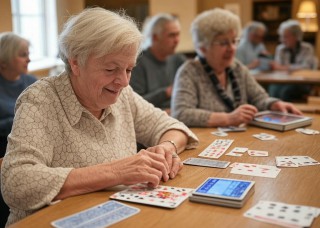
    Maintaining cognitive fitness through engaging in various brain games, both traditional and digital, is crucial for seniors as it enhances memory retention, problem-solving abilities, and emotional well-being while helping to protect against age-related decline. A holistic approach that includes diverse activities, physical exercise, a balanced diet, and social interaction further supports mental health and cognitive function.

  • brain games for seniorsEffective Strategies for Keeping Seniors' Minds Active: A Deep Dive into Brain Games and Apps


    The article outlines strategies for keeping seniors' minds active through brain games and apps, highlighting the importance of cognitive exercises, social engagement, and a healthy lifestyle in combating cognitive decline. It emphasizes the benefits of various types of games and offers practical tips for maintaining mental wellness through enjoyable activities while acknowledging their limitations.