For more information about senior living options: (866) 208-4318
3.3 from 116 reviews
5 stars
59
4 stars
8
3 stars
3
2 stars
5
1 stars
41
Overall Review of Hilo Medical Center
common2 reviews mention this
Parking options are available
Parking is described as available, including covered and valet options.
Several reviewers mention parking as a practical point, with one noting lots of parking and covered spots. Another describes valet parking during construction.
caveat2 reviews mention this
Food quality and timing vary
Dining experiences can be uneven, including slow service and mix-ups with dietary needs.
One review says cafeteria service was poor for dietary needs, describing allergy-related problems and long waits for items. Another mentions food service being uneven during a serious hospital visit, even while noting it was better than some other experiences.
caveat5 reviews mention this
ER waits can be long
Some ER visits involve long waits before care begins.
Multiple reviewers describe waiting in lobbies or hallways before being brought back, including a two-plus-hour wait after ER check-in. Others mention longer delays such as being left without pain relief for a period, waiting in a waiting room for about an hour, or saying the ER wait time is too long.
How we summarize
Counts show how many written reviews mention each theme; a review can touch several themes, and only frequently mentioned themes are displayed.
Features
Housing
35 resident community capacity
Types of Care
Skilled Nursing Facility
Amenities
Beauty salon
Cable or satellite TV
Dining room
Fully furnished
Garden
Housekeeping services
Kitchenette
Move-in coordination
Outdoor space
Restaurant-style dining
Small library
Telephone
Wi-Fi/high-speed internet available
Transportation
Hilo International (4 miles away)
Care Services
24-hour call system
24-hour supervision
Activities of daily living assistance
Assistance with bathing
Assistance with dressing
Assistance with transfers
Diabetes diet
Meal preparation and service
Medication management
Mental wellness program
Special dietary restrictions
Dining
Diabetes diet
Special dietary restrictions
Activities
Community-sponsored activities
Resident-run activities
Scheduled daily activities
Nearby Places of Interest
This part of Hilo, Hawaii, offers a convenient and diverse range of amenities for seniors looking to settle in the area. With healthcare facilities such as East Hawaii Health Clinic and Hawaii Pacific Oncology Center nearby, residents have access to quality medical care. The proximity of Hilo Medical Center ensures easy access to hospital services. The abundance of parks like Wailuku River State Park and Rainbow Falls Park provide opportunities for leisurely strolls and enjoying nature. Various places of worship are within a few miles, including Kaumana Drive Baptist Church and New Hope Christian Fellowship. Additionally, there are several dining options ranging from local eateries like Pete's Belly Bustazs to familiar chains like McDonald's. Pharmacies like CVS Pharmacy and Longs Drugs are easily accessible for medication needs. Transportation options such as AA Marshall's Taxi and U-Haul Neighborhood Dealer make getting around town convenient. Overall, this area offers a well-rounded community environment for seniors to enjoy their golden years in Hilo.
Physicians
Okamura, Charles East Hawaii Health Clinic (0 miles)
East Hawaii Health Clinic - Primary Care (0 miles)
East Hawaii Health - Cancer Center (0.1 miles)
East Hawaii Health - Otolaryngology (ENT) (0.1 miles)
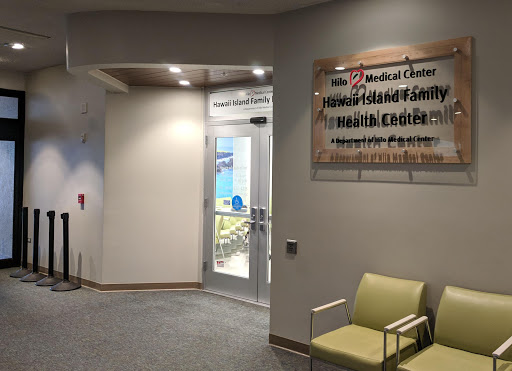
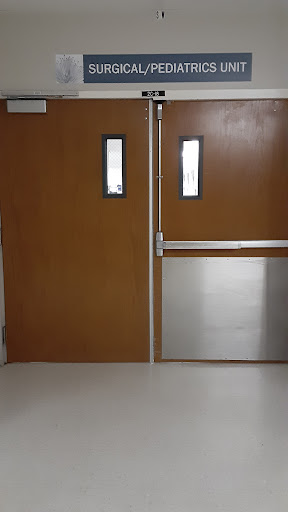
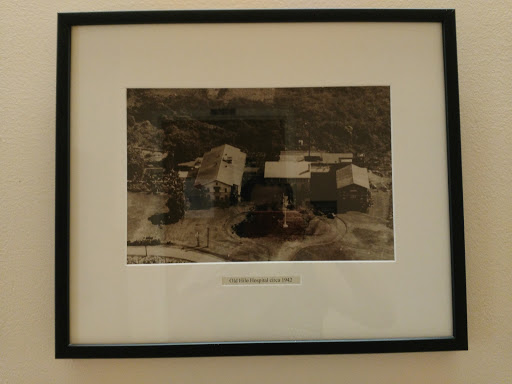
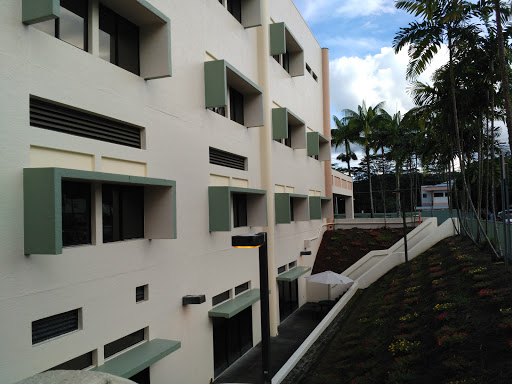
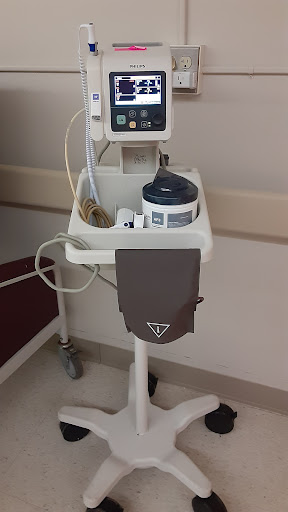
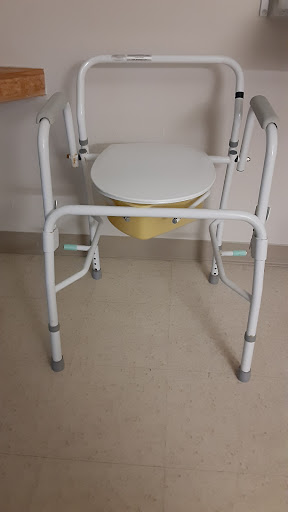
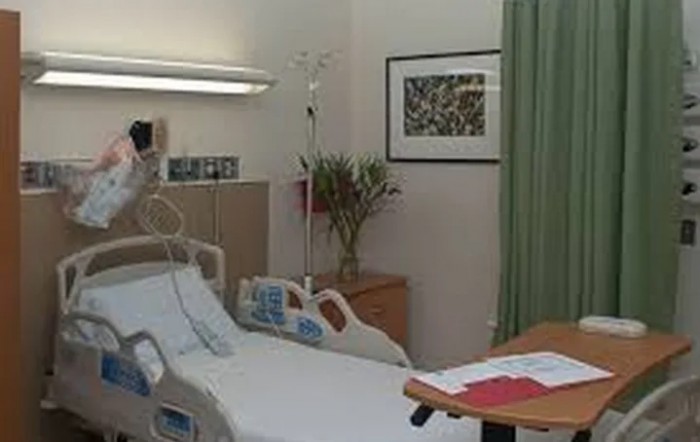
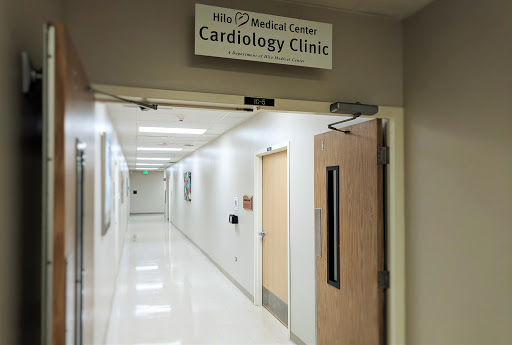
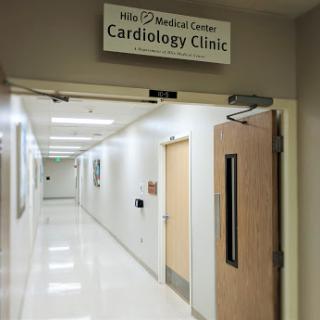
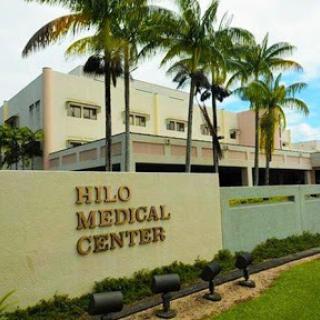
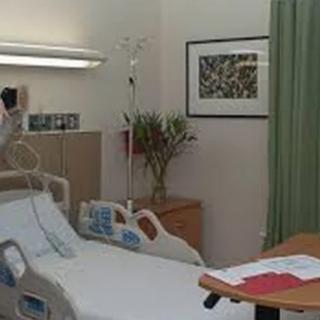
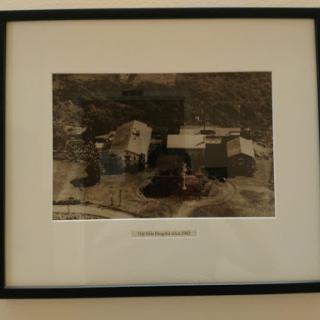
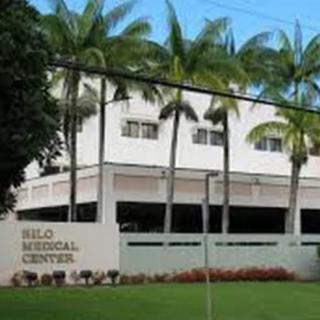
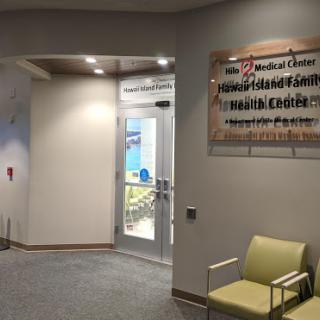
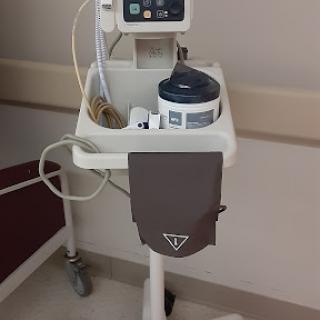
Hilo Medical Center on seniors.fyi includes 11 photos including images showing healthcare, building, palm trees, interior, landscaping, outdoor, clouds, hallway, and more.
Nearby Communities
Ka Hale O Na Lima Aloha
Hilo, HI
Extensive nearby amenities (dining, parks, healthcare, transportation) for convenience and social interaction.
Yukio Okutsu State Veterans Home
Hilo, HI
4.6 from 31 reviews
Clean, well-maintained environment with compassionate staff and responsive leadership.
Hale Anuenue Restorative Care
Hilo, HI
4.8 from 121 reviews
Attentive staff with well-coordinated rehab in a pleasant, garden-filled setting.
Haili Elderly Apartments
Hilo, HI
3 from 2 reviews
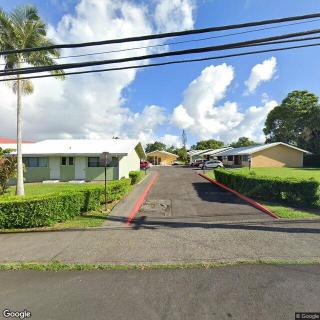
Great access to dining, parks, healthcare, and transit nearby.
Island Care Home
Hilo, HI
Fully furnished accommodations with 24-hour supervision and diabetes-friendly dining.
Hilo Val-Hala Apartments
Hilo, HI
3.9 from 10 reviews
Strong access to nearby services and social activities.
Caregiver exhaustion, or burnout, stems from the relentless demands of caregiving, leading to emotional and physical depletion characterized by stress, frustration, and neglect of personal needs. Addressing this burden is essential to prevent long-term consequences, with early recognition and support being crucial for caregivers to maintain balance and implement self-care.
Hospice care at home provides specialized end-of-life support that focuses on comfort and dignity for individuals with life-limiting illnesses, offering a range of services including medical management, emotional and spiritual support, and logistical assistance tailored to the family's needs. It involves collaboration to create individualized care plans and extends to bereavement support after a loved one's passing.
The guide outlines the rising costs of 24/7 in-home care, ranging from $10,000 to over $20,000 monthly, driven by factors such as location and caregiver qualifications. It discusses the limited coverage by Medicare and private insurance, potential Medicaid support, and the emotional and living condition considerations influencing families' decisions on care arrangements.
Get PricingAsk A QuestionSchedule A TourContact Senior Advisor
By clicking submit, you agree to our Partner's Terms of Use. You
also consent to receive calls and texts, which may be autodialed, from our Partner. Your consent is not a condition to
using our Partner's service. Please visit our Partner's Privacy Policy for information about their privacy practices.






 35 resident community capacity
 Skilled Nursing Facility
 Beauty salon
 Cable or satellite TV
 Dining room
 Fully furnished
 Garden
 Housekeeping services
 Kitchenette
 Move-in coordination
 Outdoor space
 Restaurant-style dining
 Small library
 Telephone
 Wi-Fi/high-speed internet available
 Hilo International (4 miles away)
 24-hour call system
 Activities of daily living assistance
 Assistance with bathing
 Assistance with dressing
 Assistance with transfers
 Diabetes diet
 Medication management
 Mental wellness program
 Special dietary restrictions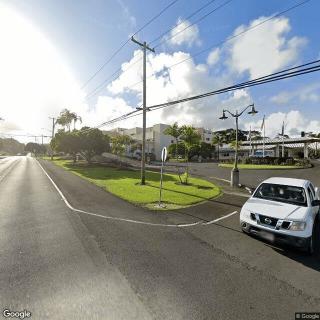
 Extensive nearby amenities (dining, parks, healthcare, transportation) for convenience and social interaction.


 Caregiver Exhaustion: Recognizing the Signs and Restoring Your Well-Being
 Understanding Hospice Care at Home: Comprehensive Services, Key Benefits, and Eligibility
 Understanding the Full Cost of 24/7 In-Home Care: A Detailed Overview