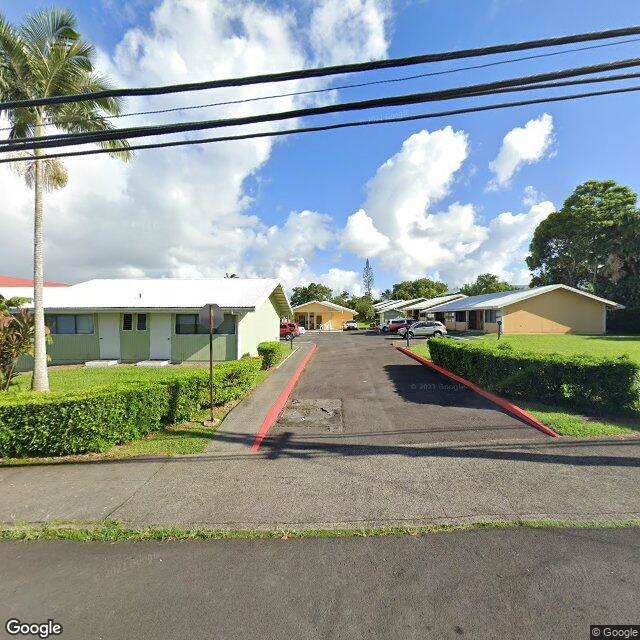
Haili Elderly Apartments

Save
Haili Elderly Apartments

Haili Elderly Apartments

227 Haili St, Hilo, HI 96720

For more information about senior living options: (844) 490-3973

3 from 2 reviews
Independent Living

What level of care are you interested in?

Assisted Living

Memory Care

Independent Living

Skilled Nursing Facility

Continuing Care Retirement Community (CCRC)CCRC

Other


Request a tour at Haili Elderly Apartments

    Overall Review of Haili Elderly Apartments

    Pros

      Review

      In a tight-knit community where kupuna are meant to be cherished and revered, a quiet unrest has taken hold around the people who decide who is recognized on a revered list and who isn't. Residents describe a culture within the organizing group that seems to prioritize familiarity over history, convenience over care, and insiders over elders. The result, they say, is a pattern of exclusion that feels less like tradition and more like gatekeeping. The list, once a symbol of respect and continuity, now reads like a ledger of who is included and who is left out, and the consequences ripple through families, ceremonies, and everyday life.

      From the vantage point of many community voices, the problem isn't simply a disagreement over who deserves recognition; it's a broader impression that the people running the process do not truly honor kupuna - the elders whose stories ground the culture and whose presence should teach, guide, and bless the community. Some observers describe meeting after meeting in which crucial decisions about events, funding, or cultural programming are made behind closed doors, with limited input from those most connected to the kupuna and their lived experiences. When input comes, it is often filtered through a narrow circle that appears to prioritize long-standing relationships over lived wisdom and genealogical depth. The sense that the process is opaque compounds the hurt, making it harder for marginalized voices to feel seen or heard.

      A recurring accusation in the conversations surrounding the list is that discrimination - whether intentional or systemic - shapes who gets included. Individuals and families say that criteria for recognition can feel arbitrary or biased, favoring a certain lineage, neighborhood, or history of participation that doesn't necessarily align with the broader, living tradition. In some reports, language and tone used during discussions contribute to a culture of exclusion, where questions from newcomers or younger members are dismissed or redirected rather than engaged with. The fear expressed by many is not just about who makes it onto the list, but about who is excluded from the conversation and, by extension, from the protections, visibility, and guidance that kupuna are meant to provide to the whole community.

      The emotional toll is immense. For elders watching the process, the repeated feeling of being sidelined is experienced as a form of erasure - an erosion of cultural continuity that makes it harder for younger generations to learn directly from those who carry the weight of tradition. Families describe the impact on ceremonies, community projects, and everyday rituals when the voices of those most intertwined with kupuna knowledge are marginalized. The friction isn't just about policy; it's about respect, trust, and the basic sense that the culture values all elders equally and invites their wisdom into governance. When those assurances fray, the community's cohesion frays as well, leaving fault lines where once there was shared purpose.

      In this landscape of frustration, calls for accountability grow louder. Critics insist that recognition processes should be transparent, participatory, and fair by design. They urge the creation of open forums where elders, families, and residents can challenge criteria, share concerns, and propose amendments in real time. They ask for checks and balances - an ethics or ombudsperson, independent review of selection criteria, and clear timelines that keep decisions from lingering in ambiguity. Importantly, they want a system that centers kupuna as living teachers, not as relics to be consulted only when it is convenient for the organizers. The goal is not to abolish tradition but to renew it with processes that reflect the community's current realities and responsibilities to its elders.

      Beyond procedural reforms, many see a deeper need for culture change within the organizing body. They call for comprehensive training on implicit bias, inclusive leadership, and respectful engagement with all community members, including newcomers and those from diverse family backgrounds. They advocate for language and practices that honor the dignity of every elder, celebrate diverse expressions of cultural knowledge, and actively invite the participation of those who feel unheard. Such changes would not merely address complaints; they would fortify the very foundation on which kupuna are honored: a culture that lives in active listening, accountability, and shared stewardship.

      Ultimately, the conversations around the list are about more than eligibility rules or ceremony schedules. They touch on the heart of what it means to honor elders in a modern community. The fear voiced by many is that without reforms, the people who feel most connected to kupuna - those who carry the day-to-day transmission of memory, language, and practice - will increasingly retreat from public life. The broader community, in turn, risks losing touch with a core source of wisdom and resilience. The hope many hold is that the organization can realign around values of inclusivity, transparency, and genuine reverence for elders, so that the kupuna who have guided generations remain present, their voices heard, and their influence felt in every decision that shapes the community's future.

      What comes next remains to be seen, but the clearly expressed desire is for a future where respect for kupuna is not a line item in a policy document but the living standard by which all decisions are judged. The path forward lies in listening more deeply, acting more openly, and ensuring that every elder - the backbone of cultural memory - has a seat at the table. If the community can embrace that standard, the list could once again become a beacon of shared history, mutual care, and enduring guidance rather than a marker of who is included and who is not. The organizers, the elders, and the broader public all have a role to play in making that happen, together.

      Features

      Types of Care

      • Independent Living Independent LivingIndependent living communities are important for seniors because they offer a safe and supportive environment where older adults can live independently while still having access to amenities and services that enhance their quality of life. These communities provide social opportunities, recreational activities, and assistance with daily tasks, promoting overall well-being and allowing seniors to maintain their independence for as long as possible.

      Transportation

      • Hilo International (3 miles away) Hilo International (3 miles away)


      Description

      Haili Elderly Apartments in Hilo, HI, is a vibrant assisted living community that offers a range of amenities and services to cater to the needs of its residents. Situated in the beautiful city of Hilo, our apartments provide a comfortable and safe environment for seniors to enjoy their golden years.

      With 8 cafes nearby, our residents have the opportunity to socialize with friends and family over a cup of coffee or enjoy a delicious meal in a cozy atmosphere. Additionally, there are 39 restaurants in close proximity, offering various cuisines and dining options for our residents to explore.

      For those who appreciate the outdoors, our community is surrounded by 10 parks. Residents can take leisurely strolls amidst lush greenery or engage in outdoor activities while embracing the natural beauty of Hilo.

      We understand the importance of easy access to healthcare services, which is why we are proud to have 13 pharmacies and 21 physicians located nearby. This ensures that our residents receive prompt medical attention whenever necessary.

      Transportation is made convenient with 4 transportation options near our community. Whether it's running errands or attending appointments, our residents can easily navigate around town with ease.

      Spiritual fulfillment is essential for many individuals, which is why we boast 3 places of worship within close proximity. Residents can nourish their souls and find solace in their faith within reach.

      Furthermore, Haili Elderly Apartments offer easy access to entertainment options such as theaters nearby where residents can catch movies or performances for leisurely enjoyment.

      Finally, having a hospital nearby provides peace of mind for both residents and their families knowing that quality medical care is readily available in case of emergencies or ongoing healthcare needs.

      At Haili Elderly Apartments, we strive to create an enriching living experience for our residents by providing them with a range of amenities and services designed to promote health, happiness, and an active lifestyle within a supportive community setting.

      Nearby Places of Interest

      This part of Hilo, Hawaii, offers a convenient and diverse range of amenities for seniors looking to settle in the area. With a variety of restaurants offering different cuisines within walking distance, you can easily explore new dining options. Additionally, there are several physicians and pharmacies nearby, ensuring easy access to healthcare services. The presence of cafes provides opportunities for socializing and enjoying a cup of coffee with friends. For outdoor enthusiasts, several parks are situated close by, offering beautiful green spaces to relax and unwind. Transportation options like taxis and car rentals make it easy to get around town. Places of worship are also conveniently located for those seeking spiritual fulfillment. Lastly, the proximity to Hilo Medical Center ensures that high-quality healthcare services are readily available in case of emergencies. Whether you're looking for a vibrant community or peaceful surroundings, this part of Hilo has something to offer for seniors looking to enjoy their retirement years.

      Restaurants

      • McDonald's (0.1 miles)
      • L & L Drive Inn (0.2 miles)
      • Kozmic Cones (0.2 miles)
      • Naung MAI Thai Kitchen (0.2 miles)
      • Wilson's by the Bay (0.2 miles)
      • Pineapples Island Fresh Cuisine (0.2 miles)
      • Hilo Town Tavern (0.2 miles)

      Physicians

      • Hawaii Family Health (0.2 miles)
      • Island Pediatrics (0.3 miles)
      • Hawaii Community Mental Health Center (0.3 miles)
      • Aloha Nui Family Practice (0.5 miles)
      • Family Medicine Center (0.5 miles)
      • Randall Dr - Hirata Randall H Hirata MD (0.7 miles)
      • Hra Womens Imaging Cen (0.7 miles)

      Pharmacies

      • Kta Super Stores (0.2 miles)
      • Shiigi Drug Co. (0.4 miles)
      • Pharmerica (0.4 miles)
      • Longs Drugs (0.6 miles)
      • CVS Pharmacy (0.7 miles)
      • Walmart Pharmacy (2.4 miles)
      • Kta Super Stores (2.4 miles)

      Cafes

      • Nector Cafe (0.3 miles)
      • Starbucks (0.5 miles)
      • Just Cruisin Coffee (0.8 miles)
      • Big Island Pearl Tea (1.5 miles)
      • VIBE Cafe & Health Bar (1.9 miles)
      • Popover (1.9 miles)
      • Starbucks (2.4 miles)

      Parks

      • Mo’oheau Park (0.4 miles)
      • University Heights Park (1.2 miles)
      • Isles Beach Park (1.2 miles)
      • Rainbow Falls Park (1.3 miles)
      • Lili‘uokalani Park And Gardens (1.4 miles)
      • Ho'olulu Park (1.4 miles)
      • Wailoa State Park (1.7 miles)

      Transportation

      • AA Marshall's Taxi (0.6 miles)
      • U-Haul Neighborhood Dealer (1.8 miles)
      • Aiona U-Rent Car (2.1 miles)
      • U-Haul Neighborhood Dealer (2.1 miles)

      Places of Worship

      • Crossnet Ministries (0.9 miles)
      • Southern Baptist Convention (1.4 miles)
      • Kaumana Drive Baptist Church (1.6 miles)

      Hospitals

      • Hilo Medical Center (1.5 miles)

      Theaters

      • Regal Prince Kuhio (2.4 miles)

      Frequently Asked Questions

      Where is Haili Elderly Apartments?

      Nearby Communities

      Related Resources

      • nursing home costsA Detailed Examination of Nursing Home Costs Across the U.S.
        Nursing home care costs in the U.S. vary significantly based on location, level of care, and amenities, with private room prices ranging from approximately $6,700 to over $30,000 monthly. Families need to explore various payment options and conduct thorough research to manage these expenses effectively.

      • non medical home careExploring Nonmedical Home Care: Understanding Services, Costs, and Financial Approaches

        Nonmedical home care provides assistance with daily activities and companionship for individuals wishing to maintain independence and quality of life at home, without medical intervention. Its growing popularity is driven by an aging population, the need for supportive environments for recovery, and the emotional benefits of caregiver companionship, while costs vary based on service frequency and location.

      • brain games for seniorsEngaging Brain Games and Innovative Apps to Keep Senior Minds Active

        Maintaining cognitive fitness through engaging in various brain games, both traditional and digital, is crucial for seniors as it enhances memory retention, problem-solving abilities, and emotional well-being while helping to protect against age-related decline. A holistic approach that includes diverse activities, physical exercise, a balanced diet, and social interaction further supports mental health and cognitive function.


      Get Pricing Ask A Question Schedule A Tour Contact Senior Advisor