Rome Health And Rehabilitation Center

Save
Rome Health And Rehabilitation Center

Rome Health And Rehabilitation Center

1345 Redmond Road, Rome, GA 30165

For more information about senior living options: (844) 490-3973

3.6 from 31 reviews
5 stars
19
4 stars
2
3 stars
0
2 stars
0
1 stars
10

Skilled Nursing Facility

Rome Health And Rehabilitation Center Costs & Pricing

At Rome Health and Rehabilitation Center, the monthly cost for a semi-private room is $3,930, which reflects the center's commitment to providing quality care and personalized services to its residents. In comparison, the average cost of similar accommodations in Floyd County is notably lower at $3,271, while the state of Georgia shows an even more affordable average of $2,529. While Rome's rates may exceed those of both the county and state averages, they can be indicative of enhanced amenities and specialized care options available at this facility. It's essential for potential residents and their families to consider not only the financial aspects but also the comprehensive services that contribute to overall well-being during their stay.

Floor plansRome Health And Rehabilitation CenterFloyd CountyGeorgia
Semi-Private$3,930$3,271$2,529

What level of care are you interested in?

Assisted Living

Memory Care

Independent Living

Skilled Nursing Facility

Continuing Care Retirement Community (CCRC)CCRC

Other


Request a tour at Rome Health And Rehabilitation Center

    Overall Review of Rome Health And Rehabilitation Center

    Pros

    • pro The staff are knowledgeable and friendly.
    • pro They care about residents individually and work to meet their needs and care for the whole family.
    • pro The leadership is open and responsive.
    • pro The facility is very clean and well maintained.
    • pro The residents are happy and active, enjoying daily activities.
    • pro The staff, including nurses, CNAs, housekeepers, and administrators, are caring and welcoming to families.
    • pro The center is described as amazing with high quality of care and is highly recommended.
    • pro They are quick to inform families of any medical issues.

    Cons

    • pro They required applicants to provide highly sensitive bank information before any interview.
    • pro They did not disclose the interviewer's name, title, phone number, or email, and expected sensitive data to be handed to the front desk.
    • pro The front desk said the hiring manager would not see applicants until this information was completed.
    • pro They alleged residents were allowed to lie in poop for hours.
    • pro Visitors reported roaches all over them during visits.
    • pro The staff were described as rude and short-staffed.
    • pro They warned others not to send family members there because they might die.
    • pro Administration refused to meet with or discuss the situation.

    Review

    Harbor View appears in these impressions as a facility that divides opinion as sharply as night and day. On one hand, there are many notes about warmth, compassion, and skilled care; on the other hand, there are urgent warnings about neglect, cleanliness failures, and gaps in safety and communication. The results people describe come from different visits, different shifts, and different departments, but together they create a portrait of a center that can feel like two different places depending on who is on duty and when.

    Several reviewers paint a very positive picture of the care environment. They describe staff who are knowledgeable, friendly, and genuinely engaged with residents. Families are said to feel that the care is individualized, with staff who know residents' histories, preferences, and needs. The facility is praised for a broad set of services, including rehab, physical therapy, occupational therapy, and wound care, with the impression that caregivers go beyond the basics to support residents and their families. There are repeated affirmations about leadership being open and responsive, and about a culture that tries to involve families, answer questions, and address concerns. In many accounts, the atmosphere is described as welcoming to visitors, with activities that keep residents engaged and a sense that the place can feel like a lived-in, caring home.

    Cleanliness and a welcoming environment are highlighted in multiple favorable reviews. Some visitors note that the building feels clean and well-maintained, with staff and administrators who communicate in a respectful, family-centered way. Visitors who bring grandchildren or who spend a lot of time at the facility describe positive interactions with the care team and an environment that supports social and recreational opportunities for residents. There is also praise for the sense that staff members are observant and proactive about residents' comfort and daily routines, which contributes to a feeling of trust and security for families who are deciding whether this is the right place for their loved ones.

    However, the negative experiences are hard to ignore and recounted with alarming specificity. A number of reviews describe patients who were left in unsanitary conditions for extended periods, including instances of waste and odors that suggest neglect or poor hygiene. Some accounts accuse the facility of HIPAA and OSHA violations, a concern that shakes confidence in safety and privacy practices. Reports of bugs, roaches, and general filth, paired with depictions of an aging or outdated facility, contribute to a perception that some areas of Harbor View have not kept pace with basic standards of cleanliness and modernization. For families that rely on consistent, safe care, these tales are distressing and raise questions about infection control and maintenance.

    Staffing and behavior are other points of contention. Several reviews describe staff shortages that lead to delays in care, rushed interactions, and perceived unfriendliness or irritability from nurses and aides. Some visitors recount experiences of rude attitudes or a lack of attentiveness during critical moments, and there are strong claims that some staff were unwilling or unable to meet families' needs or to engage in constructive discussions about care plans. A few accounts specifically note that administration or management was not available to meet with families or discuss concerns, which amplifies a sense of disconnect between the people delivering care and the families of residents.

    Specific stories underline how divergent experiences can be even within the same facility. One reviewer recalls a relative who was admitted for rehab but was effectively neglected, with dramatic consequences described for the patient's wellbeing. Another describes a mother-in-law who received thorough care during a lengthy stay, with staff seen as both helpful and compassionate. There are also emotionally charged warnings from families who felt that loved ones' conditions worsened or that necessary interventions were delayed, sometimes culminating in traumatic outcomes. These vignettes emphasize the variability of day-to-day care and how quickly a family's confidence can shift based on a single encounter or observation.

    Taken together, the narratives reveal a complex picture of Harbor View: a place that can offer attentive, respectful, and high-quality care as described by many families, yet one where serious concerns about safety, cleanliness, and staffing have left others deeply unsettled. The contrast is stark enough that prospective residents and their families would be well advised to form a well-rounded view through direct visits, conversations with multiple staff members across shifts, and transparent inquiries about current staffing ratios, infection control practices, maintenance schedules, and the facility's approach to family communication. In the end, the choice to place a loved one here may come down to weighing the meaningful, positive experiences against the troubling, more alarming reports, and deciding which weight each of those elements should carry in the context of individual needs and expectations.

    Features

    Housing

    • 100 resident community capacity 100 resident community capacity

    Types of Care

    • Skilled Nursing Facility Skilled Nursing FacilitySkilled Nursing Facilities are crucial for seniors as they provide round-the-clock medical care, rehabilitation services, and assistance with daily activities. These facilities ensure that seniors receive the specialized care they need to maintain their health and well-being as they age.

    Amenities

    • Air-conditioning Air-conditioningAir conditioning is important for seniors as they are more vulnerable to heat-related illnesses and may have underlying health conditions that make it difficult for them to regulate their body temperature. It helps to keep them comfortable, safe, and healthy in hot weather.
    • Beauty salon Beauty salonBeauty salons are important for seniors because they provide a space for them to feel pampered, socialize, and maintain their personal grooming and hygiene. Regular visits to a beauty salon can help boost seniors' self-esteem and overall well-being.
    • Cable or satellite TV Cable or satellite TVCable or satellite TV is important for seniors because it provides entertainment, news, and companionship, helping to combat loneliness and boredom. It also offers a wide range of programming options tailored to different interests and preferences.
    • Computer center Computer centerA computer center is essential for seniors as it provides access to technology, communication tools, and resources that can enhance their daily lives. It allows them to stay connected with loved ones, engage in online activities, and learn new skills, ultimately promoting socialization and mental stimulation.
    • Dining room Dining roomDining rooms are important for seniors as they provide a space for socialization, connection, and nutritious meals. They offer opportunities for residents to bond over shared meals, foster a sense of community, and promote healthy eating habits. Dining rooms also ensure that seniors have access to well-balanced meals tailored to their dietary needs and preferences.
    • Fitness room Fitness roomHaving a fitness room in a senior living community is essential for seniors to stay active, maintain their physical health, and improve their overall well-being. Regular exercise can help prevent falls, reduce the risk of chronic diseases, and promote mental sharpness. It also provides social opportunities for residents to connect with others and enjoy a sense of community.
    • Fully furnished Fully furnishedFully furnished senior living communities are important for seniors because they provide convenience, comfort, and a hassle-free moving experience. Seniors can easily settle into their new living space without the stress of having to buy and move furniture. This allows them to focus on enjoying their new home and community.
    • Gaming room Gaming roomGaming rooms are important for seniors as they provide a fun and engaging environment for socializing, cognitive stimulation, and physical activity. Games can improve memory, problem-solving skills, and overall mental well-being while fostering friendships and reducing feelings of isolation.
    • Garden GardenGardens are important for seniors as they provide a peaceful and therapeutic environment for relaxation, physical activity, and socialization. Being in nature has been shown to reduce stress, improve mood, and promote overall well-being. Gardens also offer opportunities for seniors to engage in gardening activities, which can improve mobility, flexibility, and cognitive function. Additionally, gardens create a sense of community and connection with others who share a passion for plants and outdoor spaces.
    • Housekeeping services Housekeeping servicesHousekeeping services are important for seniors because they help maintain a clean and safe living environment, promote independence, and reduce the risk of accidents or illnesses. Additionally, having assistance with household chores can alleviate physical strain and allow seniors to focus on other aspects of their well-being.
    • Kitchenette KitchenetteKitchenettes are important for seniors living in senior living communities because they provide the convenience and independence of being able to prepare simple meals and snacks in the comfort of their own living space. This can help promote a sense of autonomy and well-being for seniors, allowing them to maintain some level of control over their dietary choices and daily routines.
    • Move-in coordination Move-in coordinationMove-in coordination is important for seniors because it helps ease the transition into their new living environment. It ensures that all logistics, such as packing, organizing movers, and setting up utilities are taken care of, allowing seniors to focus on settling in and adjusting to their new home. Having a smooth move-in process can alleviate stress and anxiety, making the transition smoother and more enjoyable for seniors.
    • Outdoor space Outdoor spaceOutdoor spaces are important for seniors as they provide opportunities for physical activity, social interaction, exposure to natural light and fresh air, and a sense of connection to nature. Having access to outdoor spaces can improve overall well-being and quality of life for older adults living in senior communities.
    • Private bathrooms Private bathroomsPrivate bathrooms are important for seniors in senior living communities because they provide independence, dignity, and comfort. Having a private bathroom allows seniors to maintain their personal hygiene routines without the need for assistance, promoting a sense of autonomy and privacy. Additionally, private bathrooms help prevent the spread of infections and provide a safe and clean environment for seniors to navigate safely.
    • Restaurant-style dining Restaurant-style diningRestaurant-style dining is important for seniors because it allows them to enjoy delicious, nutritious meals in a social and upscale setting. This enhances their dining experience, promotes healthy eating habits, and fosters socialization with fellow residents, ultimately contributing to their overall well-being and quality of life.
    • Small library Small librarySmall libraries are important for seniors as they provide access to a variety of reading materials, including books, newspapers, and magazines. This can help stimulate their minds, keep them engaged, and provide a sense of community through book clubs and other social activities. Additionally, reading has been shown to improve cognitive function and overall mental well-being in older adults.
    • Telephone TelephoneTelephones are important for seniors as they provide a lifeline for communication with loved ones, emergency services, and healthcare providers. They offer a sense of security and independence, enabling seniors to stay connected and access assistance when needed.
    • Wellness center Wellness centerWellness centers are important for seniors because they offer a variety of programs and services that promote physical, mental, and emotional well-being. These centers provide opportunities for exercise, socialization, education, and relaxation, helping seniors maintain their overall health and quality of life.
    • Wi-Fi/high-speed internet available Wi-Fi/high-speed internet availableWi-Fi/high-speed internet is important for seniors to stay connected with loved ones, access online resources, and participate in virtual activities to combat feelings of loneliness and isolation. It also allows them to easily manage healthcare needs, access entertainment, and engage in lifelong learning opportunities.

    Transportation

    • Community operated transportation Community operated transportationCommunity operated transportation is crucial for seniors as it provides them with the means to access essential services, social activities, and medical appointments. It allows seniors to maintain their independence and quality of life by ensuring they can participate in activities outside of their homes. Additionally, community-operated transportation services offer a safe and reliable way for seniors to travel without having to rely on family or friends for assistance.
    • Transportation arrangement Transportation arrangementTransportation arrangements are crucial for seniors as they may face challenges with driving, mobility, or access to public transportation. Having reliable transportation services ensures that seniors can easily attend appointments, social activities, and maintain their independence and quality of life.
    • Transportation arrangement (non-medical) Transportation arrangement (non-medical)Transportation arrangements are essential for seniors as they provide access to essential services, activities, and social interactions outside the home. This service helps maintain independence, mobility, and overall well-being for seniors who may have limited transportation options.
    • Transportation to doctors appointments Transportation to doctors appointmentsTransportation to doctors appointments is crucial for seniors as it ensures they have access to necessary medical care and support, promoting their health and well-being. It allows them to receive timely treatment, monitor existing conditions, and address any new health concerns efficiently. Additionally, transportation services can help seniors maintain their independence and quality of life by enabling them to stay connected with their healthcare providers.

    Care Services

    • 12-16 hour nursing 12-16 hour nursing12-16 hour nursing care is crucial for seniors in order to ensure around-the-clock monitoring, timely medication administration, and prompt response to any health concerns or emergencies. This level of care helps to promote the overall well-being and safety of seniors living in senior living communities.
    • 24-hour call system 24-hour call system24-hour call systems are important for seniors because they provide peace of mind and immediate assistance in case of emergencies. This technology ensures that help is always available, promoting safety and security for elderly individuals living alone or in assisted living facilities.
    • 24-hour supervision 24-hour supervision24-hour supervision is important for seniors to ensure their safety, well-being, and access to immediate assistance in case of emergencies or health issues. This constant support provides peace of mind for both seniors and their loved ones, allowing them to age in place with dignity and security.
    • Activities of daily living assistance Activities of daily living assistanceActivities of daily living assistance are important for seniors because they provide essential support with tasks such as eating, bathing, dressing, and mobility. This assistance helps seniors maintain their independence, dignity, and overall quality of life as they age.
    • Assistance with bathing Assistance with bathingAssistance with bathing is crucial for seniors as it helps maintain personal hygiene, prevents infections, and ensures their overall well-being and comfort. It also provides a sense of dignity and independence for seniors who may struggle with this task on their own.
    • Assistance with dressing Assistance with dressingAssistance with dressing is important for seniors because it helps maintain their independence, promotes personal hygiene, prevents accidents and injuries, and improves overall quality of life. This service ensures that seniors can continue to dress comfortably and confidently, despite any physical limitations they may have.
    • Assistance with transfers Assistance with transfersAssistance with transfers is crucial for seniors as it helps prevent falls and injuries, maintains their independence, and ensures they can safely navigate their living environment. It also provides peace of mind for both seniors and their loved ones.
    • Diabetes diet Diabetes dietA diabetes diet is crucial for seniors as it helps manage blood sugar levels, reduce risks of complications, and improve overall health and well-being. By following a balanced and nutritious diet tailored to their specific needs, seniors can better control their diabetes and enhance their quality of life.
    • Meal preparation and service Meal preparation and serviceMeal preparation and service are crucial for seniors as they may have limited mobility or energy to cook nutritious meals. Having access to healthy and convenient food options can ensure they are getting the proper nutrition needed to maintain their overall health and well-being.
    • Medication management Medication managementMedication management is crucial for seniors to ensure they are taking the right medications at the correct dosages and times. This helps prevent adverse drug interactions, reduces the risk of medication errors, and promotes overall health and well-being. Proactive management also allows for adjustments as needed based on changing health conditions or new prescriptions.
    • Mental wellness program Mental wellness programMental wellness programs are essential for seniors as they promote cognitive stimulation, emotional support, and social engagement. These programs help prevent isolation, depression, and cognitive decline, ultimately enhancing the overall quality of life for older adults.
    • Special dietary restrictions Special dietary restrictionsSpecial dietary restrictions are important for seniors because age-related changes in metabolism and health conditions can make it difficult for their bodies to process certain foods. By following a diet tailored to their specific needs, seniors can maintain their overall health and well-being, manage chronic conditions, and reduce the risk of complications such as malnutrition or food interactions with medications.

    Dining

    • Diabetes diet Diabetes dietA diabetes diet is crucial for seniors as it helps manage blood sugar levels, reduce risks of complications, and improve overall health and well-being. By following a balanced and nutritious diet tailored to their specific needs, seniors can better control their diabetes and enhance their quality of life.
    • Special dietary restrictions Special dietary restrictionsSpecial dietary restrictions are important for seniors because age-related changes in metabolism and health conditions can make it difficult for their bodies to process certain foods. By following a diet tailored to their specific needs, seniors can maintain their overall health and well-being, manage chronic conditions, and reduce the risk of complications such as malnutrition or food interactions with medications.

    Activities

    • Community-sponsored activities Community-sponsored activitiesCommunity-sponsored activities are important for seniors as they provide opportunities for social interaction, mental stimulation, and physical activity. These activities can help improve overall well-being, combat loneliness and isolation, and promote a sense of belonging and purpose among older adults.
    • Concierge services Concierge servicesConcierge services are essential for seniors as they provide assistance with daily tasks and errands, enhance their quality of life by offering convenience and personalized care, and promote a sense of safety and security.
    • Fitness programs Fitness programsFitness programs are crucial for seniors as they help improve strength, flexibility, balance, and overall well-being. Staying active can reduce the risk of chronic diseases, improve mental health, and enhance quality of life in older adults.
    • Planned day trips Planned day tripsPlanned day trips are important for seniors because they offer opportunities for socialization, mental stimulation, and physical activity. They provide a change of scenery and help seniors stay engaged and connected to their community, promoting overall well-being and quality of life.
    • Resident-run activities Resident-run activitiesResident-run activities are important for seniors as they encourage social interaction, creativity, and a sense of autonomy. These activities empower seniors to stay engaged and active in their community while fostering meaningful connections with their peers.
    • Scheduled daily activities Scheduled daily activitiesScheduled daily activities are important for seniors because they provide structure, socialization, mental stimulation, and physical activity. Engaging in regular activities can improve overall well-being and quality of life for seniors living in a community setting.

    Description

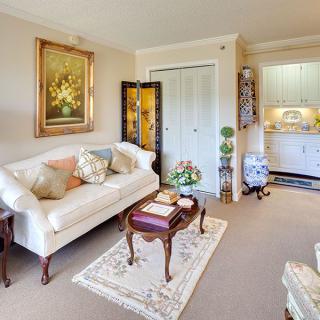
    The Rome Health And Rehabilitation Center in Rome, GA is a vibrant and well-equipped assisted living community. Residents can enjoy a variety of amenities such as a beauty salon, cable or satellite TV, computer center, gaming room, fully furnished accommodations, and a small library. There are also outdoor spaces such as a garden where residents can relax and enjoy the fresh air.

    Care services provided at the center include 24-hour call system, supervision, assistance with activities of daily living such as bathing and dressing, transfers, medication management, and special dietary restrictions including diabetes diet. The community offers move-in coordination and transportation arrangement for non-medical purposes as well as transportation to doctors appointments.

    Residents can dine in the on-site dining room where they will experience restaurant-style dining with special dietary restrictions taken into consideration. There is also meal preparation and service available.

    A range of activities is offered to keep residents engaged and entertained. Concierge services are available for convenience. Fitness programs and planned day trips are organized to promote physical health and exploration of the surrounding area. Resident-run activities provide opportunities for socializing and personal expression. Scheduled daily activities ensure there is always something fun happening within the community.

    Additionally, the Rome Health And Rehabilitation Center is conveniently located with nearby cafes, parks, pharmacies, physicians' offices, restaurants, places of worship, theaters, hospitals nearby to cater to residents' various needs.

    Overall, this assisted living community provides comprehensive care services alongside an array of amenities to create an enjoyable and fulfilling living environment for its residents.

    Nearby Places of Interest

    This area of Rome, Georgia offers a variety of amenities that may be appealing to seniors looking for a comfortable and convenient living environment. There are several pharmacies nearby including Dermatran Health Solutions and CVS Pharmacy, making it easy to access medications and healthcare services. Additionally, there are multiple physicians' offices in close proximity such as Harbin Clinic Eye Center and Southeastern Cardiovascular Institute for regular check-ups and medical care. For dining options, there are various restaurants like Jasmine Thai Cuisine and Red Lobster nearby. Places of worship such as Pleasant Grove Baptist Church and West Rome Baptist Church can provide spiritual support and community engagement. The area also boasts parks like Ridge Ferry Park for outdoor recreation and relaxation. Overall, this part of Rome offers a well-rounded selection of amenities that cater to the needs and interests of seniors considering senior living in the area.

    Pharmacies

    • Dermatran Health Solutions (0.4 miles)
    • CVS Pharmacy (1.2 miles)
    • CVS Pharmacy (1.2 miles)
    • First Care Pharmacy (2 miles)
    • Walgreens (2 miles)
    • Winslette Pharmacy (2.1 miles)
    • Avery Drugs (2.1 miles)

    Physicians

    • Harbin Clini Eye Cent (0.5 miles)
    • Harbin Clinic Dermatology Rome (0.5 miles)
    • Harbin Clinic Epidural Lab (0.5 miles)
    • Harbin Clinic Ophthalmology (0.5 miles)
    • Southeastern Cardiovascular Institute (0.5 miles)
    • Family Dermatology (0.6 miles)
    • Ear Nose Throat & Allergy of Northwest Georgia (0.6 miles)

    Hospitals

    • Redmond Regional Cardiac Cath Lab (0.6 miles)
    • Chelsea Community Hospital (1.3 miles)
    • Kindred Hospital Rome (2 miles)
    • Specialty Hospital (2 miles)
    • Floyd Medical Center Rehabilitation Services (2.1 miles)
    • Harbin Clinic Orthopaedic Imaging (2.2 miles)

    Restaurants

    • Jasmine Thai Cuisine (0.8 miles)
    • Lord Of The Wings Sports Grill (0.9 miles)
    • Red Lobster (1.2 miles)
    • Ryan's Steak House (1.2 miles)
    • Tang Garden Chinese Restaurant (1.3 miles)
    • China City Restaurant (1.3 miles)
    • Subway (1.3 miles)

    Places of Worship

    • Pleasant Grove Baptist Church (0.9 miles)
    • The Warehouse: West Rome Baptist Church (1.1 miles)
    • The Well - West Rome Baptist Church (1.1 miles)
    • West Rome Baptist Church (1.1 miles)
    • Floyd County Baptist Association (1.4 miles)
    • Providence Baptist Church (1.4 miles)
    • St James Ame Zion Church (1.7 miles)

    Cafes

    • Lumina Coffee (1.9 miles)
    • Starbucks (2.4 miles)

    Parks

    • Ridge Ferry Park (2.1 miles)
    • Upper Avenue A Historic District (2.1 miles)

    Theaters

    • The Movies (2.2 miles)

    Transportation

    • Budget Rent A Car (2.6 miles)

    Frequently Asked Questions

    How much does it cost to live at Rome Health And Rehabilitation Center in Rome, GA?
    Where is Rome Health And Rehabilitation Center?

    Nearby Communities

    • Brookdale Rome

      Brookdale Rome

      Rome, GA

      4.4 from 67 reviews
      $3,240 to $5,385 / month

      pro Caring staff with excellent family communication in a clean, engaging community.

    • Seven Hills Place

      Seven Hills Place

      Rome, GA

      4.5 from 56 reviews
      $3,922 to $6,111 / month

      pro Compassionate, attentive staff; clean, well-maintained facilities and engaging memory-care activities.

    • Marie's Personal Care Home

      Marie's Personal Care Home

      Rome, GA


      pro Small, intimate setting with personalized 24/7 care.

    • Highland Rivers

      Highland Rivers

      Rome, GA

      2.9 from 39 reviews
       

      pro Comprehensive assisted living with daily living support, medication management, and transportation to medical appointments.

    • Right at Home of NW Georgia - Rome,  GA

      Right at Home of NW Georgia - Rome, GA

      Rome, GA

      2.3 from 3 reviews
       

      pro Warm, personalized assisted living with strong access to nearby pharmacies, physicians, hospitals, parks, and restaurants.

    • Alabama Street

      Alabama Street

      Rome, GA


      pro Intimate setting with 24/7 supervision, comprehensive care, meals with dietary options, housekeeping, move-in coordination, and transportation.

    • Etowah Landing Care and Rehabilitation Center

      Etowah Landing Care and Rehabilitation Center

      Rome, GA

      4.4 from 105 reviews
      $4,700 / month

      pro Caring staff, clean rooms, and engaging activities.

    • Winthrop Court Senior Living and Memory Care

      Winthrop Court Senior Living and Memory Care

      Rome, GA

      4.5 from 48 reviews
      $975 to $1,250 / month

      pro Caring staff, delicious meals, clean facilities, and an engaging, welcoming community.

    • Renaissance Marquis

      Renaissance Marquis

      Rome, GA

      4.4 from 35 reviews
      $1,795 to $2,895 / month

      pro Friendly staff, pleasant atmosphere, and well-kept outdoor area.

    Related Resources

    • best dog for seniorsTop Canine Companions for Older Adults

      Dogs can greatly improve the lives of older adults by offering emotional support and encouraging physical activity, with factors such as size, temperament, and grooming needs being crucial in selecting a suitable breed. Senior dogs often make ideal companions for this demographic, promoting social connections and requiring care routines that align with seniors' capabilities.

    • elderly blood pressure chartComprehensive Guide to Blood Pressure Charts for Older Adults: Understanding Normal and High Readings by Age

      The guide on blood pressure charts for older adults stresses the importance of understanding normal and high blood pressure readings influenced by age, genetics, and lifestyle, while emphasizing regular monitoring and lifestyle modifications to prevent serious health issues. It provides insights into blood pressure categories, dietary recommendations, medication considerations, and the role of caregivers in supporting healthy habits.

    • how to pay for nursing home care with social securityFinancing Long-Term Nursing Home Care Through Social Security: A Thorough Exploration

      The article explores the complexities of using Social Security to finance long-term nursing home care in the U.S., detailing eligibility requirements and misconceptions, while emphasizing that these benefits often do not cover full costs and highlighting the need for strategic financial planning and professional guidance.


    Get Pricing Ask A Question Schedule A Tour Contact Senior Advisor