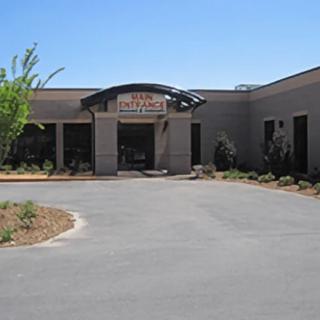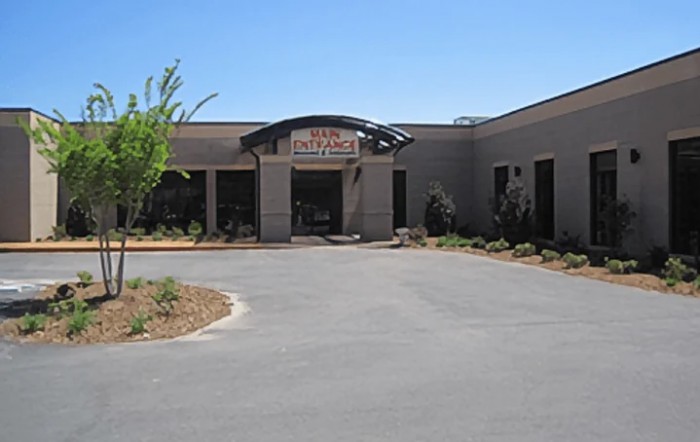
142 Memorial Drive, Reidsville, GA 30453
For more information about senior living options: (866) 208-4318
Overall Review of Tattnall Healthcare Center
Pros
 The staff care from the heart.
- They take the time to explain the care to residents.
- The care provided is exceptional.
- The nurses and CNAs are kind and helpful.
- The facility supports residents in healing and regaining mobility.
- Residents can succeed and live a life full of joy at Tattnall Nursing Home.
- Beth Ray made visits welcoming and delightful.
- The staff across roles—nurses, CNAs, office staff, and administrators—are all kind and attentive.
Cons
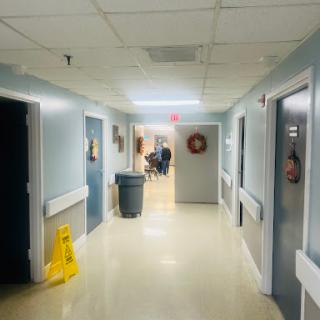
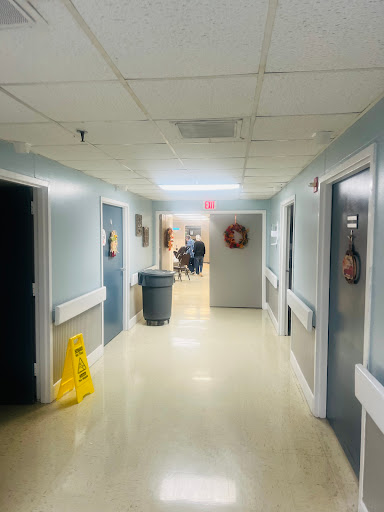
 The facility is dirty and does not care about its patients; the staff are rude, lie, and fail to follow through on anything.
- The director was very rude and disrespectful.
- This place needs to be shut down; the atmosphere is dirty and not welcoming, and the administrator doesn’t know what he is doing and is running the place into the ground.
- The nurses ignore complaints of illness, and the CNAs are less than friendly toward bedridden or wheelchair users; antipsychotic meds are used and can cause real problems.
- A resident’s mother almost died after therapy due to stage 4 pressure sores, dehydration, and malnutrition.
- The food here is not good.
Review
Tattnall Healthcare Center in Reidsville is best suited for residents who need skilled rehabilitation and can actively participate in their own recovery, with involved families ready to advocate, monitor, and push for clear communication. The strongest asset here is the rehab orientation and nursing staff that demonstrate genuine effort to move patients forward. In several accounts, residents who engage with therapy and describe explanations of care report meaningful progress and a sense that improvements are possible. The building itself isn’t the newest, but for families prioritizing rehab momentum and hands-on staff attention, that focus can still translate into real gains.
Those who should consider alternatives are families seeking pristine facilities, consistently responsive leadership, and a rigorously predictable daily routine. The reviews reveal persistent concerns about cleanliness, organization, and administrative responsiveness, including frightening reports of neglect and mismanagement. For seniors with significant medical complexity, mobility and nutrition needs, or those who cannot tolerate inconsistent care, the risk of delayed responses or inadequate monitoring weighs heavily. In short, a higher bar for safety, cleanliness, and steady governance is essential for many long-term residents.
The key pros, compassion from many nurses and aides, and a rehab-centered path that can restore mobility, do not fully offset the main drawbacks. Positive experiences tend to cluster around specific staff members and certain shifts, where communication is clear and care feels attentive. When therapy is actively pursued and family members stay engaged, residents may experience real improvements. Yet these favorable interactions appear inconsistent, and the overall environment raises questions about reliability and uniform quality of care across the facility.
The cons are consistently troubling in multiple accounts: dirt and disarray, responses that feel delayed or dismissive from administration, and gaps in daily monitoring. Critical safety concerns surface in stories of pressure sores, dehydration, malnutrition, and even hospital transfers, underscoring serious service gaps. Food quality and overall atmosphere also receive negative emphasis, contributing to a sense that the living environment does not support well-being beyond the clinical tasks of care. Taken together, these patterns create substantial risk for residents who cannot advocate fiercely for themselves.
Decision-makers must weigh the mixed reality with clear-eyed realism. If a loved one benefits from aggressive rehab, is capable of active participation, and has a family ready to partner with a vigilant care team, Tattnall can deliver meaningful health gains. However, the negative experiences around cleanliness, safety, and governance cannot be ignored and may overwhelm those who rely on consistent, hassle-free daily care. The facility might work for a highly engaged resident with tight oversight, but for many seniors, especially those with fragile health or mobility challenges, the risk profile points firmly toward seeking alternatives.
Practical next steps are essential. Schedule multiple tours and insist on speaking with the administrator as well as front-line staff on different shifts to gauge consistency. Request recent care plans, incident logs, and evidence of ongoing cleanliness and food quality improvements. Probe how dehydration, nutrition, and pain management are monitored, and ask for concrete turnaround times for response to complaints. If choosing this community, implement a formal family liaison process and set explicit expectations around response times, therapy schedules, and daily care routines. For families prioritizing safety, cleanliness, and dependable governance, it is prudent to compare other nearby options with stronger track records to ensure the best fit for a loved one’s long-term needs.
 92 resident community capacity
 Skilled Nursing Facility
 Air-conditioning
 Beauty salon
 Cable or satellite TV
 Computer center
 Dining room
 Fitness room
 Fully furnished
 Gaming room
 Garden
 Housekeeping services
 Kitchenette
 Move-in coordination
 Outdoor space
 Private bathrooms
 Restaurant-style dining
 Small library
 Telephone
 Wellness center
 Wi-Fi/high-speed internet available
 Community operated transportation
 12-16 hour nursing
 24-hour call system
 Activities of daily living assistance
 Assistance with bathing
 Assistance with dressing
 Assistance with transfers
 Diabetes diet
 Medication management
 Mental wellness program
 Special dietary restrictions
 Concierge services
 Planned day trips

 In-Home Care Costs in 2025: A Detailed State-by-State Exploration
 Understanding Home Health Care: A Comprehensive Guide
 Home Health Care Demystified: A Comprehensive Guide for Families and Caregivers