
133 Middle Road, Collins, GA 30421
For more information about senior living options: (866) 208-4318
Overall Review of People Choice - Personal Care Home #2
Pros
 Sumiko is absolutely amazing.
- Sumiko is caring, attentive, and compassionate toward her residents.
- Collins Personal Care Home feels like home.
- Collins Personal Care Home provides a higher level of care than larger facilities.
- The reviewers highly recommend Collins Personal Care Home.
- Sumiko goes above and beyond in caring for residents.
- The care team ensures residents are comfortable and treated with love and compassion.
- Collins Companion Care Center is described as a true blessing with capable, caring hands.
- The administrator and staff are very caring and provide one-on-one, hands-on care.
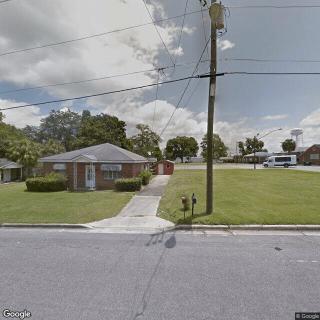
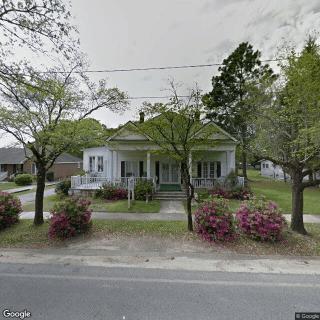
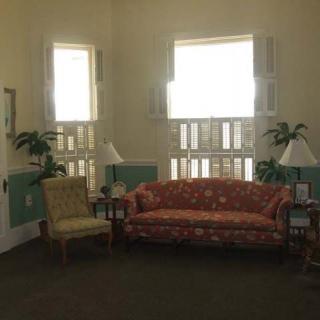
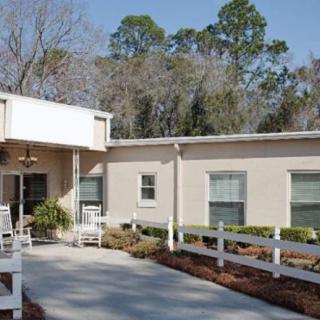
- The home is beautiful inside and out, clean, spacious, and well cared for, creating a wonderful environment for residents.
Cons
 They learned that the level of care at larger facilities is not the same as Collins Personal Care Home.
- They feel that larger facilities do not provide the same level of care.
- They observed that care at larger facilities falls short when compared to Collins.
Review
This Collins Personal Care Home #2 is best suited for families seeking a small, home-like setting where the caregiver-owner is deeply involved and residents receive highly personalized attention. Sumiko is repeatedly described as a devoted, hands-on administrator who treats residents with genuine warmth and compassion, and the environment reinforces that ethos. The residence feels more like a private home than a clinical facility, with a clean, spacious, attractively decorated interior and daily routines that emphasize comfort and dignity. For seniors who thrive on one-to-one interaction, steady supervision, and a familiar, reassuring atmosphere, this community delivers a rare, family-style level of engagement that translates into real peace of mind for loved ones.
Those evaluating care for residents with more demanding medical needs or memory-care requirements may want to consider alternatives. Larger facilities often boast on-site licensed nursing coverage, rehab services, and memory-care units with structured programs, which this smaller home may not be able to replicate to the same degree. If a resident requires around-the-clock clinical oversight, frequent skilled therapies, or highly specialized dementia supports, families should compare what is available in a bigger setting. The strength here lies in personal touch and intimate attention; the trade-off could be fewer on-site medical resources and a less extensive program lineup for complex conditions.
The strongest pros clearly center on care that feels individualized and heartfelt. Sumiko and the staff are described as genuinely caring, with close, one-on-one attention that makes residents feel seen and valued. This level of involvement translates into a sense that needs are anticipated and addressed promptly, often with a proactive attitude that reduces family worry. The home-like atmosphere, together with consistently positive resident feedback about food, activities, cleanliness, and the warmth of daily life, creates an environment where seniors can enjoy stability and a dignified, nearly “vacation-like” daily rhythm. These advantages are not just pleasant extras; they materially offset the lack of a large-scale, clinical operation by delivering a quality of life that is hard to match in bigger settings.
Still, the reality of a small personal care home comes with practical tradeoffs. While not highlighted as flaws in reviews, potential considerations emerge from the structure itself: fewer on-site clinicians at a moment’s notice, greater reliance on the owner's direct involvement, and a narrower menu of therapeutic services and program options than what larger facilities typically provide. Families should be mindful that, if medical or therapy needs shift, the transition to a more resource-rich environment may be necessary. The upside remains strong, strong leadership, unwavering compassion, and a home where staff know residents intimately, yet the question for planning is whether those clinical supports will be sufficient for the long arc of care.
Decision-making should proceed with concrete checks. Schedule in-depth tours and conversations that probe staffing ratios during different shifts, the process for medication management, and how care plans are developed and updated. Ask for sample menus, activity calendars, and a candid description of what on-site services exist (housekeeping, meals, transportation, routine therapies). Speak with current residents and families about communication patterns and emergency responsiveness. Confirm licensing status and any recent inspection results, and discuss costs, deposit schedules, and what happens as care needs intensify. A clear picture will emerge: a trusted, intimate home versus a setting with broader clinical depth.
In sum, this community excels for families prioritizing warmth, personal connection, and a dignified, home-like daily life. It stands out as a sanctuary where residents are treated with royal attention and where trust and peace of mind are earned through consistent, compassionate care. For families whose loved ones require extensive clinical resources, or specialized memory-care programming, alternatives with larger staffing, more formal medical oversight, and broader therapy offerings should be weighed carefully. When the priority is a deeply human caregiving experience lived day to day, Collins Personal Care Home #2 earns its recommendation, with practical steps to validate fit documented before any commitment.
 5 resident community capacity
 Assisted Living
 Cable or satellite TV
 Dining room
 Fully furnished
 Garden
 Housekeeping services
 Move-in coordination
 Outdoor space
 Telephone
 Wi-Fi/high-speed internet available
 24-hour supervision
 Activities of daily living assistance
 Assistance with bathing
 Assistance with dressing
 Assistance with transfers
 Diabetes diet
 Meal preparation and service
 Medication management
 Special dietary restrictions
 Transportation arrangement (medical)
 Transportation to doctors appointments




 Senior Transition Services: Understanding Their Role, Cost, and Importance
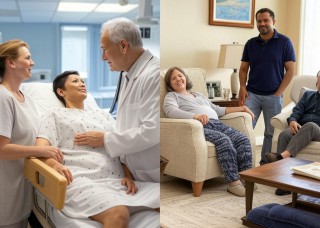 Exploring the Path to Senior Living: A Comprehensive Look at Independent Living and Assisted Living
 Is Assisted Living Deductible on Your Taxes? Understanding the Complexities of Assisted Living Expenses and Deductions